Discovering a baby roach in your home can be alarming, especially when you have young children. These tiny pests pose health risks and indicate a potential infestation that requires immediate attention. As a parent, protecting your family from cockroaches while maintaining a safe environment for your children is crucial.
Baby cockroaches, also known as nymphs, are particularly concerning because their presence typically means adult cockroaches are nearby, actively reproducing. Understanding how to identify, prevent, and eliminate these pests safely is essential for maintaining a healthy home environment where your children can thrive.
Identifying Baby Roaches in Your Home
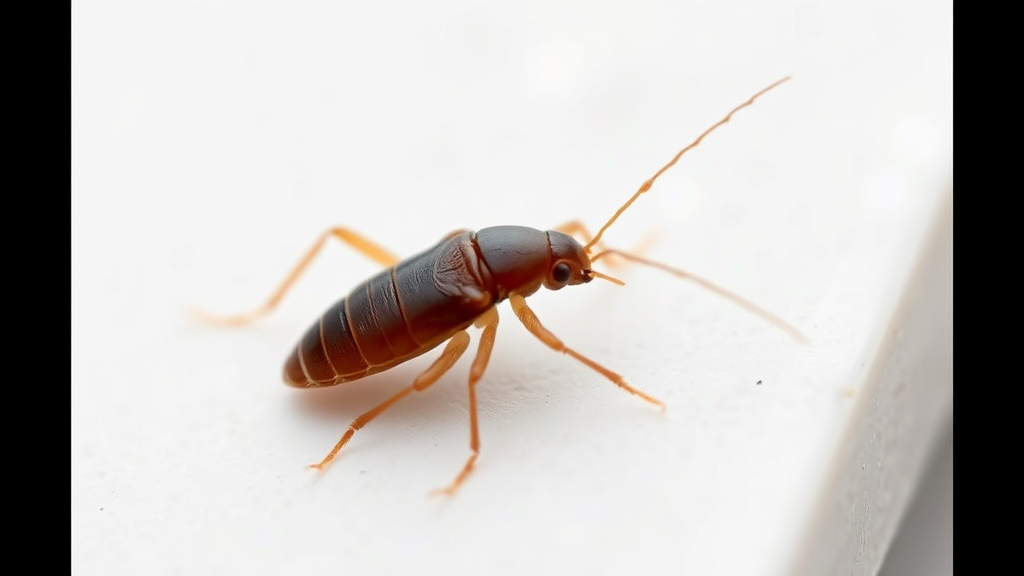
Learning to identify a baby cockroach is the first step in effective pest control. Baby roaches are significantly smaller than adults, typically measuring between 3-5 millimeters in length when newly hatched. They appear translucent or white immediately after molting but darken to brown or black as their exoskeleton hardens.
Unlike adult cockroaches, baby roaches cannot fly as their wings are underdeveloped. They move quickly in short bursts and tend to hide in small crevices during daylight hours. Common hiding spots include cracks in walls, behind appliances, under sinks, and in pantry areas where food crumbs accumulate.
The presence of baby roaches often indicates an established infestation, as female cockroaches can produce multiple egg cases throughout their lifetime. Each egg case, called an ootheca, can contain 16-40 eggs depending on the species. German cockroaches, the most common household pest, have the fastest reproduction rate, making early detection and intervention critical.
Look for additional signs of infestation including small, dark droppings that resemble coffee grounds or black pepper, shed skins from molting nymphs, and a musty odor in heavily infested areas. These indicators, combined with baby roach sightings, confirm the need for immediate action.
Health Risks Baby Roaches Pose to Children
Baby roaches carry the same health risks as adult cockroaches, making them particularly dangerous in homes with children whose immune systems are still developing. According to the Centers for Disease Control and Prevention, cockroaches can trigger asthma attacks and allergic reactions, especially in children.
These pests contaminate food and surfaces with bacteria including Salmonella, E. coli, and Staphylococcus. Children are more susceptible to foodborne illnesses because they frequently touch surfaces and put their hands in their mouths. Baby roaches can squeeze into smaller spaces than adults, potentially contaminating areas that seem inaccessible to larger pests.
Cockroach allergens are particularly problematic for children with respiratory conditions. The proteins found in cockroach saliva, feces, and shed skins become airborne and can trigger severe asthma episodes. Studies show that children living in cockroach-infested homes have higher rates of emergency room visits for asthma-related complications.
The psychological impact on children should not be overlooked either. Discovering baby roaches can cause anxiety and sleep disturbances in young children. Creating a pest-free environment is essential for both physical health and emotional well-being, which is why many parents seek comprehensive parenting advice for new parents that includes home safety measures.
Prevention Strategies for Families
Preventing baby roach infestations requires a multi-faceted approach focusing on eliminating food sources, water access, and hiding places. Start by implementing strict kitchen hygiene practices, including wiping down counters after meal preparation, storing food in airtight containers, and cleaning up crumbs immediately.
Pay special attention to areas where children eat snacks or meals. High chairs, car seats, and play areas often accumulate food particles that attract cockroaches. Establish a routine of thorough cleaning in these zones, using child-safe cleaning products to maintain both cleanliness and safety.
Moisture control is equally important, as baby roaches require water to survive. Fix leaky pipes promptly, ensure proper ventilation in bathrooms and kitchens, and wipe down wet surfaces regularly. Check under sinks, around dishwashers, and near water heaters for signs of moisture accumulation.
Seal entry points by caulking cracks around windows, doors, and pipes. Install door sweeps and repair torn window screens. Focus on areas where utilities enter your home, as these often provide highways for pest entry. Regular maintenance of these barriers significantly reduces the likelihood of baby roach infestations.
Safe Elimination Methods for Homes with Children
When baby roaches are discovered, immediate action using child-safe methods is essential. Avoid traditional pesticide sprays in areas where children play or sleep, as these chemicals can pose health risks to developing children. Instead, focus on targeted approaches that eliminate pests while protecting your family.
Gel baits placed in tamper-resistant bait stations offer an effective solution for homes with children. These stations prevent direct contact while delivering lethal doses to cockroaches that consume the bait. Place stations behind appliances, under sinks, and in other areas inaccessible to children but frequented by roaches.
Diatomaceous earth (food grade) provides a natural elimination method that’s safe around children when used properly. This fine powder damages the exoskeletons of baby roaches, causing dehydration. Apply thin layers in cracks and crevices where children cannot access, and always use food-grade quality to ensure safety.
Sticky traps serve dual purposes of monitoring and elimination. Place these non-toxic traps along walls where baby roaches travel, checking them regularly to gauge infestation severity. While not a complete solution, they help reduce populations and provide valuable information about pest movement patterns.
Natural Deterrents and Child-Safe Solutions
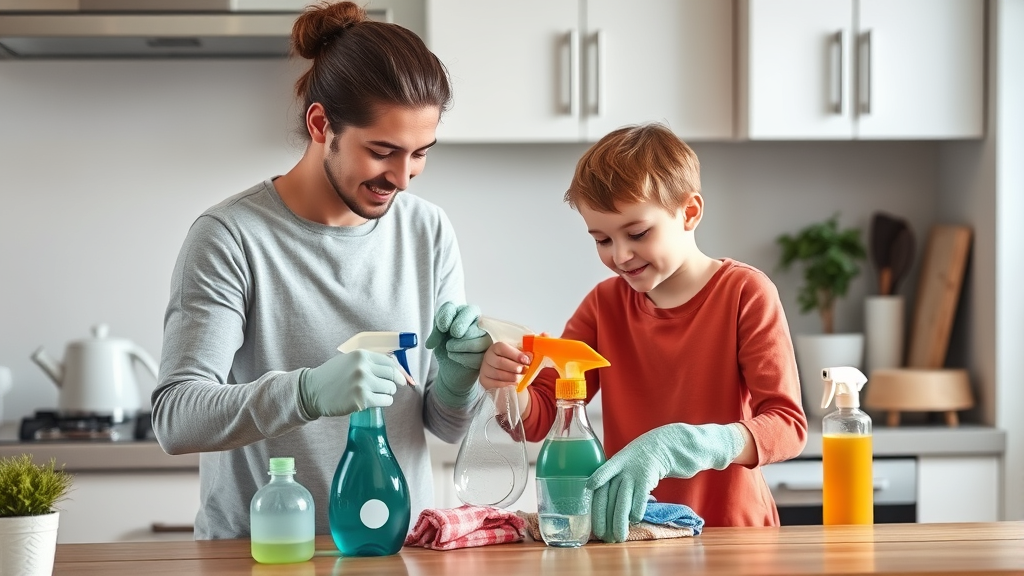
Natural deterrents offer peace of mind for parents concerned about chemical exposure while effectively discouraging baby roach activity. Essential oils, particularly peppermint, tea tree, and eucalyptus, create environments that cockroaches find uninhabitable. Mix these oils with water in spray bottles and apply to entry points and suspected hiding areas.
Boric acid, when used responsibly, provides an effective natural solution. However, exercise extreme caution around children, as ingestion can be harmful. Apply boric acid only in areas completely inaccessible to children, such as inside wall voids or behind permanent fixtures. Always supervise its use and consider professional application for maximum safety.
Coffee grounds, bay leaves, and cucumber peels act as natural repellents that are completely safe around children. While these methods may not eliminate existing infestations, they help prevent new ones when used consistently. Refresh these natural barriers regularly to maintain their effectiveness.
Maintaining cleanliness remains the most effective natural prevention method. Involve age-appropriate children in cleaning routines to teach responsibility while maintaining pest-free environments. Simple tasks like wiping tables and putting away toys help eliminate attractants while building good habits.
When to Call Professional Pest Control
Professional pest control becomes necessary when baby roach populations persist despite prevention efforts or when infestations are widespread. According to the Environmental Protection Agency, professional services often provide more targeted and effective solutions than DIY methods.
Choose pest control companies that specialize in family-friendly approaches and hold proper licensing and insurance. Request detailed information about chemicals used, application methods, and safety protocols for homes with children. Many companies now offer integrated pest management (IPM) approaches that minimize chemical use while maximizing effectiveness.
Before treatment, prepare your home by removing children’s toys, bedding, and food items from treatment areas. Discuss temporary relocation if extensive treatment is required, especially for severe infestations. Professional technicians should provide clear instructions about re-entry times and safety precautions.
Follow-up treatments are often necessary to address newly hatched baby roaches from existing egg cases. Maintain communication with your pest control provider about ongoing concerns and observations. Just as you would research when learning how to choose a pediatrician, thoroughly vet pest control professionals to ensure they prioritize your family’s safety.
Maintaining a Roach-Free Home Long-Term
Long-term success in baby roach control requires consistent maintenance and vigilance. Establish weekly cleaning routines that address all potential attractants, paying special attention to areas where children spend time. Regular deep cleaning of appliances, pantries, and storage areas prevents the accumulation of food particles that attract pests.
Seasonal maintenance plays a crucial role in prevention. Inspect and seal potential entry points before temperature changes that drive pests indoors. Clean gutters, trim vegetation away from your home’s exterior, and address moisture issues before they become problems. These proactive measures significantly reduce the likelihood of future infestations.
Monitor your home regularly for early signs of pest activity. Monthly inspections of common hiding areas help detect problems before they become severe. Keep a simple log of any pest sightings, including locations and times, to identify patterns that might indicate emerging issues.
Educate family members about prevention practices and the importance of maintaining a clean environment. Children can learn to recognize signs of pest activity and understand why certain cleaning practices matter. This knowledge empowers the entire family to contribute to pest prevention efforts while building valuable life skills.
Consider that maintaining a pest-free home is just one aspect of creating a safe environment for children. Just as parents might research information about different animals like baby monkey or baby hippo for educational purposes, understanding household pests helps create comprehensive safety awareness.
Frequently Asked Questions
How can I tell the difference between a baby roach and other small insects?
Baby roaches have distinct characteristics including six legs, long antennae, and an oval-shaped body that’s typically brown or black. Unlike beetles, they have a flattened appearance and move in quick, erratic patterns. They also have visible wing buds on their backs, even though they cannot fly. If you’re unsure about identification, capture a specimen in a clear container for professional identification.
Are baby roaches more dangerous than adult cockroaches?
Baby roaches carry the same disease-causing bacteria and allergens as adults, making them equally dangerous from a health perspective. However, their small size allows them to access areas that adult roaches cannot, potentially contaminating more surfaces. Their presence also indicates active reproduction, meaning the infestation is likely to grow rapidly without intervention.
What should I do if I find baby roaches in my child’s bedroom?
Immediately remove your child from the room and conduct a thorough inspection to locate the source of the infestation. Clean all surfaces with disinfectant, wash bedding in hot water, and vacuum thoroughly, paying attention to cracks and crevices. Consider temporary sleeping arrangements while implementing elimination strategies. Contact a pest control professional if the problem persists or appears widespread.
Can baby roaches survive without food and water?
Baby roaches can survive approximately one week without water and up to one month without food, though these timeframes vary based on temperature and humidity. This resilience makes elimination challenging and emphasizes the importance of comprehensive treatment approaches rather than simply removing obvious food sources.
Is it safe to use roach sprays around children and pets?
Most commercial roach sprays contain chemicals that can be harmful to children and pets. According to the National Institute of Environmental Health Sciences, exposure to pesticides can cause respiratory irritation, skin reactions, and other health issues in sensitive individuals. Opt for child-safe alternatives like gel baits in tamper-resistant stations, diatomaceous earth, or professional treatment with family-friendly products.
How long does it take to eliminate a baby roach infestation?
Elimination timeframes vary based on infestation severity and treatment methods used. Minor infestations may be controlled within 2-4 weeks with consistent prevention and treatment efforts. Severe infestations often require 6-8 weeks or longer, especially when dealing with German cockroaches that reproduce rapidly. Professional treatment typically achieves faster results than DIY methods.
What are the most common places baby roaches hide in homes with children?
Baby roaches commonly hide in kitchen areas near food sources, including behind appliances, inside cabinets, and around sinks. In children’s areas, check behind toy storage, under beds, around heating vents, and in closets where clothing or stuffed animals are stored. They also frequent bathrooms, particularly around tubs, toilets, and under vanities where moisture accumulates.