Baby Cosplay Tips: What Parents Should Know
Dressing your little one in adorable costumes has become a cherished tradition for many families. Whether you’re preparing for Halloween, a themed birthday party, or simply capturing precious memories, baby cosplay offers a delightful way to celebrate your child’s personality and create lasting memories. However, as a parent, it’s essential to approach baby costumes with both creativity and safety in mind.
Baby cosplay has evolved far beyond simple store-bought costumes. Modern parents are crafting intricate, character-inspired outfits that reflect popular culture, beloved stories, and family interests. From tiny superheroes to adorable storybook characters, the possibilities are endless. Yet with great creative potential comes great responsibility—ensuring your baby remains comfortable, safe, and happy throughout the experience.
This comprehensive guide will walk you through everything you need to know about baby cosplay, from selecting the right costume to prioritizing safety and comfort. Whether you’re a first-time costume creator or a seasoned parent, you’ll find practical tips to make your baby’s cosplay experience memorable and enjoyable.
Table of Contents
- Safety Considerations for Baby Costumes
- Comfort and Fit Guidelines
- Choosing the Right Materials
- Popular Baby Cosplay Ideas
- DIY Baby Costume Tips
- Making the Most of Photos
- Frequently Asked Questions
Safety Considerations for Baby Costumes
The most critical aspect of baby cosplay is ensuring your child’s safety throughout the experience. According to the American Academy of Pediatrics, parents should carefully evaluate all costume components before dressing their babies.
Choking Hazards represent the primary concern when dressing infants and toddlers. Small buttons, beads, sequins, or decorative elements can easily detach and pose serious risks. Always inspect costumes thoroughly, and consider removing or securing any loose embellishments. For babies under three years old, avoid costumes with small parts that could fit through a toilet paper tube—this is the standard choking hazard test.
Avoid costumes with long capes, strings, or trailing fabric that could become tangled around your baby’s neck. These items create strangulation risks, particularly for crawling or mobile infants. If you want to include cape elements, use breakaway designs that detach easily or secure them only at the shoulders with Velcro strips.
When selecting baby boy clothes or baby girl clothes for cosplay purposes, ensure all closures are secure and age-appropriate. Buttons should be firmly sewn, zippers should work smoothly without pinching skin, and elastic bands should never restrict circulation.
Temperature Control is another vital safety consideration. Babies cannot regulate their body temperature as effectively as older children and adults. Thick costumes can cause overheating, particularly if worn for extended periods indoors or during warm weather. Layering lightweight materials instead of bulky fabrics helps maintain proper temperature regulation. Always monitor your baby for signs of overheating, including excessive sweating, flushed skin, or lethargy.
Avoid masks or face coverings that restrict breathing or vision. Many babies find masks distressing, and they can impede air circulation. If facial elements are essential to your costume concept, consider face-safe paint designed for babies, or use temporary tattoos instead.
Comfort and Fit Guidelines
A comfortable baby is a happy baby, and comfort directly impacts how long your little one will tolerate wearing a costume. Proper fit is absolutely essential—costumes should never be too tight or too loose.
Measure your baby carefully before purchasing or creating a costume. Take measurements of chest circumference, length from shoulder to hem, and arm length. Compare these measurements to sizing charts, and when in doubt, choose the larger size. Babies grow quickly, and slightly loose costumes are far preferable to restrictive ones that limit movement or cause discomfort.
The costume should allow your baby to move freely, sit comfortably, and maintain normal posture. If your baby typically wears size 12-month clothing, don’t assume a costume in that size will fit—different manufacturers have varying sizing standards. Always check reviews and sizing feedback from other parents before purchasing.
Consider your baby’s sensitivity to textures and sensations. Some babies object to scratchy fabrics, rough seams, or unfamiliar clothing textures. Test the costume material against your baby’s skin beforehand. Soft, breathable fabrics like cotton blends are generally better tolerated than synthetic materials that don’t allow skin to breathe.
Pay special attention to seams and closures that contact your baby’s skin. Rough or poorly finished seams can cause irritation during extended wear. If you’re crafting a costume, invest time in finishing seams properly and using soft, quality construction techniques.
Choosing the Right Materials
Material selection significantly impacts both comfort and safety. Natural fibers are generally preferable for baby clothing and costumes. Cotton, cotton blends, and other breathable materials help regulate temperature and reduce the risk of skin irritation.
Avoid highly flammable synthetic materials. The U.S. Consumer Product Safety Commission has strict regulations regarding children’s sleepwear flammability. While costumes aren’t classified as sleepwear, it’s wise to choose materials that meet or exceed these safety standards. Look for fabrics labeled as flame-resistant or naturally flame-resistant options.
When working with elastic, choose gentle elastic designed for baby clothing. Standard elastic can be too stiff and uncomfortable against delicate skin. Baby-specific elastic is softer and more forgiving, reducing the risk of marking or irritating your child’s skin.
If your costume includes padding or stuffing, ensure these materials are safe and non-toxic. Polyester fiberfill is generally safe, but verify that any materials used haven’t been treated with harmful chemicals. Organic or eco-friendly filling options provide extra peace of mind.
Consider washability when selecting materials. Babies are messy, and costumes will inevitably encounter spit-up, food, or diaper incidents. Choose materials that can withstand frequent washing without deteriorating. Machine-washable options are preferable to dry-clean-only fabrics, as they’re more practical for active baby wear.
Pro Tip: Pre-wash all costume materials before assembly. This prevents shrinkage after your baby wears the finished costume and removes any manufacturing chemicals that might irritate sensitive skin.
Popular Baby Cosplay Ideas
The world of baby cosplay offers endless creative possibilities. Here are some popular and adorable options that work well for infants and toddlers:
- Storybook Characters: Beloved characters from children’s books like The Very Hungry Caterpillar, Winnie the Pooh, or characters from Dr. Seuss stories translate beautifully into baby costumes. These characters are instantly recognizable and nostalgic for parents.
- Classic Superheroes: Tiny Batman, Superman, or Wonder Woman costumes are perennial favorites. Simple capes with secure fastenings and age-appropriate sizing make these costumes practical.
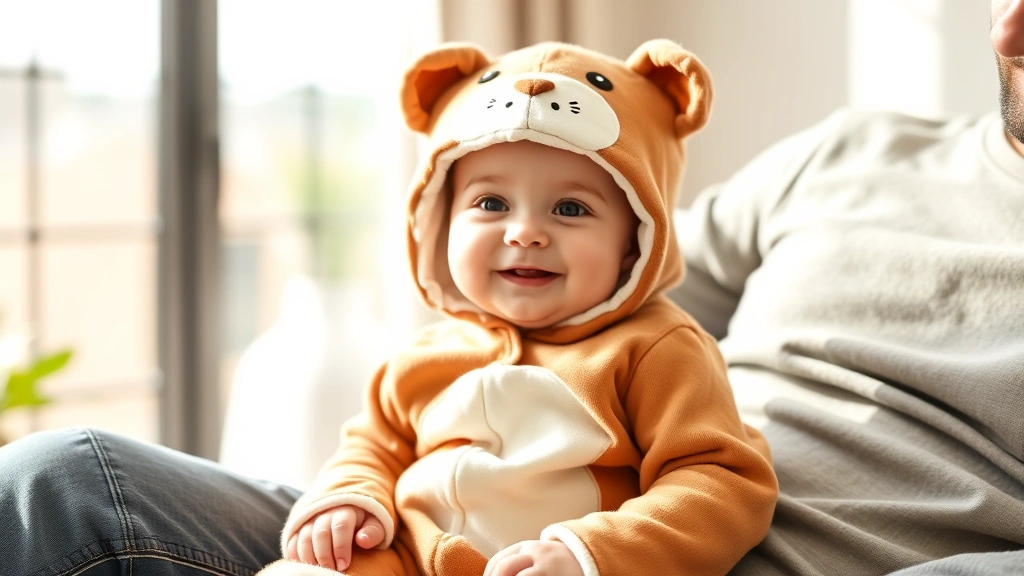
- Animal Costumes: Adorable animal onesies and costumes remain popular choices. From bears and bunnies to lions and lambs, animal costumes are comfortable and endearing.
- Food Items: Costumes featuring fruits, vegetables, or other food items are whimsical and photograph beautifully. A tiny strawberry, pumpkin, or cupcake costume creates delightful photo opportunities.
- Family-Themed Costumes: Coordinate with your family by dressing your baby as part of a larger theme. A family of superheroes, garden gnomes, or literary characters creates cohesive, memorable photos.
- Pop Culture References: Age-appropriate references to popular movies, shows, or characters appeal to parents. Baby versions of characters from beloved franchises work particularly well.
When selecting a costume concept, consider your baby’s personality and comfort level. Some babies enjoy being the center of attention, while others prefer less conspicuous costumes. Choose something that aligns with your child’s temperament and your family’s interests.
DIY Baby Costume Tips
Creating a custom baby costume allows for personalization and ensures quality control over materials and construction. DIY baby cosplay requires planning but yields rewarding results.
Start with a pattern or template. Many online resources offer free baby costume patterns, or you can adapt existing patterns from sewing websites. Alternatively, begin with plain onesies, t-shirts, or rompers as your base and embellish them with costume elements.
Keep designs simple, especially for first-time costume makers. Elaborate costumes with multiple components are more challenging to construct and harder for babies to tolerate. Focus on achieving the character’s essence with minimal, well-executed elements.
Use safe embellishment techniques. Instead of sewing on small beads or buttons, consider fabric paint, embroidery, or larger appliqué pieces that are securely attached. Felt shapes glued and sewn in place create visual interest without choking hazards.
When using glue for costume assembly, ensure it’s non-toxic and baby-safe. Some craft glues contain chemicals inappropriate for baby wear. Look for products specifically labeled as safe for children’s clothing.
Test your finished costume thoroughly before the event. Have your baby wear it for short periods to ensure comfort and identify any issues. Check that all seams are secure, no edges are rough, and all embellishments are firmly attached.
Consult our comprehensive parenting advice guide for additional insights on managing your child’s comfort during special events and activities.
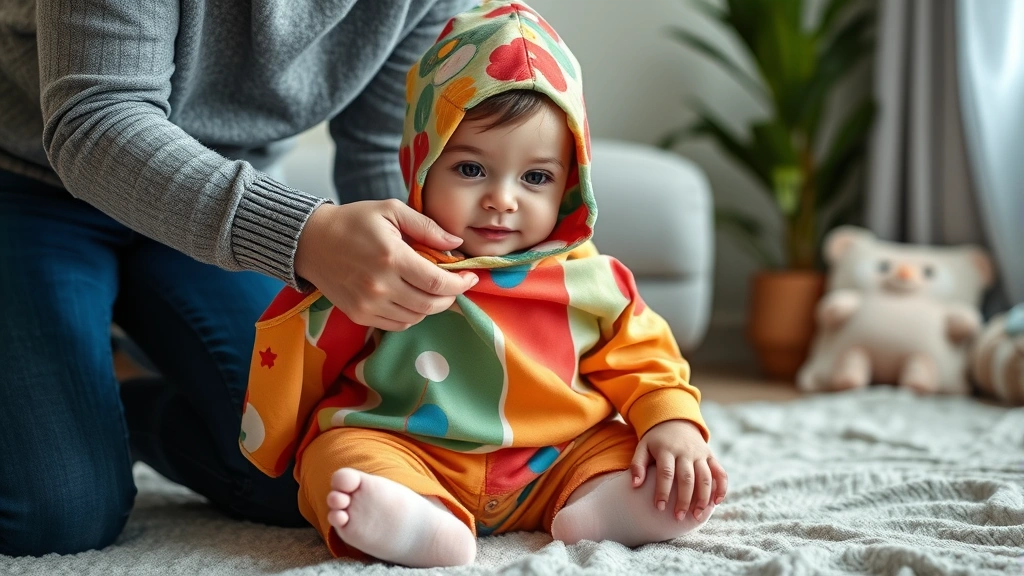
Remember that your baby’s comfort and safety supersede costume aesthetics. If your little one is unhappy or uncomfortable, simplify the costume or skip it entirely. The goal is creating positive memories, not forcing your child into an uncomfortable situation.
Making the Most of Photos
Baby cosplay provides wonderful photo opportunities. Capturing these moments requires some planning and patience.
Timing is everything. Take photos when your baby is well-rested, fed, and in a good mood. Hungry or tired babies are unlikely to cooperate with costume photography. Early morning or after nap time often works best.
Use natural lighting whenever possible. Soft, diffused natural light is most flattering and comfortable for babies. Avoid harsh flash photography, which can startle or distress your child. Outdoor photography during golden hour (early morning or late afternoon) produces beautiful, warm-toned images.
Keep photo sessions brief. Babies have limited attention spans, and extended photo shoots can become frustrating. Take multiple photos quickly rather than attempting numerous outfit changes or poses.
Involve family members to help manage your baby during photography. One person can hold or position your baby while another handles the camera, making the process smoother and more enjoyable for everyone.
Consider professional photography for significant occasions. Professional photographers experienced with babies understand how to work with their limited cooperation and can capture beautiful images that become treasured keepsakes.
Share your baby’s cosplay photos thoughtfully. If posting on social media, consider privacy settings and what information you’re comfortable sharing publicly. Many parents create private family groups or use photo-sharing apps to distribute images safely.
Frequently Asked Questions
What age is appropriate for baby cosplay?
Baby cosplay can begin at any age, though newborns typically tolerate simple costumes better than elaborate ones. For very young babies, consider minimal costumes that don’t require extended wear. As babies approach one year and become more mobile, they can handle more complex costumes, though comfort remains paramount.
How long should a baby wear a costume?
Limit costume wear to 30-60 minutes for babies under one year, and gradually extend duration as your child grows. Watch for signs of discomfort, overheating, or distress, and remove the costume immediately if your baby becomes upset. Frequent breaks allow your baby to cool down and reset emotionally.
Can I reuse baby costumes for younger siblings?
Absolutely! Baby costumes are excellent candidates for hand-me-downs. Ensure costumes are clean and in good condition before storage. Check all seams and embellishments periodically to ensure they remain secure. Store costumes in acid-free containers to prevent deterioration.
Are store-bought costumes safer than homemade ones?
Both store-bought and homemade costumes can be safe when created with proper attention to choking hazards, fit, and materials. Store-bought costumes must meet safety regulations, but you should still inspect them thoroughly. Homemade costumes allow you complete control over materials and construction quality. The safest option is whichever you create with careful attention to baby safety guidelines.
What should I do if my baby hates the costume?
Don’t force it. Some babies simply don’t enjoy wearing costumes, and that’s perfectly acceptable. You can take photos of the costume on a stuffed animal or mannequin, or skip the costume entirely. Your baby’s comfort and happiness are more important than any costume.
How do I ensure the costume won’t restrict my baby’s movement?
Choose appropriately sized costumes that allow full arm and leg movement. Test the costume by having your baby sit, crawl, or practice their typical movements. Avoid tight elastic, restrictive seams, or heavy fabrics that limit mobility. Your baby should move naturally in the costume without constraint.
What’s the best way to clean baby costumes after wear?
Check care labels for specific washing instructions. Most baby costumes should be machine-washed in cold water on a gentle cycle, then air-dried. Avoid bleach or harsh chemicals that might damage fabrics or irritate your baby’s skin if residue remains. For costumes with delicate embellishments, hand-washing may be preferable.
Can I use baby cosplay for special events beyond Halloween?
Definitely! Baby costumes work wonderfully for birthday parties, themed celebrations, family photos, holiday events, and even everyday dress-up play. Creative parents use costumes for storytelling, imaginative play, and creating cherished family memories throughout the year.
For more inspiration on dressing your little one, explore our collection of baby shower gift ideas and visit the Parent Path Daily Blog for additional parenting resources and creative ideas.
Expert Resources
For additional information on child safety and development, consult these authoritative sources:
- Healthy Children – American Academy of Pediatrics
- U.S. Consumer Product Safety Commission
- Zero to Three – Infant and Early Childhood Development
- Parents Magazine – Parenting Advice and Resources
Conclusion
Baby cosplay offers delightful opportunities to celebrate your child’s personality and create lasting memories. By prioritizing safety, comfort, and your baby’s individual needs, you can ensure a positive experience that your family will treasure for years to come. Remember that the goal isn’t creating a perfect costume—it’s creating joyful moments with your little one. Whether your baby wears an elaborate handmade costume or simply enjoys being part of a special celebration, the memories you create together are what truly matter. Approach baby cosplay with creativity, flexibility, and most importantly, with your baby’s wellbeing as your top priority.