How to Choose Baby Sandals: Expert Tips for Happy Little Feet
There’s something undeniably sweet about watching your little one toddle around in their first pair of sandals. But beyond the cuteness factor, choosing the right baby sandals involves more than just picking the prettiest pair at the store. Your baby’s feet are still developing, and the shoes they wear during these crucial early years can impact their comfort, safety, and natural foot development.
Whether you’re shopping for summer adventures, beach trips, or casual backyard playtime, understanding what makes a quality baby sandal will help you make confident choices. We’ve gathered expert insights and practical guidance to help you navigate the sandal selection process like a pro.
The truth is, most parents don’t realize how much thought should go into something as seemingly simple as baby footwear. But when you consider that your child’s feet are growing rapidly and their balance is still developing, suddenly it makes sense to be intentional about what you choose.
Understanding Baby Foot Development
Before you start shopping, it helps to understand what’s actually happening with your baby’s feet. Infants are born with soft, cartilaginous bones rather than fully developed skeletal structures. These bones gradually ossify (harden into bone) throughout childhood, a process that doesn’t complete until around age 18.
During the first few years, your baby’s feet are incredibly moldable. This means the shoes they wear can actually influence how their feet develop. Pediatric podiatrists emphasize that supportive, well-fitting footwear is essential during this window of development. According to the American Academy of Pediatrics, proper foot support during early childhood helps establish healthy walking patterns and can prevent issues later on.
Most babies don’t need shoes until they’re walking consistently, typically around 12-15 months. Before that, going barefoot (when safe) actually promotes better balance and sensory development. Once they’re mobile, though, sandals become a practical choice for warm weather and casual settings.
The arch of a baby’s foot is still developing, which is why you’ll notice babies’ feet appear flat. This is completely normal and doesn’t indicate a problem. However, it does mean that sandals with proper arch support become increasingly important as your child grows and spends more time on their feet.
Key Features to Look for in Baby Sandals
Not all baby sandals are created equal. When you’re evaluating options, focus on these essential features that distinguish quality sandals from mediocre ones.
Secure Fastening Systems: This is non-negotiable. Your baby’s sandals should have adjustable closures—velcro straps, buckles, or adjustable buckles work best. The sandal shouldn’t slip off during active play, but it also shouldn’t be so tight that it restricts circulation or causes discomfort. A good rule of thumb is being able to fit one finger between the sandal and your baby’s foot.
Flexible Soles: Baby sandals need flexible soles that allow natural foot movement and bending. A sandal that’s too rigid restricts your child’s natural gait and can actually slow down their walking development. When you bend the sandal in your hands, it should flex easily at the ball of the foot, mimicking how a foot naturally moves.
Closed Toe Design: While open sandals look adorable, closed-toe or partially covered sandals offer better protection from stubbed toes, dirt, and minor injuries. Many pediatricians recommend closed-toe sandals for children under three, reserving open designs for older kids who have better coordination.
Breathability: Baby feet sweat more than adult feet, and moisture can lead to fungal infections or blisters. Look for sandals made from breathable materials with ventilation. Avoid completely sealed designs that trap moisture.
Lightweight Construction: Heavy sandals tire little feet quickly. The best baby sandals feel almost weightless on your child’s feet, allowing them to move freely without extra fatigue.
Sizing and Fit Guidelines
Getting the right size is absolutely crucial, yet it’s where many parents stumble. Babies’ feet grow incredibly quickly—sometimes a full size every few months during the first two years. This rapid growth can make it tempting to buy sandals a size up to “get more wear,” but oversized sandals are actually dangerous and uncomfortable.
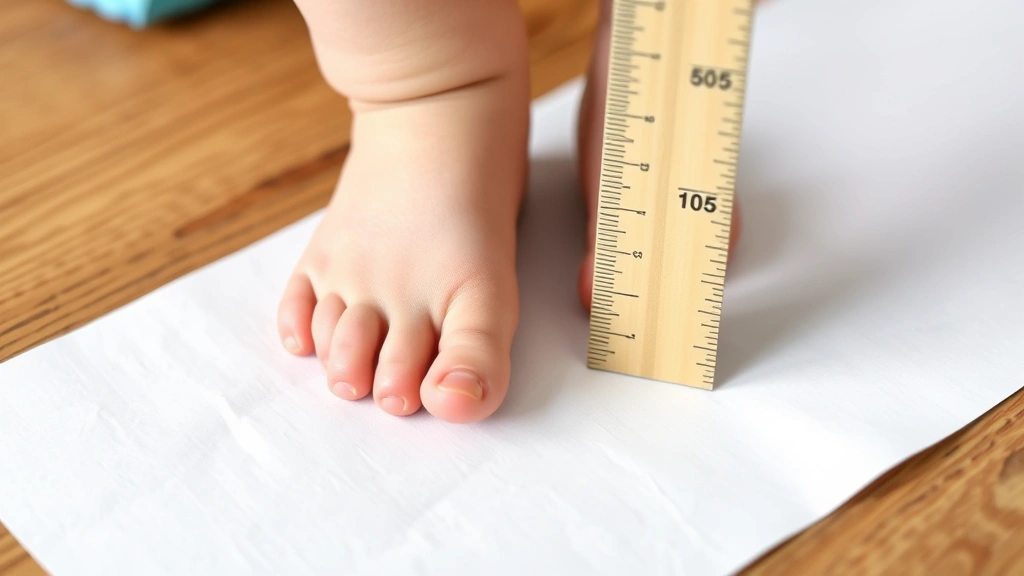
Here’s how to measure your baby’s feet properly: Have your child stand barefoot on a piece of paper, and trace around their foot with a pen held perpendicular to the paper. Measure from the longest toe to the heel. Repeat for both feet, as children’s feet aren’t always perfectly symmetrical. Use the longer measurement as your guide.
When you’re at the store or ordering online, always check the specific brand’s sizing chart rather than assuming sizes are standardized. Some brands run narrow while others are roomier. The best time to measure your baby’s feet is in the afternoon or evening when feet are slightly swollen from a day of activity—this gives you a more accurate measurement than morning measurements.
The fit should be snug but not tight. You should be able to slip a finger between the heel and the sandal, and there should be about a thumb’s width of space between your baby’s longest toe and the end of the sandal. This allows for growth without being so loose that the sandal shifts around during walking.
Many parents wonder whether to buy sandals that can accommodate socks, and the answer depends on your climate. In cooler weather, sandals worn with socks can be practical, but make sure the sandal is roomy enough that socks don’t compress your baby’s foot or create pressure points.
Material Matters: What’s Best for Baby Skin
Your baby’s skin is delicate and sensitive, making material selection important for both comfort and health. Different materials have distinct advantages and drawbacks.
Leather: Premium leather sandals are breathable, mold to your baby’s foot over time, and develop character as they’re worn. However, genuine leather is expensive and requires maintenance. It’s an investment, but many parents find it worthwhile for the durability and comfort. Leather also allows better air circulation than synthetic materials, reducing moisture buildup.
Canvas and Cotton Blends: These natural materials are breathable, comfortable, and usually more affordable than leather. They’re also easy to clean and dry quickly. The downside is that they may not be as durable as leather and can wear out faster with heavy use.
Synthetic Materials: Modern synthetic materials have come a long way. Quality synthetics are lightweight, durable, and often water-resistant, making them ideal for beach or water play. However, they don’t breathe as well as natural materials, so they’re better suited for shorter wear periods.
Rubber Soles: The sole material matters as much as the upper material. Rubber provides good traction and durability, while also being easy to clean. Make sure the rubber sole is flexible rather than rigid, and check that it has adequate tread to prevent slipping on wet surfaces.
Avoid materials with harsh dyes or chemical treatments, especially for babies with sensitive skin. Look for sandals labeled as hypoallergenic or made from organic materials if your baby has eczema or other skin sensitivities. Always wash new sandals before your baby wears them to remove any manufacturing residues.
Safety Considerations Every Parent Should Know
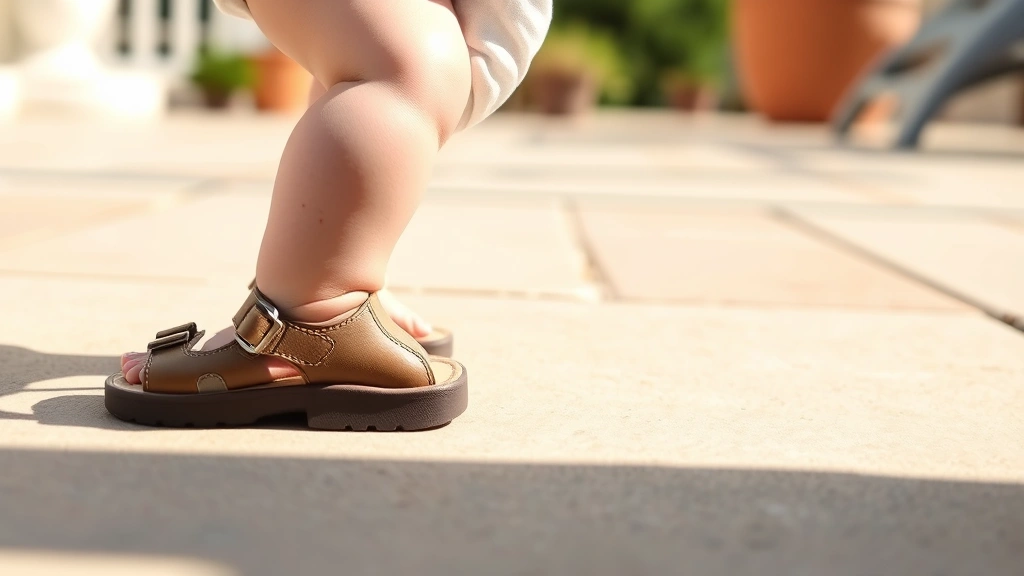
Beyond comfort and fit, safety should be your primary concern when selecting baby sandals. The CDC highlights that proper footwear is part of overall child safety and injury prevention.
Choking Hazards: Examine all components of the sandal to ensure nothing can detach and become a choking hazard. Check that straps are securely sewn, buckles are sturdy, and there are no small decorative elements that could come loose. Gently tug on all parts to test durability.
Traction and Slip Resistance: Baby sandals need adequate grip to prevent slipping, especially as your child is learning to walk. Look for sandals with textured soles or specific non-slip designs. This becomes even more critical if your baby will be wearing sandals near water or on smooth surfaces.
Toe Protection: While open-toe sandals look cute, they leave little toes vulnerable to injury. Closed-toe or partially enclosed sandals provide better protection from stubbed toes and impact injuries. This is particularly important for babies and toddlers who are still developing coordination and balance.
Strap Security: Make sure straps are positioned so they won’t rub or create pressure points during wear. Straps that cross the foot should be padded to prevent blisters. The heel strap should be secure enough to keep the sandal on during active play without being so tight it cuts off circulation.
Regular Inspection: As your baby wears sandals, periodically inspect them for signs of wear or damage. Check for loose stitching, worn soles, or straps that are coming apart. Replace sandals if they show significant wear, as damaged sandals can pose safety risks.
Style Options: From Casual to Dressy
Baby sandals come in a delightful range of styles to match different occasions and preferences. Understanding the options helps you choose sandals that work for your lifestyle.
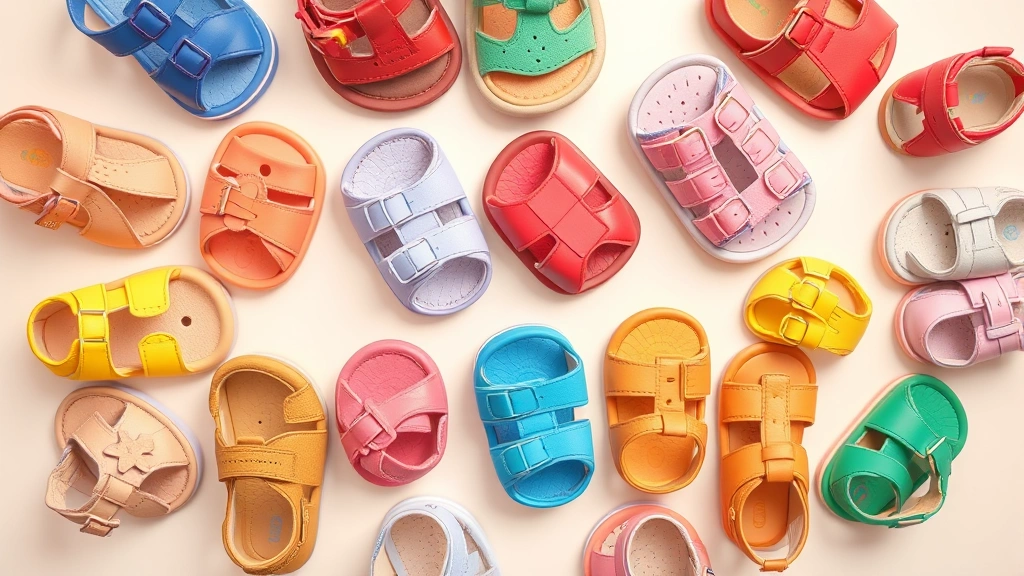
Casual Play Sandals: These are your everyday workhorses—durable, easy to clean, and designed for rough-and-tumble play. They’re typically made from synthetic or canvas materials and prioritize function over fashion. Perfect for backyard time, park visits, and casual outings. If you’re looking to coordinate with your baby’s overall look, you might also explore options in baby girl clothes or baby boy clothes that complement casual sandals.
Water Sandals: Designed for pool, beach, or water play, these sandals dry quickly and have excellent drainage. They’re often made from rubber or synthetic materials that resist water damage. The soles typically have excellent grip even when wet, which is essential for safety around water.
Dressy Sandals: For special occasions, you can find adorable dressy sandals with embellishments like bows, metallic accents, or delicate straps. These are usually reserved for shorter wear periods since they prioritize appearance over all-day comfort. Pair them with formal baby girl shoes alternatives or coordinate with your baby’s special occasion outfit.
Athletic-Inspired Sandals: Some brands offer sandals with athletic features like enhanced arch support and cushioning. These are great for active toddlers who spend long hours on their feet. They bridge the gap between casual comfort and performance features, making them versatile for various activities.
Minimalist Sandals: For parents who prefer a less-is-more approach, minimalist sandals with simple designs and minimal fastening systems are available. These work well for babies with sensory sensitivities or parents who prefer a streamlined aesthetic.
Seasonal and Activity-Based Choices
Your sandal selection should consider how and when your baby will wear them. Different seasons and activities call for different features.
Summer Sandals: During hot months, prioritize breathability and lightweight construction. Sandals with maximum ventilation help keep little feet cool and dry. Light colors reflect heat better than dark colors, which can help keep feet cooler in intense sun.
Beach and Water Play: Water sandals with drainage holes and quick-dry materials are essential for beach visits. Look for sandals with secure straps that won’t come off in the water and soles with excellent grip on wet sand and rocks. Some parents prefer sandals with protective toe caps for beach environments where shells or rocks could cause injury.
Travel Sandals: When traveling, you want sandals that are easy to put on and take off (especially at airport security), lightweight, and compact enough to pack without taking up much luggage space. Velcro closure systems are particularly convenient for travel with babies and toddlers.
Walking and Developmental Sandals: If your baby is just beginning to walk or if you’re concerned about their gait development, consider baby walking shoes or sandals with enhanced arch support and cushioning. These provide stability during this crucial developmental stage. Some pediatric podiatrists recommend sandals with specific support features for babies who are delayed walkers or showing signs of gait abnormalities.
Transition Seasons: Spring and fall can be tricky. You might need sandals that work well with lightweight socks or that can transition between indoor and outdoor wear. Closed-toe sandals work better during these seasons than fully open designs.
Consider also having multiple pairs of sandals in rotation. This allows one pair to dry completely if it gets wet, while another is in use. It also extends the life of each pair by distributing wear. Plus, having backup sandals means you’re never without clean footwear for your baby.
For comprehensive footwear solutions beyond sandals, you might explore baby boots for cooler weather or other specialized footwear options. Many parents appreciate having a diverse footwear wardrobe that addresses different seasonal needs and activities.
Frequently Asked Questions
At what age can babies start wearing sandals?
Babies typically don’t need shoes until they’re walking consistently, usually around 12-15 months. Before that, going barefoot (when safe and age-appropriate) is actually beneficial for developing balance and foot strength. Once your baby is an active walker, sandals become a practical option for outdoor play and warm weather. Always consult your pediatrician if you have concerns about your baby’s foot development.
How often should I replace my baby’s sandals?
Baby feet grow rapidly, so plan to replace sandals every 2-3 months during the first two years. However, this depends on individual growth rates and how frequently the sandals are worn. Check the fit monthly by measuring your baby’s feet. Replace sandals immediately if they show signs of damage or if your baby’s feet have outgrown them, as ill-fitting sandals can affect walking development and cause discomfort.
Are expensive baby sandals worth the investment?
Not necessarily. While premium leather sandals offer durability and breathability, quality sandals at mid-range price points often provide excellent value. What matters most is proper fit, secure fastening, and supportive construction rather than the price tag. Focus on features like flexibility, breathability, and secure straps rather than brand name or cost.
Can my baby wear sandals all day?
While sandals are fine for extended wear, babies benefit from going barefoot indoors to promote natural foot development and sensory input. Sandals are ideal for outdoor play, outings, and warm weather, but allowing barefoot time indoors supports healthy foot development. If your baby will be in sandals all day, make sure they’re comfortable and properly fitted to prevent blisters or pressure points.
What should I do if my baby’s feet smell bad in sandals?
Odor in baby sandals usually results from moisture buildup and bacterial growth. To prevent this, ensure sandals are breathable, allow feet to dry completely before putting sandals back on, and wash feet regularly. Clean sandals frequently—most can be hand-washed with mild soap and water. If odor persists, the sandals may not be breathable enough, and you might consider switching to a more ventilated style. According to Parents Magazine, proper foot hygiene and breathable footwear are key to preventing foot odor in young children.
How do I know if sandals are too tight?
Signs that sandals are too tight include red marks on the foot, your baby refusing to wear them, limping or walking differently, or visible swelling. Remember the one-finger rule: you should be able to fit one finger between the sandal and your baby’s foot. If you can’t, the sandals are too tight. Also check that there’s about a thumb’s width of space between your baby’s longest toe and the end of the sandal.
Are open-toe sandals safe for babies?
While adorable, fully open-toe sandals leave little toes vulnerable to injury. Closed-toe or partially enclosed sandals offer better protection from stubbed toes, dirt, and minor injuries. For babies under three years old, pediatricians typically recommend closed-toe or partially covered sandals. Open-toe designs work better for older toddlers who have developed better coordination and balance.
What’s the best way to clean baby sandals?
Most baby sandals can be hand-washed with mild soap and lukewarm water. Use a soft brush to remove dirt from crevices and between the sole and upper. Rinse thoroughly with clean water and allow to air dry completely before wearing. Avoid machine washing unless the manufacturer specifically allows it, as this can damage the sandal structure. Never put sandals in the dryer, as heat can warp the materials and loosen glues.
Should I buy sandals with arch support for my baby?
Babies’ feet are naturally flat, and this is completely normal. However, as they grow and spend more time on their feet, some arch support becomes beneficial. Look for sandals with moderate arch support rather than rigid supports. Flexible sandals that allow natural foot movement are better than overly structured designs. If you’re concerned about your baby’s foot development, consult a pediatric podiatrist.
Can my baby wear the same sandals year-round?
While some sandals can work year-round, seasonal variations are beneficial. Summer sandals prioritize breathability and ventilation, while cooler-weather sandals might work with socks or offer slightly more coverage. Having seasonal options ensures your baby stays comfortable regardless of weather. Additionally, rotating sandals extends their lifespan and ensures you always have clean, dry footwear available.