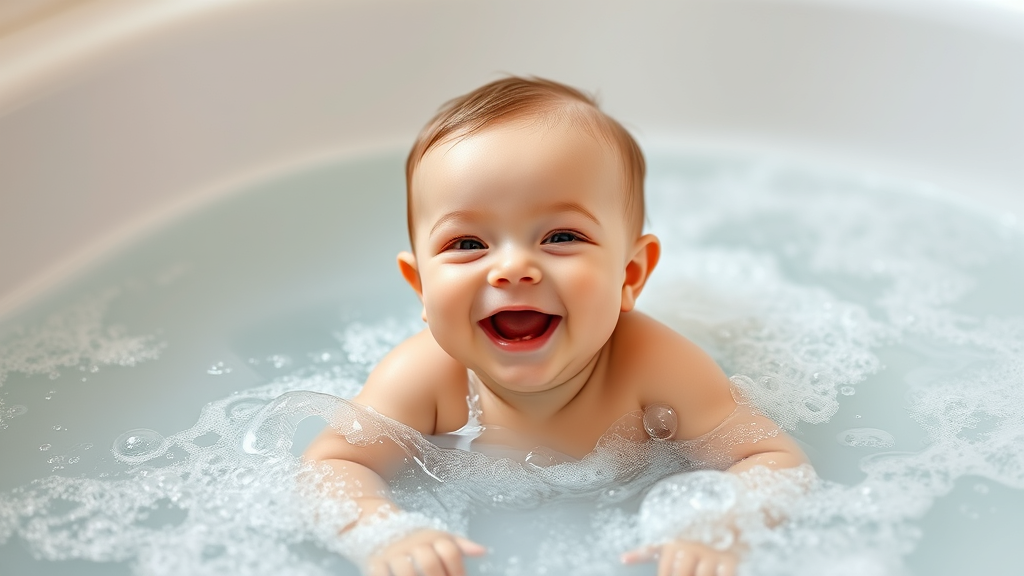
Bath time with your baby should be a peaceful, bonding experience filled with gentle splashes and sweet giggles. However, choosing the right baby shampoo can make all the difference between a happy, relaxed baby and tears of discomfort. Many parents struggle to find products that cleanse effectively while being gentle enough for their little one’s delicate skin and eyes.
The world of baby care products can be overwhelming, especially for new parents navigating countless options and conflicting advice. From tear-free formulas to organic ingredients, understanding what makes a truly gentle baby shampoo is crucial for creating positive bath time memories. The right product not only keeps your baby clean but also protects their sensitive scalp and maintains the natural moisture barrier of their developing skin.
Understanding Baby’s Delicate Skin and Hair
A baby’s skin is significantly thinner and more permeable than adult skin, making it approximately 40-60% more susceptible to irritation and absorption of chemicals. This delicate barrier requires special care and gentle products specifically formulated for their unique needs. According to the American Academy of Pediatrics, newborn skin continues developing for several months after birth, making gentle cleansing essential.
Baby hair is also distinctly different from adult hair – it’s finer, softer, and often lacks the natural oils that protect mature hair follicles. The scalp produces less sebum, which means less natural protection against harsh chemicals and environmental factors. This is why regular adult shampoos, even those labeled as “gentle,” can still be too harsh for babies and may cause dryness, irritation, or allergic reactions.
The pH level of baby skin is also more neutral compared to adults, typically ranging between 6.5-7.0, while adult skin is more acidic at around 5.5. Baby shampoos are specially formulated to match this neutral pH, helping maintain the skin’s natural protective barrier. Using products with the wrong pH can disrupt this balance and lead to increased sensitivity, dryness, or even infections.
Key Ingredients to Look For
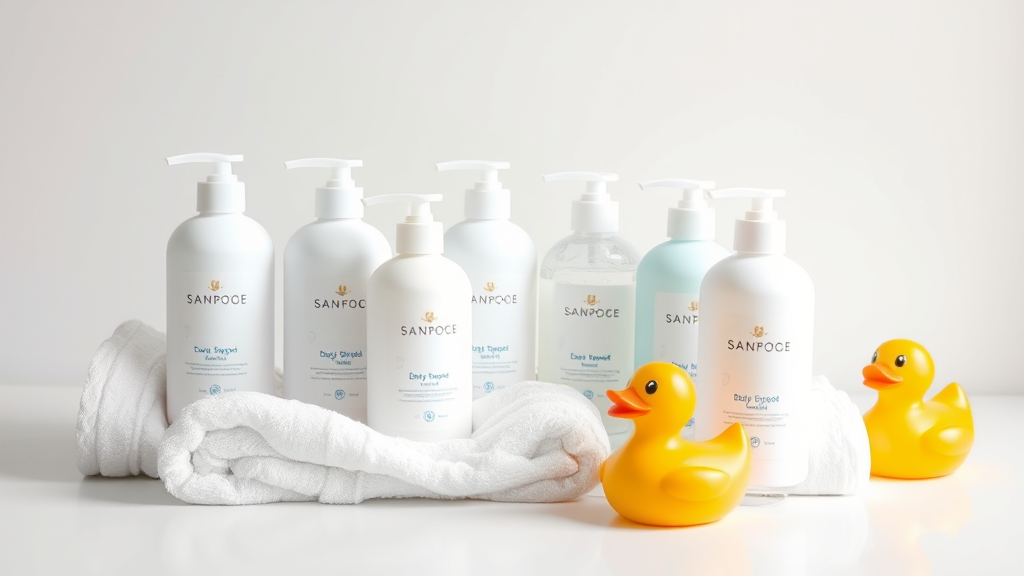
When selecting a gentle baby shampoo, focus on products containing mild, naturally-derived cleansing agents. Coconut-based surfactants like coco-glucoside and decyl glucoside are excellent choices as they provide effective cleansing without stripping natural oils. These ingredients are biodegradable and typically cause fewer allergic reactions than synthetic alternatives.
Look for moisturizing ingredients such as glycerin, chamomile extract, and aloe vera, which help maintain skin hydration during cleansing. Chamomile has natural anti-inflammatory properties that can soothe sensitive skin, while aloe vera provides gentle moisturizing benefits. These natural ingredients work together to cleanse while protecting your baby’s delicate skin barrier.
Calendula and oat extract are other beneficial ingredients frequently found in high-quality baby shampoos. Calendula has been used for centuries to treat sensitive skin conditions and provides natural antimicrobial properties. Colloidal oatmeal helps lock in moisture and has proven anti-inflammatory effects, making it particularly beneficial for babies with eczema or other skin sensitivities.
Tear-free formulas typically contain special pH-balanced ingredients that won’t sting if they accidentally get into your baby’s eyes. While no shampoo should intentionally contact the eyes, these formulations provide peace of mind during bath time. However, it’s important to note that “tear-free” doesn’t necessarily mean the product is more gentle overall – it specifically refers to eye irritation.
Ingredients to Avoid
Sulfates, particularly sodium lauryl sulfate (SLS) and sodium laureth sulfate (SLES), should be avoided in baby shampoos. These harsh detergents can strip natural oils, cause dryness, and potentially irritate sensitive skin. While effective at removing dirt and oil, they’re unnecessarily strong for babies who don’t have the same level of oil production as adults.
Artificial fragrances and dyes serve no cleansing purpose and are common allergens that can trigger reactions in sensitive babies. The FDA doesn’t require companies to disclose specific fragrance ingredients, making it difficult to identify potential irritants. Choose fragrance-free options or those scented with natural essential oils in very small concentrations.
Parabens (methylparaben, propylparaben, butylparaben) are preservatives that have raised concerns about hormone disruption, particularly in developing children. While research is ongoing, many parents prefer to avoid these ingredients as a precautionary measure. Fortunately, many effective natural preservatives are now available.
Formaldehyde-releasing agents like DMDM hydantoin and quaternium-15 should also be avoided. These preservatives can release small amounts of formaldehyde, a known irritant and potential carcinogen. Babies’ developing systems are more vulnerable to chemical exposure, making these ingredients particularly concerning for regular use.
Top Gentle Baby Shampoos Recommended by Moms
Johnson’s Baby Shampoo remains a popular choice among parents worldwide, trusted for its tear-free formula and gentle cleansing action. The classic formula has been recently reformulated to remove some controversial ingredients while maintaining its effectiveness. Many mothers appreciate its familiar scent and reliable performance, though some prefer more natural alternatives for daily use.
Mustela Gentle Shampoo stands out for its use of avocado perseose, a patented natural ingredient that helps protect and strengthen the skin barrier. This French brand is particularly favored by parents of babies with sensitive skin or eczema. The formula is biodegradable and free from parabens, phthalates, and phenoxyethanol, making it an excellent choice for environmentally conscious families.
Aveeno Baby Gentle Wash & Shampoo combines oat extract with a mild, soap-free formula that cleanses without over-drying. The brand’s dermatologist-tested products are often recommended by pediatricians for babies with sensitive skin. The tear-free formula makes bath time easier for both parents and babies, while the natural oat ingredients provide gentle moisturizing benefits.
Burt’s Bees Baby Shampoo & Wash offers a 99% natural formula featuring gentle coconut and sunflower oils. This pediatrician-tested option is free from sulfates, parabens, and artificial fragrances, making it ideal for parents seeking natural baby care products. The brand’s commitment to sustainability and natural ingredients has earned it a loyal following among environmentally conscious families.
Just like selecting the perfect baby blanket for comfort, choosing the right shampoo requires considering your baby’s individual needs and skin sensitivities. What works wonderfully for one baby may not be suitable for another, so it’s important to observe your baby’s skin response and adjust accordingly.
Proper Application and Bath Time Tips
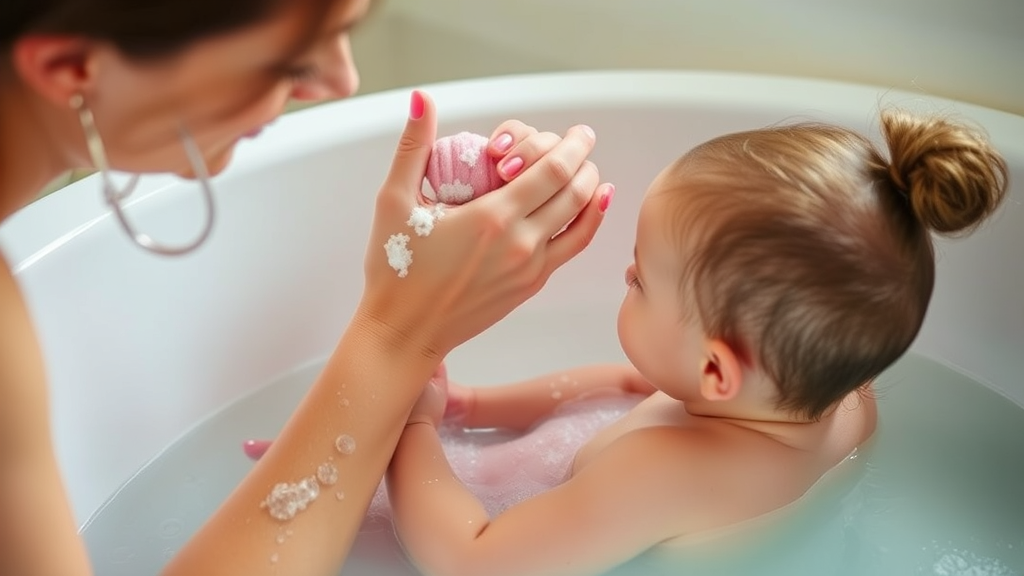
Start with lukewarm water at approximately 98-100°F (37-38°C) to ensure your baby’s comfort and safety. Test the water temperature with your elbow or a bath thermometer before placing your baby in the tub. The ideal bath duration for babies is 5-10 minutes to prevent skin from becoming overly dry or wrinkled.
Use only a small amount of baby shampoo – typically a dime-sized amount is sufficient for most babies. Gently massage the shampoo into your baby’s scalp using circular motions with your fingertips, avoiding the soft spots (fontanelles). Focus on areas where natural oils tend to accumulate, such as behind the ears and at the nape of the neck.
Rinse thoroughly with clean, lukewarm water, ensuring no soap residue remains on the scalp or in hair folds. Soap residue can cause irritation and itching, so take extra time to rinse completely. Use a soft washcloth or your cupped hand to pour water gently over your baby’s head, keeping their face tilted slightly upward to prevent water from running into their eyes.
Consider the frequency of shampooing based on your baby’s age and activity level. Newborns typically only need their hair washed 2-3 times per week, while older babies who are crawling or eating solid foods may benefit from more frequent washing. Over-washing can strip natural oils and cause dryness, so adjust the routine based on your baby’s individual needs.
Special Considerations for Sensitive Skin
Babies with eczema, cradle cap, or other skin conditions require extra gentle formulations and specialized care routines. Consult with your pediatrician about appropriate products and techniques for managing these conditions. According to Zero to Three, babies with sensitive skin may benefit from shorter, less frequent baths and immediate moisturizing after bathing.
Cradle cap, a common condition causing scaly patches on the baby’s scalp, may require gentle removal techniques before shampooing. Softly brush the scalp with a baby brush or soft-bristled toothbrush to loosen scales, then proceed with gentle shampooing. Some parents find that leaving a small amount of natural oil on the scalp before bath time helps soften stubborn scales.
For babies with extremely sensitive skin, consider doing patch tests before using new products. Apply a small amount of shampoo to a patch of skin (such as the inner arm) and wait 24 hours to check for any adverse reactions. This simple test can prevent widespread irritation and help identify products that work well for your baby’s unique skin type.
Environmental factors such as hard water can also affect how gentle shampoos perform. Hard water contains minerals that can make soap less effective and potentially more irritating. Consider using filtered water for baths or adding a water softener if you live in an area with particularly hard water. This consideration is as important as choosing appropriate baby boy clothes or baby girl clothes that won’t irritate sensitive skin.
Creating the Perfect Bath Time Routine
Establishing a consistent bath time routine helps create positive associations with bathing and can become a soothing part of your baby’s daily schedule. Choose a time when your baby is alert but not overtired, typically before feeding or bedtime. Consistency helps babies feel secure and can make the experience more enjoyable for everyone involved.
Prepare everything you need before starting the bath, including towels, gentle baby shampoo, washcloths, and any other bathing supplies. Having everything within reach prevents the need to leave your baby unattended and helps maintain a calm, organized atmosphere. Consider playing soft music or singing gentle songs to create a relaxing environment.
Post-bath care is just as important as the bathing process itself. Gently pat your baby dry with a soft towel, paying special attention to skin folds where moisture can accumulate. Apply a gentle, fragrance-free moisturizer while the skin is still slightly damp to lock in hydration. This routine becomes increasingly important as your baby grows and develops, much like following proper guidelines from your baby teeth chart for oral care.
Remember that bath time is an opportunity for bonding and development. Talk to your baby, describe what you’re doing, and respond to their cues. Some babies love bath time immediately, while others may need time to adjust. Be patient and flexible, adjusting your routine based on your baby’s preferences and developmental stage. New parents can find additional guidance in comprehensive parenting advice for new parents resources.
Frequently Asked Questions
How often should I wash my baby’s hair with shampoo?
For newborns and young babies, washing hair 2-3 times per week is typically sufficient. Babies don’t produce as much oil as adults, and over-washing can lead to dryness and irritation. As your baby becomes more active and starts eating solid foods (around 6 months), you may need to increase frequency to every other day or daily, depending on their activities and your pediatrician’s recommendations.
Can I use adult shampoo if it’s labeled as “gentle” or “sensitive”?
No, adult shampoos should not be used on babies, even if they’re labeled as gentle. Adult formulations are designed for mature skin and hair with different pH levels and oil production. Baby-specific shampoos are formulated to match babies’ neutral skin pH and provide appropriate gentleness for their developing skin barrier. When in doubt, consult with professionals during your research on how to choose a pediatrician for personalized advice.
What should I do if my baby gets shampoo in their eyes?
Even with tear-free formulas, immediately flush the eyes with clean, lukewarm water if shampoo contact occurs. Use a soft washcloth or cup to gently pour water over the affected eye, allowing it to flow away from the face. Most baby shampoos are designed to cause minimal irritation, but thorough rinsing is always important. If irritation persists or your baby shows signs of discomfort after rinsing, contact your pediatrician.
Are organic or natural baby shampoos always better?
While organic and natural ingredients can be gentler and safer for many babies, the terms “organic” and “natural” aren’t regulated in cosmetics, so it’s important to read ingredient lists carefully. Some natural ingredients can still cause allergic reactions in sensitive babies. The National Institute of Environmental Health Sciences recommends focusing on proven gentle ingredients rather than marketing terms alone.
How can I tell if a baby shampoo is causing irritation?
Signs of shampoo irritation include redness, unusual dryness, flaking, bumps, or persistent itching on the scalp or skin that came into contact with the product. Your baby may also seem more fussy during or after bath time. If you notice any of these symptoms, discontinue use immediately and switch to a different, more gentle formula. Consult your pediatrician if symptoms persist or worsen.
Is it necessary to buy expensive baby shampoo brands?
Price doesn’t always indicate quality when it comes to baby shampoos. Many affordable options contain gentle, effective ingredients that work well for most babies. Focus on reading ingredient lists and choosing products free from harsh chemicals rather than relying on price as an indicator of gentleness. Some drugstore brands perform just as well as premium options, while some expensive products may contain unnecessary additives.
Can I make homemade baby shampoo?
While some parents choose to make homemade baby care products, it’s generally not recommended for shampoos due to the complexity of creating properly balanced, safe formulations. Homemade versions may lack appropriate preservation, have incorrect pH levels, or contain ingredients that seem natural but can actually be irritating. Commercial baby shampoos undergo extensive testing for safety and efficacy that’s difficult to replicate at home.