Are Baby Shark Toys Worth It? An Expert Breakdown for Smart Parents
If you’ve got a toddler in your home, you’ve probably heard the unmistakable earworm: “Doo doo doo doo doo doo.” Baby Shark has become a cultural phenomenon that transcends generational boundaries, and with that popularity comes an explosion of merchandise. But here’s the real question parents are asking: Is dropping money on Baby Shark toys actually worth your hard-earned cash, or are you just feeding into marketing hype?
The answer, like most parenting decisions, isn’t black and white. Between the singing plushies, interactive playsets, and collectible figures, Baby Shark toys range from genuinely educational tools to expensive novelties that’ll be forgotten in three months. We’re breaking down what you actually need to know before you hit that “add to cart” button.
Let’s be honest—your child probably already loves Baby Shark. Whether that love translates into toy purchases worth making is what we’re here to explore.
The Baby Shark Phenomenon: Why Kids Are Obsessed
Baby Shark didn’t become a global sensation by accident. The song, created by Pinkfong in 2016, taps into something primal about how young children learn and engage with the world. It features repetitive lyrics, a catchy melody, and simple dance moves that toddlers can actually execute—a winning combination for the under-five crowd.
From a developmental perspective, the American Academy of Pediatrics notes that repetition helps children develop language skills and memory. Baby Shark’s repetition isn’t annoying by accident; it’s actually pedagogically sound. That doesn’t mean you need to buy every toy version of it, but understanding why your child gravitates toward it helps you make smarter purchasing decisions.
The toy industry has capitalized on this obsession brilliantly. When a child becomes emotionally attached to a character or song, parents often feel compelled to extend that experience through physical toys. It’s not manipulation exactly, but it’s certainly strategic marketing aimed at the parental wallet.
Types of Baby Shark Toys on the Market
The Baby Shark toy ecosystem is vast and surprisingly varied. Understanding what’s actually out there helps you distinguish between genuinely useful toys and expensive clutter.
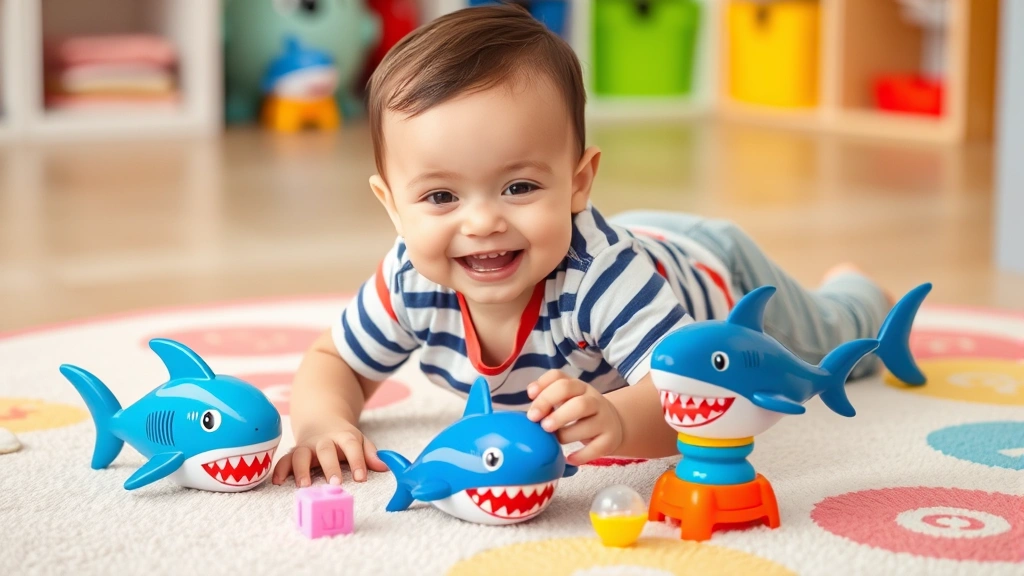
Plush Toys and Stuffed Animals: These are the bread and butter of Baby Shark merchandise. Ranging from small keychain versions to full-sized huggable companions, plush toys offer comfort and imaginative play potential. They’re relatively affordable (typically $10-30) and require no batteries, which means no mysterious beeping at 3 AM.
Interactive and Musical Toys: These are where Baby Shark toys get pricey. Singing plushies, dancing figures, and interactive playsets can run $30-80. They feature lights, sounds, and sometimes water effects. They’re undeniably engaging, but they also demand batteries and shelf space.
Bath Toys: Rubber duckies and foam toys shaped like Baby Shark characters turn bath time into themed play. These typically cost $5-15 and have the practical benefit of making water time more appealing to resistant bathers.
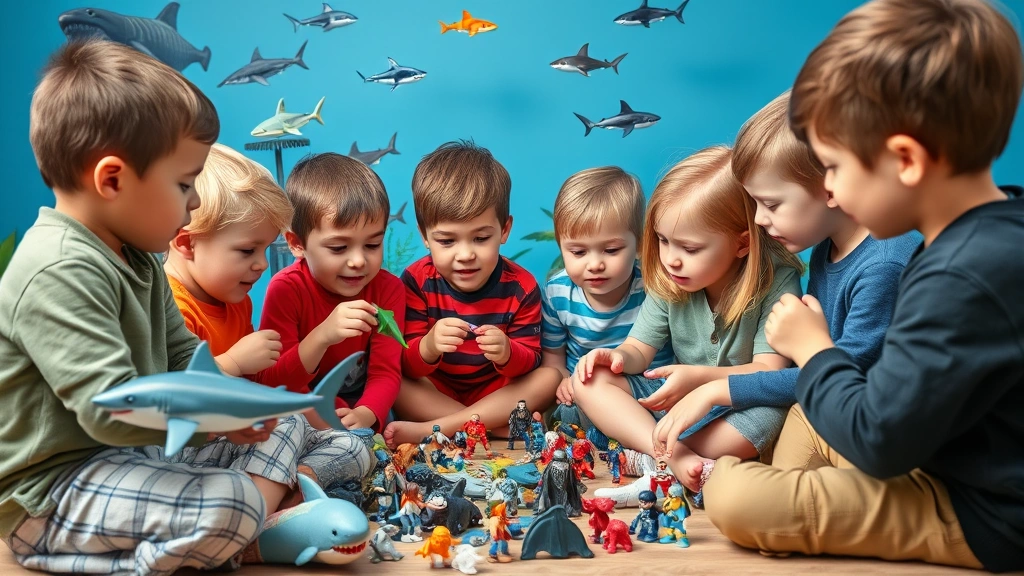
Playsets and Figurine Collections: Multi-piece sets featuring various shark family members encourage imaginative play scenarios. Prices vary wildly from $20 for basic sets to $60+ for elaborate playsets. If your child loves collecting and creating stories, these might justify the investment.
Clothing and Accessories: Beyond just toys, you’ll find Baby Shark-themed pajamas, t-shirts, and backpacks. While not toys per se, they’re part of the merchandise ecosystem. Interestingly, you might find similar engagement value in quality baby boy clothes or baby girl clothes without the character markup.
Developmental Benefits: Do They Actually Learn?
This is where we separate marketing from actual child development. The real question: do Baby Shark toys contribute meaningfully to your child’s growth, or are they just entertaining?
Language Development: Toys that play the Baby Shark song do reinforce language learning through repetition and melody. However, you don’t need a $50 interactive playhouse for this benefit—a simple plush toy or even free YouTube access accomplishes the same goal. The song itself is the teacher; the toy is just a delivery mechanism.
Motor Skill Development: Dance-along toys and figurines that encourage movement can support gross motor development. If your child engages with these toys actively rather than passively watching them perform, there’s genuine developmental value. But again, the same benefit comes from dancing along to the free video or doing the motions with you.
Imaginative Play: Figurine sets and playsets genuinely do encourage pretend play, which is crucial for cognitive development. Zero to Three emphasizes that imaginative play builds problem-solving skills and emotional intelligence. If your child creates stories and scenarios with Baby Shark toys, that’s legitimately valuable.
Social Play: Themed toys can facilitate peer interaction when children play together. Shared enthusiasm for Baby Shark creates common ground, which can be particularly helpful for shy children entering new social situations.
The honest assessment: Baby Shark toys can support development, but they’re not superior to non-branded alternatives. A generic shark toy accomplishes the same developmental goals at a fraction of the cost. The brand adds emotional resonance for your child, not enhanced learning capacity.
Quality and Safety Considerations
Not all Baby Shark toys are created equal, and quality varies significantly across price points and manufacturers.
Safety Standards: Legitimate Baby Shark toys from reputable manufacturers meet safety standards, but knockoffs sometimes don’t. Look for toys that carry CPSIA (Consumer Product Safety Improvement Act) compliance labels. Check reviews specifically mentioning durability and construction quality—some cheaper versions have parts that detach easily, creating choking hazards.
Battery Safety: Interactive toys require batteries. Ensure battery compartments are secure and require tools to open. The Consumer Product Safety Commission provides resources on battery-related toy hazards. Button batteries in particular pose serious risks if swallowed.
Material Quality: Higher-priced toys generally use better materials that withstand repeated washing, chewing, and enthusiastic play. Cheaper plush toys sometimes shed fibers or have weak stitching. For toys your child will actually use daily, investing in better quality saves money long-term.
Manufacturer Reputation: Established toy companies like Hasbro, Spin Master, and WowWee maintain quality standards. Generic knockoffs from unknown manufacturers often cut corners on safety and durability.
Cost-Benefit Analysis for Different Age Groups
Whether Baby Shark toys are worth buying depends significantly on your child’s age and developmental stage.
Ages 1-2 (Infants and Young Toddlers): At this age, your child probably loves the song but won’t engage meaningfully with complex toys. A simple plush toy ($10-15) offers comfort and the emotional connection to the character they love. Interactive toys are overkill—they’ll be more interested in chewing and throwing toys anyway. Skip the expensive playsets entirely.
Ages 2-4 (Peak Baby Shark Enthusiasm): This is the sweet spot for Baby Shark toy engagement. Your child has the motor skills for interactive play and the imagination for storytelling. A mid-range investment makes sense here: perhaps one quality plush toy ($15-20) and one playset ($25-40) if your child shows sustained interest. This age group will actually use and enjoy these toys regularly.
Ages 4+: Interest typically starts waning as children discover new interests. Unless your child is intensely devoted, expensive toys feel like a waste. A simple plush toy for nostalgia might be nice, but elaborate playsets rarely hold attention at this age.
The Real-World Consideration: Many parents buy Baby Shark toys impulsively as gifts, only to watch them sit unused. The cost-benefit only works if your child will actually engage with the toy regularly. One quality toy that gets daily use beats five cheaper toys gathering dust.
Smart Shopping Strategies
If you’ve decided Baby Shark toys are worth buying, here’s how to shop smartly and avoid buyer’s remorse.
Start Small: Begin with a basic plush toy before investing in expensive interactive versions. This tests your child’s sustained interest without major financial commitment. Many parents discover their kids lose interest after a few weeks—better to learn that lesson with a $15 toy than a $60 one.
Compare Price Points: The same Baby Shark toy often sells at wildly different prices across retailers. Check Amazon, Target, Walmart, and specialty toy stores. Sometimes waiting for sales saves 30-40% off retail prices.
Check for Bundled Deals: Sometimes buying a playset is cheaper per-piece than buying individual figurines separately. Calculate the per-toy cost to identify real value.
Read Recent Reviews: Focus on reviews from the past few months—toy quality can change with manufacturing batches. Look specifically for comments about durability and whether batteries are included.
Consider Gift-Giving Timing: Baby Shark merchandise often goes on sale after holidays when stores clear inventory. If you’re not in a rush, waiting for post-Christmas or post-birthday sales can save significant money.
Explore Free Alternatives First: Before buying, check if your library has Baby Shark books or DVDs. Many libraries offer free baby stuff including character-themed materials. This might satisfy your child’s interest without any purchase.
Alternatives Worth Considering
If you want to capitalize on your child’s Baby Shark enthusiasm without buying branded toys, consider these alternatives.
Educational Media: Quality children’s programming featuring similar characters or themes teaches the same lessons. Common Sense Media helps parents identify age-appropriate, educational content that rivals branded toys for developmental value.
DIY and Craft Activities: Create Baby Shark crafts together. Make paper puppets, paint shark figurines, or create an ocean sensory bin. These activities offer more developmental benefit than passive toy play and cost minimal money.
Experience Gifts: Instead of toys, consider experiences tied to your child’s interests. An aquarium visit, a swimming lesson, or a trip to the beach connects to the shark theme while creating memories and real-world learning.
Quality Storytelling: Invest in a good baby book featuring sharks or ocean themes. Reading together offers more developmental benefit than toy play and creates bonding time. Books provide repeated enjoyment over years, making them excellent value.
Generic Alternatives: Regular shark toys, ocean-themed playsets, or water play toys accomplish the same developmental goals without the character markup. Your child doesn’t need a branded Baby Shark toy to develop imagination and motor skills.
Doll Alternatives: If you’re considering interactive toys, explore options like baby alive doll alternatives that offer different play scenarios and potentially longer engagement windows as your child grows.
Frequently Asked Questions
Are Baby Shark toys safe for babies under 3 years old?
Safety depends on the specific toy. Soft plush toys without small detachable parts are generally safe for babies over 6 months. Interactive toys with button batteries pose choking hazards for children under 3. Always check age recommendations, ensure battery compartments are secure, and remove any small parts. When in doubt, stick with simple plush toys for younger children and save complex toys for older toddlers.
How long will my child actually play with Baby Shark toys?
This varies enormously by child. Some kids have fleeting interests lasting weeks; others remain devoted for months or years. The best predictor is whether your child already shows sustained engagement with the character through videos or songs. If they’ve been singing and dancing to Baby Shark for several months, a toy investment is more justified. If it’s a new fascination, wait a few weeks to see if interest sticks.
What’s the best Baby Shark toy for the money?
Quality plush toys from established manufacturers offer the best value for most children. They’re affordable ($15-25), durable, safe, and provide genuine comfort and play value. Interactive toys look impressive but often see less sustained play. If your child loves imaginative play, a mid-range playset ($30-40) with multiple figures offers more engagement than a single expensive interactive toy.
Should I buy Baby Shark toys as gifts for other people’s children?
Proceed with caution. Unless you know the child is intensely interested in Baby Shark and the parents approve, generic toys or experiences are safer gifts. Some parents actively avoid character merchandise. If you do buy Baby Shark toys as gifts, stick with smaller items ($10-20) and include a gift receipt.
Are Baby Shark toys a good investment for resale?
Generally no. Character toys depreciate quickly, especially once a trend fades. Unless you’re buying rare or limited-edition versions, expect to recoup maybe 20-30% of your purchase price when reselling. Buy Baby Shark toys for your child’s enjoyment, not as an investment.
How do Baby Shark toys compare to other character toys like Bluey or Paw Patrol?
The comparison is fair—all three are character-driven toy lines. Baby Shark toys tend to be simpler and less expensive than Paw Patrol playsets but offer similar engagement value. Bluey toys are often higher quality and encourage more sophisticated imaginative play, justifying higher price points. Choose based on your child’s actual interests rather than comparing brands.