What Are Baby Sheep Called? A Quick Guide for Curious Families
If you’ve ever watched a nature documentary with your kids or visited a petting zoo, you’ve probably heard someone refer to a baby sheep, but do you actually know what they’re called? It’s one of those delightful animal facts that tends to surprise people—the answer is simpler than you’d think, yet there’s so much more to learn about these adorable woolly creatures. Whether you’re helping your child with homework, planning a farm visit, or just satisfying your own curiosity, understanding animal terminology can be a fun bonding experience for the whole family.
Teaching children about animals and their offspring is more than just trivia—it’s a gateway to understanding the natural world and building empathy for living creatures. When kids learn that baby sheep are called lambs, they’re beginning a journey of discovery that can spark lifelong interests in zoology, agriculture, or environmental conservation. Plus, these little facts make excellent conversation starters at family dinners or during educational outings.
In this guide, we’ll explore everything you need to know about baby sheep, from their official name to fascinating facts about their development, behavior, and care. We’ll also touch on how this knowledge fits into broader animal education and why it matters for your family’s learning journey.
What Are Baby Sheep Actually Called?
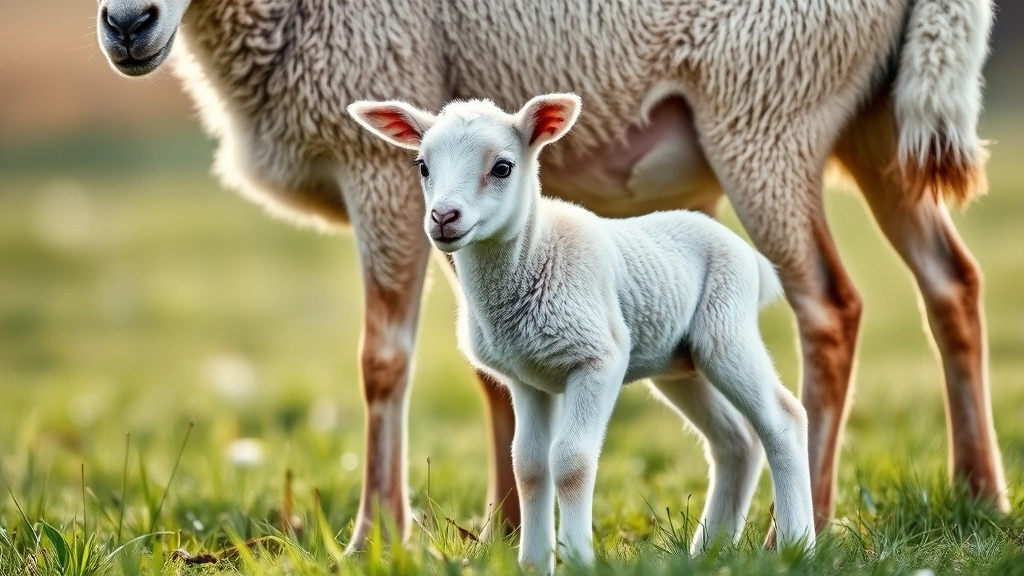
The answer to this question is straightforward: a baby sheep is called a lamb. It’s one of those wonderfully simple animal names that’s been used for centuries across English-speaking cultures. The term “lamb” applies to young sheep from birth until they reach approximately one year of age, after which they’re typically referred to as yearlings or, if female, as ewe lambs, and if male, as ram lambs.
What makes this terminology interesting is how it’s used in different contexts. In agricultural settings, farmers might specify further by noting whether a lamb is a “single” (born alone), a “twin,” or even a “triplet” or higher multiple birth. This distinction matters because lambs born as multiples often require different care and nutrition strategies than those born alone. Understanding these nuances can help families appreciate the complexity of farm management, even if you’re just learning about it casually.
The word “lamb” itself has Old English roots and has remained virtually unchanged for over a thousand years, which speaks to how fundamental this animal has been to human civilization. It’s the same term used in literature, nursery rhymes, and religious texts, making it a word that carries cultural weight alongside its straightforward definition.
The Terminology: Ewes, Rams, and Lambs
To fully understand the sheep family structure, it helps to know the complete terminology. Beyond lambs, there are specific terms for adult sheep based on their sex and reproductive status. A female sheep is called an ewe, while a male sheep is called a ram. A castrated male sheep is called a wether. These distinctions are important in agricultural contexts because they determine the sheep’s role in the flock and its care requirements.
When a lamb is born, its sex doesn’t change its name—it’s still a lamb regardless of whether it will grow into an ewe or a ram. However, once it reaches maturity (typically around 6-12 months depending on the breed), it graduates from the “lamb” category. Female lambs become ewes, males become rams (unless they’re castrated for meat or behavioral purposes, in which case they become wethers), and this terminology reflects their new status in the flock hierarchy.
This naming system extends to other farm animals too. If you’re curious about baby cow terminology or want to compare it with baby elephant names, you’ll find that each species has its own specific vocabulary. Understanding these differences helps children develop a more sophisticated grasp of animal biology and agricultural practices.
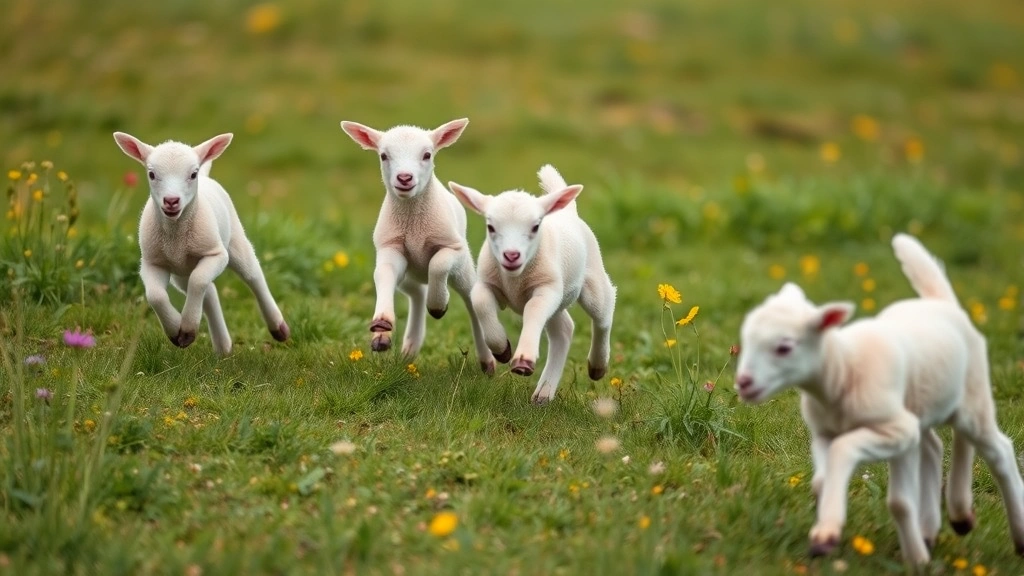
Interestingly, the collective noun for a group of sheep is a “flock,” and when lambs are born in spring (the typical lambing season in most regions), the flock becomes particularly lively and entertaining. Watching lambs play and interact with their mothers is one of the joys of visiting farms or rural areas during springtime.
How Long Are Baby Sheep Dependent on Their Mothers?
Baby lambs are remarkably independent creatures compared to many other farm animals, yet they still require significant maternal care during their early weeks. Most lambs are nursing and dependent on their mothers for approximately 8-16 weeks, though this can vary based on breed, individual circumstances, and farming practices. During this period, the ewe provides crucial antibodies through her milk that help protect the lamb from disease and infection.
In the first few days of life, lambs receive colostrum—a nutrient-dense, antibody-rich milk that’s absolutely essential for their survival and immune system development. This is why early bonding between mother and lamb is so critical. Within hours of birth, a healthy lamb will typically stand and nurse for the first time, and this early feeding is vital for establishing the mother-lamb bond and ensuring the lamb’s survival.
By around 3-4 weeks of age, lambs begin to nibble on grass and other vegetation, starting the weaning process naturally. However, they’ll continue to nurse alongside their grazing activities until they’re fully weaned. The exact timing of weaning depends on various factors, including the lamb’s growth rate, the ewe’s milk production, and the farmer’s management practices. Some lambs are weaned as early as 6-8 weeks, while others may continue nursing longer.
Understanding these timelines helps parents explain to children why young animals need their mothers and why separation happens at particular ages. It’s a natural teaching moment about life cycles and the bonds between parents and offspring across species.
Development Stages and Milestones
Baby lambs experience rapid development during their first year of life, with distinct milestones that mark their progression toward maturity. These developmental stages are fascinating to observe and offer excellent teaching opportunities for children interested in animal biology.
- Birth to 24 hours: Lambs are born wet and vulnerable. They quickly dry off, stand on wobbly legs, and seek their mother’s milk. Farmers often monitor this critical period closely to ensure successful bonding and first nursing.
- 1-7 days: Lambs become more coordinated and begin exploring their immediate surroundings. They develop their bleating voice, which serves as a communication tool between lamb and ewe. The umbilical cord dries and falls off, and farmers typically dock tails and perform other husbandry tasks during this period.
- 1-4 weeks: Lambs become increasingly playful and curious. They start to interact with other lambs, engaging in play behaviors that strengthen their muscles and develop their social skills. They begin sampling vegetation but still rely primarily on mother’s milk.
- 1-3 months: This is the most adorable stage for observers—lambs are fully mobile, highly playful, and developing distinct personalities. They spend significant time grazing while still nursing, and they establish social hierarchies within the lamb group.
- 3-12 months: Lambs continue growing rapidly and are typically weaned by this point. They’re now called yearlings and are developing the body shape and wool characteristics they’ll maintain into adulthood.
These milestones aren’t just interesting facts—they’re windows into understanding how all mammals, including humans, develop and mature. Children can draw parallels between lamb development and their own growth, making the learning experience more personal and memorable.
Interesting Facts About Lambs
Beyond the basic terminology, there are numerous fascinating facts about baby sheep that can captivate curious minds and deepen appreciation for these creatures:
Lambs Can Recognize Their Mothers by Sound: Within hours of birth, lambs learn to recognize their mother’s specific bleat. This acoustic recognition is so precise that ewes can identify their own lambs among dozens of others in a crowded flock. It’s a remarkable example of how animals develop communication systems as sophisticated as human language in many ways.
They’re Born With Long Tails: While adult sheep often have docked (shortened) tails for health and hygiene reasons, lambs are born with full-length tails. The docking process typically occurs within the first few weeks of life, though this practice is increasingly questioned by animal welfare advocates.
Lambs Are Social Learners: Baby lambs learn crucial survival skills by observing their mothers and other flock members. They learn what’s safe to eat, where to find shelter, and how to navigate their environment through observation and imitation. This social learning is a key factor in their successful development.
For families interested in expanding their animal knowledge, you might also explore facts about baby beaver behavior and development, which offers interesting contrasts in how different species raise their young.
Lambs Play Intensely: Baby lambs engage in vigorous play behavior that includes running, jumping, and mock fighting with other lambs. This isn’t just for fun—it’s essential for developing muscle strength, coordination, and social bonds with their peers. Watching lambs play is genuinely one of nature’s most entertaining spectacles.
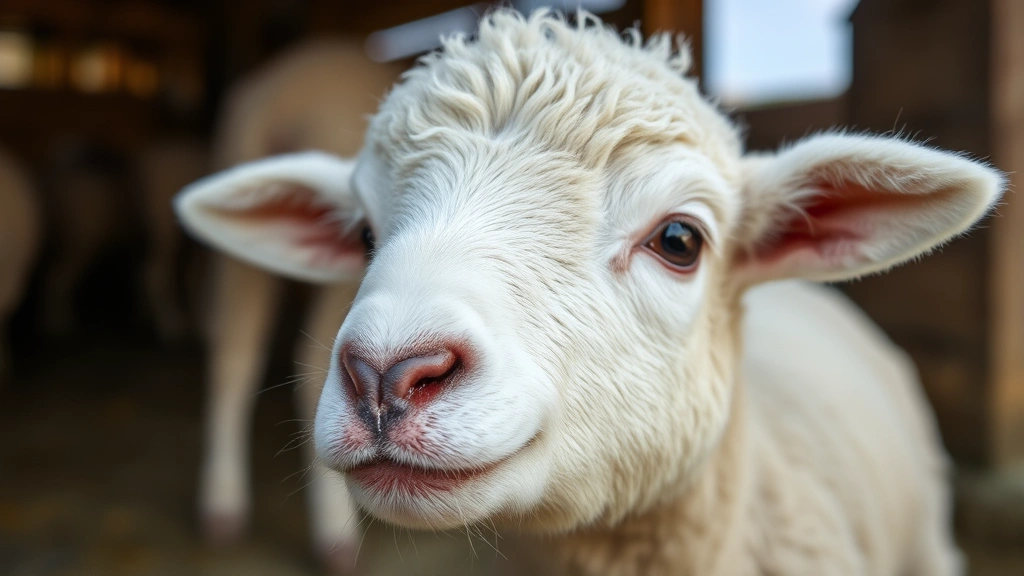
They’re Born With Eyes Open: Unlike many mammals, lambs are born with their eyes already open and are able to see their surroundings immediately. This precocial development allows them to quickly locate their mother and begin nursing, which is crucial for their survival in pastoral environments.
Comparing Baby Sheep to Other Farm Animals
Understanding how baby sheep compare to other farm animals helps build a more comprehensive knowledge of agricultural life and animal biology. Each species has unique characteristics that reflect their evolutionary adaptations and roles in farming systems.
When you compare a baby sheep to a baby cow, you’ll notice some interesting differences. Calves are born larger and more developed than lambs, and they can walk and nurse within hours just like lambs. However, calves have a longer dependency period and take much longer to reach maturity. Lambs reach reproductive maturity much faster than calves, typically within their first year, while cattle require several years to mature.
The comparison becomes even more interesting when you consider exotic animals. A baby elephant, for instance, is born after a nearly two-year gestation period and is vastly larger and more cognitively advanced than a lamb at birth. Yet both species rely on strong maternal bonds and social learning to survive and thrive in their respective environments.
Other farm animals like baby beaver (though not typically farm animals) demonstrate how diverse the animal kingdom is in terms of development strategies, gestation periods, and parental care patterns. These comparisons enrich our understanding of how evolution has shaped different species to survive in their particular niches.
Understanding these differences helps children appreciate the diversity of life and the specialized adaptations that allow different species to thrive. It’s a foundation for more advanced studies in biology and ecology.
Teaching Kids About Lambs and Farm Life
If you want to help your children learn more about baby sheep and farm life in general, there are numerous engaging approaches you can take:
Visit a Farm or Petting Zoo: Nothing beats hands-on experience. During spring lambing season, many farms offer visitors the chance to see newborn lambs and learn directly from farmers about sheep care and development. This direct interaction creates lasting memories and genuine understanding that can’t be replicated through passive learning.
Read Educational Books: There’s a wonderful world of baby books that feature lambs and farm animals. These range from simple picture books for toddlers to more detailed educational texts for older children. Stories featuring characters like Shaun the Sheep or books about farm life can make learning entertaining and accessible.
Watch Documentaries: Quality nature documentaries about sheep and farming practices can provide visual learning experiences that bring the concepts to life. Many streaming services offer excellent educational content suitable for various age groups.
Create Farm-Themed Activities: Consider hosting a farm-themed activity day at home or planning a baby shower decorations event with a pastoral theme if you’re expecting a new baby in the family. These themed activities can spark interest and make learning fun and memorable.
Explore Agricultural Science: For older children, diving deeper into the science of animal husbandry, genetics, and farm management can be fascinating. Understanding why farmers make certain breeding decisions or management choices helps children develop critical thinking skills and appreciate the complexity of food production.
According to the American Academy of Pediatrics, hands-on learning experiences like farm visits provide valuable developmental benefits for children, including sensory stimulation, social learning, and connection to nature.
Frequently Asked Questions
What do you call a baby sheep?
A baby sheep is called a lamb. This term applies from birth until approximately one year of age. After that, the young sheep is typically called a yearling or, depending on sex, a ewe lamb (female) or ram lamb (male).
At what age is a lamb no longer called a lamb?
A lamb transitions to being called a yearling or an adult sheep (ewe or ram) at approximately 12 months of age. However, the exact transition can vary slightly depending on the breed and individual growth rate. In some agricultural contexts, sheep continue to be referred to as “lambs” until they’ve had their first offspring.
How do lambs communicate with their mothers?
Lambs communicate with their mothers primarily through bleating, a vocalization that’s unique to each individual lamb-ewe pair. Ewes can recognize their lambs’ specific bleats within hours of birth, and this acoustic signature remains recognizable throughout the lamb’s life. This remarkable ability ensures that mothers can locate their offspring in crowded flock situations.
Do all baby sheep look the same?
No, baby sheep vary considerably depending on their breed. Different sheep breeds produce lambs with different wool colors, body shapes, and sizes. Some breeds produce lambs with distinctive markings, while others are solid-colored. These variations reflect both breed characteristics and genetic diversity within sheep populations.
Can lambs survive without their mothers?
While lambs are biologically dependent on their mothers for nutrition and protection during their early weeks, they can be hand-reared if necessary. Farmers sometimes bottle-feed orphaned lambs or lambs whose mothers can’t nurse them, using specially formulated lamb milk replacer. However, these lambs may miss out on some of the social and behavioral learning that comes from maternal interaction.
When do lambs start eating grass?
Lambs typically begin nibbling grass and other vegetation at around 3-4 weeks of age, though they continue nursing alongside their grazing. This gradual transition to solid food is a natural weaning process. By 8-12 weeks, most lambs are eating primarily grass and hay while still nursing, and by 12-16 weeks, they’re usually fully weaned and eating only plant-based foods.
How much do newborn lambs weigh?
Newborn lambs typically weigh between 5-8 pounds (2.3-3.6 kilograms), though this varies by breed. Larger breeds produce heavier lambs, while smaller breeds produce lighter ones. Lambs grow rapidly during their first weeks, often doubling their birth weight within the first two weeks of life.
Are lambs born in spring only?
While spring is the traditional lambing season in most temperate regions, modern farming practices allow for lambing at various times of year depending on breeding schedules and market demands. However, spring remains the most natural and common time for lambs to be born, as it aligns with optimal grazing conditions and weather patterns for successful lamb survival.