Baby Shoes: What Pediatricians Recommend
When your little one starts showing signs of mobility—whether that’s rolling, crawling, or those first wobbly steps—the question of baby shoes inevitably arises. Parents often wonder whether their babies need shoes at all, and if so, what type is best. The truth is that pediatricians have surprisingly consistent guidance on this topic, and much of it might surprise you. While it’s tempting to outfit your baby in adorable footwear, the science behind foot development tells a different story.
Understanding what experts recommend about baby shoes goes beyond just aesthetics or tradition. Your baby’s feet are still developing, with bones that are largely cartilage rather than hardened bone. This developmental stage is crucial, and the choices you make now can have lasting impacts on foot health, balance, and motor skill development. Let’s explore what the evidence shows and how to make informed decisions about your baby’s footwear.
Quick Navigation
Why Barefoot is Often Better for Development
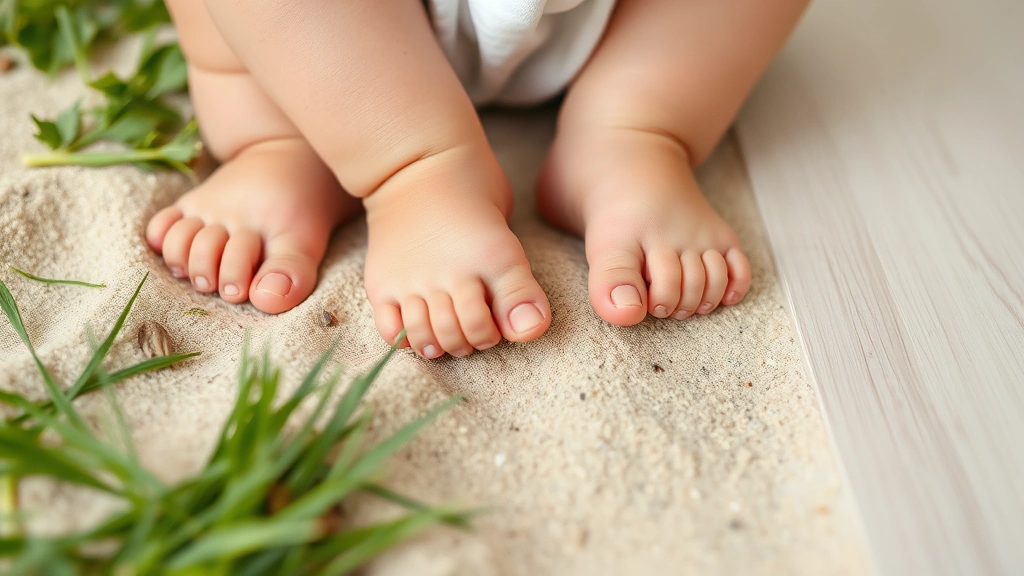
One of the most important findings from pediatric research is that babies develop better balance, coordination, and sensory awareness when their feet are bare or minimally covered. When your baby’s feet are exposed to different textures and environments, they’re receiving valuable sensory input that helps their brain map their body in space. This proprioceptive feedback is essential for motor development.
According to the American Academy of Pediatrics, infants and toddlers benefit from going barefoot whenever it’s safe to do so. The pressure sensors in their feet send important signals to their developing nervous system, helping them understand balance and movement. When feet are confined in shoes, especially rigid ones, this sensory communication is muted.
The bones in your baby’s feet don’t fully ossify (harden into bone) until around age 18 to 21. Until then, they’re composed mostly of cartilage, which is more flexible and susceptible to pressure. Tight or restrictive shoes can actually deform developing feet, potentially leading to issues later in childhood. This is why comprehensive parenting advice from experts emphasizes foot freedom during these critical years.
Research from pediatric orthopedic specialists shows that children who spend more time barefoot during infancy and early toddlerhood tend to have stronger arches, better ankle stability, and fewer foot problems by school age. The natural movements babies make when barefoot—spreading their toes, gripping the ground, adjusting their stance—all contribute to healthy muscular and skeletal development.
When Your Baby Actually Needs Shoes
While barefoot is ideal in many situations, there are absolutely times when shoes are necessary and appropriate. Understanding these situations helps you make the best choices for your baby’s safety and development.
Outdoor Protection: Once your baby is crawling or walking outdoors, shoes become important for protection. Sharp objects, hot pavement, cold ground, and rough surfaces all warrant footwear. In these cases, choose soft-soled shoes that still allow natural foot movement and sensory input.
Temperature Regulation: Babies lose heat through their feet, so in cold weather, keeping feet covered helps maintain body temperature. Soft booties or socks work well for very young babies, while properly fitting shoes suit older toddlers.
Social and Cultural Settings: Certain occasions—religious ceremonies, formal family events, or cultural traditions—may call for shoes. These are fine for short periods, though you’ll want to remove them as soon as possible to return to barefoot time.
Crawling Readiness: Some parents choose soft shoes once their baby begins crawling, though this isn’t medically necessary. If you do use them, ensure they’re genuinely soft and flexible, not rigid.
When shoes are needed, look for options that mimic barefoot conditions as closely as possible. This is where understanding baby boy clothes and baby girl clothes accessories becomes important—finding pieces that support development while meeting practical needs.
Choosing the Right Baby Shoes When Needed
If your baby needs shoes, pediatricians recommend following specific guidelines to ensure they support healthy development rather than hinder it.
Flexibility is Paramount: The shoe should bend easily at the ball of the foot, mimicking the natural flex of a barefoot stride. Rigid shoes restrict the natural rolling motion of walking and can actually interfere with learning proper gait patterns.
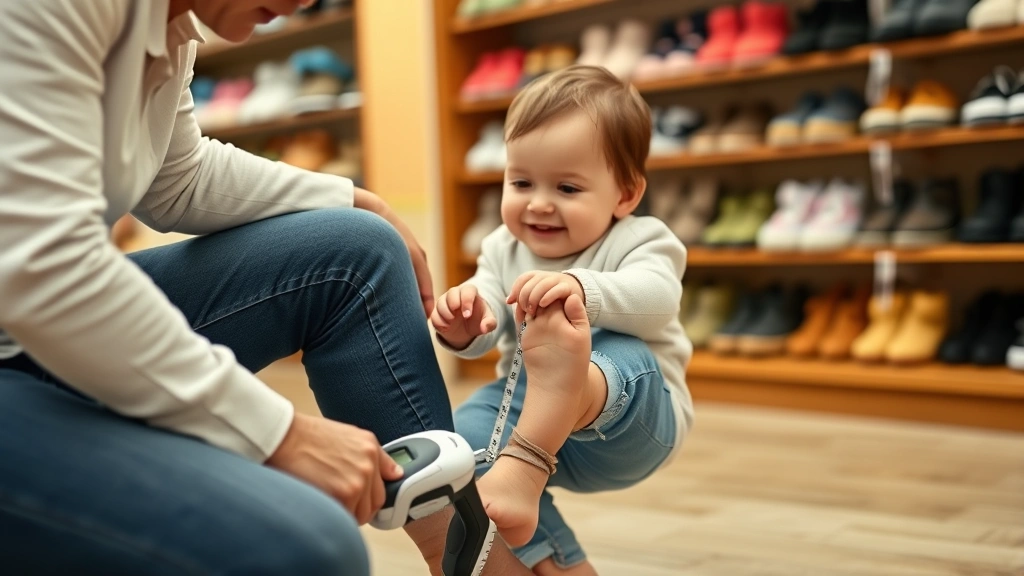
Proper Fit Matters: Babies’ feet grow rapidly—often a full size every 2-3 months during the first year. Ill-fitting shoes can cause blisters, restrict circulation, or create pressure points. You should be able to fit one finger between your baby’s heel and the shoe, and there should be room for toe wiggle. Have your baby’s feet measured regularly at a shoe store.
Lightweight Construction: Heavy shoes tire babies out and make it harder for them to practice balance and coordination. Seek lightweight options that won’t weigh down developing legs.
Breathable Materials: Soft leather, canvas, or mesh allow air circulation and prevent moisture buildup. This is especially important for preventing fungal issues and keeping feet comfortable during long wear.
Soft Soles: The sole should be flexible and thin enough that your baby can feel the ground beneath their feet. Best baby shower gifts often include quality soft-soled shoes for this reason—they’re practical gifts that new parents appreciate.
Avoid shoes with:
- Rigid, plastic soles that don’t bend
- Thick cushioning that prevents ground contact
- Tight ankle support (unless medically recommended)
- Restrictive toe boxes
- Heavy weight
- Non-breathable synthetic materials
Practical Alternatives to Traditional Shoes
Many parents find that alternatives to conventional baby shoes work better for their families’ needs while still supporting healthy development.
Soft Booties and Socks: For very young babies and indoor use, soft booties and socks provide warmth without restriction. Non-slip soles on socks help prevent sliding on hardwood floors as babies begin standing.
Sandals with Soft Soles: In warm weather, lightweight sandals with flexible soles allow maximum sensory input while protecting from hot surfaces and sharp objects.
Moccasins: Genuine leather moccasins with soft, flexible soles are popular among parents seeking a middle ground. They provide minimal structure while offering protection.
Crawling Socks: Specially designed with gripping patterns on the soles, these socks provide traction for crawling babies while maintaining foot flexibility and sensory awareness.
Going Barefoot: Whenever safe and appropriate, this remains the gold standard for foot development. Even in your home, allowing barefoot time supports healthy development.
These alternatives align well with essential parenting advice for raising healthy children, as they prioritize development alongside practical needs.
Understanding Baby Shoes Never Worn
The phrase “baby shoes never worn” carries special significance in parenting culture, often referring to those adorable pairs purchased before birth or received as gifts that never actually get worn. There are several reasons this happens so frequently.
Why Parents Buy Them: Expectant parents often purchase baby shoes based on aesthetics rather than practical need. Tiny shoes are undeniably cute, and they make excellent shower gifts. However, newborns don’t need shoes at all—they’re not walking yet, and their feet are best left bare for sensory development.
The Reality of Baby Shoe Use: Many parents discover that their babies spend most time at home barefoot or in socks, making purchased shoes unnecessary. Additionally, babies grow so quickly that shoes purchased in advance may not fit properly when baby arrives, or may become too small before being worn.
Making Smart Choices: Rather than purchasing shoes in advance, consider waiting until your baby actually needs them. When that time comes, you’ll have a better sense of what’s practical for your lifestyle and climate. If you do purchase baby shoes ahead of time, choose soft, flexible options that will support healthy development if they do get worn.
This connects to broader parenting advice available on Parent Path Daily, where many parents share their experiences with purchases that seemed essential but turned out to be unnecessary.
Sustainability Consideration: In an era of increased environmental consciousness, many parents are choosing not to buy shoes their babies won’t wear. Waiting until shoes are actually needed, or accepting hand-me-downs from friends whose children have outgrown them, reduces waste while saving money.
Frequently Asked Questions
At what age should my baby start wearing shoes?
Most pediatricians recommend keeping babies barefoot until they’re walking outdoors regularly. For walkers, soft-soled shoes are preferable to rigid ones. There’s no specific age—it depends on your baby’s mobility and your environment.
Are expensive baby shoes worth it?
Price doesn’t determine quality when it comes to baby shoes. An expensive rigid shoe is no better than an inexpensive one. Focus on flexibility, proper fit, and breathable materials rather than brand name or cost.
Can baby shoes cause flat feet?
Improper footwear, particularly rigid shoes with significant arch support, can contribute to foot problems. Babies’ natural arches develop through barefoot movement and flexible footwear. Avoid shoes with artificial arch supports designed for adult feet.
Is it okay to use hand-me-down baby shoes?
Hand-me-downs can work if they’re still flexible and in good condition. However, each baby’s feet are different, so ensure proper fit. Discard shoes that are worn down or have lost their flexibility, as they won’t provide appropriate support.
Should my baby wear shoes to prevent injuries?
Shoes aren’t necessary to prevent injuries during normal indoor play. They become important when your baby is outdoors on potentially hazardous surfaces or in cold weather. Barefoot play indoors is safe and beneficial.
What about orthotics or special shoes for flat feet?
Most babies naturally have flat feet—their arches haven’t developed yet. Orthotics and special shoes are rarely necessary and can actually interfere with natural arch development. Consult your pediatrician if you have specific concerns about your child’s feet.
Final Thoughts: The best baby shoes are often no shoes at all. When your little one does need footwear, prioritize flexibility, proper fit, and breathability over appearance. Remember that your baby’s feet are developing rapidly, and the choices you make now support their long-term health and motor development. Trust the research, listen to your pediatrician, and don’t feel pressured to purchase shoes your baby doesn’t actually need. Those adorable pairs can remain in their boxes—your baby’s healthy development is far more valuable than any fashion statement.