Baby Shower Card Message Ideas: Heartfelt Wishes for the Mom-to-Be
There’s something genuinely special about a handwritten baby shower card. In our digital age, when most communication happens through screens, taking time to pen a thoughtful message feels like a small act of rebellion—and one that actually matters. A great baby shower card message does more than fill blank space; it acknowledges the incredible journey ahead, celebrates the anticipation, and offers genuine warmth during a transformative moment in someone’s life.
The challenge? Finding words that feel authentic rather than borrowed from a greeting card factory. You want to avoid the predictable “congratulations” energy while still hitting the right emotional notes. Whether you’re attending an elaborate celebration with baby shower decorations that rival a magazine spread or a low-key gathering with close friends, the message you write should reflect your actual relationship with the mom-to-be and your genuine excitement for her new chapter.
This guide walks you through crafting messages that resonate—from heartfelt and sentimental to funny and encouraging. You’ll find specific examples for different relationships, occasions, and tones, plus the reasoning behind what makes certain messages land better than others.
Why Your Baby Shower Card Message Matters
Before diving into specific wording, let’s talk about why this matters. A baby shower card isn’t just a formality—it’s a keepsake. Years from now, when the mom-to-be is knee-deep in the beautiful chaos of parenting, she might stumble across that card and remember exactly how it felt to be on the edge of motherhood. She’ll remember who showed up, who celebrated with her, and what people genuinely believed about her potential as a parent.
Research from the American Psychological Association shows that social support during major life transitions significantly impacts stress levels and overall well-being. A thoughtful card contributes to that support network in a tangible way. It’s validation that her excitement is justified, her concerns are normal, and she’s not alone in this transition.
The best messages strike a balance: they’re personal enough to feel genuine, but not so specific that they presume to know her exact situation or feelings. They acknowledge both the joy and the unknown, the celebration and the reality of what’s coming.
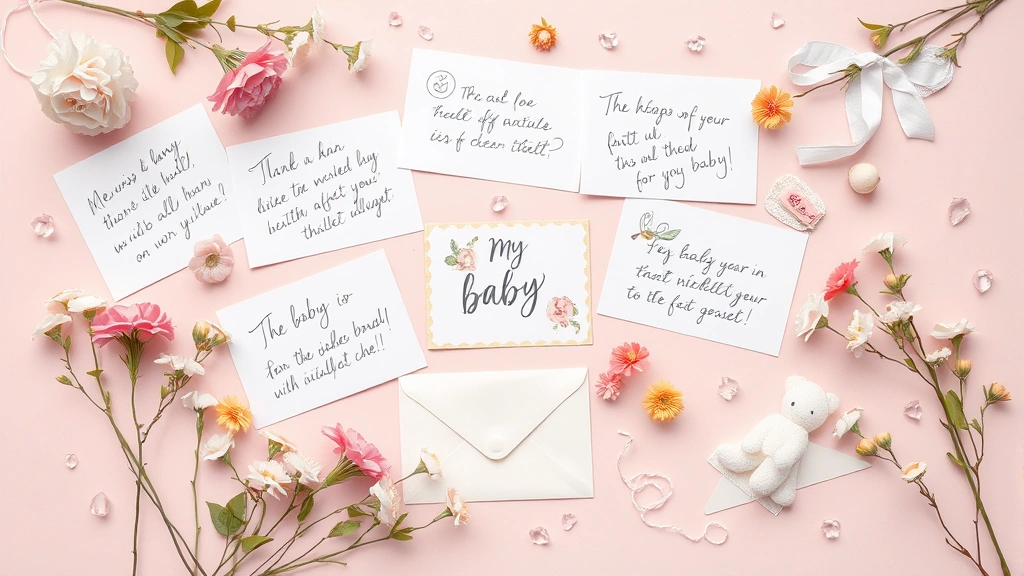
Heartfelt and Sentimental Messages
Sometimes the best approach is genuine emotion. These messages work well for people you’re genuinely close to or when you want to acknowledge the profound nature of becoming a parent.
Example 1: “I can’t wait to meet this little person who’s going to change your world. You’re going to be an incredible mom—not because you’ll do everything perfectly, but because you already care this much. That’s what matters most.”
Example 2: “Watching you become a mother feels like witnessing something sacred. I’m honored to be part of your journey and can’t wait to see the love you pour into this baby. You’ve got this.”
Example 3: “This baby is so lucky—not because of what you’ll buy or plan, but because they’re getting you. Your kindness, your humor, your heart. That’s the real gift.”
What makes these work: They focus on character rather than circumstances. They acknowledge that motherhood is transformative without being patronizing. They’re specific enough to feel personal but universal enough to resonate with any mom-to-be’s experience.
When writing sentimental messages, avoid language that’s overly flowery or uses clichés like “blessed” or “miracle” unless that genuinely reflects your relationship’s dynamic. Authenticity trumps eloquence every single time.
Funny and Lighthearted Options
Not every card needs to be serious. If humor is your love language or defines your relationship with the mom-to-be, lean into it. These messages acknowledge the real, messy, hilarious aspects of new parenthood.
Example 1: “Congratulations on your new life of sleep deprivation and unlimited love. You’re going to nail the sleep deprivation part—the love will come naturally.”
Example 2: “You’re about to discover that ‘sleeping like a baby’ is not actually the compliment people think it is. But you’ve got this, and at least you’ll have amazing stories to tell.”
Example 3: “Welcome to the club where your biggest life accomplishment some days is getting everyone fed and mostly clothed. The pay is terrible, but the perks (endless cuddles and tiny socks) are incredible.”
Example 4: “Fair warning: after this baby arrives, you’ll understand why parents talk about their kids constantly. It’s not annoying—it’s just what happens. Sorry in advance for the incoming baby photos.”
The key with humor is knowing your audience. What feels funny to one person might land wrong with another. If the mom-to-be has a sarcastic sense of humor and you share that dynamic, these messages work beautifully. If she tends toward the serious side, stick with gentler humor or skip it altogether.

Messages for Close Friends and Family
Your relationship to the mom-to-be should inform your tone. Here are messages tailored to different relationships:
For Your Best Friend: “I’ve watched you grow into this incredible person, and now I get to watch you become a mom. I’m so excited to see our friendship transform into this new chapter. Your kid is going to be so lucky to have you as their mom and me as their slightly chaotic aunt/uncle.”
For Your Sister: “I’ve always known you were going to be an amazing mom—I’ve seen how you are with people you love. Now the world gets to experience what I already know. I can’t wait to be an auntie/uncle and watch this unfold.”
You might also want to coordinate with other family members or friends to ensure your message complements the broader celebration, especially if you’re also selecting an outfit that fits the baby shower aesthetic or contributing to other elements of the event.
For a Colleague or Acquaintance: “Congratulations on this exciting new chapter! Wishing you all the joy, love, and patience that comes with becoming a parent. You’re going to do great.”
The difference in these messages reflects appropriate emotional intimacy. With close relationships, you can reference shared history or inside jokes. With more distant relationships, you keep things warm but professional.
Encouragement for First-Time Moms
First-time moms often carry a specific kind of anxiety—the weight of doing something completely unfamiliar and high-stakes. Messages that acknowledge this reality while offering genuine encouragement are particularly valuable.
Example 1: “You’re about to do something you’ve never done before, and that takes courage. Trust yourself. You know more than you think you do, and you’ll learn the rest as you go. Every mom feels uncertain sometimes—that doesn’t mean you’re doing it wrong.”
Example 2: “Here’s what I know about you: you show up, you care deeply, and you figure things out. That’s literally all you need to be a great mom. The rest is just details and coffee.”
Example 3: “There’s no such thing as a perfect parent, but there are real parents who love their kids fiercely. You’re going to be one of those real, imperfect, amazing parents.”
These messages work because they normalize the uncertainty that comes with new parenthood while affirming the mom-to-be’s actual capabilities. According to research on postpartum adjustment, having a strong support network and realistic expectations significantly impacts mental health outcomes. Your card can be part of that support system.
Short and Sweet Messages
Not every message needs to be lengthy. Sometimes brevity carries its own power. These work well if you’re not particularly close to the mom-to-be or if you prefer concise communication:
- “So excited to meet this baby! You’re going to be wonderful.”
- “Welcome to the most rewarding adventure of your life. Congrats!”
- “A new baby, a new adventure, and you’re ready for both. Can’t wait to celebrate with you.”
- “Here’s to the amazing mom you’re about to become. This baby is so lucky.”
- “Wishing you all the joy, love, and laughs that come with being a parent.”
Short messages work particularly well when combined with a thoughtful gift or when you’re signing a group card. They’re efficient without feeling impersonal when paired with genuine sentiment.
Messages with Practical Wisdom
Some of the most valuable baby shower messages offer actual wisdom alongside celebration. If you’ve been through parenthood yourself or have genuine insight, consider sharing it:
Example 1: “One thing I wish someone had told me: the early days are hard, but they’re also short. Soak them in while you’re in them. You’re going to blink and this baby will be walking.”
Example 2: “Everyone will have advice for you. Listen to the people who get it, ignore the rest, and trust your gut. You know your baby better than anyone.”
Example 3: “You don’t need to have it all figured out. Nobody does. Give yourself permission to do things your own way, make mistakes, and learn as you go.”
These messages are particularly valuable if you’re also offering practical support through sharing information about free baby resources or volunteering specific help after the baby arrives. Wisdom paired with action is powerful.
For deeper insights into navigating this transition, you might also want to explore comprehensive parenting advice that the mom-to-be might find valuable to read before the baby arrives.
Personalizing Your Message
The most memorable messages include specific details that show you actually know this person. Here’s how to personalize without overthinking:
Reference something you know about them: “I’ve always known you were patient and kind—exactly what a parent needs. This baby is going to feel so loved.”
Acknowledge their specific situation: If they’ve struggled with fertility, mentioned specific hopes for their family, or have unique circumstances, gently acknowledging that can make your message feel particularly seen. “After everything you’ve been through to get here, I’m so happy you’re about to meet this baby.”
Include a relevant detail about the baby: If you know the baby’s sex, name, or anything else, weaving that in adds personalization. “I can’t wait to meet little Emma and watch you become the amazing mom I know you’ll be.”
Reference your relationship: “I’ve been lucky enough to watch you in so many roles—friend, sister, partner—and now I get to watch you as a mom. I can’t wait to see what this brings out in you.”
The key is making it feel natural rather than forced. You’re not trying to prove how well you know them; you’re simply letting them know that you see them and you’re genuinely excited about this specific chapter of their life.
When you’re ready to celebrate in person, whether at an elaborate event or intimate gathering, remember that your presence and genuine enthusiasm matter more than perfect words. If you’re uncertain about what to wear, exploring baby shower dress options might help you feel confident and comfortable while you’re there to support the mom-to-be.
Frequently Asked Questions
What if I’m not close to the person having the baby shower?
Keep your message warm but brief. Focus on genuine congratulations and excitement about meeting the baby rather than trying to create intimacy that doesn’t exist. “So excited to celebrate this special moment with you! Wishing you all the joy that comes with becoming a parent” works perfectly for acquaintances or colleagues.
Should I mention challenges of parenthood in my card?
You can, but thoughtfully. Acknowledging that parenthood is challenging alongside the joy feels realistic and supportive. Dwelling on the difficulty or focusing primarily on sleep deprivation can feel discouraging. Balance is key: acknowledge the reality while emphasizing that it’s worth it.
Is it okay to share advice in a baby shower card?
Absolutely, especially if you have personal experience or genuine wisdom to share. The key is offering it gently rather than prescriptively. Frame it as “something I learned” or “something that helped me” rather than “you should do this.”
What if I’m struggling with infertility or loss and feel uncomfortable at baby showers?
Your feelings are valid. You can still send a card even if attending in person feels too difficult. A simple, warm message acknowledges the occasion without requiring your presence. Many people understand that baby showers can be complicated emotionally.
How long should my baby shower card message be?
There’s no perfect length. Anywhere from a few sentences to a short paragraph works beautifully. What matters is that it feels complete and genuine rather than rushed or overwritten. If you’ve said what you wanted to say, you’re done.
Should I sign the card with a specific closing?
Match your closing to your message’s tone. “With love,” “Can’t wait to celebrate with you,” “So excited for you,” or simply “Love” all work depending on your relationship and message. Keep it authentic to how you actually communicate.
What if I make a mistake while writing?
A small mistake or correction in a handwritten card adds authenticity and shows you took time to write it yourself rather than printing something generic. Most people appreciate the effort over perfection. If it’s really bothering you, you can always buy another card.
Can I include a funny meme or quote in my card?
You can, but use judgment about the mom-to-be’s sense of humor. If she loves memes and that’s how you actually communicate, it works. If you’re unsure, stick with original words. A genuine message always trumps a borrowed one, no matter how funny.
Should my message be typed or handwritten?
Handwritten is always more meaningful and personal. Even if your handwriting isn’t perfect, the effort and personal touch matter. Save typing for situations where you’re adding your message to a group card or have a specific reason to type.
What if I don’t know what to say?
Start with honesty: “I’m not always great with words, but I want you to know how excited I am for you.” Then add one genuine observation about why you think she’ll be a great mom or what you’re looking forward to about this baby. Authenticity beats eloquence every single time.
For additional guidance on navigating parenthood and family relationships, exploring essential parenting advice resources can provide valuable perspective for new parents.