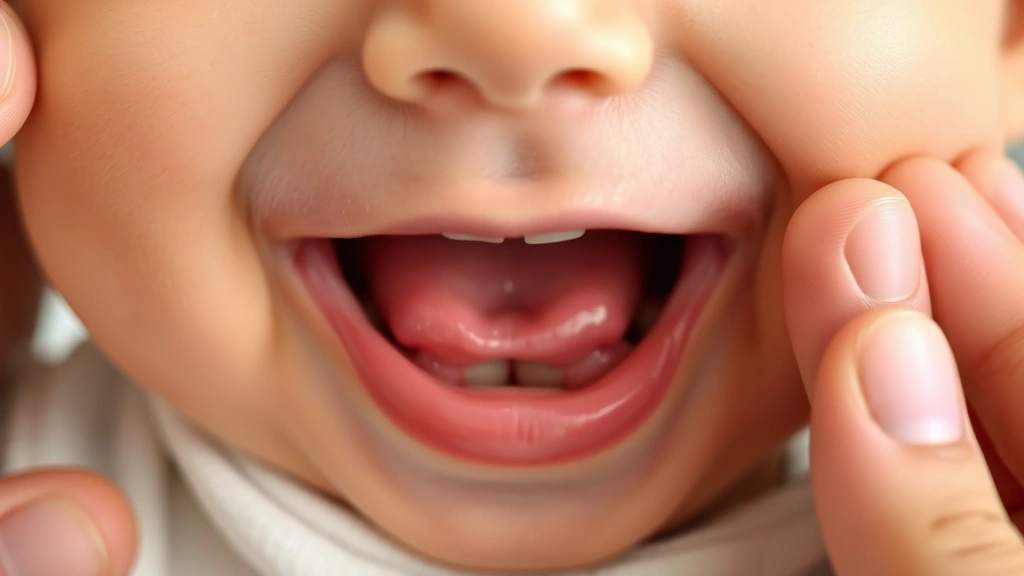
When Do Baby Teeth Erupt? Dentist Insights on Your Baby’s Smile Development
One of the most exciting milestones in your baby’s first year is the appearance of that first tiny tooth. Parents often watch eagerly for signs of teething, wondering when those first pearly whites will break through the gums. Understanding baby tooth eruption isn’t just about knowing what to expect—it’s about recognizing the developmental process happening inside your baby’s skull and jaw that makes this milestone possible.
The journey of baby teeth begins long before you see that first white dot peeking through tender gums. Inside your baby’s skull, a complex system of tooth buds has been developing since before birth. These primary teeth, also called deciduous or baby teeth, follow a predictable timeline that dentists have documented through years of clinical research. While every baby develops at their own pace, knowing the typical eruption sequence helps you understand what’s normal and when you might need to consult your pediatric dentist.
This comprehensive guide draws on dentist insights and child development research to help you navigate the teething journey with confidence and ease.
Table of Contents
- Baby Tooth Eruption Timeline
- How Baby Teeth Develop in the Skull
- The Eruption Sequence Explained
- Signs Your Baby Is Teething
- Comfort Strategies During Teething
- Early Dental Care Essentials
- When to Contact Your Dentist
- Frequently Asked Questions
Baby Tooth Eruption Timeline
Most babies begin showing signs of tooth eruption between 6 and 12 months of age, though some may start as early as 3 months or as late as 14 months. According to the American Academy of Pediatric Dentistry, this wide range is completely normal and not a cause for concern.
The typical eruption timeline follows this general pattern:
- 6-10 months: Lower central incisors (bottom front teeth)
- 8-13 months: Upper central incisors (top front teeth)
- 9-14 months: Upper lateral incisors (teeth beside top front teeth)
- 10-16 months: Lower lateral incisors
- 13-19 months: Upper first molars
- 14-20 months: Lower first molars
- 16-22 months: Upper canines
- 17-23 months: Lower canines
- 23-31 months: Lower second molars
- 24-32 months: Upper second molars
By age 3, most children have all 20 primary teeth. However, it’s important to remember that this timeline is a general guide. Some babies may erupt teeth in a slightly different order or on a different schedule, and this is usually nothing to worry about.
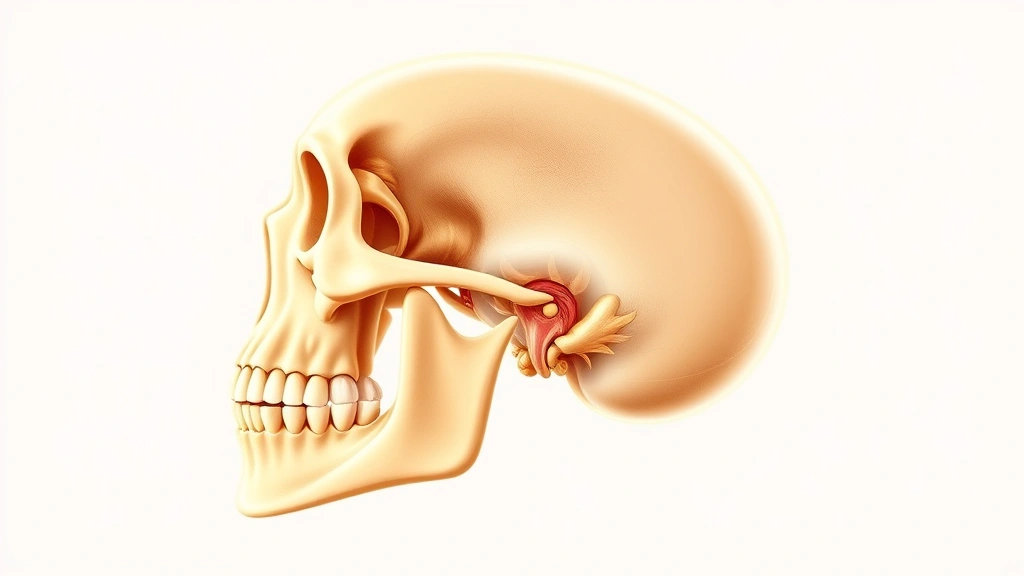
How Baby Teeth Develop in the Skull
Understanding what happens inside your baby’s skull during tooth development provides fascinating insight into this natural process. Long before your baby is born, tooth development begins in the jaw. Dental professionals call these developing teeth “tooth buds” or “tooth germs,” and they form from specialized cells in the gums.
Inside the baby’s skull and jaw structure, each tooth bud goes through several developmental stages:
- Bud Stage: The tooth bud appears as a small thickening in the gum tissue
- Cap Stage: The tooth bud develops a cap-like appearance as it grows
- Bell Stage: The structure becomes bell-shaped as the internal tooth structure forms
- Calcification: Minerals harden the developing tooth structure
- Eruption: The tooth pushes through the gum tissue
The bone surrounding the developing tooth gradually resorbs (breaks down) as the tooth moves toward the surface. This natural resorption process is essential for allowing the tooth to erupt through the gums. Dentists can sometimes see this process on X-rays, which show the tooth’s position within the jaw bone.
Interestingly, the order in which teeth erupt is largely determined by genetics. If you and your partner had early or late teething, your baby may follow a similar pattern. The size and shape of your baby’s skull and jaw also influence the eruption timeline and sequence.
The Eruption Sequence Explained
Dentists have observed that baby teeth typically erupt in a predictable sequence, though individual variations are common. Understanding this sequence helps you know what to expect over the coming months and years.
Lower front teeth first: The lower central incisors usually erupt before the upper ones. This makes sense from a developmental standpoint, as the lower jaw tends to be more active during feeding and movement.
Front to back progression: Generally, teeth erupt from front to back. After the incisors, you’ll see the molars erupt, followed by the canines. This isn’t always the case—some babies erupt canines before molars—but front-to-back is the most common pattern.
Symmetrical eruption: Teeth on opposite sides of the mouth tend to erupt around the same time. You might notice your baby’s lower left central incisor erupts within weeks of the lower right central incisor.
When planning your baby’s first dental visit, consider scheduling it around their first birthday or when the first tooth erupts, whichever comes first. Your pediatric dentist can monitor the eruption process and ensure everything is progressing normally within your baby’s individual developmental timeline.

Signs Your Baby Is Teething
Not all babies show obvious teething symptoms, but many experience discomfort as teeth erupt through sensitive gum tissue. Common signs of teething include:
- Swollen, tender gums
- Excessive drooling
- Wanting to chew on objects, fingers, or toys
- Pulling at ears or rubbing cheeks
- Mild fever (under 101°F)
- Temporary loss of appetite
- Difficulty sleeping
- General fussiness or irritability
It’s important to note that high fever, diarrhea, or rash are not typically caused by teething. If your baby experiences these symptoms, contact your pediatrician to rule out other conditions.
Every baby’s teething experience is unique. Some babies sail through with minimal discomfort, while others seem quite bothered by the process. This variation is perfectly normal and doesn’t indicate anything about your baby’s dental health or future pain tolerance.
Comfort Strategies During Teething
When your baby is experiencing teething discomfort, several safe and effective strategies can help:
Cold teething rings: Refrigerated (not frozen) teething rings provide soothing relief. The cold temperature numbs sore gums temporarily.
Clean, damp washcloths: Let your baby chew on a clean, damp washcloth. The texture and coolness can be comforting.
Gentle gum massage: Using a clean finger, gently massage your baby’s gums in circular motions. Many babies find this soothing.
Safe chewing toys: Offer age-appropriate teething toys made from food-grade silicone or rubber. Avoid toys with small parts that could be choking hazards.
Always consult your pediatrician before using any teething gels or pain relievers. Many products previously recommended are no longer considered safe by the FDA.
Early Dental Care Essentials
Starting good oral hygiene habits early sets the foundation for lifelong dental health. Even before teeth erupt, you can begin caring for your baby’s mouth:
Before teeth erupt: Gently wipe your baby’s gums with a clean, damp washcloth after feeding. This removes bacteria and prepares your baby for future tooth brushing.
After first tooth erupts: Begin brushing with a soft-bristled toothbrush and a rice-grain-sized amount of fluoride toothpaste. Brush gently twice daily, especially after meals and before bedtime.
Avoid prolonged bottle use: Don’t let your baby fall asleep with a bottle containing milk, formula, or juice. These liquids can cause tooth decay if left on developing teeth.
Schedule first dental visit: The American Academy of Pediatric Dentistry recommends the first dental visit within six months of the first tooth erupting or by age 1, whichever comes first.
For more comprehensive guidance on caring for your baby during this developmental stage, explore our parenting advice guide, which covers numerous aspects of early childhood development and care.
When to Contact Your Dentist
While most babies develop teeth on a normal timeline, certain situations warrant professional evaluation:
- No teeth by 18 months of age
- Teeth erupting in unusual positions or severely crowded
- Discolored or stained teeth
- Extreme pain or swelling that doesn’t improve with comfort measures
- Teeth that seem to be coming in too quickly or in unusual order
- Signs of infection in the gum area
Your pediatric dentist can assess your baby’s individual development and provide personalized guidance. Some babies may have naturally delayed eruption due to genetics, while others might benefit from early intervention for spacing or alignment concerns.
If you’re preparing for your baby’s arrival, you might be interested in our guides on best baby shower gifts and thoughtful baby shower cookies for celebration.
Frequently Asked Questions
What’s the difference between baby teeth and permanent teeth?
Baby teeth, or primary teeth, are smaller and have thinner enamel than permanent teeth. There are 20 baby teeth compared to 32 permanent adult teeth. Baby teeth serve as placeholders for permanent teeth and help with speech and eating during early childhood. Around age 6, baby teeth begin shedding to make room for permanent teeth.
Can teething cause fever?
Mild teething-related fever (under 101°F) may occur as the body responds to inflammation in the gums. However, high fever is not caused by teething. If your baby has a fever above 101°F, contact your pediatrician to rule out infection or other illness.
Why do some babies get teeth earlier than others?
Tooth eruption timing is primarily determined by genetics. Nutrition, overall health, and hormonal factors also play roles. Babies who were born prematurely may have delayed eruption based on their corrected age (adjusted for prematurity) rather than chronological age.
Is baby tooth decay a serious concern?
Yes, baby tooth decay is serious because it can affect eating, speech development, and the positioning of permanent teeth. Early childhood caries (cavities) can also cause pain and infection. Preventing decay through proper hygiene and limiting sugary foods is essential.
Should I be concerned if my baby’s teeth erupt out of the typical order?
Slight variations in eruption order are common and usually not concerning. However, if eruption is significantly out of sequence or delayed, your pediatric dentist can evaluate whether any intervention is needed.
When should I start using toothpaste with fluoride?
The American Academy of Pediatric Dentistry recommends using a rice-grain-sized amount of fluoride toothpaste as soon as the first tooth erupts. For children under 3, use only a smear or rice-grain amount to minimize swallowing.
Can I use natural remedies for teething pain?
Cold teething rings, damp washcloths, and gentle gum massage are safe natural remedies. Avoid amber teething necklaces or bracelets due to choking and strangulation risks. Always check with your pediatrician before trying any new remedies.
How do I know if my baby has an eruption cyst?
An eruption cyst appears as a small, bluish bump on the gum above an erupting tooth. These are harmless and typically resolve on their own. However, if you notice unusual swelling or it doesn’t improve, contact your dentist for evaluation.
Understanding your baby’s tooth eruption process helps you support their development with confidence. Every baby’s timeline is unique, and what matters most is maintaining good oral hygiene habits and regular dental check-ups. If you have specific concerns about your baby’s teething or dental development, don’t hesitate to consult your pediatric dentist or pediatrician for personalized guidance.
As you navigate these exciting developmental milestones, remember that seeking guidance from trusted pediatric organizations and dental professionals ensures your baby receives the best care possible. You’re doing a great job supporting your little one’s health and development!