What Is a Baby Snapping Turtle? Expert Guide to Nature’s Tiny Armored Reptile
If you’ve ever spotted a tiny, prehistoric-looking creature with a shell no bigger than a quarter, you might have encountered a baby snapping turtle. These miniature marvels are absolutely fascinating—and nothing short of nature’s engineering masterpiece. Unlike the gentle, slow-moving turtles many of us picture, baby snapping turtles arrive in the world already equipped with attitude, instinct, and surprisingly sharp reflexes.
As a parent or curious nature enthusiast, understanding these creatures can transform a chance encounter into a genuine learning moment. Whether your child finds one near a pond or you’re simply exploring wildlife education, knowing what makes baby snapping turtles unique opens up a world of appreciation for reptilian development and ecosystem dynamics. These little ones aren’t just cute; they’re survivors with a story to tell from day one.
This guide breaks down everything you need to know about baby snapping turtles—from their appearance and behavior to their habitat needs and why they’re important to our natural world. Let’s dive in.
What Exactly Is a Baby Snapping Turtle?
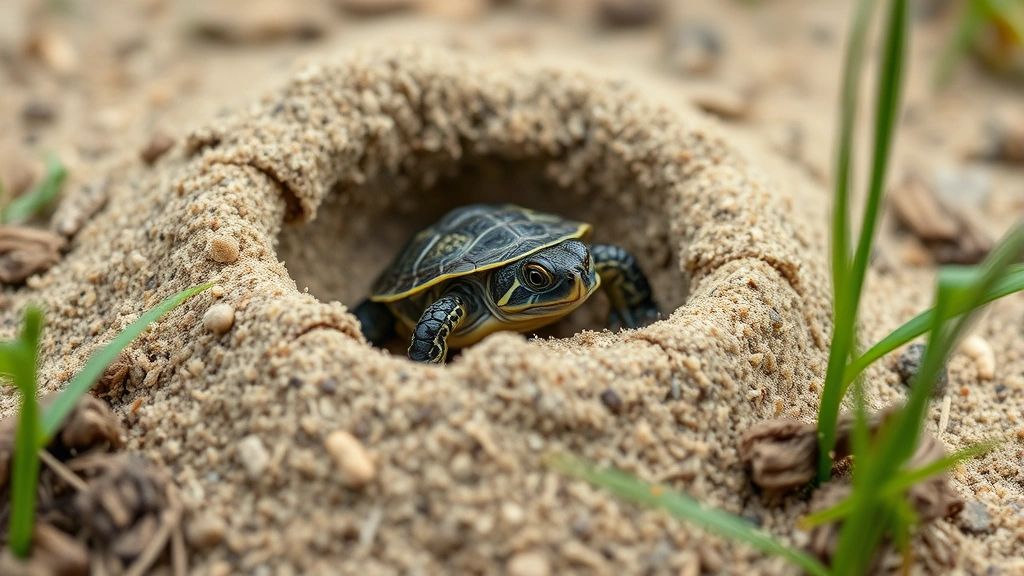
A baby snapping turtle is the hatchling stage of the common snapping turtle, scientifically known as Chelydra serpentina. These newborns emerge from eggs buried in sandy or muddy soil during late summer or early fall, typically measuring between 0.7 to 1 inch in shell length. Despite their diminutive size, they’re fully independent from the moment they hatch—there’s no parental care in the turtle world.
What makes baby snapping turtles particularly interesting is their immediate readiness for survival. Unlike many reptiles that require incubation assistance or specific environmental conditions, these hatchlings instinctively know how to find water, hunt, and evade predators. They’re born with the same defensive posture and snapping behavior that characterizes their adult counterparts, making them formidable little creatures despite their size.
When exploring baby turtle species with your family, snapping turtles represent one of the most resilient and adaptable varieties found across North America. Understanding their biology helps us appreciate the incredible diversity within the reptile kingdom and provides excellent educational opportunities for curious minds.
Physical Characteristics and Identification
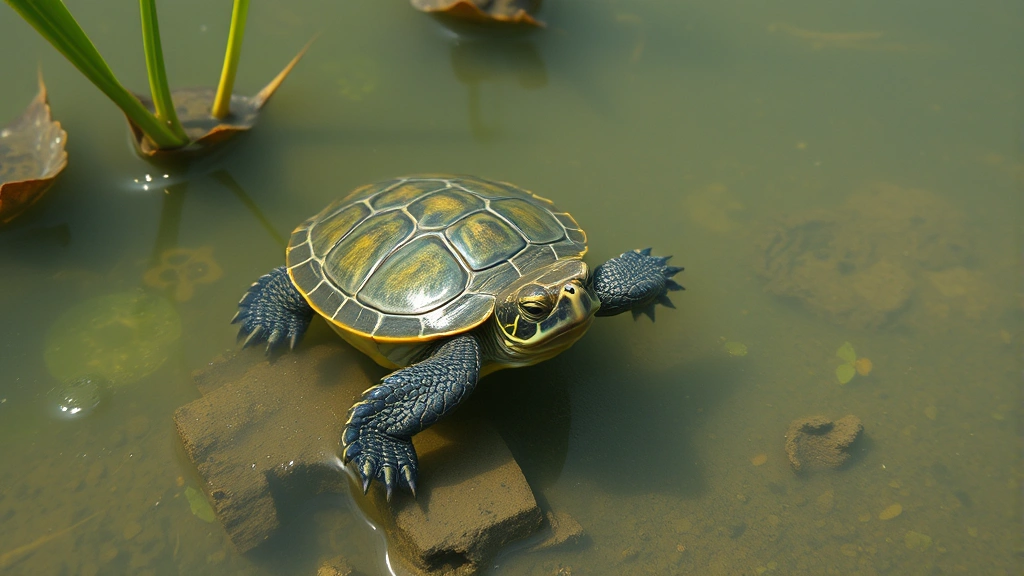
Identifying a baby snapping turtle requires attention to several distinctive features. The most obvious characteristic is their shell, which appears bumpy and textured even at this tiny stage. Unlike smooth-shelled turtles, baby snappers have pronounced ridges and knobby protrusions running along their carapace (the top shell), giving them an ancient, miniaturized dinosaur appearance.
Their coloration typically ranges from dark brown to olive green, with some individuals displaying reddish or blackish tones. The plastron, or bottom shell, is usually lighter—yellowish or cream-colored—though it may have darker markings. The tail is notably long and thick, often appearing disproportionate to their body size. This muscular tail serves multiple purposes: balance in water, propulsion while swimming, and even defense when threatened.
The head of a baby snapping turtle is proportionally large with a prominent hooked beak. Their eyes are positioned more toward the sides of their head, providing excellent peripheral vision. The skin has a rough, somewhat bumpy texture, and you’ll notice their legs are relatively short and sturdy, built for gripping surfaces rather than speed.
One feature that distinguishes baby snapping turtles from similar species is their inability to fully retract into their shells. Adult snappers possess this limitation too, which is why they evolved their famous defensive snapping behavior. Even at hatchling size, this adaptation is evident—their shells simply don’t provide complete protection.
Where Baby Snapping Turtles Come From
Baby snapping turtles begin their lives as eggs laid by female adults in carefully selected nesting sites. Female snappers, typically between May and June, travel considerable distances from water to find suitable sandy or loose soil. They use their hind legs to excavate flask-shaped chambers, sometimes traveling several hundred feet from their aquatic homes to locate the perfect spot.
A single clutch typically contains 20 to 40 eggs, though some females may lay up to 80. These eggs are left completely unattended—the mother provides no further care after burying them. The eggs incubate for approximately 60 to 90 days, depending on soil temperature and moisture conditions. Warmer temperatures generally produce faster development.
The sex of baby snapping turtles is actually determined by incubation temperature, a phenomenon called temperature-dependent sex determination. Warmer nests typically produce females, while cooler nests produce males. This makes climate conditions during the nesting season critically important for population balance.
When the hatchling is ready to emerge, it uses a specialized temporary structure called an egg tooth to break through the leathery shell. This process, called pipping, can take 24 to 48 hours. Once the hatchling emerges, it’s on its own. Instinct drives it toward water, and the journey from nest to safety is perilous—many hatchlings don’t survive this vulnerable period.
Behavior and Temperament
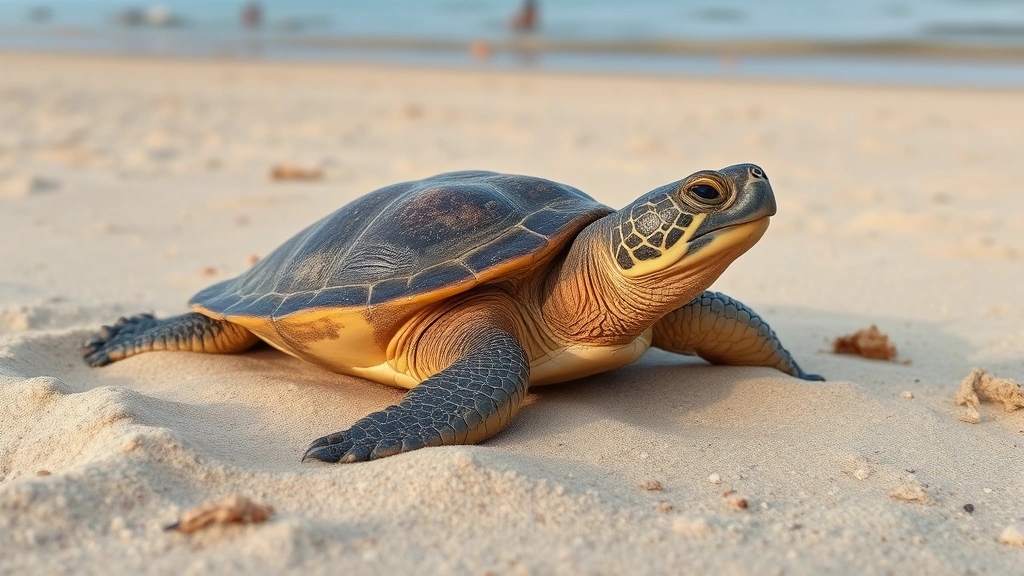
Don’t let their size fool you—baby snapping turtles possess all the attitude of their adult relatives. These tiny reptiles are inherently defensive and will snap at threats without hesitation. Even at a fraction of an inch, they demonstrate the same aggressive posturing that makes adult snappers formidable. They open their mouths wide, hiss, and strike with surprising speed and accuracy.
This defensive behavior isn’t aggression in the traditional sense; it’s survival instinct. Baby snappers recognize that they’re vulnerable and respond to perceived threats with maximum intensity. Their willingness to defend themselves, despite their insignificant size, is actually a remarkable evolutionary strategy that deters many potential predators.
In terms of activity levels, baby snapping turtles are more active than adults, spending significant time exploring their environment and hunting. They’re primarily aquatic but will venture onto land when exploring or seeking new water sources. They’re mostly solitary creatures, showing no particular social bonding or hierarchical behavior.
Baby snappers are also curious and will investigate new objects and food sources. This exploratory nature helps them learn about their environment and identify food opportunities. They’re quick learners and can adapt to changing conditions—a trait that contributes to their species’ success across diverse habitats.
Habitat and Environmental Needs
Baby snapping turtles thrive in freshwater environments—ponds, lakes, marshes, swamps, and slow-moving rivers. They prefer areas with muddy or sandy bottoms and plenty of aquatic vegetation. These habitats provide essential resources: food sources, shelter, and places to hide from predators. Unlike some turtle species that prefer clear waters, snappers actually do well in murky, vegetation-filled environments.
Temperature plays a crucial role in baby snapper survival. They’re most active in warmer months and become sluggish or dormant during winter. Water temperature influences their metabolism, feeding frequency, and overall activity levels. Ideal temperatures for active growth range from 75 to 85 degrees Fahrenheit.
Water quality matters significantly. Baby snapping turtles need adequate oxygen levels, though they can tolerate less-than-pristine conditions better than many other aquatic species. They’re quite adaptable to pollution and murky water, which partly explains their widespread success across North America. However, extremely poor water conditions will still impact their survival rates.
Substrate is equally important. Muddy or sandy bottoms allow baby turtles to burrow and hide, reducing stress and predation risk. Aquatic vegetation provides both food and shelter. Areas with fallen logs and debris offer additional hiding spots—essential for creatures as small and vulnerable as hatchlings.
Diet and Feeding Habits
Baby snapping turtles are opportunistic omnivores with a strong preference for animal matter. Their diet consists primarily of aquatic invertebrates—small crustaceans, insect larvae, tadpoles, and small fish. They’re also known to eat carrion, consuming dead animals they encounter in the water. This scavenging behavior helps them survive lean times when live prey is scarce.
As they mature, their diet gradually becomes more omnivorous, incorporating aquatic plants and vegetation. However, young snappers are primarily carnivorous, and protein is essential for their rapid growth during the first years of life. They’re active hunters, using their keen sense of smell to locate food sources in murky water.
Feeding frequency for baby snappers is substantial. They consume food multiple times daily when available, with their appetite driven by temperature and metabolic rates. Warmer water temperatures increase their metabolism and feeding frequency. In cooler conditions, they eat less frequently and may go extended periods without food.
Baby snapping turtles use an interesting hunting technique called “luring.” Some individuals remain perfectly still on the bottom, blending with mud and debris, until prey ventures close enough to strike. Others are more active hunters, pursuing small fish and invertebrates through the water. This behavioral flexibility allows them to exploit various food sources and habitats.
Growth Timeline and Development
Baby snapping turtles experience rapid growth during their first few years of life. A hatchling measuring approximately 0.8 inches can reach 1 to 2 inches by the end of its first year. By age three, most individuals are 3 to 4 inches. Growth rates vary based on environmental conditions, food availability, and water temperature.
Sexual maturity arrives relatively late compared to some reptiles. Female snapping turtles typically don’t reach reproductive maturity until they’re 15 to 20 years old, while males mature slightly earlier at 8 to 12 years. This extended juvenile period means young snappers spend years growing and developing before contributing to population reproduction.
Adult snapping turtles can reach shell lengths of 8 to 14 inches, though some exceptional individuals grow larger. Their shells never stop growing throughout their lives, though growth rates slow considerably after sexual maturity. A baby snapping turtle’s journey to adulthood is a slow process requiring survival through multiple seasons, predation pressure, and environmental challenges.
Growth is heavily influenced by temperature and nutrition. Turtles in warmer climates with abundant food grow faster than those in colder regions with limited resources. Seasonal variations affect growth patterns—rapid growth occurs during warm months when food is plentiful, while growth essentially halts during winter hibernation periods.
Handling and Safety Considerations
If you encounter a baby snapping turtle, it’s best to observe from a distance rather than handle it directly. These tiny creatures can bite with surprising force, and their snap can break skin. Additionally, handling causes stress to the hatchling, potentially disrupting its natural behaviors and survival instincts.
If intervention is necessary—for example, if a hatchling is crossing a dangerous road—use a stick or tool to gently guide it toward water rather than picking it up. If you must handle one, support the shell from underneath and keep your fingers away from the head and snapping range. Wash your hands thoroughly afterward, as all reptiles can carry salmonella.
Children should be taught to observe wildlife respectfully without direct contact. This protects both the child and the animal. When considering a baby bearded dragon or other reptile as a pet, understand that baby snapping turtles are not appropriate companions—they’re wild animals requiring specific expertise and legal permissions to keep.
It’s worth noting that keeping wild baby snapping turtles is illegal in many jurisdictions without proper permits. Even in areas where it’s technically legal, removing hatchlings from their natural habitat significantly impacts their survival rates and population dynamics. These creatures belong in the wild, not in captivity.
For those interested in turtle keeping, captive-bred species specifically bred for the pet trade are more appropriate and legal options. Consulting with pediatric and wildlife experts can help determine the best educational approaches to wildlife appreciation.
Conservation and Legal Considerations
Baby snapping turtles face numerous threats in their natural environments. Habitat loss due to wetland destruction remains the primary concern. Development, pollution, and climate change all impact nesting sites and aquatic habitats. Additionally, predation from raccoons, foxes, and birds takes a significant toll on hatchlings during their vulnerable first months.
Road mortality represents another serious threat. Female snapping turtles often travel considerable distances to find nesting sites, and many are killed crossing roads. This not only eliminates breeding females but also prevents hatchlings from even being laid. Road crossing mortality has become a conservation concern in many regions.
Legal protections vary by jurisdiction. In many areas, collecting or keeping wild baby snapping turtles requires permits. Some regions protect nesting females and prohibit interference with nests. It’s essential to check local wildlife regulations before attempting any interaction or collection.
Conservation efforts focus on protecting nesting habitats, creating wildlife corridors, and educating the public about coexisting with these reptiles. Supporting wetland preservation initiatives and responsible wildlife management practices helps ensure baby snapping turtles continue thriving in natural ecosystems. If you find a nesting female or hatchling in a dangerous location, contacting local wildlife authorities provides professional assistance.
Understanding these conservation issues helps families appreciate why baby snapping turtles deserve respect and protection. Teaching children about ecosystem roles and species interdependence fosters environmental stewardship from an early age—a gift that extends far beyond turtle appreciation.
Frequently Asked Questions
How small are baby snapping turtles when they hatch?
Baby snapping turtles are remarkably tiny at birth, typically measuring between 0.7 to 1 inch in shell length. Their small size makes them vulnerable to numerous predators, but their defensive snapping behavior provides surprising protection despite their insignificant dimensions.
Can baby snapping turtles bite through skin?
Yes, baby snapping turtles can bite through thin skin, though their bite force is considerably less than adults. Their beak is sharp and their jaw muscles are strong enough to cause injury. It’s best to avoid handling them altogether and observe from a safe distance.
How long do baby snapping turtles stay in their eggs?
Incubation typically takes 60 to 90 days, depending on soil temperature and moisture. Warmer conditions accelerate development, while cooler temperatures slow it. Once hatchlings pip through the egg shell, they may remain inside for 24 to 48 hours before fully emerging.
What should I do if I find a baby snapping turtle?
If you encounter a hatchling, observe it without interference unless it’s in immediate danger. If it’s crossing a dangerous road, use a stick to gently guide it toward water rather than handling it. Never remove it from the wild or keep it as a pet without proper legal authorization and expertise.
Do baby snapping turtles have any natural predators?
Absolutely. Baby snapping turtles face predation from raccoons, foxes, herons, crows, and various fish species. Their small size makes them vulnerable despite their defensive capabilities. Mortality rates are extremely high during the first year of life—estimates suggest fewer than 1% survive to adulthood.
How can I help baby snapping turtles in my area?
Support wetland conservation efforts, avoid disturbing nesting females, and drive carefully in areas where turtles cross roads. Educate others about these creatures’ ecological importance. If you’re interested in reptile education similar to learning about baby crocodile facts, consider volunteering with local wildlife organizations or supporting habitat preservation initiatives.
Are baby snapping turtles endangered?
Common snapping turtles aren’t currently listed as endangered, but populations are declining in some regions due to habitat loss and road mortality. Regional variations exist, so checking local conservation status provides accurate information about your specific area.
What’s the difference between a baby snapping turtle and other baby turtle species?
Baby snapping turtles are distinguished by their bumpy, ridged shells, long muscular tails, and inability to fully retract into their shells. Their aggressive defensive posture and snapping behavior are evident even at hatchling size. Compared to other species, they’re more aquatic and prefer murkier water conditions.