What Is a Baby Snowsuit? Ultimate Buying Guide
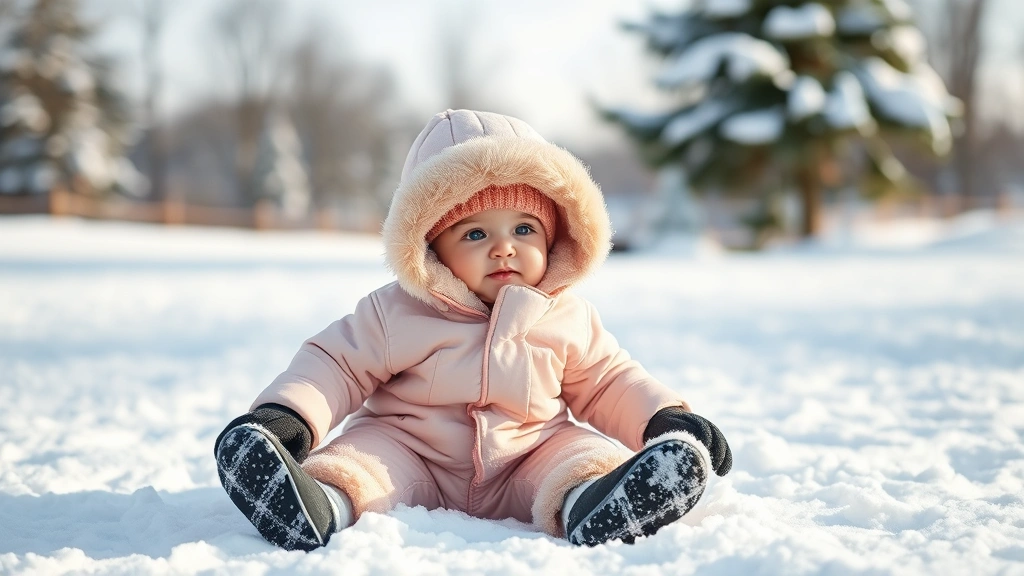
When winter rolls around and you’re preparing your little one for the cold, you’ve probably heard the term “baby snowsuit” tossed around. But what exactly is it, and do you actually need one? The short answer: yes, if you live somewhere with genuine winters. A baby snowsuit is essentially your infant’s armor against freezing temperatures, wind, and snow—a one-piece or two-piece garment designed to keep your tiny human warm and dry while they’re bundled up outside.
The beauty of a quality snowsuit is that it simplifies winter dressing. Instead of layering multiple pieces and hoping everything stays in place as your baby wiggles around, a snowsuit does the heavy lifting for you. It’s insulated, water-resistant, and designed specifically for the unique needs of infants and toddlers who can’t regulate their body temperature as effectively as older kids or adults.
In this guide, we’ll walk you through everything you need to know about choosing, using, and caring for a baby snowsuit. Whether you’re a first-time parent staring down your first winter or someone who’s been through the seasonal rotation before, we’ve got the insights that’ll help you make the right call for your family.
What Exactly Is a Baby Snowsuit?
A baby snowsuit is a specialized cold-weather garment that combines the functionality of a jacket and snow pants into one convenient package. Most snowsuits are designed as one-piece units, though two-piece options exist for added versatility. The key difference between a snowsuit and regular winter clothing is the level of insulation, water resistance, and the way everything works together as a cohesive system.
Think of it like this: a regular jacket might keep your baby warm, but it doesn’t protect their legs. Regular pants might cover them, but they’re not waterproof. A snowsuit bridges that gap by providing full-body coverage with materials specifically engineered to handle winter’s harshest conditions. Most snowsuits include reinforced seams, sealed zippers, and sometimes even built-in mittens or booties to eliminate gaps where cold air can sneak in.
The construction typically features a water-resistant or waterproof outer shell with insulation underneath—usually synthetic down or polyester fill. This combination keeps moisture from rain and snow away from your baby’s skin while maintaining warmth. The fit is usually roomy enough to allow for layering underneath, but not so baggy that it creates uncomfortable bunching.
Why Do You Actually Need One?
Here’s the honest truth: if you live somewhere with mild winters, you might get by without a dedicated snowsuit. But if you’re in a region where temperatures regularly drop below freezing and snow is part of the equation, a snowsuit isn’t just convenient—it’s a practical necessity for your baby’s safety and comfort.
Babies and toddlers can’t tell you when they’re cold, and they can’t adjust their own clothing or move around to generate warmth. They’re also more vulnerable to hypothermia and frostbite than older children because they lose body heat more quickly. A quality snowsuit acts as a thermal barrier that significantly reduces this risk.
Beyond safety, there’s the practical matter of time and sanity. Getting a baby ready for winter outings is already a production. Without a snowsuit, you’re managing a jacket, snow pants, boots, mittens, and a hat—each piece potentially coming loose or shifting around as your baby moves. A snowsuit streamlines the process, which means less time wrestling with your kiddo and more time actually enjoying winter activities.
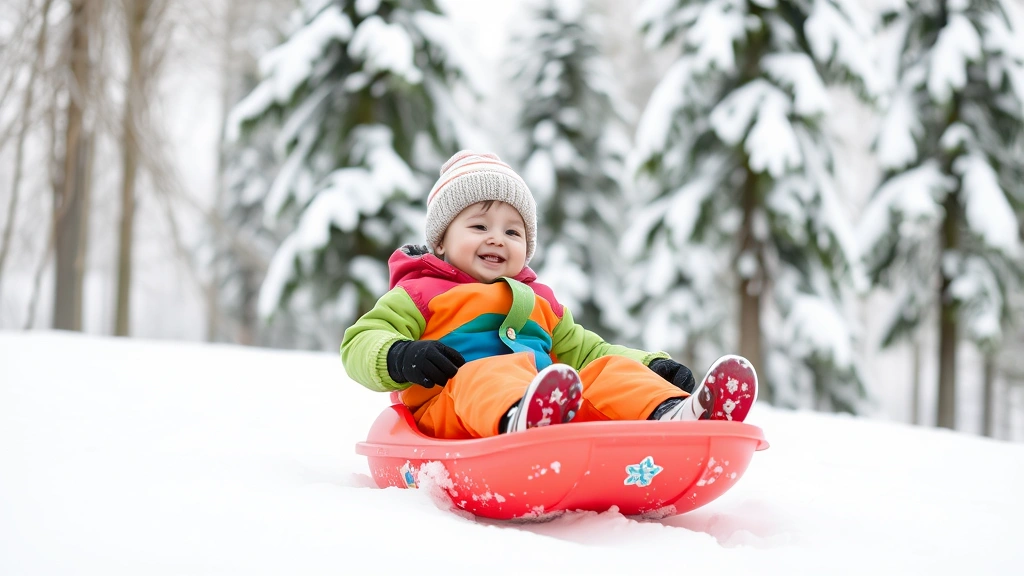
Additionally, if your baby will be spending time in snow—sledding, playing, or just exploring—a snowsuit provides the full-body protection they need. Snow can work its way into gaps between separate clothing pieces in ways that a one-piece suit prevents.
Types of Baby Snowsuits
Not all snowsuits are created equal. Understanding the different types helps you choose what works best for your situation and your child’s needs.
One-Piece Snowsuits
These are the classic option—a single garment that covers from neck to feet. They’re incredibly convenient, offering seamless protection and minimal gaps where cold air can enter. The downside? Diaper changes require unzipping the entire suit. Some brands have addressed this with rear zippers or snap-open bottoms, which is worth looking for if you’ll be changing diapers outside.
Two-Piece Snowsuits
A jacket paired with snow pants, two-piece suits offer more flexibility. You can mix and match pieces, wash them separately, and handle diaper changes more easily. They’re also slightly easier to store since pieces are more compact. However, you lose the seamless protection of a one-piece design, and there’s more potential for gaps to form.
Snowsuits with Built-In Accessories
Some premium snowsuits come with integrated baby hats, mittens, or even baby booties attached or included. These are fantastic for preventing the constant loss of tiny accessories, though they can be overkill if you already have quality winter accessories you prefer.
Growth-Accommodating Snowsuits
A few brands offer snowsuits with expandable features—adjustable straps, roll-able sleeves, or panels that can be let out. These are pricier upfront but can extend the usable life of the suit across multiple seasons or siblings.
Key Features to Look For
When you’re browsing snowsuits, these features will help you identify a quality option worth your investment.
Water Resistance and Breathability
Look for materials labeled as water-resistant or waterproof. However, balance this with breathability—if moisture can’t escape from inside the suit, your baby will get clammy and uncomfortable. Many quality suits use materials that repel water while allowing vapor to escape.
Insulation Type and Weight
Synthetic down or polyester insulation is standard and performs well even when wet. The weight of insulation matters too: heavier insulation works for extremely cold climates, but moderate insulation is often better for variable winter weather. Check the gram weight if available—usually between 100-400 grams for baby snowsuits.
Sealed Seams
Water can seep through regular stitching. Sealed seams prevent this, making them worth the premium. Look for this detail in product descriptions or reviews.
Zippers and Closures
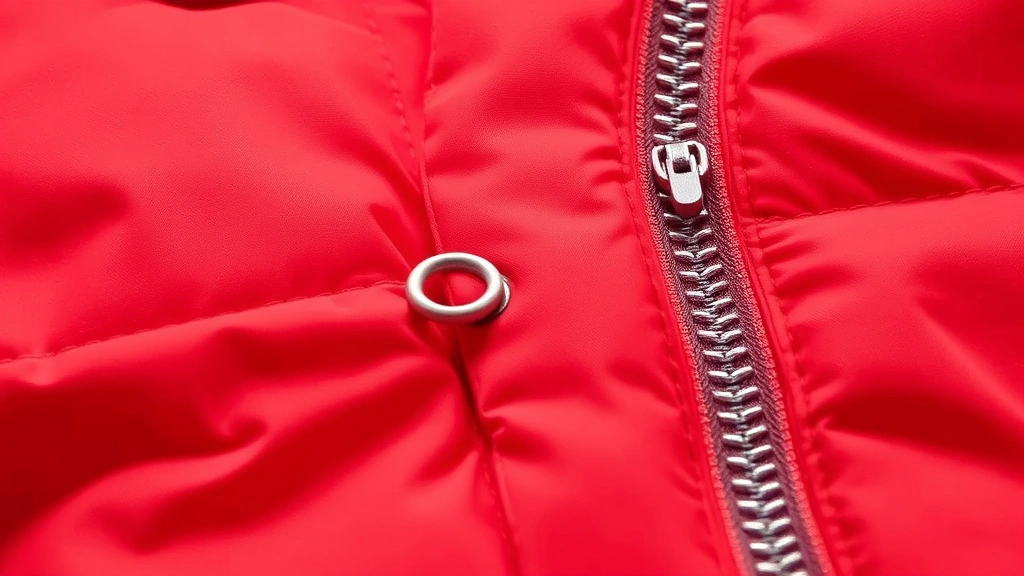
Quality zippers should be smooth and durable. Consider whether you want a front zip, rear zip, or side zip depending on your diaper-changing preferences. Some suits have two-way zippers (opening from both ends), which offers flexibility.
Reinforced Areas
The bottom of the suit, especially around the feet and seat, should have reinforced fabric to handle the wear and tear of crawling, sliding, and general baby chaos.
Fit and Adjustability
Look for adjustable cuffs, straps at the waist, and perhaps drawstring ankles. These features keep the suit fitting snugly without restricting movement, and they help prevent snow from getting inside.
Getting the Sizing Right
Sizing a baby snowsuit is trickier than you’d think, and getting it wrong can mean the suit is either uncomfortably tight or so loose it defeats the purpose of having it.
Room for Layering
You’ll want your baby wearing a long-sleeve shirt or two underneath the snowsuit. This means you need enough room for that layering without the suit being baggy. Generally, you should be able to pinch about an inch of fabric at the shoulders when your baby is fully dressed underneath.
Length Considerations
The suit should reach your baby’s wrists and ankles without being so long that fabric bunches up. Since babies grow quickly, many parents size up slightly, but too much extra length creates tripping hazards and reduces mobility.
Check the Weight Range
Most snowsuits are sized by age (12-18 months, 18-24 months, etc.) but also by weight ranges. Use the weight range as your primary guide, as it’s more accurate than age. Your baby’s current weight plus the weight of the layers underneath should fall within the manufacturer’s recommended range.
Trying It On
If possible, have your baby try on the snowsuit fully dressed in their base layers. This is the only way to know if the fit is actually right. If ordering online, check return policies carefully and order multiple sizes if needed.
Growth Consideration
Sizing up slightly for growth is tempting, but too much extra room compromises insulation effectiveness. A better approach is to plan to use the suit for one season and pass it along or donate it when your baby outgrows it. This also means you can choose the perfect fit for the current season.
Materials and Insulation Explained
Understanding what your snowsuit is made of helps you assess quality and performance.
Outer Shell Materials
Most snowsuits use polyester or nylon for the outer shell. These materials are durable, water-resistant when treated, and easy to clean. Some premium options use softer materials like fleece-lined nylon for added comfort. The outer shell should feel sturdy but not stiff or plastic-like.
Insulation Types
Synthetic down (polyester fill) is the most common insulation for baby snowsuits. It’s affordable, performs well even when damp, and is typically hypoallergenic. Genuine down is warmer but more expensive, can lose insulation properties when wet, and may pose allergy concerns for some babies.
Lining Materials
The inner lining should be soft and comfortable against your baby’s skin. Fleece linings are common and provide extra warmth and comfort. Some suits have moisture-wicking linings that help manage sweat.
Understanding Insulation Weight
Insulation is measured in grams. Lighter insulation (100-150g) works for mild winter conditions or layering-friendly climates. Moderate insulation (150-250g) handles most typical winters. Heavy insulation (250g+) is for extremely cold climates. More isn’t always better—it depends on your specific climate and your baby’s sensitivity to cold.
Eco-Friendly Options
If sustainability matters to your family, some brands now offer snowsuits with recycled insulation or organic outer materials. These perform comparably to conventional options while reducing environmental impact.
Top Brands Worth Considering
Several brands have built solid reputations for quality baby snowsuits. While this isn’t an exhaustive list, these are consistently well-reviewed options.
Columbia
Known for outdoor gear, Columbia’s baby snowsuits balance quality with reasonable pricing. They typically feature sealed seams and reliable insulation. Their sizing tends to run true, which is helpful.
The North Face
Premium pricing reflects premium quality. Their baby snowsuits use high-quality materials and thoughtful design features. They tend to run small, so check sizing carefully.
Reima
This Finnish brand specializes in outdoor children’s clothing and is particularly strong if you’re looking for durability and growth-accommodating features. They’re pricier but built to last multiple children.
Molo
Great for style-conscious parents, Molo offers colorful, well-designed snowsuits without sacrificing function. Their two-piece options are particularly popular.
Lands’ End
Reliable quality at moderate pricing. Their snowsuits are practical and straightforward, with good customer service and return policies.
When selecting among brands, consider your climate, budget, and how long you’ll use the suit. A pricier brand might be worth it if you plan to pass the suit to younger siblings, but a mid-range option is perfectly adequate for a single season of use.
Care and Maintenance Tips
Proper care extends your snowsuit’s life and maintains its performance.
Regular Cleaning
Brush off snow and dirt after each use. For deeper cleaning, most snowsuits can be machine washed on a gentle cycle with cold water. Use mild detergent and avoid fabric softener, which can damage water-resistant coatings.
Drying
Air dry whenever possible. If using a dryer, use low heat and remove the suit promptly to avoid wrinkles. High heat can damage insulation and outer materials.
Treating Water Resistance
Over time, the water-resistant coating can wear down. Some manufacturers offer re-treatment sprays. Reapplying these occasionally helps maintain performance.
Storage
Store in a cool, dry place during off-season. Use a breathable storage bag rather than plastic, which can trap moisture. Avoid storing in direct sunlight, which can fade colors and degrade materials.
Repair and Maintenance
Address small issues promptly. A small tear can be patched; a broken zipper can often be replaced. These minor repairs keep the suit functional for longer.
If you’re thinking about adding other winter essentials to your baby’s wardrobe, consider exploring options like quality baby boy clothes or baby girl clothes designed for layering underneath your snowsuit for maximum warmth and comfort.
Frequently Asked Questions
At what age can babies wear snowsuits?
Babies can wear snowsuits from birth, though most parents start using them around 3-6 months when outdoor winter activities become more common. Newborns are often kept indoors during harsh winter weather, so snowsuits aren’t immediately necessary. However, if you’re planning winter outings with a younger baby, a snowsuit designed for infants is absolutely appropriate.
Can I use a snowsuit instead of a regular winter coat?
Absolutely. In fact, a quality snowsuit is superior to a regular coat for winter weather because it provides full-body coverage and integrated insulation. If your climate has genuine winters with snow, a snowsuit is preferable to layering separate pieces.
How do I know if my baby is too hot in a snowsuit?
Check the back of your baby’s neck—if it’s warm or sweaty, they might be overheating. Overheating can actually be dangerous, so if you notice this, consider removing a layer underneath or opting for lighter insulation. Your baby’s cheeks should be rosy but not flushed, and they shouldn’t be sweating.
What should my baby wear under a snowsuit?
A long-sleeve shirt and pants are typically sufficient under a snowsuit. Avoid cotton, which retains moisture; instead, choose materials like merino wool or synthetic blends that wick moisture away. The goal is one or two light layers that provide insulation without creating bulk.
Are snowsuits necessary, or can I just layer?
You can layer without a snowsuit, but it’s less convenient and less effective. Layering leaves gaps where cold air enters, and managing multiple pieces is complicated with a mobile baby. Snowsuits are specifically designed to eliminate these issues, making them worth the investment if you have genuine winter weather.
How much should I spend on a baby snowsuit?
Quality baby snowsuits typically range from $60 to $300, depending on brand and features. A mid-range option ($80-150) usually offers excellent quality for a single season of use. Premium options ($200+) make sense if you plan to pass the suit to multiple children or want extended durability.
Can I buy a snowsuit that will fit for multiple seasons?
Some growth-accommodating snowsuits are designed to fit for two seasons, but most fit for one season before your baby outgrows them. For better value across multiple seasons, consider purchasing used snowsuits or looking for brands known for durability that you can pass to younger siblings.
What if my baby refuses to wear the snowsuit?
Some babies resist the restriction initially. Start by having them wear it indoors for short periods to get accustomed to it. Make it fun and positive. If your baby continues to resist, ensure the suit isn’t too tight—discomfort is often the culprit. You might also try a different style or brand, as fit and comfort vary.
Are two-piece snowsuits better than one-piece?
Both have advantages. One-piece suits offer seamless protection; two-piece suits offer flexibility and easier diaper changes. Choose based on your priorities and lifestyle. If you frequently change diapers outside, two-piece is better. If convenience is paramount, one-piece wins.
How do I transition my baby out of a snowsuit as they grow?
As your baby grows, you’ll eventually move to separate jackets and snow pants. This transition typically happens around age 3-4 when your child can better manage separate pieces and communicate their comfort level. Until then, snowsuits remain the most practical option.
Whether you’re preparing for your baby’s first winter or upgrading from last season’s gear, a quality snowsuit is an investment in both safety and sanity. And remember—a snowsuit pairs perfectly with other winter essentials. If you’re building out your baby’s complete winter wardrobe, check out our guide to baby registry must haves for other items worth considering. And if you’re shopping for gifts, a snowsuit makes an excellent choice—explore more options in our baby shower gift ideas article.
The bottom line: if winter is part of your world, a baby snowsuit isn’t a luxury—it’s a practical necessity that makes cold-weather parenting infinitely easier and keeps your little one warm and protected through the season.