Why Are Baby Socks Important? Parenting Insights
Let’s be honest: baby socks seem like one of those items that shouldn’t warrant much thought. They’re small, they’re cute, and they disappear into the laundry void at an alarming rate. Yet here’s the thing—those tiny pieces of fabric play a surprisingly significant role in your baby’s comfort, development, and overall well-being. Whether you’re a first-time parent or adding another little one to the family, understanding the importance of baby socks goes beyond just keeping tiny toes warm.
Parents often overlook the basics when they’re caught up in choosing between elaborate nursery themes or the latest gear. But the fundamentals matter tremendously. Baby socks are one of those foundational elements that affects everything from temperature regulation to developmental milestones. This article explores why baby socks deserve a spot on your priority list and how to choose the right ones for your little one.
From preventing overheating to supporting sensory development, the reasons behind proper sock selection are more nuanced than you might expect. Let’s dive into what makes this simple item so essential for your baby’s health and happiness.
Temperature Regulation and Comfort
One of the most critical functions baby socks serve is temperature regulation. Newborns and infants cannot regulate their body temperature as effectively as older children and adults. Their bodies lose heat rapidly through their extremities, and their feet are particularly vulnerable to temperature fluctuations.
When you dress your baby in appropriate socks, you’re creating a protective barrier that helps maintain consistent body temperature. This isn’t just about comfort—it’s about preventing hypothermia and other temperature-related complications. Babies who are too cold may become lethargic, feed poorly, or experience stress that affects their sleep and development.
Conversely, overheating is equally concerning. The American Academy of Pediatrics emphasizes that overheating increases the risk of Sudden Infant Death Syndrome (SIDS). This is where proper sock selection becomes crucial. You want socks that provide warmth without causing your baby to overheat, especially during sleep. Lightweight, breathable options are typically the best choice for indoor environments.
The key is finding that sweet spot—your baby’s feet should feel warm to the touch but not hot or sweaty. If you notice your baby’s feet are clammy or damp, it’s time to reassess your sock choice or the overall room temperature.
Developmental Benefits of Proper Footwear
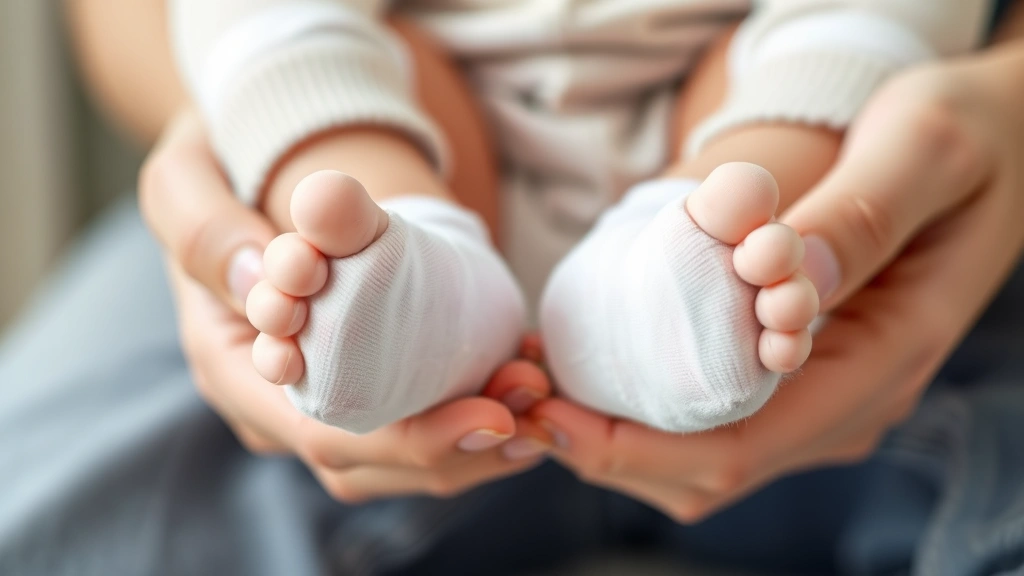
Beyond temperature, baby socks play an unexpected role in your child’s sensory and motor development. Babies learn about their world through sensation and movement. Their feet are incredibly sensitive, packed with nerve endings that send crucial information to their developing brain.
When babies wear socks that allow for natural movement and sensation, they’re getting valuable feedback about their body in space. This proprioceptive input is essential for developing coordination and body awareness. As your baby grows and begins to explore their own feet—a developmental milestone typically occurring around three to four months—proper socks shouldn’t interfere with this important discovery.
The texture and fit of socks also contribute to sensory experiences. Babies benefit from feeling different textures, and appropriately fitted socks allow them to maintain contact with surfaces as they learn to kick, move, and eventually crawl. Overly tight or restrictive socks can actually hinder these developmental processes by limiting natural movement and sensation.
Additionally, when you’re choosing baby boy clothes or baby girl clothes, the sock selection should complement the overall outfit’s support for movement. Socks that stay in place without being constrictive allow your baby to move freely, which is fundamental for healthy physical development.
Preventing Injury and Scratches
Babies are born with surprisingly sharp fingernails, and their feet can be equally vulnerable. Many newborns accidentally scratch their own faces with their hands, and their feet can suffer similar self-inflicted injuries if left unprotected.
Baby socks act as a protective barrier, preventing your infant from scratching their own feet or legs during sleep. This might seem minor, but consider that babies spend much of their early months sleeping. During these rest periods, uncontrolled movements can lead to small cuts or scratches that, while typically harmless, can become irritated or infected if not kept clean.
Furthermore, socks provide a layer of protection against environmental hazards. Whether your baby is on a soft blanket, a play mat, or being held by family members, socks create a barrier between delicate skin and potential irritants. This is particularly important for babies with sensitive skin or those prone to eczema.
The protective function extends to preventing blisters and friction injuries. As your baby begins to move more actively, socks that fit properly and use soft, non-irritating materials prevent the friction that could cause blisters or raw patches on developing skin.
How to Select the Right Baby Socks
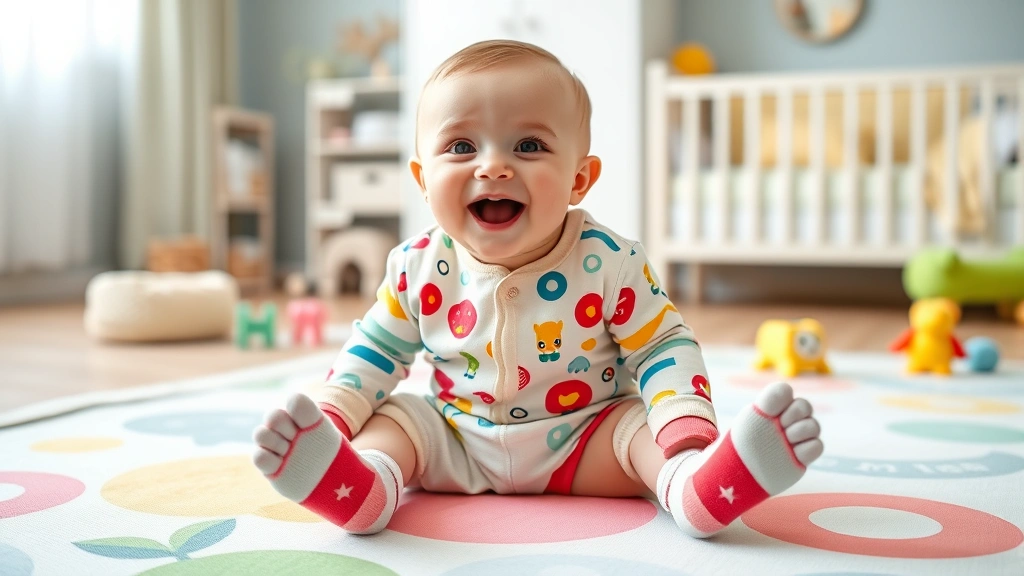
Choosing baby socks isn’t about picking the cutest pair you find. Several practical factors should guide your selection. First, consider the size and fit. Baby socks should be snug enough to stay on but loose enough that they don’t restrict circulation or leave marks on your baby’s skin.
Many parents make the mistake of choosing socks based on their baby’s age rather than their actual foot size. Babies grow at different rates, and what fits one three-month-old might be completely wrong for another. Look for socks specifically designed for your baby’s current foot measurements rather than relying solely on age-based sizing.
The quantity matters too. Most parents underestimate how many socks they’ll need. Between laundry cycles, lost socks, and the inevitable accidents, having at least twelve to fifteen pairs ensures you’re not constantly washing socks. This is especially true during the newborn phase when laundry seems endless.
When shopping for complementary items like baby uggs for older infants, ensure that any sock worn underneath is appropriate for the footwear. Thick socks under certain shoes can create uncomfortable pressure points or restrict toe movement.
Material Matters: What Your Baby’s Feet Deserve
The material composition of baby socks directly impacts your child’s comfort and health. Cotton is often considered the gold standard for baby clothing, and socks are no exception. High-quality cotton socks are breathable, soft, and gentle on sensitive skin.
Look for organic cotton options when possible. These are grown without synthetic pesticides or fertilizers, reducing the risk of skin irritation. Since babies’ skin is significantly more permeable than adult skin, they absorb substances more readily, making organic options worth the investment.
Bamboo fabric is another excellent choice. It’s naturally hypoallergenic, moisture-wicking, and incredibly soft. Many parents find that bamboo socks work particularly well for babies with eczema or other skin sensitivities.
Avoid socks with elastic that’s too tight, as this can restrict blood flow and create uncomfortable marks on your baby’s legs. Similarly, steer clear of socks with decorative elements like beads or buttons that could become choking hazards or cause irritation.
Wool socks can be appropriate for outdoor use or cooler climates, but they should be merino wool or other fine varieties specifically treated for baby use. Regular wool can be too itchy for delicate skin. If you’re considering items like baby shower dresses in cooler seasons, pair them with appropriate wool or wool-blend socks designed for sensitive skin.
The seams matter more than many parents realize. Look for socks with flat seams or seamless construction. Regular seams can create pressure points that irritate your baby’s skin, especially during sleep when babies can’t adjust their position to relieve discomfort.
Common Mistakes Parents Make
Understanding what not to do is just as important as knowing what to prioritize. One of the most common mistakes is buying too many decorative socks without considering functionality. While those tiny socks with animal faces are adorable, they’re often less practical than simple, well-fitting pairs.
Another frequent error is keeping socks on during sleep when they’re not necessary. If your baby is in a warm room and wearing appropriate sleepwear, additional socks might contribute to overheating. The recommendation from the American Academy of Pediatrics emphasizes keeping sleep environments cool and removing excess layers to reduce SIDS risk.
Parents also often fail to check socks regularly for fit changes. Babies grow rapidly, and socks that fit perfectly one month might be too tight or too loose the next. Tight socks can leave marks on your baby’s skin and potentially affect circulation, while loose socks are simply ineffective and will fall off constantly.
Many caregivers overlook the importance of changing socks when they become damp. Whether from spit-up, drool, or sweat, wet socks should be changed immediately to prevent skin irritation and maintain proper temperature regulation.
It’s also a mistake to assume all “baby” products are safe for your child. Some decorative socks marketed to infants contain materials or dyes that can irritate sensitive skin. Always check labels and opt for products from reputable manufacturers who prioritize baby safety.
Hygiene and Health Considerations
Proper sock hygiene is an often-overlooked aspect of baby care. Since socks are in direct contact with your baby’s skin and feet, they need to be cleaned thoroughly and regularly. Use gentle, fragrance-free detergent designed for baby clothes, avoiding fabric softeners and dryer sheets that can irritate sensitive skin.
Wash socks in warm water and dry them completely before use. Damp socks create an environment where bacteria and fungi can thrive, potentially leading to fungal infections or other skin conditions. If you notice any signs of infection—such as redness, swelling, or unusual odor—consult your pediatrician.
Store clean socks in a clean, dry location away from dust and potential contaminants. Some parents prefer to keep baby socks in a separate drawer from adult clothing to minimize cross-contamination risks.
Pay attention to your baby’s skin when socks are removed. Look for any signs of irritation, pressure marks, or unusual redness. These can indicate that your socks aren’t fitting properly or that the material isn’t suitable for your baby’s skin type. If you notice persistent issues, consider switching to hypoallergenic materials or consulting your pediatrician.
For babies with certain health conditions or skin sensitivities, your pediatrician might recommend specific sock types or materials. Always follow medical advice when provided, as it takes precedence over general recommendations.
When considering complementary baby care products like baby shampoo, remember that the same care principles apply. Use gentle, baby-specific products on your infant’s skin, and this extends to the materials touching their feet through socks.
Frequently Asked Questions
How many pairs of baby socks do I actually need?
Most experts recommend having twelve to fifteen pairs of baby socks. This ensures you have enough clean pairs between laundry cycles while accounting for lost socks and accidents. During the newborn phase when laundry is frequent, having this quantity prevents constant washing and gives you flexibility in your routine.
Should babies wear socks to bed?
This depends on your room temperature and your baby’s sleep setup. If your baby is in a warm room and wearing appropriate sleepwear, additional socks might contribute to overheating. Follow CDC guidelines for safe sleep, which emphasize keeping sleep environments cool and avoiding excess layers. When in doubt, check your baby’s neck or back to see if they feel too warm.
What’s the best material for sensitive skin?
Organic cotton and bamboo are typically the best choices for sensitive skin. Both materials are hypoallergenic and breathable. If your baby has eczema or known skin sensitivities, look specifically for socks labeled as hypoallergenic or designed for sensitive skin, and consider organic options to minimize exposure to chemical residues.
Why do baby socks keep falling off?
Socks fall off when they’re too loose or when your baby is very active. Make sure you’re sizing socks appropriately to your baby’s current foot size rather than their age. Some parents find that socks with grips on the bottom or slightly tighter elastic (without being restrictive) stay in place better. However, never prioritize staying-on over comfort and circulation.
How often should I replace baby socks?
Replace socks when they no longer fit properly, show signs of wear, have developed holes, or have lost their elasticity. Given how quickly babies grow, you might need to size up every few months. Regular inspection ensures your baby always has properly fitting, safe socks.
Are expensive baby socks worth it?
Higher price doesn’t always mean better quality. Focus on material composition, construction, and fit rather than brand name or price tag. A well-made pair of organic cotton socks from a reputable manufacturer might cost more than decorative socks but will likely last longer and be safer for your baby’s skin.
What should I do if my baby has a reaction to certain socks?
If you notice redness, rashes, or irritation after your baby wears specific socks, remove them immediately and switch to a different material or brand. Wash the affected area gently with warm water and consult your pediatrician if the irritation persists. This reaction often indicates that your baby’s skin is sensitive to the material or dyes used in those particular socks.