
Is Baby Squid Safe for Kids? Nutrition Insights and Feeding Guidelines
As parents explore diverse foods for their growing children, seafood options often spark important questions about safety and nutrition. Baby squid—also called calamari—is increasingly appearing on family menus, but many caregivers wonder whether this tender mollusk is appropriate for young eaters. The good news is that when prepared thoughtfully and introduced at the right developmental stage, baby squid can be a nutritious addition to your child’s diet, offering unique benefits alongside some considerations parents should understand.
This comprehensive guide examines the nutritional profile of baby squid, addresses common safety concerns, and provides practical strategies for introducing this seafood to your family. Whether you’re planning meals for toddlers, school-age children, or teens, you’ll find evidence-based information to make confident feeding decisions aligned with pediatric nutrition recommendations.
Table of Contents
- Nutritional Benefits of Baby Squid
- Safety Considerations and Age Guidelines
- Mercury and Contaminant Levels
- Choking Hazard Prevention
- Best Preparation Methods for Kids
- Shellfish Allergies and Sensitivities
- Creative Serving Ideas
- Frequently Asked Questions
Nutritional Benefits of Baby Squid
Baby squid delivers impressive nutritional value in a relatively small serving. A 3-ounce portion of cooked baby squid contains approximately 13 grams of protein, making it an excellent choice for supporting muscle development and overall growth in children. This protein content rivals that of chicken breast, yet squid provides unique micronutrients that land-based proteins cannot match.
One of the standout nutrients in baby squid is selenium, a mineral essential for thyroid function and immune system development. Children’s bodies require adequate selenium for cognitive development and protection against oxidative stress. Baby squid also provides significant amounts of B vitamins, particularly B12, which supports nerve function and red blood cell formation—critical during childhood’s rapid development phases.
Additionally, baby squid contains omega-3 fatty acids, though in lower quantities than fatty fish like salmon. These polyunsaturated fats support brain development and have anti-inflammatory properties beneficial for growing bodies. The mineral profile also includes iron, zinc, and copper—all crucial for childhood development, energy production, and immune function.
Compared to many land-based protein sources, baby squid is remarkably lean, containing only about 1.4 grams of fat per 3-ounce serving. This makes it an excellent option for families seeking protein sources that won’t contribute excessive saturated fat to children’s diets, particularly important as childhood obesity and metabolic health concerns affect increasing numbers of young people.
When incorporated into a balanced diet alongside vegetables, whole grains, and other nutrient-dense foods, baby squid contributes to meeting American Academy of Pediatrics nutritional guidelines for optimal childhood development.
Safety Considerations and Age Guidelines
Introducing baby squid requires understanding your child’s developmental readiness and individual risk factors. The American Academy of Pediatrics recommends introducing common allergens, including shellfish, between 4-6 months of age when babies show developmental readiness for solid foods. This early introduction may reduce the risk of shellfish allergies developing later in childhood.
For babies 6-8 months old, finely minced or pureed baby squid can be introduced if your family has no shellfish allergy history. However, whole pieces should be avoided due to choking risk. Many pediatricians recommend waiting until 8-12 months when babies develop more sophisticated chewing abilities before introducing small, soft pieces.
For toddlers 12-24 months, small, well-cooked pieces of baby squid cut into age-appropriate sizes (roughly pea-sized or smaller) can be offered. At this stage, children are developing molar teeth and improved chewing coordination, though vigilance remains essential. Always supervise eating and ensure pieces are properly softened through cooking.
For children 2+ years, baby squid can be cut into slightly larger pieces—approximately the size of a small grape—as chewing ability improves. School-age children and adolescents can handle standard restaurant portions with appropriate supervision and eating habits.
Before introducing any new seafood, consult your pediatrician, especially if your family has documented shellfish allergies or severe food allergies of any type. Your healthcare provider can assess individual risk factors and provide personalized guidance aligned with your child’s health history.
Mercury and Contaminant Levels
Parents understandably worry about mercury in seafood, particularly when feeding growing children whose developing neurological systems are vulnerable to heavy metal exposure. The good news regarding baby squid is that squid generally contains very low mercury levels, making it one of the safer seafood choices for children.
According to FDA guidance on seafood and mercury, squid ranks among the “best choices” for children, similar to shrimp and canned light tuna. The FDA recommends children can consume 2-3 servings weekly from the “best choices” category. This contrasts sharply with high-mercury fish like shark, swordfish, and king mackerel, which should be avoided entirely for young children.
The reason squid maintains low mercury levels relates to its feeding behavior and lifespan. Baby squid, by definition, are young mollusks that haven’t lived long enough to accumulate significant mercury through bioaccumulation—the process where heavy metals concentrate in organisms over time. Additionally, squid’s position in the marine food web differs from large predatory fish, reducing mercury exposure.
Beyond mercury, squid shows low accumulation of other concerning contaminants like PCBs and dioxins compared to certain other seafood options. This makes baby squid a reliable choice for families seeking nutritious seafood without the contamination concerns associated with other marine proteins.
To further minimize any potential risks, source baby squid from reputable suppliers, preferably wild-caught from clean waters rather than farmed sources with unknown environmental conditions. When dining out or purchasing prepared dishes, ask about the squid’s origin when possible.

Choking Hazard Prevention
While baby squid’s tender texture makes it generally safe compared to harder seafood options, proper preparation and portion control are essential to prevent choking incidents. Squid’s unique texture—somewhat rubbery when undercooked but tender when properly prepared—requires attention to cooking method and cutting technique.
The most critical prevention strategy involves cooking baby squid until it reaches optimal tenderness. Undercooked squid becomes tough and chewy, increasing choking risk dramatically. Conversely, overcooking can cause it to become too soft and difficult for children to manipulate safely. The ideal preparation involves cooking at gentle heat for 30-45 minutes or using tender preparation methods like braising or stewing.
When serving to young children, cut baby squid into pieces smaller than would seem necessary for adults—approximately pea-sized or smaller for children under 4 years old. Even small pieces should be moist and easily mashable between your fingers. Never serve whole baby squid, rings, or large chunks to children under 5 years old.
Supervision during eating is non-negotiable. Ensure your child sits upright at a proper eating surface, takes small bites, and thoroughly chews before swallowing. Avoid serving baby squid during rushed meals, in cars, or while children are playing or distracted. These contextual factors significantly increase choking risk for any food.
Teaching children to chew thoroughly before swallowing reduces risk substantially. Model proper eating behaviors yourself, and gently remind young eaters to “chew, chew, chew” before swallowing. This habit formation benefits not just seafood consumption but overall eating safety throughout childhood.
Best Preparation Methods for Kids
How you prepare baby squid dramatically impacts both safety and palatability for young eaters. Gentle cooking methods that preserve tenderness while ensuring thorough cooking work best for family meals.
Braising Method: This involves simmering baby squid in broth or tomato sauce for 30-40 minutes until very tender. This method infuses flavor while ensuring proper texture. The resulting liquid becomes a delicious sauce for rice or pasta, making it a complete meal. Braising works particularly well for introducing squid to hesitant eaters, as the mild flavors and sauce appeal to developing palates.
Steaming Method: Steaming preserves delicate flavors and ensures even cooking without added fat. Steam baby squid for 20-25 minutes until tender, then cut into appropriate portions and serve with mild seasonings or light sauces. This method is ideal for younger children sensitive to strong flavors.
Slow Cooker Method: Combining baby squid with vegetables and broth in a slow cooker for 4-6 hours on low heat creates exceptionally tender squid with minimal intervention. This family-friendly approach allows you to prepare dinner ahead while managing other parenting responsibilities.
Avoid These Methods: Don’t fry baby squid for young children—fried foods increase choking risk and add unnecessary fat. Avoid quick high-heat cooking that can result in rubbery texture. Skip heavy spices and strong flavors until children are older and have developed more sophisticated taste preferences.
Season baby squid mildly for young eaters using familiar flavors like mild garlic, lemon, or herbs. As children grow and develop adventurous eating habits, gradually introduce more complex seasonings. Pairing baby squid with comprehensive parenting guidance on introducing diverse foods helps normalize varied eating experiences throughout childhood.
Shellfish Allergies and Sensitivities
While shellfish allergies affect approximately 0.1% of children in the United States, they represent one of the most common food allergies and can trigger serious reactions. Understanding your family’s allergy risk is crucial before introducing baby squid.
Importantly, squid is a mollusk, not a crustacean shellfish. Crustacean shellfish—shrimp, crab, and lobster—trigger the majority of shellfish allergies. However, some individuals experience cross-reactivity between mollusks and crustaceans, meaning allergies to one can sometimes predict allergies to the other. This makes family allergy history particularly relevant when considering baby squid introduction.
If your family has no documented shellfish allergies, introducing baby squid during the recommended early introduction window (4-6 months) may actually reduce allergy risk through early allergen exposure. Emerging research supports early introduction of common allergens as a potential strategy for allergy prevention.
If your family does have shellfish allergies, consult your pediatrician or allergist before introducing squid. They can assess cross-reactivity risk and potentially conduct allergy testing to determine whether squid is safe for your child. Some allergic individuals tolerate mollusks without issue, while others experience reactions.
When first introducing baby squid, offer a small amount during daytime hours when medical care is readily available. Watch for signs of allergic reaction including hives, swelling of lips or tongue, vomiting, diarrhea, or difficulty breathing. If any allergic symptoms appear, avoid further squid consumption and contact your pediatrician immediately.
Creative Serving Ideas for Family Meals
Making baby squid appealing to young eaters requires creative presentation and integration into familiar meal structures. Here are practical approaches for introducing squid into your family’s regular rotation:
Mild Tomato-Based Dishes: Simmer baby squid in mild tomato sauce with hidden vegetables like carrots and zucchini. Serve over pasta or with rice. The familiar tomato flavor helps children accept the new protein, while vegetables add nutritional value. This mirrors family-friendly meal planning strategies that incorporate new foods into established meal patterns.
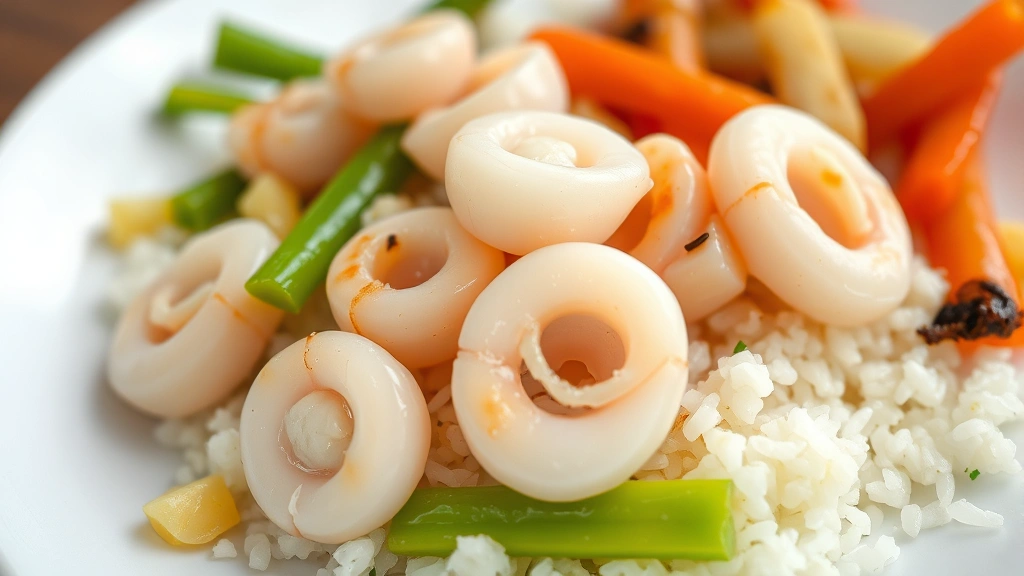
Creamy Rice Bowls: Combine tender baby squid with mild cream sauce and serve over soft rice with peas and corn. The creamy texture and familiar vegetables make this appealing to younger palates while delivering nutrition.
Mild Seafood Medley: Combine baby squid with other mild seafood like white fish and shrimp in a gentle broth. This introduces variety while keeping individual flavors mild and approachable.
Hidden in Familiar Dishes: Finely mince cooked baby squid and incorporate into meatballs, fish cakes, or fritters combined with breadcrumbs and eggs. The familiar structure helps children accept the new ingredient.
Dipping Format: Cut tender baby squid into small pieces and serve with mild dipping sauces—yogurt-based sauces, mild marinara, or lemon-butter sauce. This playful presentation appeals to children’s natural curiosity about food.
Regardless of preparation method, involve children in meal planning and preparation when age-appropriate. Children who help prepare foods show greater willingness to try them, transforming baby squid from an intimidating new food into an exciting family project.
Frequently Asked Questions
At what age can babies safely eat baby squid?
Babies showing readiness for solid foods (typically 6 months) can try finely pureed or minced baby squid if no family shellfish allergy history exists. Whole pieces should wait until 8-12 months when chewing ability improves. Always supervise and consult your pediatrician before introducing any new foods.
Is baby squid high in mercury like other seafood?
No. Baby squid ranks among the lowest-mercury seafood options, classified by the FDA as a “best choice” for children. Children can safely consume 2-3 servings weekly from this category. Its low mercury content makes it safer than many other fish options.
Can baby squid cause allergies in children?
Squid is a mollusk, distinct from crustacean shellfish that cause most allergies. However, some cross-reactivity exists. If your family has no shellfish allergies, early introduction may reduce allergy risk. If shellfish allergies run in your family, consult an allergist before introducing squid.
What’s the best way to cook baby squid for kids?
Gentle methods like braising, steaming, or slow-cooking ensure optimal tenderness while preventing the rubbery texture that increases choking risk. Cook until very tender—typically 30-45 minutes. Avoid frying and high-heat quick cooking methods.
How should I cut baby squid for my toddler?
For toddlers, cut baby squid into pea-sized pieces or smaller, ensuring pieces are moist and easily mashable. Never serve whole squid, rings, or large chunks. Pieces should be smaller than you’d serve an adult due to developing chewing abilities.
How does baby squid compare nutritionally to chicken or beef?
Baby squid provides comparable protein to chicken (13g per 3 oz) but with unique micronutrients like selenium, B12, and omega-3 fatty acids. It’s leaner than beef while offering distinct nutritional benefits, making it a valuable protein diversity strategy.
Is farmed or wild-caught baby squid better for children?
Wild-caught squid from clean waters is generally preferable, as it avoids potential concerns associated with farmed seafood environments. Source from reputable suppliers and ask about origin when possible to ensure quality and environmental safety.
Can baby squid be part of a balanced children’s diet?
Absolutely. When introduced appropriately and prepared safely, baby squid contributes valuable protein, selenium, B vitamins, and omega-3 fatty acids to children’s diets. Include it alongside vegetables, whole grains, and other protein sources for balanced nutrition supporting optimal development.