What Do Baby Squirrels Eat? A Complete Care Guide for Wildlife Enthusiasts
Finding a baby squirrel can trigger an immediate urge to help, but before you reach for the nearest snack, understanding proper nutrition is absolutely critical. Baby squirrels have incredibly specific dietary needs that shift dramatically as they grow, and getting it wrong can have serious consequences for their development and survival. Unlike caring for a baby monkey or other exotic animals, squirrel care requires knowledge of their natural progression from complete dependence to independence.
Whether you’ve discovered an orphaned kit, found one fallen from a nest, or you’re simply curious about wildlife nutrition, this guide breaks down everything you need to know about feeding baby squirrels. We’ll explore the different life stages, appropriate food options, feeding schedules, and when it’s time to contact a professional wildlife rehabilitator. The stakes are high, but with the right information, you can make a real difference.
Before we dive deep, it’s worth noting that caring for wild animals comes with significant responsibility. Many regions have specific regulations about wildlife rehabilitation, and professional rehabilitators have specialized training that goes far beyond what home care can provide. However, understanding the basics helps you make informed decisions in emergency situations.
Understanding Baby Squirrel Age Stages
Baby squirrels progress through distinct developmental phases, and their nutritional requirements change dramatically at each stage. Knowing how old your baby squirrel is becomes the foundation for everything that follows. The physical characteristics tell you what your little friend needs.
Newborn squirrels (0-3 weeks) are completely hairless, have their eyes closed, and weigh less than an ounce. They’re entirely dependent on mother’s milk and cannot regulate their own body temperature. At 3-6 weeks, their eyes open, fur starts growing in, and they begin exploring their environment. By 6-10 weeks, they’re curious and mobile, starting to nibble solid foods while still nursing. Finally, juvenile squirrels (10-14 weeks) are nearly independent, spending most of their time foraging and only occasionally nursing.
This progression mirrors what you’d observe in other young mammals—similar to how a baby beaver transitions from complete dependence to foraging independently. However, squirrels follow their own unique timeline and dietary path.
Newborn Squirrels: The First Weeks
The most critical phase of a baby squirrel’s life is the first few weeks when they’re entirely dependent on milk. If you’ve found a newborn squirrel without its mother, your immediate priority is providing appropriate nutrition—and this is where most well-meaning rescuers make their first mistake.
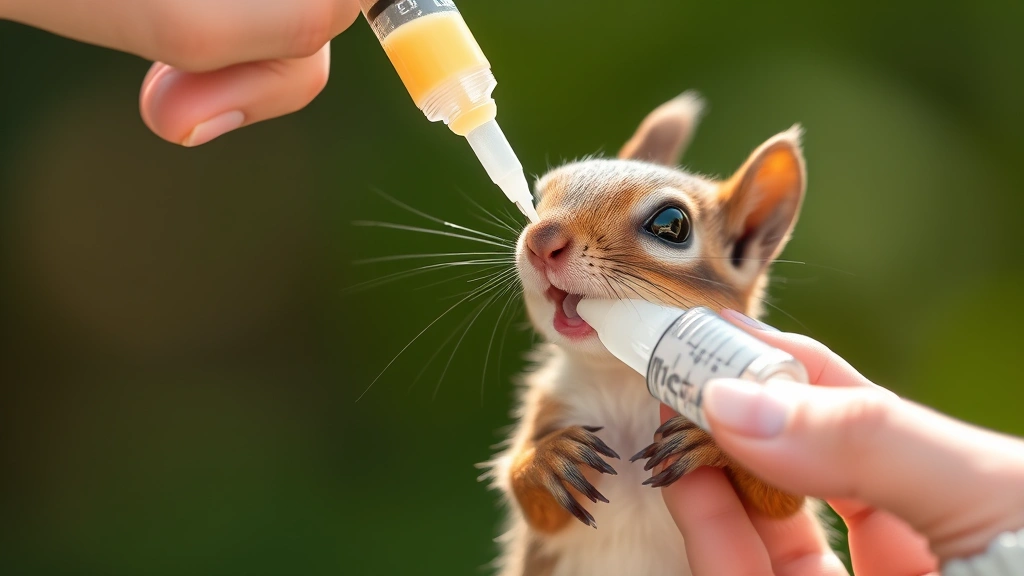
Mother’s milk is irreplaceable. Commercial cow’s milk, goat’s milk, or standard puppy formula are all inappropriate and can cause serious digestive issues, dehydration, or even death. Baby squirrels require specialized formula that mimics their mother’s milk composition. The best option is Esbilac puppy formula (specifically the powder version mixed according to squirrel-specific ratios), which has been used successfully by wildlife rehabilitators for decades.
The formula should be warmed to approximately 98-100°F before each feeding. Using a syringe with a small nipple attachment (not a human baby bottle), you’ll feed newborns every 2-3 hours, including overnight feedings. The amount starts tiny—just a few drops—and gradually increases as the squirrel grows. Overfeeding is a common problem that leads to aspiration pneumonia, so patience and restraint are essential.
Feeding technique matters enormously. Hold the baby squirrel upright or slightly tilted (never on its back like a human infant), and let it suckle at its own pace. Watch for milk around the nose, which indicates the formula is going into the lungs rather than the stomach. If this happens, stop immediately and allow the squirrel to clear its airway.
The Weaning Period and Food Transition
Around 6-8 weeks, baby squirrels naturally begin losing interest in formula and start exploring solid foods. This weaning period is gradual, not abrupt. The squirrel will continue nursing while increasingly foraging on its own. Your role is to make appropriate foods available while slowly reducing formula quantities.
The transition is similar to what you’d see with other young wildlife—though different species have vastly different nutritional needs. You can learn about broader wildlife development by exploring resources about baby elephant care, which demonstrates how each species requires specialized knowledge.
During this phase, introduce soft foods gradually. Start with foods the squirrel would naturally encounter: soft fruits like banana or apple pieces (no seeds), moistened nuts, and tender vegetables. Watch for interest and gradual acceptance. Some baby squirrels take to solid foods enthusiastically, while others are hesitant. This is normal.
Continue formula feeding during this transition, but reduce frequency from every 2-3 hours to 3-4 times daily by week 8, then down to twice daily by week 10. By 12 weeks, most squirrels can survive entirely on solid food and water, though they may still accept formula if offered.
Introducing Solid Foods
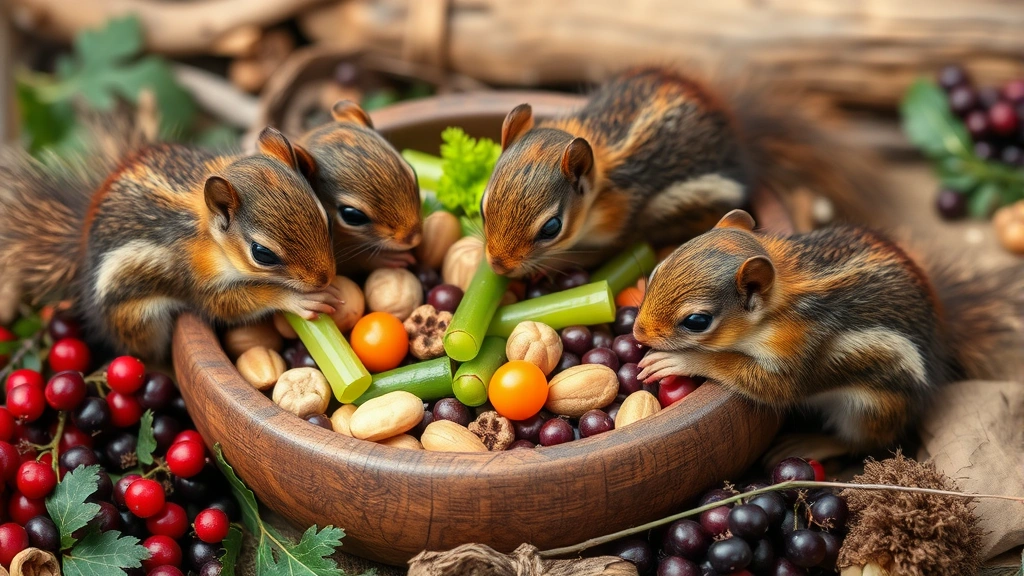
Once your baby squirrel shows readiness for solid foods (usually around 6-8 weeks), the variety of appropriate options expands significantly. However, not all squirrel foods are created equal, and some common “squirrel foods” are actually problematic.
Excellent solid food options include:
- Raw or lightly cooked vegetables: carrots, broccoli, leafy greens, sweet potato
- Fresh fruits: apples (no seeds), berries, melon, grapes, pears
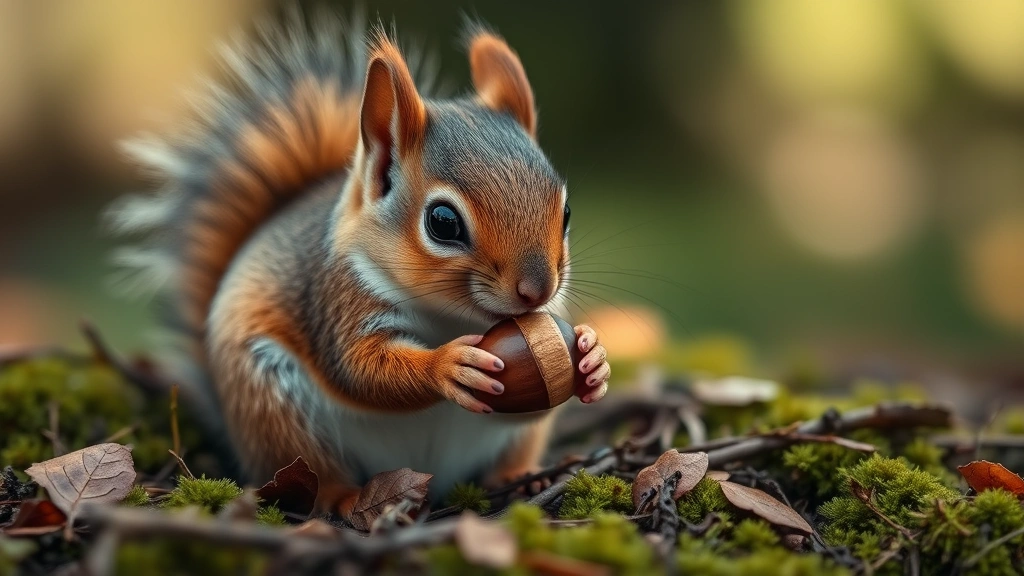
- Nuts in the shell: acorns, walnuts, hazelnuts, pine nuts (unsalted)
- Seeds: sunflower seeds, pumpkin seeds, safflower seeds
- Whole grains: oats, whole wheat bread, brown rice
- Legumes: cooked beans, lentils, peas
Foods to absolutely avoid:
- Chocolate (toxic to squirrels)
- Avocado (contains persin, which is harmful)
- Macadamia nuts (cause weakness and tremors)
- Onions and garlic (damage red blood cells)
- Processed foods and artificial sweeteners
- Pesticide-treated produce
- Moldy or spoiled foods
The key to solid food success is variety and balance. Baby squirrels need diverse nutrition to develop properly. Rotate through different vegetables, fruits, and nuts throughout the week. This mimics their natural diet and ensures they receive a full spectrum of nutrients.
Many people wonder whether they should supplement their baby squirrel’s diet with specialized products. While free baby stuff might seem appealing when caring for young animals, investing in proper nutrition is never an area to cut corners. Reputable wildlife rehabilitators sometimes use vitamin supplements, but this should only be done under professional guidance.
Hydration Needs Throughout Development
Water is absolutely essential, but baby squirrels can’t drink from standing water sources without risk of aspiration. During the formula-feeding phase (0-8 weeks), the squirrel receives hydration through the formula itself. Once solid foods are introduced, water access becomes critical.
Provide water in a shallow dish or a water bottle with a small ball-bearing sipper tube. Many baby squirrels learn to use bottles quickly, but some prefer shallow dishes. Experiment to see what your squirrel prefers. Change water daily and ensure it’s always fresh and clean.
Signs of dehydration include lethargy, sunken eyes, and dry skin. During hot weather or if your baby squirrel has diarrhea, monitor hydration status closely. Dehydration can become life-threatening quickly in small animals.
Establishing a Proper Feeding Schedule
Consistency matters tremendously for baby squirrels. Their digestive systems thrive on predictable feeding patterns, and irregular schedules can cause stress and digestive upset.
Newborn to 3 weeks (formula only): Every 2-3 hours, including overnight. This means 8-12 feedings daily. Yes, it’s exhausting, but this is why professional rehabilitators are so valuable.
3-6 weeks (formula only): Every 3-4 hours, approximately 6-8 feedings daily.
6-8 weeks (formula and solid foods): Formula 4-5 times daily, with solid foods available constantly. The squirrel will nibble solid foods as interest develops.
8-10 weeks (mostly solid foods): Formula 2-3 times daily, solid foods and water available at all times.
10-14 weeks (independent): Solid foods and water available constantly. Formula becomes optional.
The transition isn’t rigid—every squirrel develops at slightly different rates. Watch your individual squirrel’s behavior and adjust accordingly. If a squirrel refuses formula but eagerly eats solid foods, that’s a signal to reduce formula offerings.
Common Feeding Mistakes to Avoid
After years of wildlife rehabilitation reports and veterinary guidance, certain mistakes emerge repeatedly. Learning from others’ experiences can save your baby squirrel’s life.
Mistake #1: Using inappropriate formula. Cow’s milk, goat’s milk, or generic puppy formula lack the proper fat and protein ratios squirrels need. Esbilac powder (mixed stronger than dog instructions) or specialized wildlife formula are the only appropriate choices.
Mistake #2: Overfeeding. Well-meaning caretakers often feed too much, too frequently. This leads to aspiration pneumonia, obesity, and metabolic issues. Follow age-appropriate quantities carefully.
Mistake #3: Feeding on the back. Squirrels cannot safely eat lying on their backs like human babies. This position causes formula to enter the lungs instead of the stomach. Always feed upright or slightly tilted.
Mistake #4: Neglecting temperature regulation. Baby squirrels cannot generate their own body heat. Formula must be warm, and the environment should be kept around 85-90°F for very young squirrels, gradually cooling as they develop fur and can regulate temperature. Many rescued baby squirrels suffer from hypothermia, which is fatal if not corrected.
Mistake #5: Introducing foods too early. Some people start solid foods at 4 weeks, which is too early. The digestive system isn’t ready, and it can cause serious problems. Wait until at least 6 weeks and watch for genuine interest in food.
Mistake #6: Forgetting about professional help. If your baby squirrel isn’t gaining weight, has diarrhea, seems lethargic, or shows any signs of illness, contact a wildlife rehabilitator or exotic animal veterinarian immediately. Home care has limits, and knowing when to seek professional help is crucial.
If you’re exploring wildlife care broadly, you might find it helpful to understand how different species are cared for. For instance, baby book resources about various animals can provide context, though species-specific guidance is always more reliable than generalized information.
Professional wildlife rehabilitators have access to specialized formulas, veterinary care, and expertise that home caretakers simply don’t possess. According to the Association of American Feed Control Officials, proper nutrition for orphaned wildlife requires precision that’s difficult to achieve outside professional settings.
Frequently Asked Questions
Can I feed a baby squirrel regular puppy formula?
No. While puppy formula is closer to appropriate than cow’s milk, it still isn’t ideal for squirrels. Esbilac puppy formula mixed at double strength (following wildlife rehabilitation guidelines, not package directions) is the accepted standard. Pediatric and animal health organizations emphasize species-specific nutrition for optimal development.
How often should I feed a 2-week-old baby squirrel?
Every 2-3 hours, including overnight feedings. This means approximately 8-12 feedings per day. At this age, the squirrel’s stomach is tiny and cannot hold enough formula to sustain longer intervals. This is genuinely challenging without professional support.
When can baby squirrels eat nuts?
Around 8-10 weeks, when they have sufficient jaw strength and dental development. Start with softer nuts like hazelnuts and gradually introduce harder varieties. Always provide nuts in the shell when possible, as this encourages natural foraging behavior.
What should I do if I find a baby squirrel outside?
First, determine if intervention is actually needed. If the baby appears healthy and alert, the mother is likely nearby and will retrieve it. Only intervene if the squirrel is injured, covered in insects, or has been exposed to predators. The Humane Society recommends contacting local wildlife rehabilitators before attempting home care.
Can I release a hand-raised baby squirrel back to the wild?
This is complicated. Hand-raised squirrels often lack natural fear of humans and predators, making survival difficult. However, gradual acclimation starting around 10-12 weeks can help. The squirrel should be released in an area with abundant food and shelter, ideally near where it was found. Many wildlife rehabilitators specialize in this transition process.
How do I know if my baby squirrel is getting enough food?
Healthy baby squirrels gain weight consistently—roughly doubling their birth weight by 3 weeks. They should have round, slightly bulging bellies after feeding, and they should be alert and active. If weight gain stalls or the squirrel seems lethargic, consult a veterinarian immediately.
Is it legal to keep a baby squirrel?
This varies by location. Many regions classify squirrels as wildlife and prohibit private ownership without special permits. Even where legal, most experts recommend against it. Squirrels have complex social and environmental needs that home settings cannot provide. Contact your local wildlife agency for specific regulations.
What’s the difference between caring for a baby squirrel versus other young animals?
Each species has dramatically different needs. While you might find information about caring for a baby monkey or other wildlife, squirrels require their own specialized knowledge. Their digestive systems, developmental timelines, and dietary preferences are unique. Never assume that care guidelines for one species apply to another.