What Is a Baby Stanley Cup? Explained
If you’ve scrolled through parenting forums or baby registries lately, you’ve probably encountered the term “baby Stanley cup” and wondered what all the fuss is about. It’s not actually a Stanley cup in the traditional sense—no hockey trophies here. Instead, it’s become a charming colloquialism in parenting circles that refers to specially designed, baby-friendly drinkware that combines durability, functionality, and safety in ways that make hydration easier for little ones.
The “Stanley cup” reference comes from the iconic reputation of Stanley thermoses and tumblers for their legendary durability and temperature retention. Parents have lovingly borrowed this name to describe high-quality baby cups that embody similar values: they’re built to last through countless drops, messy mealtimes, and the general chaos of raising young children. Understanding what makes a baby Stanley cup special can help you make informed choices about which drinkware investments are truly worth your money.
Whether you’re preparing for a new arrival or looking to upgrade your current cup collection, this guide will walk you through everything you need to know about baby Stanley cups, their benefits, and how to choose the right one for your family’s needs.
What Exactly Is a Baby Stanley Cup?
A baby Stanley cup is essentially premium-quality drinkware designed specifically for infants and toddlers. The term has become shorthand in parenting communities for cups that prioritize durability, safety, and functionality over trendy designs or marketing gimmicks. These cups are engineered to withstand the inevitable drops, throws, and rough handling that come with childhood while maintaining their integrity and appearance.
The comparison to Stanley brand products makes sense when you consider what parents actually need: something that works reliably day after day, week after week, without falling apart or degrading. A true baby Stanley cup maintains its seal, doesn’t crack easily, and resists staining and odor absorption—qualities that separate genuinely useful products from cute-but-impractical alternatives.
What distinguishes a baby Stanley cup from ordinary plastic cups is the attention to engineering details. These cups typically feature reinforced seals, spill-proof mechanisms that actually work, and materials that can handle temperature extremes without warping. Parents appreciate them because they reduce waste (fewer replacements needed), save money over time, and provide genuine peace of mind.
Key Features That Define Quality Baby Cups
Understanding the hallmark characteristics of quality baby drinkware helps you identify which products genuinely deserve the “Stanley cup” designation and which are just riding the trend.
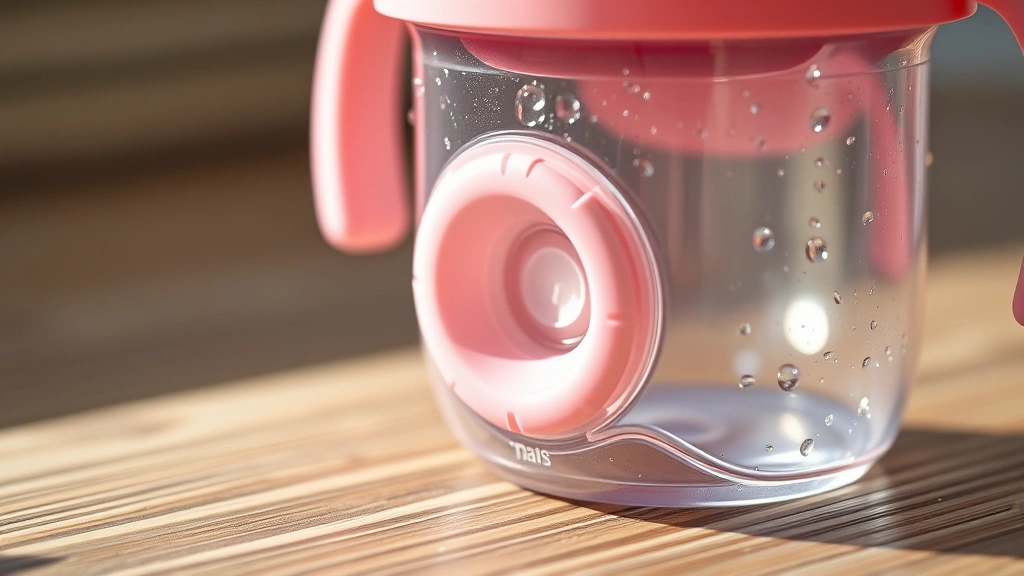
Spill-Proof Valve Systems: The most critical feature is a truly functional spill-proof mechanism. Cheap cups claim spill-proof capabilities but fail spectacularly when your toddler tips them over. Quality baby Stanley cups use advanced valve designs that prevent leaks during normal use while remaining easy for small hands to operate. Look for valves that require intentional sipping action rather than simple tipping.
Durable Construction Materials: Premium baby cups use BPA-free, food-grade plastics or stainless steel that resists degradation. These materials don’t absorb stains or odors the way lower-quality plastics do. After months of use, a quality cup still looks relatively new, while cheaper alternatives develop a dingy, stained appearance.
Temperature Retention: Some baby Stanley cups feature insulation technology that keeps cold drinks cold and warm drinks warm. This matters more than you might think—it means your child can enjoy their beverage at the appropriate temperature throughout the day, whether you’re at home, running errands, or heading to one of the best family travel destinations.
Easy-to-Clean Design: Quality cups feature simple, streamlined designs without numerous crevices where bacteria and mold can hide. Many are dishwasher safe, and the valve systems come apart easily for thorough cleaning. This practicality matters tremendously when you’re managing multiple cups daily.
Comfortable Grip: Baby Stanley cups typically include textured handles or grips that make them easier for small hands to hold securely. The ergonomic design reduces the likelihood of accidental drops caused by poor grip.
Attractive Aesthetics: While functionality comes first, quality baby cups also maintain their appearance. They come in appealing colors and finishes that don’t look worn out after regular use. This might seem superficial, but it reflects the overall quality of the product’s construction.
Age-Appropriate Options and Transitions
One reason baby Stanley cups have gained such popularity is their versatility across different developmental stages. Rather than purchasing entirely new drinkware as your child grows, quality cups often accommodate multiple stages of development through interchangeable components or clever design features.
Infant Stage (4-6 months): While very young babies primarily consume breast milk or formula, introducing a cup early—even if just for water during meals—helps establish familiarity. Some parents start with small, open cups designed for supervised sipping. These teach babies the mechanics of cup drinking without the pressure of spill-proof mechanisms.
Early Toddler Stage (6-12 months): As babies develop better hand-eye coordination and sitting stability, they benefit from cups with soft spouts that feel more like traditional bottles but teach cup-drinking skills. Quality baby cups at this stage feature removable valve systems, allowing parents to transition gradually from bottle-like drinking to more sophisticated sipping techniques.
Toddler Stage (12-24 months): This is where spill-proof technology becomes essential. Active toddlers will absolutely tip their cups, and quality baby Stanley cups prevent disasters while allowing enough control that children feel independent. The best cups at this stage have handles positioned for small hands and valves that require actual sipping effort.
Preschool Age (2+ years): As children gain coordination and independence, some families transition to open cups or cups with simpler valve systems. However, many continue using quality spill-proof cups during travel, car rides, or situations where spills would be problematic.

Durability as a Long-Term Investment
The financial case for investing in a baby Stanley cup becomes compelling when you consider the long-term value. While these cups often cost more upfront than basic alternatives, they represent smart spending in several ways.
Longevity Through Multiple Children: Quality baby cups are durable enough to pass down to younger siblings. Parents frequently report using the same cups across multiple children spanning several years. This dramatically reduces the per-child cost and environmental impact.
Reduced Replacement Frequency: Cheap cups crack, lose their spill-proof functionality, develop permanent stains, or simply wear out. Parents typically replace them multiple times per year. A quality baby Stanley cup might last 3-5 years with proper care, eliminating constant repurchasing.
Better Resale Value: Quality baby gear, including premium cups, maintains value in the secondhand market. If you’re done with certain cups, you can sell them online and recoup a portion of your investment.
Performance Consistency: When you invest in a baby Stanley cup that works perfectly, you don’t need to experiment with multiple brands or models trying to find something that actually prevents spills. This consistency reduces frustration and the temptation to make additional purchases.
Safety Considerations and Materials
Parents rightfully prioritize safety when choosing drinkware for their children. Understanding material safety and design considerations helps you make confident choices.
BPA and Chemical Safety: Quality baby Stanley cups use BPA-free, food-grade materials that don’t leach harmful chemicals into beverages. Look for products certified by reputable organizations and manufactured by companies with strong safety records. The American Academy of Pediatrics provides guidance on safe materials for children’s products.
Appropriate Valve Design: While spill-proof mechanisms are valuable, they shouldn’t make it impossible for children to drink. Poor valve design can frustrate children or cause them to drink too quickly. Quality baby cups balance spill prevention with usability.
Choking Hazard Prevention: The best baby cups feature secure, permanently attached components. Removable pieces should only be removable by adults during cleaning, not during normal use. Check that small parts like valve components cannot detach unexpectedly.
Temperature Safety: If you’re using insulated baby Stanley cups, ensure they don’t retain heat so effectively that they become dangerously hot to touch. Quality products design handles and exterior surfaces to remain safe even when containing hot beverages.
Practical Benefits for Modern Families
Beyond the technical specifications, baby Stanley cups solve real problems that parents face daily.
Reducing Laundry and Cleaning: Effective spill prevention means fewer liquid-soaked clothes, car seats, and furniture. This directly reduces laundry loads and cleaning time—practical benefits that shouldn’t be underestimated when managing a busy household.
Peace of Mind During Outings: When you’re juggling groceries, a diaper bag, and a toddler at the grocery store, having a cup you trust completely prevents the stress of potential messes. Many parents describe feeling genuinely relaxed knowing their quality cup won’t leak in the car or stroller.
Teaching Independence: Quality cups with appropriate valve systems allow children to drink independently without constant adult supervision for spills. This builds confidence and reduces parental anxiety.
Flexibility Across Situations: Whether you’re attending a formal family gathering, heading to the park, or traveling, a quality baby cup works reliably in any context. You don’t need different cups for different situations.
How to Choose the Right Baby Cup
With numerous options available, selecting the right baby Stanley cup for your family requires considering several factors.
Assess Your Lifestyle: Consider your typical day. Are you frequently on the go? Do you travel often? Do you need temperature retention? Your lifestyle should guide your choice toward features that matter most for your situation.
Consider Your Child’s Age and Development: A cup perfect for a 9-month-old might frustrate a 2-year-old. Choose based on your child’s current stage and consider whether the cup accommodates future transitions. If you’re preparing before birth, look for cups with modular designs that grow with your child.
Evaluate Ease of Cleaning: Simple designs that come completely apart for thorough cleaning are worth the premium. Cups with complicated valve systems that trap food particles create hygiene challenges.
Read Genuine Reviews: Look beyond marketing language to parent reviews that discuss real-world performance. Parents often mention specific issues like whether spill-proof mechanisms actually work or if cups stain easily.
Think About Aesthetics: While functionality matters most, you’ll appreciate a cup you actually enjoy using. Choose colors and designs that appeal to you and your child.
Budget Strategically: Investing in 2-3 quality baby Stanley cups is smarter than buying 10 cheap ones. Calculate the cost per use over the expected lifespan to understand true value.
Quality baby cups make excellent baby boy gifts and baby girl gifts because they’re genuinely useful rather than decorative. They’re also smart additions to baby shower gift ideas lists, offering practical value that new parents will appreciate immediately.
When building a baby registry must haves list, including quality cups ensures you receive products you’ll actually use daily rather than items that sit unused. Many experienced parents prioritize drinkware in their registries specifically because it’s something every family needs and uses constantly.
For families planning to travel with young children, the reliability of a quality baby cup becomes even more valuable. Whether you’re exploring best family travel destinations or simply managing daily activities, trustworthy drinkware reduces stress considerably.
The pediatric community increasingly recognizes the importance of appropriate cup design. According to Healthy Children, transitioning from bottles to cups is an important developmental milestone, and having cups that support this transition effectively matters for children’s oral development and independence.
Frequently Asked Questions
At what age should I introduce a baby Stanley cup?
Most experts recommend introducing cup drinking around 6 months of age, though you can start familiarizing babies with cups as early as 4 months. Begin with open cups during supervised meals with small amounts of water. Quality cups with soft spouts designed for beginners work well at this stage. Transition to spill-proof mechanisms as your child develops better coordination, typically around 8-12 months.
Are baby Stanley cups worth the higher price?
Yes, for most families. While initial costs are higher, quality cups last significantly longer, require fewer replacements, and actually prevent spills rather than just claiming to. When calculated over years of use and multiple children, the cost per use becomes quite reasonable. Additionally, the reduced stress and cleaning time provide value beyond the financial calculation.
Can I use a regular Stanley cup for my baby?
Regular Stanley cups designed for adults aren’t appropriate for babies. They’re typically too large, lack child-safe valve systems, and don’t accommodate small hands comfortably. Baby-specific Stanley cups are engineered with smaller sizes, appropriate valve mechanisms, and safety features designed specifically for young children.
How do I clean a baby Stanley cup properly?
Most quality baby cups are dishwasher safe on the top rack. For thorough cleaning, disassemble the valve system completely and wash all components separately. Soak any parts that develop stains in a mixture of water and white vinegar. For stubborn stains or odors, use baking soda paste. Always ensure all components are completely dry before reassembling to prevent mold growth.
Will a spill-proof cup prevent all spills?
While quality spill-proof mechanisms work remarkably well, they’re not 100% foolproof—nothing is when young children are involved. However, a true baby Stanley cup dramatically reduces spills compared to regular cups. Most parents report 90%+ effectiveness in preventing leaks during normal use and even occasional tipping.
Can my child use the same cup from infancy through preschool?
Many quality baby cups accommodate multiple developmental stages through modular valve systems or removable components. However, some parents prefer switching cups as their child’s skills develop. Modular cups offer flexibility, while dedicated stage-specific cups might offer optimized performance for each developmental period.
Are stainless steel or plastic baby Stanley cups better?
Both have advantages. Stainless steel offers superior durability and insulation but weighs more and is harder for very small hands to grip. Plastic is lighter and easier for toddlers to handle but may not last quite as long. Choose based on your child’s age, strength, and your family’s priorities regarding temperature retention.
What makes a baby Stanley cup different from other quality baby cups?
The “Stanley cup” designation in parenting circles refers to cups that combine legendary durability, reliable performance, and quality construction—hallmarks of actual Stanley brand products. Any cup meeting these criteria—regardless of actual brand—earns the informal “baby Stanley cup” label among parents who value functionality over marketing.