Is a Baby Stanley Cup Possible? Expert Insights on Hydration for Your Little One
The Stanley Cup phenomenon has taken the world by storm, with adults collecting these iconic tumblers like they’re going out of style. But here’s the question that’s been bouncing around parent forums and playgroups: can babies have their own version of this trending drinkware? The short answer is nuanced, and honestly, it depends on what you mean by “baby Stanley Cup.”
Parents today are constantly seeking ways to introduce their children to the products and trends they love, but when it comes to babies and specialized drinkware, safety and developmental readiness take center stage. Let’s dive into what experts say about giving your little one a Stanley Cup, whether it’s age-appropriate alternatives, and how to navigate hydration needs at every stage of babyhood.
Whether you’re shopping for baby boy gifts or baby girl gifts, understanding what’s safe and practical matters far more than following trends. Let’s explore this topic thoroughly.
Age Considerations and Developmental Readiness
Before we even discuss whether a baby Stanley Cup is feasible, let’s talk about when babies are developmentally ready for any kind of independent drinking vessel. Newborns and infants under six months are exclusively fed breast milk or formula—they have no business holding a cup, no matter how trendy it is.
Around six months, when babies begin to show interest in solid foods, they might start experimenting with sippy cups. However, their motor skills are still developing rapidly. Grasping, coordinating hand-to-mouth movements, and understanding cause and effect all develop over time. A full-sized Stanley Cup—which typically holds 20-40 ounces and weighs considerably—is simply too heavy and unwieldy for a six-month-old.
By 12-18 months, toddlers develop better hand-eye coordination and can manage lightweight cups more effectively. Even then, they’re prone to dropping things, spilling, and generally treating cups as toys as much as drinking vessels. The famous durability of Stanley Cups is actually a drawback here—if a toddler hurls it, it’s not going anywhere, and that’s a safety hazard.
According to the American Academy of Pediatrics, introducing a cup around 6 months and transitioning away from bottles by 12-15 months represents the ideal timeline for most children. This doesn’t mean a full transition overnight—it’s a gradual process that respects each child’s unique development.
Safety Concerns with Stanley Cups for Babies
Let’s be direct: a standard Stanley Cup presents several safety concerns for babies and young toddlers. Understanding these concerns helps you make informed decisions about what drinkware actually belongs in your child’s hands.
Weight and Coordination: Stanley Cups are engineered for durability, which means they’re substantially heavier than typical children’s cups. A baby or young toddler lacks the upper body strength and fine motor control to safely manage this weight. They may drop it on themselves, others, or simply become frustrated with the effort required to lift it.
Size and Choking Risk: The diameter and height of a standard Stanley Cup can be problematic for small hands and mouths. While the cup itself isn’t a choking hazard, the lid mechanism and straw components might be if they become detached. Babies explore everything by putting it in their mouths—a Stanley Cup’s engineering wasn’t designed with this developmental stage in mind.
Temperature Regulation: Stanley Cups are designed to keep beverages at extreme temperatures for extended periods. For babies, this is actually counterintuitive. You want their drinks to cool down relatively quickly to a safe temperature. The insulation properties that make Stanley Cups desirable for adults make them less suitable for babies who might burn themselves if the contents remain dangerously hot.
Durability Concerns: Yes, you read that right—durability is a problem when it comes to babies. If a toddler throws their cup and it doesn’t break or dent, they learn that throwing things is consequence-free. Lightweight, breakable (but safe) cups teach cause and effect in a way that reinforces safety habits.
Understanding Baby Hydration Needs by Age
Before you even consider what cup your baby should use, let’s clarify what they actually need to drink at different stages. This is where many well-intentioned parents get confused.
Birth to 6 Months: Exclusively breastfed babies get all their hydration needs from breast milk. Formula-fed babies get everything from formula. No water, no juice, no special drinks. Their tiny kidneys are still developing, and introducing water can actually be dangerous. This isn’t the time for any cup at all.
6 to 12 Months: As babies start solids, you can introduce small amounts of water in an open cup or sippy cup. The goal here isn’t hydration—it’s learning the skill of drinking from a cup. Breast milk or formula remains their primary source of nutrition and hydration. The CDC recommends introducing water gradually and in small quantities.
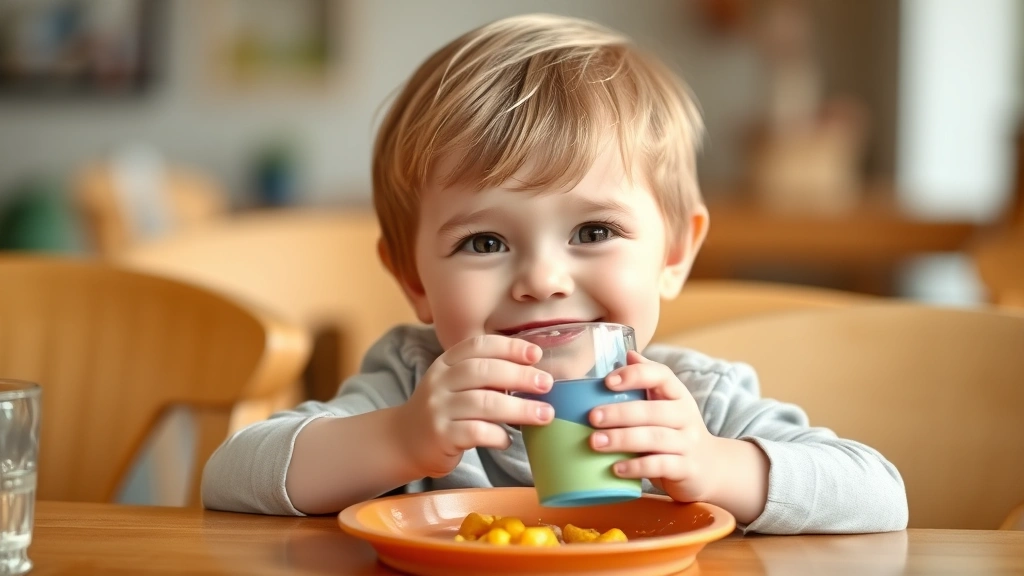
12 to 24 Months: Toddlers can now drink cow’s milk (if age-appropriate and no allergies) and more water. They’re learning independence with cup drinking. Their hydration needs increase slightly, but they’re still getting significant nutrition from milk and food.
2+ Years: Older toddlers and preschoolers have more developed kidneys and can handle increased water intake. They’re also developing preferences and opinions about their drinkware—this is where themed cups, fun colors, and yes, even trendy options, become developmentally appropriate.
Understanding these stages helps you see that even if a baby Stanley Cup existed in miniature, babies wouldn’t need it for several years. The push toward trendy gear often outpaces developmental readiness.
Safe Alternatives and Baby-Friendly Options
If you love the Stanley aesthetic but need something actually appropriate for babies, several alternatives exist. These options prioritize safety while respecting developmental stages.
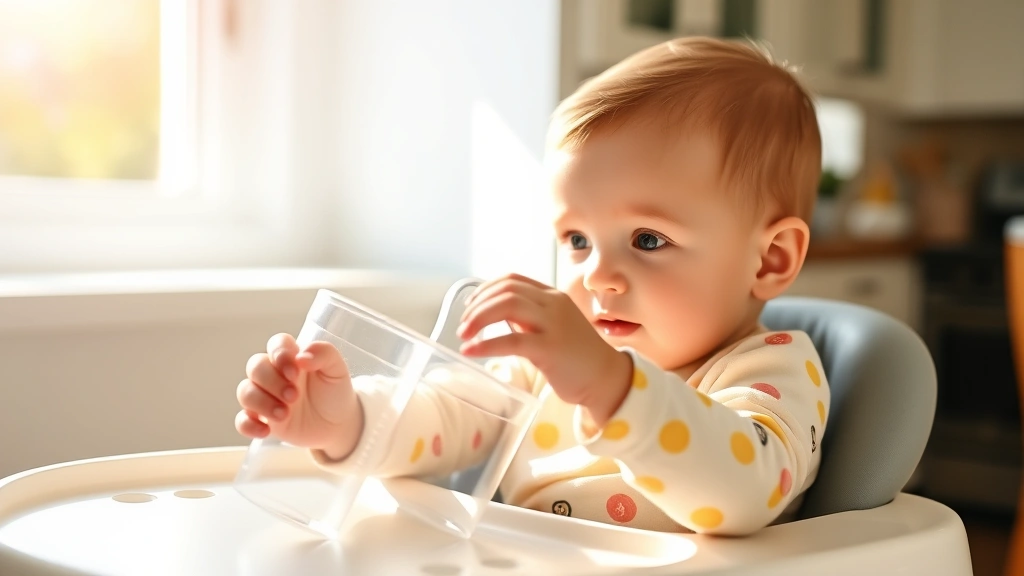
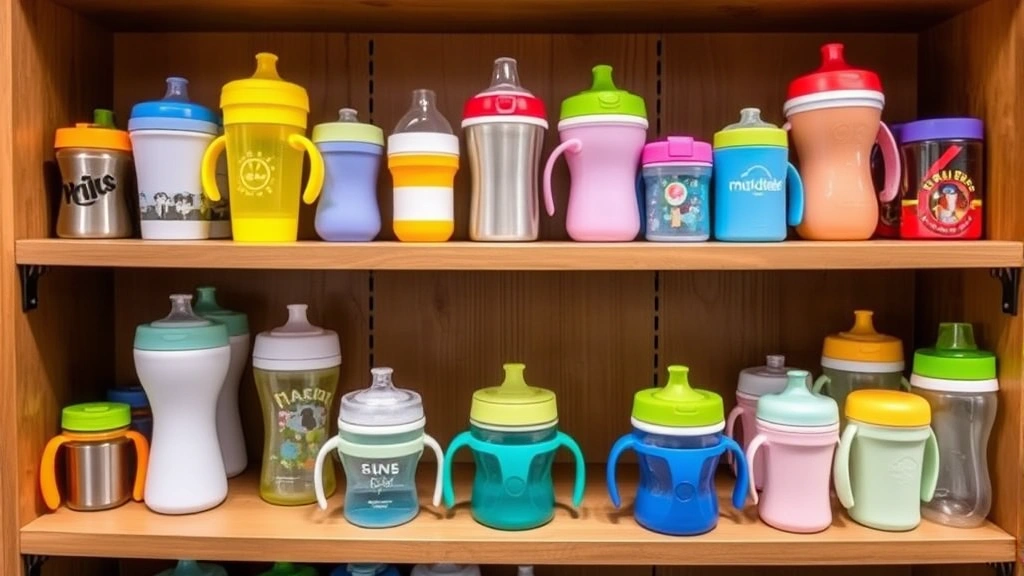
Silicone Sippy Cups: Lightweight, durable, and designed specifically for babies, silicone sippy cups come in various sizes and styles. They’re soft enough that if a baby throws them, there’s no injury risk. Many come with handles designed for small hands and spill-proof features that reduce mess without compromising the learning experience.
Stainless Steel Baby Cups: Some manufacturers create miniature stainless steel cups specifically for toddlers. These offer the durability appeal of Stanley Cups but in appropriately sized, lightweight versions. They’re typically 8-12 ounces rather than 20-40 ounces.
Open Cups for Learning: Starting around 9-12 months, offering an open cup during supervised mealtimes teaches proper drinking technique. Small ceramic or plastic open cups work beautifully. Yes, there’s spillage. That’s the point—it’s a learning experience.
Transitional Cups: These clever designs bridge the gap between sippy cups and open cups. They have handles, weighted bottoms for stability, and graduated spouts that encourage proper drinking technique.
When considering what to add to your baby shower gift ideas or your own baby registry checklist, age-appropriate drinkware should absolutely be included. Safety should always trump trends.
How to Choose the Right Cup for Your Baby
With so many options available, how do you actually select the best cup for your child’s current stage? Here’s a practical framework.
Start with Age: Match the cup to your baby’s developmental stage, not their size or how mature they seem. A two-year-old who talks in sentences still has the motor skills of a two-year-old.
Consider Material: Silicone is soft and forgiving. Stainless steel is durable. Plastic is lightweight. Ceramic teaches respect for objects. Each material teaches different lessons and serves different purposes.
Evaluate Weight: Can your baby comfortably lift the cup with one or both hands? If they struggle, it’s too heavy. Your goal is independence, not frustration.
Check for Safety Features: Look for cups without small detachable parts, secure lids, and handles designed for small hands. Avoid anything with sharp edges or potential choking hazards.
Think About Spill Factor: Some spilling is developmentally appropriate and actually beneficial for learning. Complete spill-proofing can prevent important cause-and-effect learning. Find a middle ground that works for your household.
Assess Cleaning: Can you actually clean this cup thoroughly? Bacteria love hard-to-reach places. Simple designs with minimal crevices are typically better.
You might also explore free baby stuff resources—many communities have cup-swapping programs or hand-me-down networks where you can try different options before committing to purchases.
The Transition Timeline: From Bottles to Big Kid Cups
Understanding the typical progression helps you navigate this transition smoothly without forcing your child into cups they’re not ready for.
Months 4-6: Introduce the concept of a cup, but don’t stress about actual drinking. Let them hold a cup during water play or mealtimes. This is exploration, not hydration.
Months 6-9: Offer small amounts of water in a sippy cup or open cup during meals. They’ll probably spill more than they drink. That’s perfectly normal. Celebrate their efforts.
Months 9-12: Gradually increase water in cups while maintaining bottle or breastfeeding for primary nutrition. Some babies will drink more from cups now; others remain bottle-focused. Both are fine.
Months 12-18: Many babies naturally drink more from cups at this stage. Bottles are typically still part of the routine, especially at bedtime or nap time. There’s no rush to eliminate them entirely.
Months 18-24: By this age, many toddlers can drink from a cup independently, though spilling remains frequent. Bottles might still be present, but cups are increasingly the primary vessel.
Ages 2+: Most children can use open cups with reasonable success. This is when trendy options, fun designs, and yes, even miniature Stanley Cups (if your child is interested) become developmentally appropriate.
According to Parents Magazine, there’s tremendous variation in this timeline, and forcing transitions before children are ready typically backfires. Patience and child-led progression work better than arbitrary deadlines.
Frequently Asked Questions
Can I give my 6-month-old a baby Stanley Cup?
No, not a full-sized Stanley Cup. At six months, babies are just beginning to explore cups and can’t safely handle the weight or size of a standard Stanley Cup. Lightweight, baby-sized sippy cups are appropriate at this stage. If you’re drawn to the Stanley aesthetic, wait until your child is at least three or four years old and can safely manage the actual product.
Are there actual baby-sized Stanley Cups available?
Stanley hasn’t released an official baby line, though there’s certainly market demand for one. Some third-party manufacturers create miniature stainless steel cups inspired by Stanley’s design but properly sized and weighted for toddlers. Always check safety certifications and age recommendations before purchasing.
What’s the best first cup for a baby?
Most pediatricians recommend starting with a simple sippy cup around six months. Look for lightweight options with soft spouts, handles, and minimal parts. Silicone is often preferred because it’s gentle and forgiving. The specific brand matters less than the design features that match your baby’s developmental stage.
Why do babies need cups at all if they’re still drinking formula or breast milk?
Learning to drink from a cup is a developmental milestone that builds motor skills, coordination, and independence. It’s also practical—eventually, they’ll transition to regular cups and need to know how to use them. Starting early (around six months) makes the transition gradual and less traumatic than waiting until they’re older and more resistant to change.
Is it safe to use a Stanley Cup for a toddler’s water?
Once your child reaches three or four years old and has demonstrated reliable motor skills and judgment, a properly sized Stanley Cup (or a toddler-appropriate alternative) becomes feasible. However, even then, supervision is important, and you’ll want to ensure the cup is appropriate for their size and strength. Miniature versions designed specifically for children are often better choices than full-sized adult cups.
What about those trendy colored Stanley Cups for kids?
If Stanley or other manufacturers release age-appropriate versions specifically designed for children (with proper sizing, weight, and safety features), they can be fun additions to a toddler’s drinkware collection. The key is ensuring they’re actually designed for children’s developmental needs, not just smaller versions of adult products.
How do I know when my baby is ready to transition to a regular cup?
Look for signs of readiness: they can sit up independently, they show interest in what adults are drinking, they can grasp objects with intention, and they’re eating solid foods regularly. Most children show these signs between 12-18 months, but the timeline varies. There’s no universal “right time”—follow your child’s lead.
Can I use a Stanley Cup for storing breast milk or formula?
While a Stanley Cup could technically store liquids, it’s not ideal for breast milk or formula. These beverages have specific storage requirements, and Stanley Cups aren’t designed with food safety as the primary concern. Use containers specifically designed for food storage instead.