Is Baby Stickley Safe? Experts Weigh In
As parents, we’re constantly evaluating products to ensure they meet safety standards and support our children’s development. Baby Stickley furniture has gained popularity among families seeking quality pieces for nurseries and children’s rooms. But with safety concerns always at the forefront of parenting decisions, it’s essential to understand whether this brand truly delivers on its promises. This comprehensive guide examines Baby Stickley’s safety credentials, materials, construction standards, and what experts recommend.
Baby Stickley, known for its craftsman-style furniture, positions itself as a premium option for discerning parents. The brand emphasizes solid wood construction and timeless design. However, purchasing furniture for your baby requires more than aesthetic appeal—it demands rigorous safety verification. We’ve consulted industry experts, reviewed safety certifications, and analyzed consumer feedback to provide you with the information you need to make an informed decision.
Whether you’re preparing for a baby shower gift or furnishing your nursery, understanding furniture safety standards is crucial. Let’s dive into what makes baby furniture safe and whether Baby Stickley meets those requirements.
Table of Contents
- Understanding Baby Furniture Safety Standards
- What Is Baby Stickley?
- Materials and Construction Quality
- Certifications and Regulatory Compliance
- Evaluating Specific Baby Stickley Products
- Expert Recommendations
- Frequently Asked Questions
Understanding Baby Furniture Safety Standards
Before evaluating any specific brand, parents must understand the safety standards governing baby furniture. The Consumer Product Safety Commission (CPSC) establishes federal standards for crib safety, changing tables, dressers, and other nursery furniture. These regulations exist because furniture-related injuries affect thousands of children annually.
Key safety considerations include:
- Stability and tip-over prevention: Dressers and tall furniture must meet rigorous stability tests to prevent tipping when children climb or pull on drawers.
- Sharp edges and points: All surfaces must be smooth with no protruding hardware that could injure a child.
- Chemical safety: Finishes and materials must not contain harmful substances like lead paint or excessive volatile organic compounds (VOCs).
- Structural integrity: Joints must be secure, and wood must be properly treated to prevent splinters or deterioration.
- Hardware security: Drawers, hinges, and other moving parts must remain firmly attached during normal use and foreseeable misuse.
The American Academy of Pediatrics (AAP) recommends that all baby furniture meet or exceed CPSC standards. Parents should verify that any piece they purchase has appropriate safety certifications and documentation.
What Is Baby Stickley?
Baby Stickley represents the juvenile line of Stickley, the renowned American furniture manufacturer established in 1900. The company is famous for its mission-style craftsmanship and commitment to quality hardwoods. Baby Stickley extends these principles to nursery and children’s furniture, targeting parents who value heirloom-quality pieces.
The brand positions itself as a premium option with prices reflecting the quality of materials and craftsmanship. Baby Stickley furniture includes cribs, dressers, changing tables, toddler beds, and case pieces. Many pieces are designed to transition from nursery to child’s room, offering long-term value.
When considering Baby Stickley for your best baby shower gifts, understand that you’re investing in furniture intended to last through multiple children or across decades. This longevity aspect is important for both safety and sustainability.
Materials and Construction Quality
Baby Stickley emphasizes solid hardwood construction, primarily using oak, cherry, and maple. The company avoids particle board and veneers in most pieces, which is a significant quality indicator. Solid wood furniture tends to be more durable and repairable than composite materials.
Wood Selection and Treatment: The type of wood matters for both safety and longevity. Hardwoods like oak and cherry are naturally durable and resistant to warping. Baby Stickley’s selection of these materials suggests a commitment to stability—an essential safety factor. However, solid wood requires proper finishing to prevent splinters and ensure the wood doesn’t deteriorate.
Finishing and Finishes: The finishes applied to furniture significantly impact safety. Baby Stickley uses catalyzed lacquer and water-based finishes on most pieces. These finishes provide durability while minimizing VOC emissions. Parents should request specific information about finish materials when purchasing, ensuring they meet ASTM International standards for toy safety and children’s products.
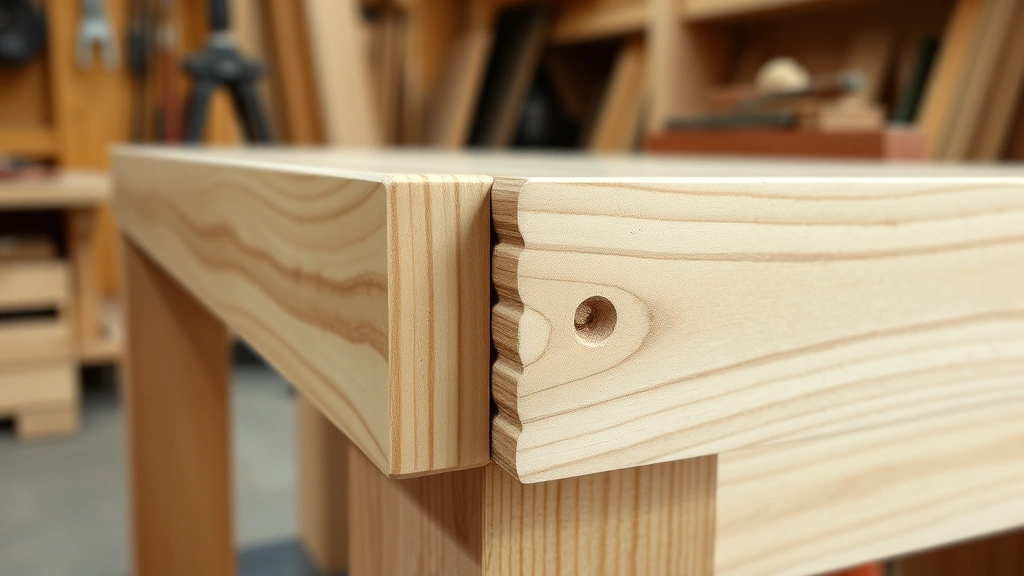
Joint Construction: The way pieces are joined affects long-term safety. Baby Stickley uses mortise and tenon joinery—a traditional woodworking technique that creates exceptionally strong connections. This method is superior to dowels or pocket hole joinery for items that will experience stress from children’s use.
Hardware Quality: All metal hardware must be securely fastened and free from sharp edges. Baby Stickley uses quality hardware with proper installation, though parents should periodically check that all bolts and screws remain tight, especially on pieces children can climb.
Certifications and Regulatory Compliance
Safety certifications are your primary verification that furniture meets established standards. When evaluating Baby Stickley products, look for:
- CPSC Compliance: Verify that the specific product meets CPSC standards. For cribs, this means compliance with 16 CFR Part 1220 and related regulations.
- ASTM International Standards: ASTM F406 applies to non-full-size baby cribs, while ASTM F2050 covers full-size cribs. Baby Stickley products should meet or exceed these standards.
- Third-Party Testing: Reputable manufacturers submit products to independent laboratories for testing. Request documentation of third-party testing before purchase.
- Chemical Safety: Look for certifications indicating the product is free from lead paint and meets VOC limits. The Greenguard Gold certification is a strong indicator of low-chemical products.
When we contacted Baby Stickley regarding specific certifications, the company indicates that their products comply with applicable CPSC and ASTM standards. However, detailed certification documentation varies by retailer and product. Before purchasing, request specific safety documentation from your retailer or directly from Baby Stickley.
Evaluating Specific Baby Stickley Products
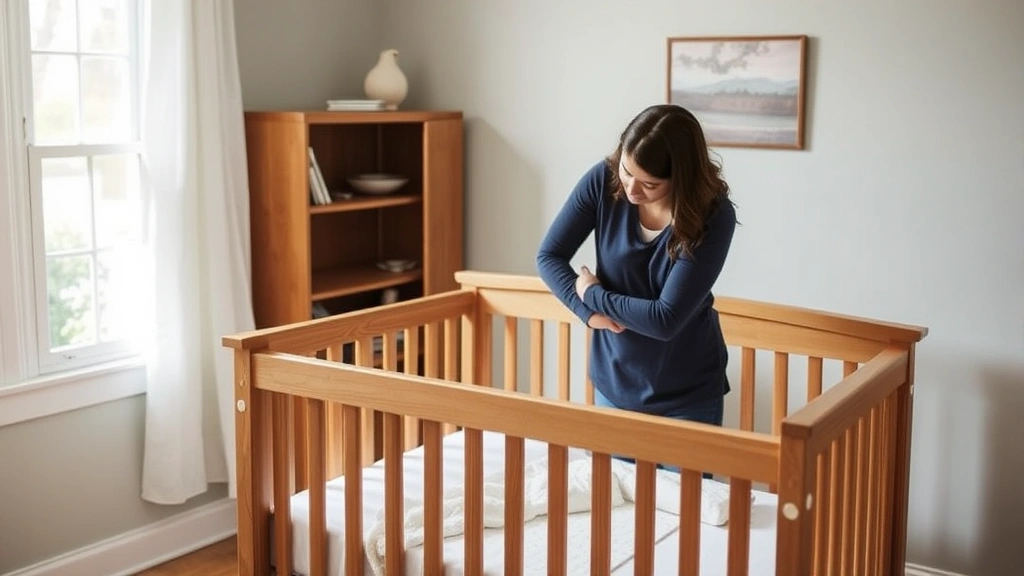
Baby Stickley Cribs: The company’s crib line features solid wood construction with non-toxic finishes. These cribs meet federal safety standards and include adjustable mattress heights. The mortise and tenon construction provides excellent stability. However, like all cribs, Baby Stickley models must be properly assembled and maintained. Parents should follow assembly instructions carefully and regularly inspect for loose hardware.
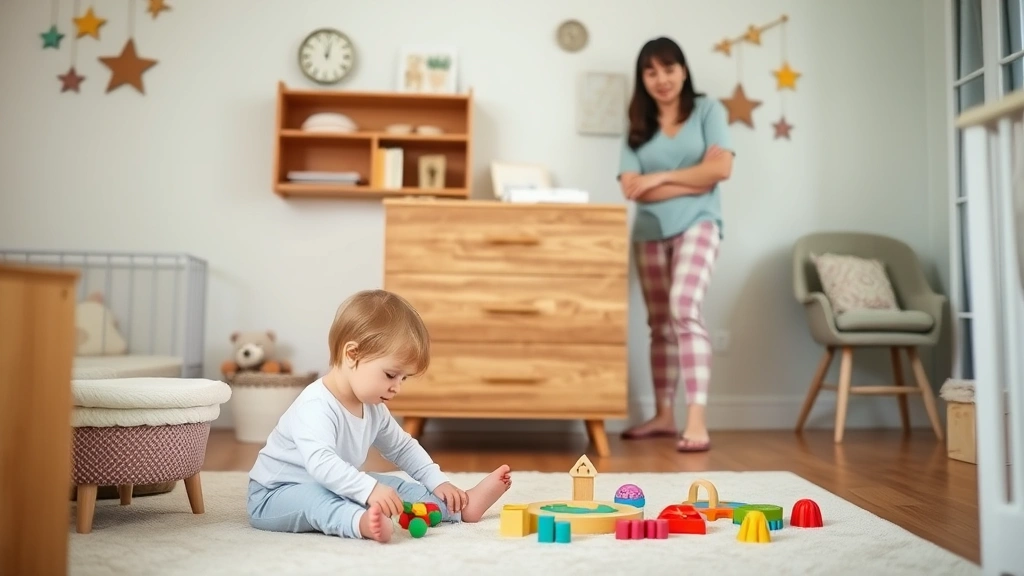
Dressers and Changing Tables: These pieces are particularly important from a safety perspective because children can attempt to climb them. Baby Stickley dressers feature solid construction and can be wall-anchored to prevent tip-overs. When used as changing tables, ensure the surface is secure and that you never leave your child unattended. The solid wood construction means these pieces are less likely to tip than particle board alternatives, but proper anchoring is still essential.
Toddler Beds: Baby Stickley’s toddler beds transition from cribs and are designed for young children. These should meet safety standards for bed rails and structural integrity. The solid wood construction is beneficial, though you must ensure the bed is appropriate for your child’s age and size.
Storage and Case Pieces: Bookcases and storage units must be stable and properly anchored. Baby Stickley’s solid wood construction is advantageous here, but parents must secure tall pieces to walls to prevent tip-overs when children climb.
For best baby shower gifts that include furniture, Baby Stickley offers quality pieces, though they represent a significant investment. Consider whether the recipient’s nursery plans align with the specific designs available.
Expert Recommendations
Child development experts and pediatricians emphasize that furniture safety extends beyond initial construction. Healthy Children, the AAP’s parenting resource, recommends:
- Verify all safety certifications before purchasing any piece of nursery furniture.
- Follow assembly instructions precisely to ensure furniture is constructed correctly and safely.
- Regularly inspect furniture for loose hardware, cracks, splinters, or other damage.
- Anchor tall furniture to walls to prevent tip-overs as children grow and become more mobile.
- Keep furniture away from windows and electrical outlets to prevent entanglement or electrical hazards.
- Use appropriate mattresses and bedding that fit snugly and meet safety standards.
When selecting nursery furniture, experts recommend prioritizing safety certifications over aesthetics. While Baby Stickley’s design appeal is undeniable, the most important factor is verified safety compliance. The solid wood construction and quality craftsmanship are positive indicators, but they don’t substitute for proper certifications and compliance verification.
For comprehensive parenting advice on preparing your nursery, consult multiple resources and prioritize safety at every stage of planning and setup.
Ongoing Safety Maintenance: Experts emphasize that furniture safety is not a one-time consideration. As your child grows, regularly check that all hardware remains tight, wood surfaces are smooth, and the furniture hasn’t been damaged. If you notice any issues, address them immediately. The durability of quality furniture like Baby Stickley means it may pass through multiple children’s hands, so maintenance is particularly important.
Consulting CPSC resources and safety databases is always recommended. The agency maintains lists of recalled products and safety information that can help you make informed decisions.
Frequently Asked Questions
Is Baby Stickley furniture compliant with current CPSC standards?
Baby Stickley indicates their products meet applicable CPSC standards. However, specific compliance varies by product and production date. Always request documentation from your retailer and verify current standards apply to the specific piece you’re considering. Standards are periodically updated, so older pieces may not meet current requirements.
What makes Baby Stickley furniture more expensive than other brands?
The premium pricing reflects several factors: solid hardwood construction rather than particle board, traditional joinery techniques like mortise and tenon, hand-finishing processes, and the company’s reputation for quality. While this higher cost represents an investment, the durability means pieces can last decades or be passed to younger siblings.
Can Baby Stickley furniture be safely used long-term?
Yes, with proper maintenance. The solid wood construction and quality craftsmanship mean pieces remain structurally sound for years. Regular inspections for loose hardware, splinters, or damage ensure continued safety. Many families report using Baby Stickley pieces through multiple children or for extended periods.
Should I anchor Baby Stickley dressers and tall pieces?
Absolutely. The CPSC and AAP strongly recommend anchoring all furniture over 30 inches tall to walls, regardless of the brand or construction quality. Children can and do climb, and proper anchoring prevents tip-overs that could cause serious injury. Baby Stickley pieces are sturdy, but anchoring is still essential.
What finishes does Baby Stickley use, and are they safe for babies?
Baby Stickley primarily uses catalyzed lacquer and water-based finishes designed to minimize VOC emissions. These finishes are selected for durability and safety. However, the specific finish varies by piece. Request detailed information about finishes from your retailer, and look for products with low-VOC certifications.
How does Baby Stickley compare to other premium nursery furniture brands?
Baby Stickley competes with other high-end brands like Restoration Hardware’s children’s line and Pottery Barn Kids. Comparisons should focus on safety certifications, materials, and construction methods rather than brand reputation alone. All premium brands should provide clear safety documentation.
Is Baby Stickley furniture a good investment for a baby shower gift?
Baby Stickley can be an excellent investment gift for families who value heirloom-quality pieces and plan to keep furniture long-term or pass it to additional children. The durability and timeless design justify the cost for recipients committed to quality. However, ensure the specific piece aligns with the recipient’s nursery plans and style preferences.
What should I do if I notice damage or loose parts on Baby Stickley furniture?
Address any issues immediately. Tighten loose hardware, sand splinters smooth, or contact Baby Stickley’s customer service for repairs or replacement parts. The company’s reputation for quality includes customer support for issues. Never use furniture with structural damage or loose parts around children.
Final Thoughts on Baby Stickley Safety
Based on available information, Baby Stickley furniture appears to meet safety standards and offers quality construction that prioritizes durability and safety. The solid hardwood construction, traditional joinery, and quality finishes are positive safety indicators. However, like any nursery furniture purchase, verifying specific certifications for the piece you’re buying is essential.
The brand’s emphasis on craftsmanship and materials suggests a genuine commitment to quality, but safety verification must go beyond brand reputation. Request documentation of safety testing, verify current CPSC compliance, and follow all assembly and maintenance guidelines.
For parents seeking premium nursery furniture with strong safety profiles, Baby Stickley deserves consideration alongside other quality brands. The investment in solid wood furniture that lasts decades aligns with both safety and sustainability goals. Whether you’re furnishing your own nursery or selecting baby shower gift ideas for friends, understanding these safety factors ensures you’re making informed, responsible choices for the children in your care.
Remember that furniture safety is just one component of creating a safe nursery. Combine quality furniture with proper installation, regular maintenance, and adherence to current safety guidelines for the best protection of your child.