How to Sew for Baby: Expert Tips Inside
Creating handmade items for your baby is one of the most rewarding experiences as a parent. Whether you’re preparing for a baby shower or simply want to craft personalized pieces, learning baby stitch techniques opens up endless possibilities. Handmade baby clothes, blankets, and accessories carry special meaning that store-bought items simply cannot match. This guide will walk you through everything you need to know about sewing for your little one, from selecting appropriate fabrics to mastering essential stitches.
Sewing for babies requires patience, precision, and an understanding of safety considerations. Unlike sewing for adults, baby garments demand extra attention to detail—seams must be secure, materials must be soft and breathable, and designs must accommodate rapid growth. Whether you’re a complete beginner or an experienced seamstress looking to specialize in infant wear, this comprehensive guide provides practical advice and expert techniques.
Choosing the Right Fabrics for Baby Wear
The foundation of any successful baby sewing project begins with fabric selection. Your choice directly impacts comfort, durability, and safety for your precious little one. Babies have delicate, sensitive skin that requires gentle, breathable materials. Cotton is the gold standard for baby clothing because it allows skin to breathe, absorbs moisture, and can withstand frequent washing at high temperatures for sanitization.
When shopping for baby fabric, look for 100% organic cotton or high-quality cotton blends. Avoid synthetic materials that trap heat and moisture, potentially causing diaper rash or overheating. Jersey knit fabrics work beautifully for stretchy baby bodysuits and comfortable everyday wear. Muslin, a lightweight cotton weave, is perfect for swaddles and receiving blankets. Flannel provides warmth for winter items while remaining breathable.
Consider fabric weight carefully—lighter weights work best for summer clothing and warmer climates, while heavier cottons suit cooler seasons. Pre-wash all fabrics before cutting and sewing, as cotton can shrink significantly. This preparation prevents your finished garments from becoming unwearable after their first wash. When selecting prints or dyes, verify that fabrics meet safety standards and are free from harmful chemicals. Many reputable fabric suppliers specifically label baby-safe materials.
Avoid loose fibers, fuzzy textures, and materials with small decorative elements that could become choking hazards. Fleece, while cozy, can be problematic because it sheds and creates lint that irritates sensitive skin. Similarly, materials with long pile or nap can trap moisture against baby’s skin.
Essential Sewing Supplies and Tools
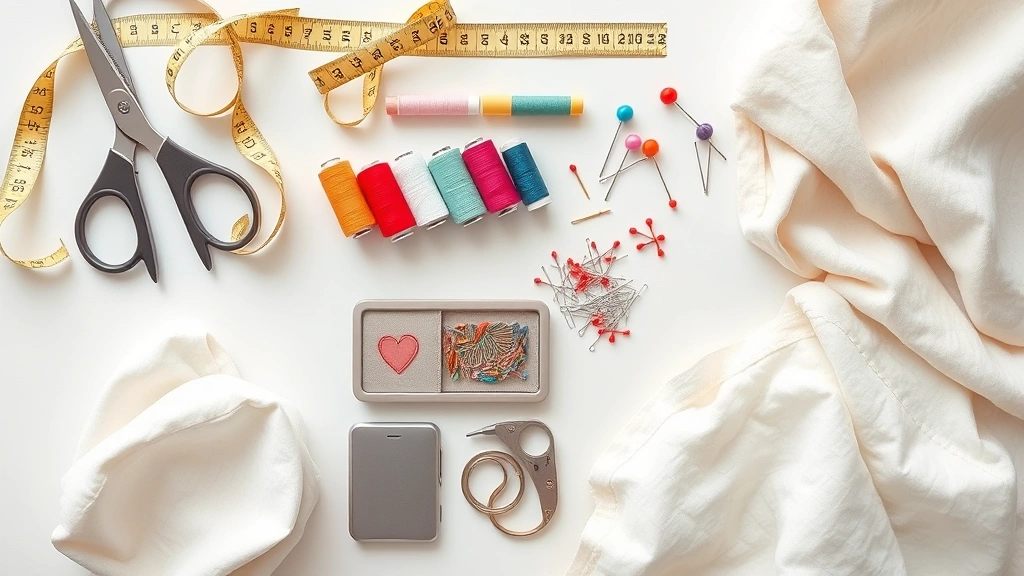
Before you begin your first baby stitch project, gather quality tools that make sewing easier and more enjoyable. A reliable sewing machine is essential—you don’t need an expensive model, but it should have consistent tension control and sturdy construction. Many beginners find that basic machines with straight and zigzag stitch options are perfectly adequate.
Invest in these fundamental tools:
- Sharp fabric scissors dedicated exclusively to cutting fabric (never use them on paper)
- Rotary cutter and self-healing cutting mat for precise, clean cuts
- Measuring tape and ruler for accurate pattern placement
- Pins or pattern weights to hold fabric steady while cutting
- Needle threader to simplify threading, especially for hand sewing
- Hand sewing needles in various sizes for finishing touches
- Seam ripper for correcting mistakes without frustration
- Iron and ironing board for pressing seams and fabric preparation
Quality thread matters tremendously—use 100% cotton or cotton-wrapped polyester thread in neutral colors that match your fabric. Cheap thread breaks easily and creates weak seams. For baby projects, select thread colors that blend with your fabric choices to make stitching less visible.
Consider purchasing a walking foot attachment for your sewing machine, which helps feed multiple fabric layers evenly. This prevents puckering and ensures professional-looking results. A needle threader, while simple, saves considerable time and eyestrain during hand sewing projects.
Mastering Baby Stitch Techniques
The baby stitch—also called a reinforced stitch or double stitch—is crucial for creating durable, secure seams that withstand frequent washing and active play. This technique involves sewing a seam, then backstitching over it for added strength. Understanding proper stitch execution ensures your handmade items last through multiple children or years of wear.
The basic baby stitch process:
- Set your sewing machine to a shorter stitch length (around 2.0mm) compared to regular seaming
- Begin at the seam’s starting point and backstitch several stitches to secure the thread
- Sew forward along your marked line, maintaining consistent pressure
- Backstitch again at the seam’s end to lock stitches in place
- For extra reinforcement, sew over the same seam a second time
Hand stitching offers advantages for certain baby projects. The ladder stitch creates invisible seams perfect for closing stuffed toys or pillows. The running stitch provides basic, durable seaming for simple projects. Practice these fundamental hand stitches before tackling machine sewing to develop muscle memory and control.
Always test stitches on scrap fabric first. Different fabric weights may require tension adjustments on your machine. Keep thread tension balanced—too tight creates puckering, while too loose results in weak seams that unravel. Most quality baby items require French seams, which encase raw edges inside the seam, preventing fraying and eliminating irritating threads against baby’s skin.
Seam finishing is critical for baby wear. After sewing a seam, trim excess thread and consider finishing raw edges with a zigzag stitch or pinking shears to prevent unraveling. Some sewers prefer binding seams with bias tape for a professional, baby-safe finish. This extra step creates smoother seams that won’t irritate delicate skin.
Finding and Using Baby Sewing Patterns
Quality patterns are your roadmap to successful projects. Whether you purchase commercial patterns or download digital versions, selecting age-appropriate designs accelerates your learning and ensures proper fit. Handmade baby items make wonderful shower gifts, and well-fitted garments enhance their appeal and practicality.
Beginner-friendly patterns typically include simple items like receiving blankets, burp cloths, and basic bodysuits. These projects teach fundamental skills without overwhelming complexity. As confidence grows, progress to more intricate designs like heirloom dresses, smocked garments, or decorative bibs.
When selecting patterns, consider:
- Detailed, clear instructions with step-by-step photos
- Appropriate sizing for your baby’s current age and anticipated growth
- Realistic time investment—some projects require 2-3 hours, others take weeks
- Fabric requirements that align with available materials
- Finishing techniques that match your skill level
Major pattern companies like Simplicity, McCall’s, and Butterick offer extensive baby collections. Indie pattern designers on Etsy provide unique, contemporary designs. Many patterns include multiple size options, allowing you to create coordinated pieces as your baby grows. Baby girl clothes patterns range from simple to elaborate, accommodating all experience levels.
Simple Baby Sewing Projects
Start your baby sewing journey with projects that build confidence and practical skills. Receiving blankets are ideal first projects—simply piece two fabric squares, add binding to edges, and you’ve created a cherished keepsake. These blankets are practical gifts that every parent appreciates.
Burp cloths and bibs teach seam finishing and curved cutting without excessive complexity. Combine absorbent cotton with waterproof backing fabric for functional pieces. Add decorative trim or embroidery for personalized touches that make these items truly special.
Simple bodysuits and onesies teach basic garment construction. Once you understand how pieces fit together, you can customize colors, prints, and neckline styles. Many patterns provide adjustable sizing to accommodate babies at different growth stages.
Crib sheets and fitted sheet corners challenge your precision while creating essential nursery items. Fitted sheets require careful corner construction but are incredibly satisfying to complete. Custom sheets in coordinating fabrics elevate nursery aesthetics.
Stuffed toys and loveys combine sewing and creativity. Soft fabric toys stuffed with hypoallergenic filling become beloved companions. Ensure all embellishments are securely attached and appropriate for your baby’s age to prevent choking hazards.
Consider creating coordinated sets for baby showers, combining several simple items into memorable gifts. A receiving blanket paired with matching burp cloths and a bib demonstrates thoughtfulness and craftsmanship.
Safety Considerations When Sewing for Babies
Safety must be your paramount concern when creating items for infants and young children. The American Academy of Pediatrics provides comprehensive guidelines for safe baby products. Ensure all items meet these standards before gifting or using them.
Choking hazard prevention: Remove all small decorations, buttons, and embellishments that could detach. Buttons should be sewn with heavy-duty thread and reinforced with multiple passes through button holes. For babies under three years, avoid loose buttons entirely and use embroidery or appliqués instead. Ensure all embroidery is securely anchored with no loose threads.
Fabric safety: Verify that all fabrics, dyes, and finishes meet CPSIA (Consumer Product Safety Improvement Act) standards. Use only baby-safe materials free from harmful chemicals, heavy metals, and toxic dyes. Pre-wash everything multiple times to remove potential irritants.
Seam security: Double-stitch all seams to prevent unraveling. Babies explore items by putting them in their mouths—loose threads pose serious choking risks. Finish all raw edges completely, using French seams or binding to eliminate exposed threads.
Appropriate sizing: Ill-fitting garments can create safety hazards. Oversized clothing may entangle baby’s limbs or create suffocation risks. Undersized items restrict movement and cause discomfort. Follow pattern sizing carefully and account for growth room without excess fabric.
Elastic and drawstring safety: Never use drawstrings in hoods or waistbands of baby clothing. Long elastic can wrap around necks or limbs. If elastic is necessary, secure it firmly and ensure it cannot be pulled free.
Consult CPSC safety guidelines for current regulations regarding baby product construction. These standards evolve as new safety concerns emerge, so staying informed protects your baby and ensures your creations are appropriate.
Common Mistakes and How to Avoid Them
Even experienced sewers encounter challenges when creating baby items. Understanding common problems helps you troubleshoot efficiently and prevent frustration.
Tension issues: If your stitches look loose, bumpy, or uneven, your machine tension likely needs adjustment. Test on scrap fabric before assuming the problem. Consult your machine manual for specific tension adjustment procedures. Different thread types and fabric weights require tension modifications.
Puckered seams: This occurs when fabric gathers along seams, creating an unprofessional appearance. Causes include incorrect needle size, dull needles, or excessive tension. Change your needle—dull needles damage fabric. Try a smaller needle size if fabric puckers despite correct tension settings.
Skipped stitches: When your machine skips stitches, creating gaps in seams, the needle is likely bent or inserted incorrectly. Replace the needle, ensuring it’s fully inserted and facing the correct direction. Check that thread is properly threaded through all guides.
Fraying edges: Baby items demand finished seams. Use French seams for enclosed edges, or finish raw edges with zigzag stitching or bias tape binding. Never leave raw edges exposed on baby garments.
Sizing errors: Carefully measure pattern pieces before cutting. Use pattern weights rather than pins to prevent shifting. Verify measurements match your baby’s current size and account for growth appropriately. Many sewers recommend sizing up slightly for baby clothing to ensure comfortable wear.
Thread breakage: Cheap thread breaks frequently, creating weak seams. Invest in quality thread specifically designed for baby items. Ensure proper threading through all guides and that tension settings match your thread type.
Keep detailed notes about which techniques work best with specific fabrics. This information becomes invaluable when starting future projects. Don’t hesitate to practice on scrap fabric before committing to your final piece.
Frequently Asked Questions
What’s the best fabric for newborn clothing?
100% organic cotton is ideal for newborn clothing because it’s soft, breathable, and hypoallergenic. Pre-wash fabric multiple times to remove any residual chemicals or sizing. Jersey knit cotton works wonderfully for stretchy bodysuits, while muslin is perfect for swaddles and receiving blankets. Avoid synthetic materials and fuzzy textures that can irritate sensitive newborn skin.
Can I use regular sewing patterns for baby items?
Regular patterns aren’t designed for babies and typically won’t provide appropriate fit or safety features. Baby-specific patterns account for proper sizing, shorter seams, and safety considerations like avoiding drawstrings. Invest in patterns specifically designed for infants to ensure success and safety.
How do I prevent seams from irritating baby’s skin?
Use French seams that encase raw edges inside the seam, keeping them away from baby’s delicate skin. Alternatively, finish all raw edges with bias tape binding or zigzag stitching. Always test finished seams against your own skin—if they feel scratchy, your baby will find them uncomfortable too.
What’s the ideal stitch length for baby clothing?
Use a shorter stitch length (approximately 2.0mm) compared to adult garment stitching. Shorter stitches create stronger, more durable seams that withstand frequent washing and active play. Test stitch length on fabric scraps to ensure proper tension and appearance.
How many times should I wash new baby items before use?
Pre-wash fabric before cutting and sewing, then wash finished items at least twice before your baby wears them. Use gentle, baby-safe detergent and avoid fabric softeners that can irritate sensitive skin. This process removes potential irritants and allows you to verify that colors don’t bleed or fade.
Are handmade baby items safe for newborns?
Yes, handmade baby items are safe when created with proper attention to materials and construction. Use baby-safe fabrics, secure all seams with reinforced stitching, and eliminate choking hazards like loose buttons or decorations. Follow safety guidelines and verify that all materials meet CPSIA standards.
What’s the difference between a baby stitch and a regular stitch?
A baby stitch is reinforced stitching that involves sewing a seam and then backstitching over it for added strength. This technique creates durable seams that withstand frequent washing. Regular stitching uses a single pass, while baby stitching emphasizes durability and security appropriate for items that experience heavy use and regular laundering.
Can I add decorative elements to baby clothing?
Yes, but ensure all decorative elements are securely attached and appropriate for your baby’s age. Use embroidery instead of buttons for babies under three years. Appliqués should be sewn with multiple passes of heavy-duty thread. Avoid small decorations that could detach and become choking hazards. Consider your baby’s developmental stage when selecting embellishments.
For more parenting insights and tips for preparing for your baby’s arrival, visit our comprehensive parenting advice guide. Learn about modern parenting strategies that complement your handmade baby items. For gift-giving inspiration, explore our baby shower gift ideas.
External Resources: Learn more from the Healthy Children organization for evidence-based parenting information and child development insights that inform safe baby product creation.