Why Swaddle Your Baby? Pediatricians Explain
Swaddling is one of the oldest and most effective soothing techniques in parenting, dating back thousands of years across cultures worldwide. When done correctly, wrapping your baby snugly in a blanket can dramatically reduce crying, improve sleep quality, and help your newborn feel secure during their transition to the outside world. But what exactly makes swaddling so powerful, and how can you ensure you’re doing it safely?
Pediatricians and child development experts consistently recommend swaddling as a evidence-based practice for newborns, particularly during the first few months of life. The technique mimics the close quarters of the womb, triggering your baby’s natural calming reflex and creating an environment where they feel protected and contained. Understanding the science behind swaddling—along with proper technique and safety guidelines—empowers parents to use this tool confidently and effectively.
Whether you’re preparing for a new arrival or looking to improve your current soothing strategies, this comprehensive guide explores why pediatricians enthusiastically endorse swaddling, how to do it correctly, and what research tells us about its benefits and precautions.
Table of Contents
- Health Benefits of Swaddling
- The Science Behind Swaddling
- Proper Swaddling Technique
- Safety Considerations
- When to Stop Swaddling
- Frequently Asked Questions
Health Benefits of Swaddling for Your Newborn
The benefits of swaddling extend far beyond simply keeping your baby warm. When parents understand essential parenting advice for raising happy and healthy children, swaddling becomes a cornerstone technique. Research demonstrates that properly swaddled babies experience measurable improvements in sleep patterns, emotional regulation, and physiological responses to stress.
Reduced Startle Reflex: Newborns are born with a moro reflex, an involuntary startle response that jolts them awake throughout the day and night. Swaddling gently constrains the arms and legs, preventing this reflex from disrupting sleep cycles. By containing these reflexive movements, your baby can stay asleep longer and achieve deeper, more restorative rest.
Enhanced Sleep Duration: Studies published in pediatric journals show that swaddled infants sleep 18-36% longer than unswaddled babies. This extended sleep benefits not only exhausted parents but also promotes healthy brain development, as sleep is when crucial neural connections form and consolidate.
Lower Cortisol Levels: Swaddling reduces stress hormones in newborns. When babies feel secure and contained, their cortisol levels decrease, promoting a calm nervous system state. This physiological benefit accumulates over time, supporting long-term emotional development and stress resilience.
Soothing Effectiveness: Swaddling activates the parasympathetic nervous system, your baby’s natural calming response. This is why swaddled babies cry less intensely and for shorter durations. For parents seeking comprehensive parenting guidance, mastering swaddling provides immediate, measurable relief during fussy periods.
Temperature Regulation: Newborns struggle to maintain consistent body temperature. A properly applied swaddle helps regulate heat while allowing for appropriate air circulation, maintaining your baby’s core temperature within the optimal range.
These benefits make swaddling an invaluable tool during the newborn phase, when sleep deprivation challenges even the most patient parents. Combining swaddling knowledge with other parent path daily blog resources creates a comprehensive approach to infant care.
The Science Behind Why Swaddling Works
Understanding the neurological mechanisms behind swaddling helps parents appreciate why pediatricians universally recommend it. Your baby’s brain doesn’t distinguish between the womb and the outside world during early infancy—both environments feel like home if sensory inputs remain consistent.
Womb Simulation: In utero, your baby existed in constant gentle pressure from amniotic fluid and uterine walls. The fetus was never startled, never experienced sudden movements, and always felt contained and secure. Swaddling recreates these conditions, providing profound comfort during a massive sensory transition.
Proprioceptive Input: Swaddling provides deep pressure stimulation, activating proprioceptors—sensory receptors that detect body position and pressure. This input calms the nervous system and grounds your baby in their physical body, similar to how weighted blankets comfort anxious adults.
Vestibular System Regulation: The vestibular system controls balance and spatial orientation. Swaddling stabilizes your baby’s body, preventing disorienting movements and allowing this developing system to function optimally. Babies feel safer when they know where their body is in space.
Research from the American Academy of Pediatrics confirms that swaddling activates innate calming mechanisms present in all newborns. These aren’t learned responses but rather hardwired survival instincts that swaddling naturally engages.
When combined with other soothing techniques—sometimes called the “5 S’s” (swaddling, side position, shushing, swinging, and sucking)—swaddling becomes even more effective at triggering the calming reflex. Dr. Harvey Karp’s research demonstrates that these five elements work synergistically to activate the parasympathetic nervous system within seconds.

Proper Swaddling Technique: Step-by-Step Instructions
Correct swaddling technique is essential for both effectiveness and safety. An improperly applied swaddle might not provide benefits and could pose risks. Follow these detailed steps to master this valuable skill.
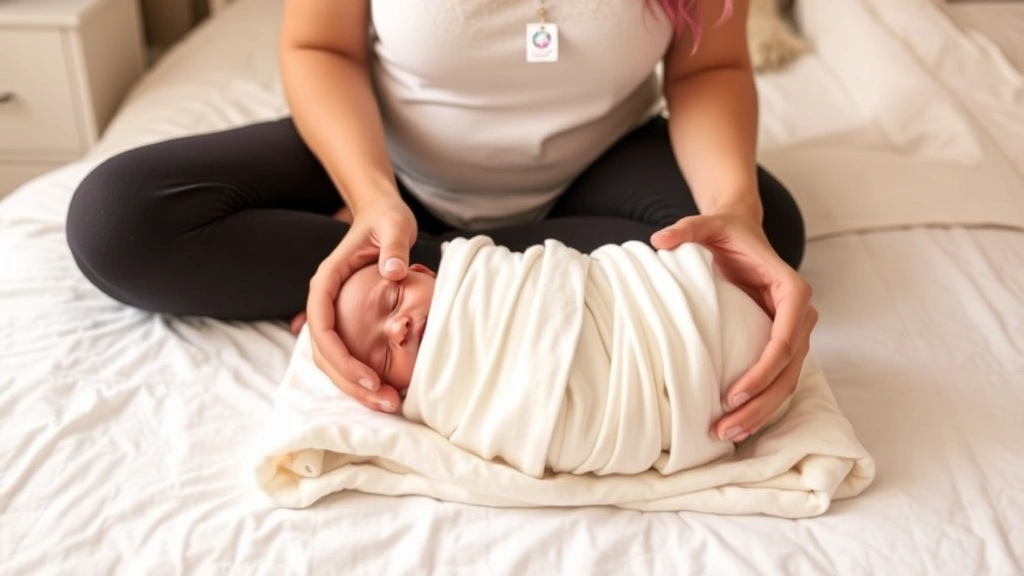
Step 1: Choose Your Blanket Start with a lightweight, breathable square blanket (approximately 36×36 inches). Muslin or cotton blends work best. Avoid heavy blankets or quilted materials that trap heat excessively.
Step 2: Position the Blanket Lay your blanket on a flat surface in a diamond shape. Fold the top corner down about 6 inches, creating a straight line across the top. Place your baby’s head above this folded line, with their neck resting on the fold.
Step 3: Secure the First Side Bring your baby’s left arm down against their body at a 45-degree angle (not pinned flat). Fold the left corner of the blanket over your baby’s body and tuck it snugly under their right side, securing the arm in place.
Step 4: Fold the Bottom Corner Bring the bottom corner of the blanket up toward your baby’s chin, leaving enough room for two fingers between the blanket and your baby’s face. Tuck this corner under your baby’s left shoulder.
Step 5: Secure the Second Side Fold the right corner over your baby’s body and tuck it snugly under their left side. Your baby’s right arm should be secured at approximately the same angle as the left.
Step 6: Check Your Work When complete, your baby should be wrapped snugly but not restrictively. You should fit two fingers between the swaddle and your baby’s chest. Their hips should have enough room to move naturally—never wrap too tightly around the hips, as this can contribute to hip dysplasia.
Practice this technique with a doll before attempting it with your newborn. Most parents achieve proficiency within 3-5 attempts. Consider purchasing best baby shower gifts that include pre-made swaddle wraps, which simplify the process and ensure consistency.
Many parents appreciate velcro swaddles or wrap-style swaddling blankets, which remove guesswork from the process. These products maintain proper technique even when parents are exhausted or stressed, making them worthwhile investments.
Critical Safety Considerations for Swaddled Babies
While swaddling offers tremendous benefits, safety must remain paramount. Improper swaddling or failure to follow safety guidelines can create serious risks. Pediatricians emphasize these non-negotiable safety rules.
Sleep Position: Swaddled babies must always sleep on their backs. The American Academy of Pediatrics explicitly recommends back sleeping for all infants under 12 months. Never place a swaddled baby on their side or stomach, as this significantly increases Sudden Infant Death Syndrome (SIDS) risk.
Hip Health: Swaddling with legs tightly extended can increase hip dysplasia risk. Ensure your baby’s hips have freedom to flex and move naturally. Their legs should bend slightly, mimicking a frog-like position rather than remaining completely straight.
Temperature Management: Overheating increases SIDS risk. Never swaddle in a warm room or add blankets to a swaddled baby’s crib. Keep the room temperature between 68-72°F. Dress your baby in a light sleep sack under the swaddle rather than adding additional blankets.
Escape Prevention: As your baby develops strength and mobility, they may work free from swaddles. This isn’t a sign to wrap tighter—it’s a signal to transition away from swaddling. Babies who can roll over should not be swaddled, as they could roll onto their stomach and lack arm mobility to reposition themselves.
Facial Clearance: Never swaddle over your baby’s face or neck area. Always ensure clear airway access and adequate space around the head. The swaddle should secure the torso and arms, not restrict breathing in any way.
Duration Limits: Extended swaddling can weaken muscles needed for development. Limit swaddling to sleep times rather than constant daytime use. This preserves your baby’s natural movement and muscle development while still providing sleep benefits.
Parents concerned about safe sleep practices should reference NICHD safe sleep guidelines, which provide comprehensive evidence-based recommendations for reducing SIDS risk.
When to Stop Swaddling: Developmental Milestones
Swaddling is most beneficial during the first few months of life, but it’s not a permanent solution. Recognizing when your baby is ready to transition away from swaddling prevents potential safety issues and supports healthy development.
Rolling Over: The primary indicator to discontinue swaddling is when your baby begins rolling from back to front. Once your baby can roll, swaddling restricts their ability to reposition themselves if they end up on their stomach. This typically occurs between 3-6 months, though some babies develop this skill earlier.
Increased Mobility: As your baby’s strength and coordination improve, they’ll naturally work free from swaddles. Rather than fighting this development, embrace it as a sign that your baby is ready for new sleep strategies.
Gradual Transition: Begin transitioning by leaving one arm free during swaddles, allowing your baby to adjust to less restriction. Over several weeks, gradually reduce swaddling until your baby sleeps unswaddled. This gentle approach prevents sleep regression and reduces transition stress.
Alternative Soothing Methods: Replace swaddling with other effective techniques such as white noise, consistent bedtime routines, and gentle rocking. These methods continue supporting sleep quality without the restrictions of swaddling.
Parents planning to transition away from swaddling should explore baby shower games ideas and community resources for peer support during this developmental shift.
Frequently Asked Questions About Baby Swaddles
At what age can I start swaddling my baby?
You can swaddle your baby from birth, even while still in the hospital. Many hospitals teach swaddling techniques to new parents before discharge. Starting early allows your baby to benefit from swaddling during the newborn period when they most need soothing and sleep support.
Can I swaddle my baby during daytime naps?
Yes, swaddling works equally well for daytime naps and nighttime sleep. Many parents swaddle exclusively for sleep times, whether day or night. This consistency helps your baby associate swaddling with sleep and can improve overall sleep quality.
What if my baby hates being swaddled?
Some babies genuinely dislike swaddling. This is normal and not a reflection of poor parenting. Alternative soothing techniques include gentle rocking, white noise, pacifiers, or simply holding your baby close. Not every baby responds identically to every technique—your job is finding what works for your individual child.
Is swaddling safe for all babies?
Most healthy term infants benefit from swaddling. However, babies with certain conditions (such as hip dysplasia or severe reflux) may require modified swaddling or alternative techniques. Discuss swaddling with your pediatrician if your baby has health concerns.
How long should I keep my baby swaddled during sleep?
Swaddle your baby for the entire sleep period—both naps and nighttime. However, limit swaddling to sleep times rather than constant daytime use. This preserves natural movement and development while providing targeted sleep benefits.
Can I use a swaddle blanket with a sleep sack?
Never combine a swaddle with a sleep sack, as this creates excessive warmth and overheating risk. Choose one sleep method: either swaddling or a sleep sack, but not both simultaneously.
What should my swaddled baby wear underneath?
Dress your baby in a light onesie or bodysuit under the swaddle. Avoid heavy pajamas or additional layers. Check your baby’s temperature by feeling their back or neck—they should feel warm, not hot or cold.
Is it ever too late to start swaddling?
While swaddling is most beneficial for newborns, some older babies still enjoy it. If your 3-4 month old finds swaddling comforting and hasn’t begun rolling yet, continuing briefly is reasonable. However, transition away as soon as rolling develops.
What’s the difference between swaddling and using a sleep sack?
Swaddling wraps your baby’s arms and body for deep pressure comfort, while sleep sacks leave arms free and provide warmth without restriction. Both are safe sleep alternatives to blankets, but they serve different purposes. Some babies prefer one over the other.
Can swaddling prevent SIDS?
Swaddling alone doesn’t prevent SIDS, but when combined with back sleeping, firm sleep surfaces, room-sharing without bed-sharing, and avoiding overheating, it contributes to a comprehensive safe sleep environment. Follow all CDC safe sleep recommendations for maximum SIDS risk reduction.
For additional guidance on preparing for your baby’s arrival, explore baby shower dresses for mom and other practical resources for expectant parents.