How to Choose the Best Baby Swimsuit: A Parent’s Complete Guide
There’s something uniquely magical about introducing your little one to the water for the first time. Whether it’s a backyard splash pad, a community pool, or a beach vacation, those early water experiences create memories that stick with families for years. But before you can dive into those moments, there’s a practical question that catches many parents off guard: what exactly should your baby wear?
Choosing a baby swimsuit might sound straightforward until you’re standing in front of a wall of options, each promising sun protection, comfort, durability, and style. The reality is that finding the right fit involves balancing safety, functionality, comfort, and yes—aesthetics too. Your baby deserves to feel good in what they’re wearing, and honestly, so do you.
This guide walks you through everything you need to know to make an informed decision, from understanding different swimsuit types to navigating sizing challenges and considering special needs. Let’s make sure your little swimmer is set up for success.
Understanding Baby Swimsuit Types
The world of baby swimwear is more diverse than you might expect. Understanding the different categories helps narrow down what actually makes sense for your family’s lifestyle and your baby’s needs.
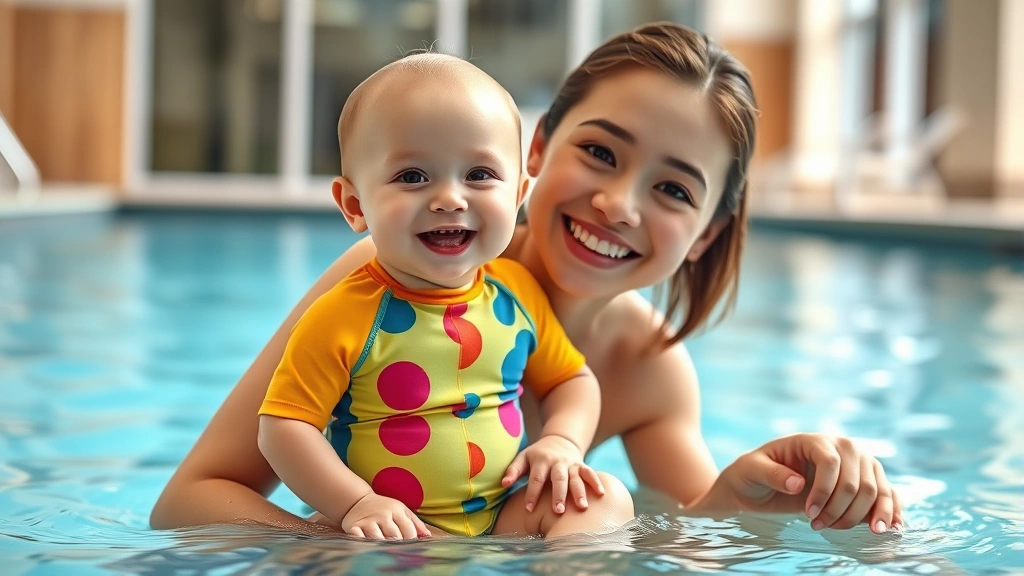
One-Piece Swimsuits remain the classic choice for babies and toddlers. They’re straightforward, provide full coverage, and don’t have pieces that can slip off during active water play. One-pieces work particularly well for younger babies (6-18 months) because they stay secure and require minimal adjustment. They’re also the most practical option if you’re dealing with diaper accidents, as they’re easier to manage for quick changes.
Two-Piece Swim Sets have gained popularity in recent years, particularly for toddlers approaching the preschool years. Some parents appreciate the flexibility—you can mix and match tops and bottoms from different sets, and they’re often easier to get on and off. However, they require more supervision to ensure the pieces stay in place, especially for younger babies who are still developing body awareness.
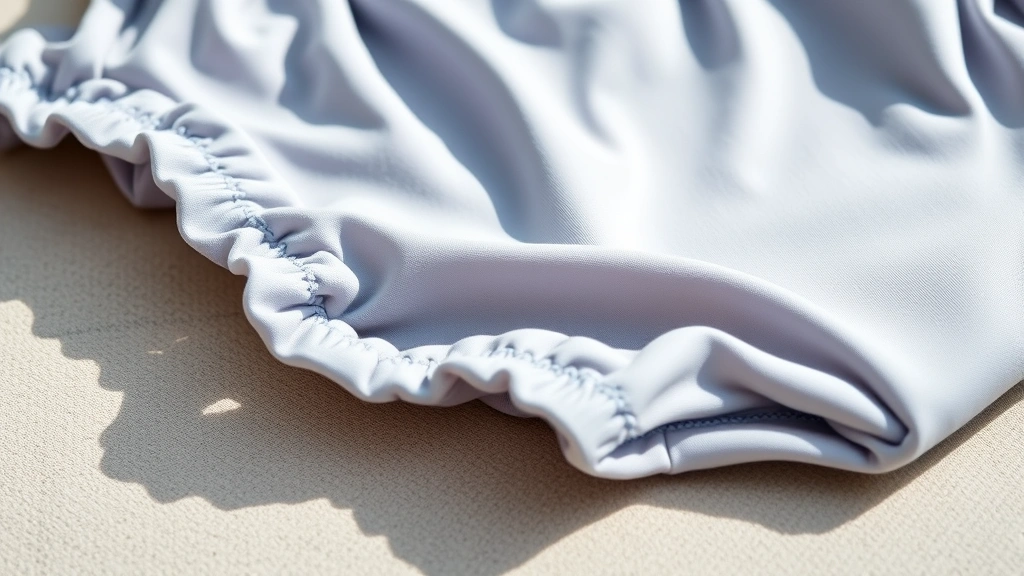
Swim Diapers and Swim Pants deserve special mention because they’re not technically swimsuits, but they’re essential. These are specifically designed to contain accidents without absorbing water like regular diapers would. If your baby isn’t fully potty trained, a swim diaper is non-negotiable for pool environments—most facilities require them.
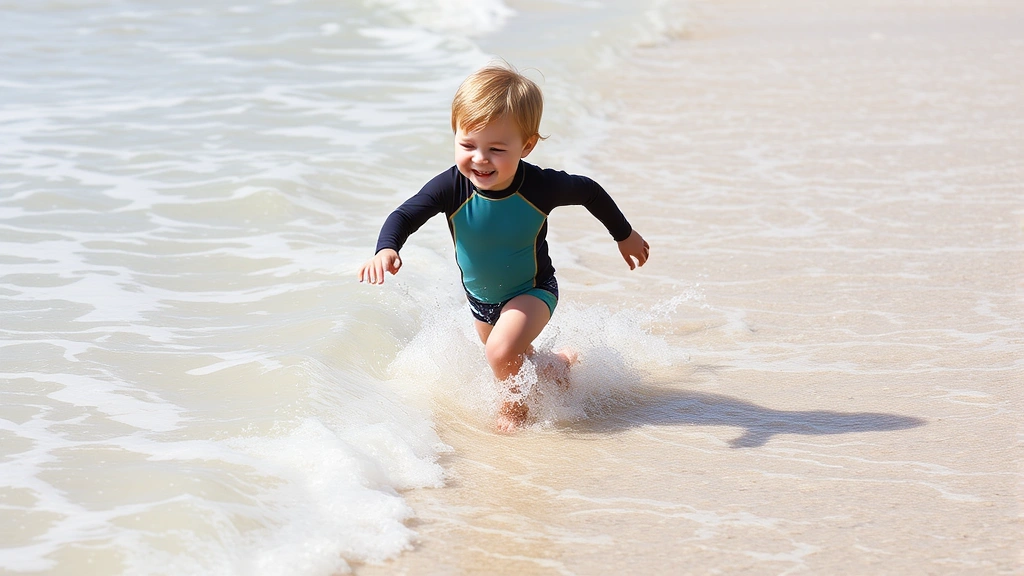
Rash Guards and Swim Shirts are increasingly popular for sun protection. These fitted shirts can be worn alone or layered with swim bottoms. They’re excellent for babies with sensitive skin or those prone to sun sensitivity. Many parents combine these with swim pants or bottoms for complete coverage.
Wetsuit-Style Swimsuits are gaining traction among families who spend significant time in cooler water. These provide thermal protection alongside sun protection, making them ideal if you’re frequent beach visitors or live in cooler climates.
Key Features to Look For
Now that you understand the different types, let’s talk about what actually matters when you’re evaluating a specific swimsuit. These features directly impact how your baby experiences water time.
Secure Fastening Systems are non-negotiable. Look for swimsuits with:
- Elastic leg openings that fit snugly but aren’t tight enough to leave marks
- Waistbands with adjustable drawstrings or elastic that won’t slip during active play
- Velcro or snap closures that keep shoulder straps in place
- Double-stitched seams at stress points
Comfort and Flexibility matter more than you’d think. Your baby needs to move freely—reaching, kicking, and twisting without restriction. Swimsuits with four-way stretch fabric allow natural movement and reduce the frustration factor for little ones. The fabric should feel soft against delicate skin without being so loose that it creates safety concerns.
Quick-Drying Properties prevent that uncomfortable, heavy feeling that happens when wet fabric clings to skin. Modern baby swimsuits use special synthetic blends that dry rapidly, which also means less time for your baby to get chilled after leaving the water. This is particularly important for younger babies who lose body heat more quickly than older children.
Durability and Chlorine Resistance extend the life of your investment. Quality swimsuits maintain their elasticity and color even after repeated chlorine exposure. Cheaper options often fade and lose their stretch after just a few weeks of regular pool use. If you’re planning multiple seasons of use, spending a bit more upfront saves money long-term.
Seam Construction indicates overall quality. Flat-lock seams are superior to traditional stitching because they don’t create rough spots that can irritate skin or cause chafing. Run your finger along the seams before purchasing if you’re shopping in-store.
Sizing and Fit Essentials
This is where many parents struggle, and understandably so. Baby sizing is notoriously inconsistent across brands, and growth happens at unpredictable rates. Let’s demystify this process.
Measure Your Baby Correctly before ordering online. You’ll need:
- Chest circumference (around the fullest part of the chest)
- Waist measurement (around the natural waist)
- Length from shoulder to crotch
- Current weight and age (as reference points)
Most brands provide detailed size charts that reference these measurements rather than just age. Age-based sizing is notoriously unreliable—a six-month-old can vary significantly in size depending on genetics and development rate.
Account for Growth without going overboard. You want the swimsuit to fit properly now, not in six months. An oversized swimsuit creates safety risks because straps can slip and coverage becomes inconsistent. However, choosing a size up when your baby is between sizes (say, at 5.5 months in a 6-month suit) makes sense if the brand runs small.
Check Return Policies when shopping online. Many retailers offer free returns within 30-60 days, which takes the pressure off getting the size perfect on first try. This is especially valuable for premium brands where fit can be finicky.
Consider Layering for Size Flexibility with swim shirts and bottoms. A rash guard that’s slightly large can still work, whereas an oversized one-piece creates legitimate safety concerns. Separates offer more flexibility as your baby grows between purchases.
Watch for Red Marks after wearing. Some elastic marks are normal, but deep indentations or discoloration suggest the fit is too tight. Your baby should have enough room to fit one finger comfortably under the waistband and leg openings.
Sun Protection and Material Matters
Sun protection is increasingly important in baby swimwear discussions, and rightfully so. Your baby’s skin is significantly more vulnerable to UV damage than adult skin, making this feature genuinely critical rather than merely cosmetic.
Understanding UPF Ratings helps you make informed choices. UPF (Ultraviolet Protection Factor) indicates how effectively fabric blocks UV rays. A UPF 50+ rating blocks approximately 98% of UV radiation. Most quality baby swimsuits offer at least UPF 50+ protection, which is the gold standard. This is one area where spending more ensures better protection—budget options often have minimal or no UPF rating.
Fabric Composition Affects Protection significantly. Tightly woven synthetics like polyester and nylon provide better UV protection than natural fibers. Many premium baby swimsuits use high-tech blends specifically engineered for sun protection. These materials also tend to be more durable and chlorine-resistant than basic options.
Coverage Area Matters as much as the UPF rating. A swimsuit that only covers the torso leaves arms, legs, and shoulders vulnerable. This is why many pediatricians recommend combining swimwear with additional sun protection strategies, including rash guards that extend coverage and hats designed for water play.
Color Considerations have functional implications. Darker colors absorb more heat but typically provide slightly better UV protection. Lighter colors keep babies cooler, which matters for extended water sessions. Many parents compromise by choosing medium tones that balance both concerns.
Fade Resistance is worth noting. Quality swimsuits maintain color vibrancy after repeated sun and chlorine exposure. Fading isn’t just aesthetic—it can indicate that UV protection is degrading as well.
Budget-Friendly Options
Quality baby swimwear doesn’t require maxing out your budget, though understanding where to allocate resources helps. Let’s talk smart shopping.
Where to Spend More and why it matters:
- Fit and sizing accuracy — Premium brands typically have better size consistency, reducing the frustration and waste of incorrect purchases
- Durability — Higher-quality fabrics last through multiple seasons and siblings, spreading the cost over time
- Sun protection — Investing in legitimate UPF 50+ protection saves money on sunscreen and reduces skin damage risk
- Comfort features — Better seam construction and fabric quality mean fewer rashes and greater enjoyment of water time
Where You Can Save without sacrificing quality:
- Off-season purchases — Buying winter swimsuits in fall or spring options in early summer yields significant discounts
- Second-hand options — Quality swimsuits hold up well to pre-owned use. Check platforms specifically for children’s items
- Outlet stores and online flash sales — Legitimate retailers often discount overstocked items
- Store brands — Many retailers’ private labels offer solid quality at lower price points than designer equivalents
Investment Perspective matters here. A $60 swimsuit that lasts two years and gets passed to a sibling costs less per wear than a $20 option that degrades after one season. Calculate the actual cost per use rather than just the price tag.
Style Considerations for Every Gender
While we’re moving toward more gender-neutral approaches to children’s clothing, parents still have specific preferences and considerations for their babies’ swimwear. Let’s address this thoughtfully.
For Baby Boys, traditional options include swim trunks paired with rash guards, or one-piece swimsuits. Many parents of boys appreciate baby boy clothes options that offer durability and active play functionality, and swimwear is no exception. Popular styles include:
- Swim trunks with built-in mesh liners (for support and quick drying)
- Rash guard and trunk combinations
- One-piece suits designed with boys’ proportions in mind
- Swim shirts paired with board shorts for older toddlers
Consider checking out baby boy gifts guides for additional swimwear inspiration, as quality swim gear often appears in curated gift collections.
For Baby Girls, options range from traditional one-pieces to two-piece sets, rash guard combinations, and swim dresses. Many parents appreciate baby girl clothes that balance style with practicality, and the same applies to swimwear. Popular choices include:
- One-piece swimsuits with fun prints or solid colors
- Two-piece swim sets with coordinated tops and bottoms
- Swim dresses that provide full coverage with a feminine aesthetic
- Rash guard and swim skirt combinations
Explore baby girl gifts collections for additional style ideas and quality brand recommendations that consistently appear in curated selections.
Gender-Neutral Options are increasingly available and worth considering. Many parents prefer unisex designs that focus purely on function and comfort. These often feature:
- Minimal gendered styling elements
- Practical color palettes
- Emphasis on protection and durability
- Sizing based on measurements rather than gender
Personal Preference Matters Most. Your baby doesn’t have opinions about whether their swimsuit is traditionally masculine or feminine—but you might, and that’s completely valid. Choose what makes you happy while ensuring the fit and features meet your baby’s needs.
Care and Maintenance Tips
Proper care extends your swimsuit’s lifespan significantly, protecting your investment and maintaining performance features.
Rinse Immediately After Use with fresh water. Chlorine and saltwater damage fabric over time, so rinsing within minutes of leaving the pool or beach is crucial. Even if you’re heading home, a quick rinse at the facility prevents damage from setting in.
Hand Wash When Possible rather than using the washing machine. Fill a sink with cool water, add mild detergent, and gently agitate the swimsuit for a few minutes. This preserves elastic and prevents damage to seams that aggressive machine washing can cause.
Avoid Fabric Softener and Bleach completely. These products break down the elastic and damage UV-protective coatings. Stick to gentle, fragrance-free detergents specifically designed for delicate fabrics.
Air Dry Always. Never use a dryer, as heat destroys elasticity. Hang the swimsuit in shade rather than direct sunlight, which can fade colors and degrade UV protection over time. Shade drying takes longer but preserves quality.
Store Properly when not in use. Keep swimsuits in a cool, dry place away from direct sunlight. Avoid compressing them tightly in drawers; instead, fold loosely or hang them. This prevents permanent creasing and maintains elasticity.
Rotate Between Multiple Suits if your baby swims frequently. This allows each suit to fully dry between uses and extends overall lifespan. Even frequent swimmers don’t need more than two or three quality suits, which is more economical than constantly replacing one worn-out option.
Check for Damage Before Each Use. Look for loose threads, fading seams, or areas where elastic is deteriorating. Addressing small issues early prevents them from becoming safety concerns.
Frequently Asked Questions
What age can babies start wearing swimsuits?
Babies can wear swimsuits from birth, though water exposure recommendations typically start around 6 months when babies have better temperature regulation. Before that age, water temperature becomes more critical. Always consult your pediatrician about when your specific baby is ready for water activities. The American Academy of Pediatrics provides age-specific guidance for water safety.
Do babies need swim diapers in addition to a swimsuit?
Yes, absolutely. Swim diapers are essential for any baby not fully potty trained, regardless of swimsuit type. They contain accidents without absorbing water like regular diapers. Most public pools and facilities require them. A swimsuit alone doesn’t replace this function.
How often should I replace my baby’s swimsuit?
With proper care, quality baby swimsuits last an entire season and often longer. Replace when you notice elastic losing its stretch, seams deteriorating, or the fit becoming too small. Growth happens faster than wear-out typically, so many parents replace due to sizing before the suit is actually worn out.
Can my baby wear a regular t-shirt in the pool instead of a rash guard?
Regular cotton shirts aren’t designed for water and become heavy, uncomfortable, and offer minimal sun protection when wet. Proper rash guards use technical fabrics that dry quickly and provide UPF protection. For safety and comfort, purpose-made swim shirts are worth the investment.
What’s the best swimsuit for babies with sensitive skin?
Look for hypoallergenic, chlorine-resistant fabrics with minimal dyes. Seamless or flat-lock seam construction prevents irritation. Many parents find that rash guards reduce friction-related rashes better than traditional swimsuits. Consider testing with shorter water sessions initially to identify any reactions.
Are expensive baby swimsuits worth the investment?
It depends on frequency of use. If your baby swims regularly, investing in quality ensures better durability, fit, and sun protection. If swimming is occasional, mid-range options balance quality and cost effectively. Calculate cost per wear to determine true value.
How do I know if my baby’s swimsuit fits correctly?
The fit should be snug but not tight—you should fit one finger comfortably under the waistband and leg openings. There shouldn’t be gaps at the neck or armholes where water easily enters. The suit should move with your baby without restricting movement or slipping during play.
Can I use my baby’s swimsuit for beach and pool?
Yes, though saltwater is harsher on swimsuits than chlorinated water. If you frequent both, consider having separate suits or rinsing extremely thoroughly after saltwater use. Some high-end brands make specific saltwater-resistant options if beach time is frequent.
What features matter most for active toddlers?
Secure fastening systems, quick-drying fabrics, and durable construction top the list. Active toddlers need suits that stay in place during vigorous play. Consider rash guards paired with swim bottoms, which offer flexibility as your toddler moves between different water activities.
Should I buy larger sizes to account for growth?
Not significantly. An oversized swimsuit creates safety risks. If your baby is between sizes, choosing one size up makes sense only if the brand runs small. Otherwise, accept that you’ll likely need to replace as they grow—quality suits last through multiple children anyway.