Best Baby Swimsuits: A Parent’s Guide to Comfort, Safety, and Style
There’s something magical about introducing your little one to the water for the first time. That mix of excitement, nervousness, and pure joy as they splash around in the shallow end. But before you dive headfirst into pool season, there’s one crucial decision that often gets overlooked: finding the right baby swimsuit.
It’s easy to think a swimsuit is just a swimsuit, right? Wrong. The difference between a mediocre choice and the perfect one can mean the difference between a comfortable, happy baby and one who’s constantly adjusting, slipping, or overheating. Plus, you’re dealing with delicate skin, UV protection concerns, and the practical reality that babies grow at lightning speed.
This guide breaks down everything you need to know about selecting the best baby swimsuit for your little swimmer. We’ll cover safety features, material choices, sizing tips, and style options that won’t have you breaking the bank. Whether you’re planning a beach vacation to one of the best family travel destinations or just hitting your local pool, you’ll find the answers here.
Why the Right Baby Swimsuit Matters
Your baby’s skin is approximately 30% thinner than adult skin, making it significantly more vulnerable to sun damage and irritation. When you’re selecting a baby swimsuit, you’re not just picking out an outfit—you’re making a health and safety decision that impacts your child’s well-being in the water.
The right swimsuit provides proper coverage, secure fit, and sun protection all in one package. A poorly fitting suit can slip off, bunch up uncomfortably, or restrict movement. Meanwhile, a suit without adequate UV protection leaves your baby exposed to harmful rays, even on cloudy days. And let’s be honest, you want something that actually looks cute in photos too.
Beyond the practical aspects, a well-chosen swimsuit can boost your baby’s confidence in the water. When they’re comfortable and secure, they’re more likely to enjoy swimming lessons, family pool time, and beach outings. It’s one of those small parenting decisions that ripples outward in unexpected ways.
Understanding UPF and UV Protection
UPF stands for Ultraviolet Protection Factor, and it’s your best friend when shopping for baby swimwear. Unlike SPF (which measures sunscreen effectiveness), UPF indicates how much ultraviolet radiation a fabric blocks from reaching your baby’s skin.
Look for swimsuits with UPF 50+, which blocks 98% of UV rays. This rating is the gold standard for baby swimwear and is recommended by pediatricians and the American Academy of Pediatrics. The fabric itself provides this protection, meaning it works whether your baby is wet or dry, and it doesn’t wash off like sunscreen.
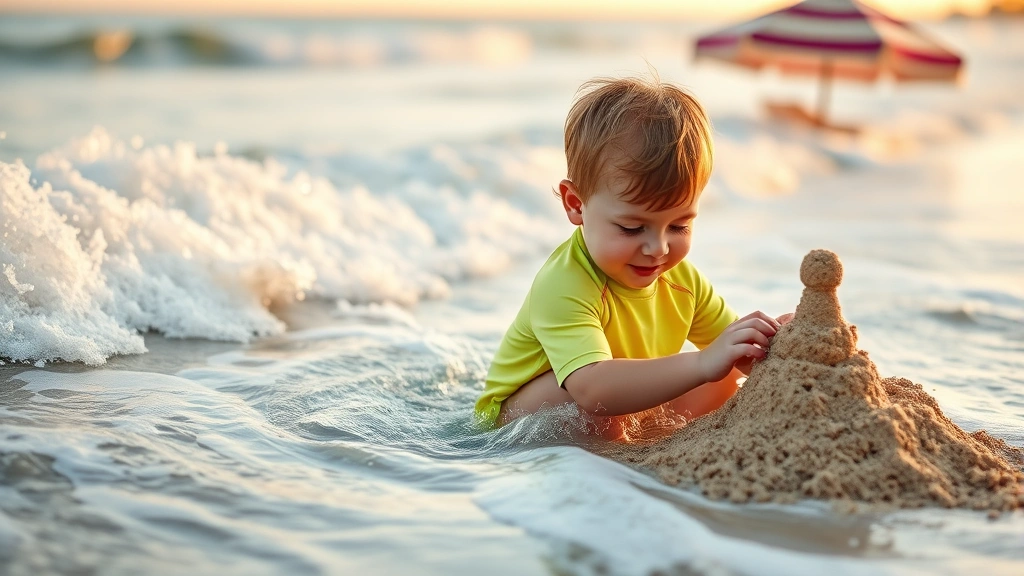
Many quality baby swimsuits combine UPF protection with rash guards or swim shirts that extend coverage up the arms and torso. This layered approach to sun protection is particularly important for babies under 6 months, who shouldn’t wear sunscreen at all. Even after 6 months, pairing a protective swimsuit with sunscreen creates comprehensive defense against sun damage.
The UV index varies by location and season, but UV exposure is strongest between 10 a.m. and 4 p.m. Planning your water activities outside these peak hours, combined with proper swimwear, significantly reduces your baby’s sun exposure risk.
Material Guide: What’s Best for Baby Skin
Not all swimsuit fabrics are created equal, especially when it comes to sensitive baby skin. Understanding material options helps you make an informed choice that keeps your little one comfortable and protected.
Nylon and Spandex Blends are the most common choice for baby swimwear. These synthetic materials dry quickly, provide excellent stretch and recovery, and typically cost less than premium alternatives. A typical blend might be 80% nylon and 20% spandex, offering durability with comfortable flexibility. The downside? Some babies with sensitive skin might experience irritation from synthetic materials.
Polyester Options have gained popularity in recent years, particularly for premium brands. Polyester holds color better than nylon, resists chlorine damage more effectively, and often feels softer against delicate skin. If your baby has eczema or sensitive skin conditions, polyester-based suits might be worth the extra investment.
Organic and Eco-Friendly Materials appeal to environmentally conscious parents. These suits often use organic cotton blends or recycled materials treated with non-toxic dyes. While they’re gentler on baby skin and the planet, they tend to be pricier and may not offer the same stretch and quick-dry properties as synthetic options.
Regardless of material, always wash new swimsuits before the first use. This removes any manufacturing residues, dyes, or chemicals that might irritate your baby’s skin. Use mild, baby-friendly detergent and rinse thoroughly.
Popular Swimsuit Styles for Babies
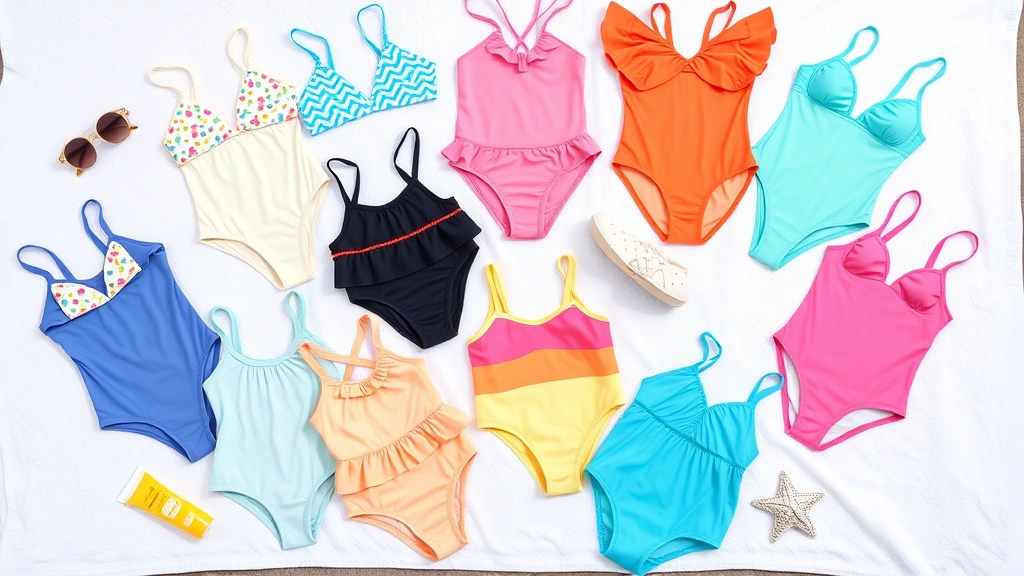
Baby swimsuit styles range from classic one-pieces to adorable two-piece options, each with distinct advantages. Your choice depends on your baby’s age, gender preference, and practical considerations.
One-Piece Swimsuits are timeless for good reason. They provide maximum coverage, stay securely in place, and simplify diaper changes (you can find styles with snap closures for easy access). One-pieces work beautifully for babies of any gender and are practical for swimming lessons where security is paramount. They’re also versatile—you can layer them under rash guards or wear them solo depending on the season.
Two-Piece Swim Sets featuring swim tops and bottoms have become increasingly popular, particularly for girls. Many include rash guard tops for extra sun protection and coverage. The advantage? Easy diaper and clothing changes without undressing completely. The trade-off is ensuring both pieces stay secure during active water play.
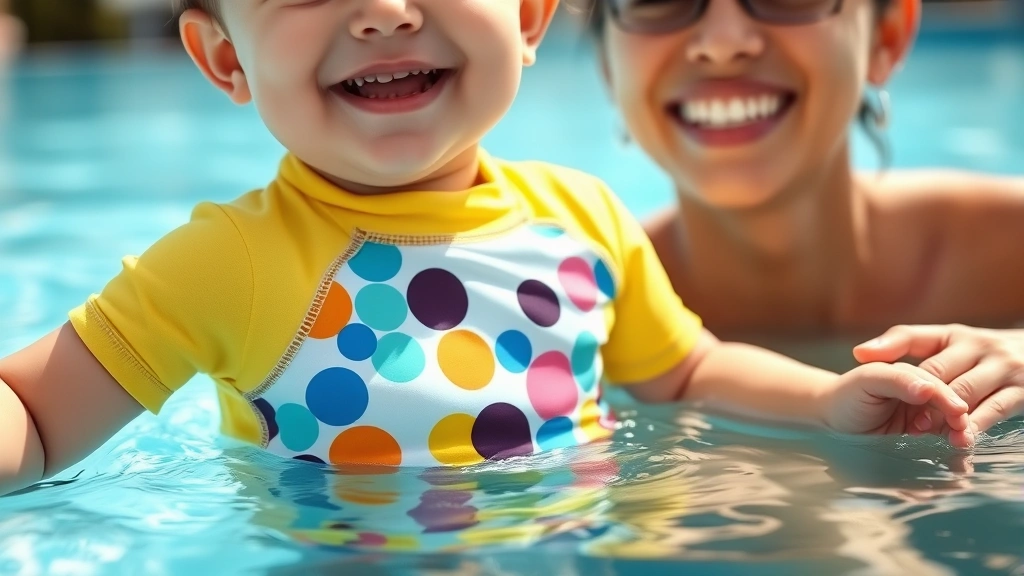
Rash Guards and Swim Shirts are often worn as standalone pieces or layered over traditional swimsuits. Available for all genders, these extended-coverage tops provide exceptional sun protection and are ideal for babies with sensitive skin or those prone to diaper rash irritation. They’re also great for water safety because the snug fit reduces fabric shifting.
For gift-giving parents, consider that baby boy gifts and baby girl gifts often include swimwear during spring and summer months. If you’re shopping for someone else’s little one, knowing their preferred style helps you choose a gift they’ll actually use.
Getting the Fit Right
Proper sizing is absolutely critical with baby swimwear. A suit that’s too large will slip and shift, defeating its safety purpose. One that’s too small restricts movement and creates uncomfortable pressure points on developing bodies.
Most baby swimsuits are sized by age (0-3 months, 3-6 months, 6-12 months, 12-18 months, etc.) or by weight ranges. However, babies grow unpredictably, so always check the specific measurements rather than relying solely on age labels. Measure your baby’s chest circumference and compare it to the manufacturer’s sizing chart.
Look for these fit indicators when trying on a suit:
- Shoulder seams should sit at the shoulder joint, not riding up toward the neck
- Leg openings should be snug enough to prevent slipping but loose enough to fit your pinky finger inside
- The torso should feel secure without leaving red marks after removal
- Straps shouldn’t dig into shoulders or slip off easily
- The suit should allow full range of motion for arm and leg movement
Since babies grow so quickly, buying slightly larger sizes might seem economical, but it compromises safety and comfort. A better strategy? Purchase quality pieces you’ll keep for younger siblings or consider renting swimwear through specialty services if you only need it briefly.
Essential Safety Features
Beyond fit and material, certain safety features distinguish exceptional baby swimsuits from mediocre ones.
Secure Closures are non-negotiable. Avoid velcro straps that lose grip when wet. Instead, look for adjustable snap closures or buckles that keep straps securely fastened. Some premium brands feature specialized shoulder clasps designed specifically for baby proportions, preventing accidental slippage during water play.
According to the Parents Magazine child development resource center, proper swimsuit fit is a key component of water safety for infants and toddlers. A secure suit that stays in place allows your baby to move freely without wardrobe malfunctions distracting them or you.
Reinforced Seams matter more than you’d think. Babies are constantly moving, stretching, and testing the limits of their clothing. Flat-lock seams (stitched so the seam itself is flat rather than creating a raised ridge) are gentler on sensitive skin and more durable than traditional seams.
Quick-Dry Technology reduces the time your baby spends in wet clothing, which matters for both comfort and hygiene. Look for materials treated to repel water and dry faster than standard fabrics. This becomes especially important if you’re transitioning between pool time and other activities.
Diaper-Friendly Design is practical for babies still in diapers. Some suits feature snap crotches or wide leg openings that accommodate swim diapers without creating bulk. This small feature makes outfit changes infinitely easier during a day at the pool.
Budget-Friendly Options Without Compromise
Quality baby swimsuits don’t have to drain your budget. Smart shopping strategies help you find excellent options at reasonable prices.
Off-Season Shopping yields significant savings. Buy winter swimwear in August or September when retailers clear summer inventory. Similarly, purchase next-season sizes during end-of-season sales. Since babies grow quickly anyway, having next year’s size ready actually makes planning easier.
Store brands from major retailers often offer comparable quality to premium brands at 30-50% lower prices. Don’t overlook these options—many feature the same UPF protection and durable construction as pricier alternatives. Read reviews to identify which store brands consistently perform well.
Outlet Stores and Online Discount Retailers carry overstock from previous seasons at significantly reduced prices. While selection might be limited, you can find quality pieces if you’re flexible on style and color.
If you’re expecting a baby soon or celebrating a little one’s arrival, baby shower gift ideas might include swimwear. Suggest specific brands or styles to gift-givers to ensure you receive pieces that match your preferences and your baby’s needs.
Consider buying versatile, neutral-colored suits that work year-round and can be worn by younger siblings. A well-made navy or white swimsuit with solid construction lasts through multiple children and seasons, making the per-use cost remarkably reasonable.
Care and Maintenance Tips
Proper care extends your baby swimsuit’s lifespan and maintains its protective properties.
Rinse Immediately After Use in fresh water to remove chlorine, salt, and sunscreen residue. These substances break down fabric fibers and degrade UV protection over time. A quick rinse at the pool or beach makes a huge difference in durability.
Hand Wash with Mild Detergent rather than machine washing whenever possible. The agitation of washing machines can damage elastic and seams. Use cool water and baby-friendly detergent, then lay flat to dry. This gentle approach preserves both the suit’s structure and its protective properties.
Avoid Harsh Chemicals and Fabric Softeners. These products coat fabric fibers and can interfere with UV protection effectiveness. Stick to mild, fragrance-free detergents designed for delicate items.
Store in a Cool, Dry Place away from direct sunlight when not in use. Prolonged sun exposure degrades UPF protection even when the suit isn’t being worn. A drawer or closet works better than leaving suits in a sunny beach bag.
Check for Wear and Tear regularly. Once elastic loses its stretch, seams separate, or UV protection degrades (typically after 50+ washes or two seasons of regular use), it’s time to replace the suit. A compromised suit doesn’t provide the protection your baby needs.
When shopping for baby boy clothes, remember that swimwear requires the same care consideration as regular clothing. Investing in quality pieces and maintaining them properly ensures they serve multiple purposes and last through multiple children.
Frequently Asked Questions
What age can babies start wearing swimsuits?
Babies can wear swimsuits from birth, though newborns typically don’t need them until around 3-4 months when they might start water activities like baths or infant swim classes. Always check with your pediatrician before introducing young babies to pools or beaches, as water temperature and hygiene considerations vary by age.
Do I need a swim diaper if my baby is wearing a swimsuit?
Yes, absolutely. Swim diapers are essential whether your baby wears a traditional swimsuit or not. Regular diapers absorb water and become heavy, while swim diapers contain accidents without absorbing water. Many babies wear a swim diaper under their swimsuit for maximum protection and hygiene.
How often should I replace my baby’s swimsuit?
Most baby swimsuits last one to two seasons with regular care and maintenance. Since babies grow quickly, you might outgrow the suit before it wears out. UV protection typically degrades after 50+ washes or two seasons of regular use, so replace the suit when either condition occurs.
Can I use sunscreen instead of a UPF swimsuit?
Sunscreen and UPF swimsuits work best together, not as replacements for each other. Babies under 6 months shouldn’t wear sunscreen at all, making UPF swimwear their primary sun protection. After 6 months, combine a protective swimsuit with reef-safe, broad-spectrum SPF 30+ sunscreen for comprehensive protection.
Are expensive baby swimsuits worth the investment?
Quality matters more than price. A mid-range suit with excellent UPF protection, secure closures, and durable construction outperforms an expensive suit with poor fit or inadequate sun protection. Focus on features and fit rather than brand prestige. That said, investing in one quality suit that lasts through multiple children makes financial sense.
What’s the difference between a swim shirt and a rash guard?
These terms are often used interchangeably, though rash guards technically refer to fitted athletic tops designed to prevent chafing during water sports, while swim shirts are broader category that includes various protective tops. For babies, both provide UPF protection and extended coverage. Choose whichever style offers the best fit and comfort for your little one.
How do I know if a swimsuit is truly UPF 50+?
Look for legitimate UPF certification labels from standards organizations like the ASTM International. Reputable brands list UPF ratings prominently and provide information about which parts of the suit offer protection. If a brand makes vague claims or doesn’t specify UPF ratings, it’s worth investigating further before purchasing.