Best Baby Swimwear? Parent Reviews Inside
Choosing the right baby swimwear is one of those decisions that might seem simple on the surface but involves more considerations than most parents expect. Beyond just picking a cute design, you’re thinking about sun protection, comfort, safety, and durability—all while your little one is learning to love the water. We’ve gathered insights from real parents who’ve tested popular options, consulted pediatric guidelines, and discovered what actually works during those precious early swimming experiences.
Whether you’re preparing for your first beach trip, planning regular pool visits, or introducing your baby to water play, this guide walks you through everything you need to know. We’ll cover the different types of baby swimwear available, what makes quality products stand out, and honest reviews from parents just like you who’ve been through the selection process.
Table of Contents
- Types of Baby Swimwear
- Essential Features to Look For
- Top Brands and Parent Favorites
- Sizing and Fit Guide
- Safety Considerations
- Cleaning and Care Tips
- Frequently Asked Questions
Types of Baby Swimwear
Understanding the different options available helps you make an informed choice based on your family’s needs and lifestyle. Each type of baby swimwear serves different purposes and works better in certain situations.
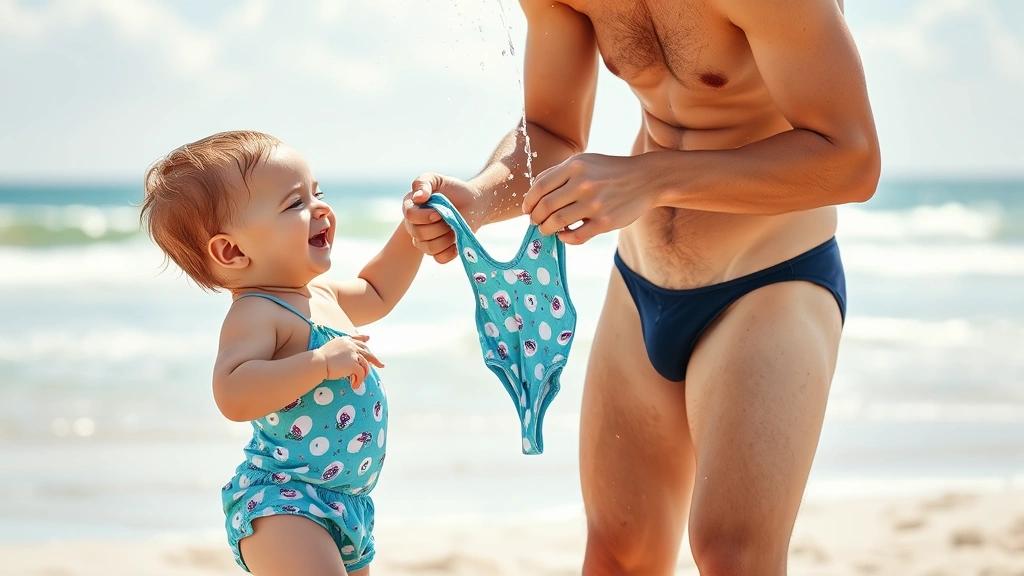
One-Piece Swimsuits: These are the classic choice for many parents and remain popular for good reason. One-piece designs offer full coverage, making them ideal for extended sun exposure. They’re easy to put on and take off compared to two-piece options, which is crucial when your baby is wiggly and impatient. Many parents appreciate that one-pieces keep babies warmer in cooler water and provide consistent coverage during active water play.
Two-Piece Swim Sets: Increasingly popular with parents of babies and toddlers, two-piece sets make diaper changes and bathroom trips significantly easier. You don’t need to remove the entire swimsuit, just the bottom piece. This practical advantage has made two-piece baby swimwear a favorite among parents dealing with frequent diaper changes or potty training transitions. The top can also be worn as a rash guard for extra sun protection.
Swim Diapers and Swim Trunks: For the youngest swimmers (typically under 12 months), specialized swim diapers paired with swim trunks offer maximum convenience. Swim diapers prevent accidents in the water while allowing your baby to move freely. Many parents use this combination for quick dips or when they’re still establishing a water routine with their infant.
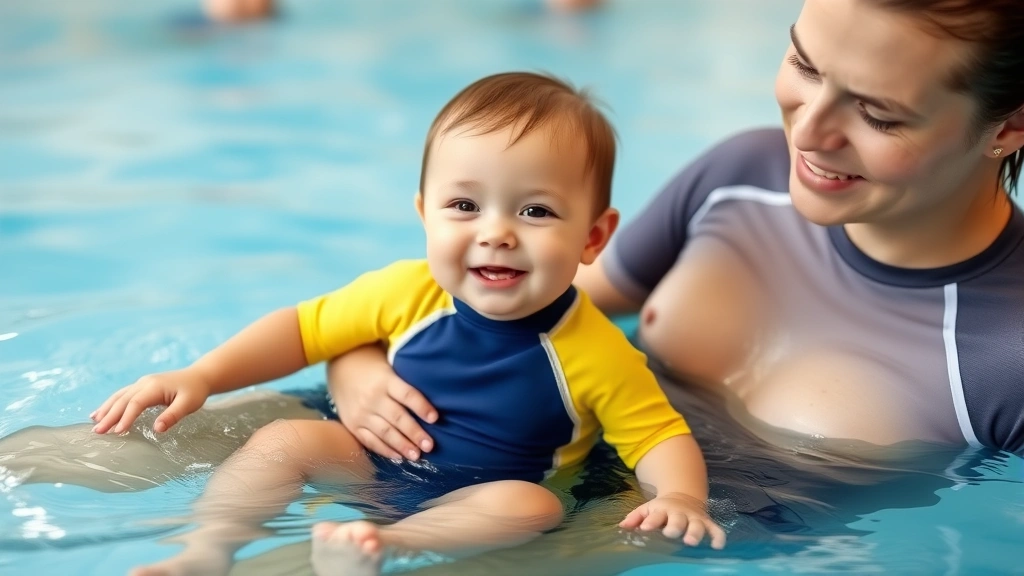
Rash Guards: These protective shirts are increasingly recommended by pediatricians and dermatologists. A quality rash guard provides UPF protection and reduces the need for constant sunscreen reapplication. Many parents layer rash guards with swim bottoms or use them as standalone pieces during water play, particularly for babies with sensitive skin or family histories of skin concerns.
Essential Features to Look For
Not all baby swimwear is created equal. Knowing which features matter most helps you invest in pieces that will actually serve your family well and protect your little one in the water.
Sun Protection (UPF Rating): According to the American Academy of Pediatrics, UV protection is crucial for babies and young children whose skin is more vulnerable to sun damage. Look for swimwear with UPF 50+ protection. This rating means the fabric blocks 98% of harmful UV rays. Parents consistently report that baby swimwear with proper UPF ratings reduces their anxiety about sun exposure and means fewer frequent sunscreen applications, which is a practical benefit when managing an active toddler.
Material Quality: The best baby swimwear uses chlorine-resistant, quick-drying fabrics that maintain their shape after repeated washing. Look for nylon-spandex blends or polyester-spandex combinations. These materials are gentler on delicate skin, resist fading, and hold up well to both chlorine and saltwater exposure. Parents note that higher-quality materials also mean better longevity, which matters when siblings might wear the same pieces.
Comfortable Fit: A proper fit prevents chafing and allows freedom of movement. Elastic waistbands should be snug but not restrictive—you should fit one finger comfortably under the elastic. Straps should stay in place without digging into shoulders. Many parents recommend trying on multiple sizes because sizing varies significantly between brands. The American Academy of Pediatrics emphasizes that comfortable clothing supports better water safety because children are less distracted by discomfort.
Durability and Longevity: Quality seams, reinforced areas around leg holes, and fade-resistant dyes indicate baby swimwear that will last multiple seasons. Parents who’ve purchased bargain options often report premature fading, elastic failure, and seam separation after just a few months of use. Investing in durable pieces means you can pass them down to younger siblings or friends.
Easy Care: Look for machine-washable options that don’t require special treatment. Some parents appreciate that quality baby swimwear can go directly from pool to washing machine without hand-washing requirements, making busy family life more manageable.
Top Brands and Parent Favorites
We’ve compiled feedback from parents about the most reliable baby swimwear brands currently available. These options consistently receive praise for quality, durability, and value.
Speedo Baby Collection: Parents consistently praise Speedo for reliable construction and excellent sun protection. Their baby and toddler lines offer UPF 50+ protection with comfortable, secure fits. The brand’s long history in swim apparel means their sizing is predictable, and parents appreciate the wide range of styles available. Many families report their Speedo pieces lasting through multiple children. The price point is moderate—not the cheapest option but justified by longevity.
Carter’s and OshKosh Baby Swimwear: Known for affordability without sacrificing quality, Carter’s and OshKosh offer baby swimwear with solid sun protection and cute designs. Parents on budget constraints often start here, and many are pleasantly surprised by durability. These brands are excellent for younger babies (under 12 months) or when you’re uncertain about your child’s reaction to water.
Lands’ End Kids: Premium quality baby swimwear from Lands’ End includes excellent sun protection and comfortable fits. Parents who’ve invested in their pieces report exceptional durability and minimal fading even after multiple seasons. The brand offers good sizing options and their customer service is frequently mentioned as a positive factor when exchanges are needed.
Hatley: Specializing in quality children’s clothing, Hatley’s swim collection features fun designs and reliable construction. Parents appreciate the unique patterns and prints, which make getting kids excited about water time easier. Their baby swimwear uses quality materials and offers good UV protection, though pricing is at the premium end.
Coolibar: For parents seeking maximum sun protection and specialized designs, Coolibar offers excellent UPF 50+ rated baby swimwear. The brand is particularly popular among families with sensitive skin concerns or strong sun exposure situations. While more expensive, parents report the investment pays off through durability and effective protection.
Sizing and Fit Guide
Proper sizing is crucial for comfort, safety, and getting the most value from your baby swimwear purchase. Unlike regular clothing, swimwear sizing varies significantly between brands, making this step particularly important.
Measure Your Baby: Use a soft measuring tape to check your baby’s chest circumference and length from shoulder to hip. Compare these measurements to each brand’s size chart rather than relying on age. Many parents are surprised to find their 18-month-old might wear anything from size 12 months to size 24 months depending on the brand.
Account for Growth: Babies grow quickly, but baby swimwear shouldn’t be so large that it’s unsafe or uncomfortable. Look for pieces with adjustable features like drawstring waistbands that can accommodate some growth. Many parents buy one size up from current measurements, planning for growth through the season, but this varies based on how quickly your individual child grows.
Try Before You Buy: When possible, try on baby swimwear before purchasing. If buying online, check return policies carefully. Many retailers offer free returns, which is valuable when sizing uncertainty is high. Parents recommend having a backup plan for fit issues rather than assuming sizing will work out.
Check Elasticity: Elastic should feel snug but not tight. You should comfortably fit one finger under waistbands and straps. After washing, quality baby swimwear maintains elasticity, while cheaper options often lose stretch within a few washes.
Safety Considerations
Beyond choosing attractive, comfortable baby swimwear, safety should guide every decision. Proper swimwear supports water safety by keeping your baby comfortable and protected.
Sun Protection is Non-Negotiable: The American Academy of Pediatrics recommends keeping babies under 6 months out of direct sunlight and using UPF-protective clothing for all children. Choose baby swimwear with UPF 50+ ratings and consider adding a rash guard for extended water time. Combine clothing protection with broad-spectrum sunscreen (SPF 30+) applied to exposed areas.
Proper Fit Prevents Accidents: Loose or uncomfortable baby swimwear can cause distractions or movement issues that compromise water safety. Ensure your baby’s swimwear fits securely without restricting movement. Straps should stay in place, and waistbands should remain secure during active play.
Choose Chlorine-Resistant Materials: Quality baby swimwear resists chlorine damage better than cheaper alternatives, maintaining integrity and fit through the season. Damaged or degraded fabric might not provide intended protection or comfort. Many pediatric organizations recommend replacing swimwear annually or when visible wear appears.
Regular Inspection: Before each use, check your baby’s baby swimwear for loose seams, elastic degradation, or damage. Worn pieces should be retired, particularly if they no longer fit securely or if sun-protective qualities are compromised.
Supervision Remains Essential: While quality baby swimwear supports water safety, it never replaces active adult supervision. Babies and young children require constant, attentive watching during water play, regardless of swimwear quality or type.
Cleaning and Care Tips
Proper care extends the life of your baby swimwear and maintains its protective qualities. Following manufacturer guidelines ensures your investment lasts through multiple seasons.
Rinse Immediately After Use: Rinse baby swimwear in fresh water immediately after pool or beach time. Chlorine and salt water degrade fabric faster if left on the material. Many parents keep a small spray bottle or use a rinse station at pools. This simple step significantly extends swimwear longevity.
Machine Wash Carefully: Most quality baby swimwear is machine-washable on gentle cycles. Use cold water and mild detergent. Avoid bleach, which damages fabric and sun-protective coatings. Wash inside-out to reduce fading and pilling. Some parents hand-wash premium pieces to maximize longevity, though most modern baby swimwear handles machine washing well.
Air Dry Only: Never use a dryer on baby swimwear. Heat damages elastic and degrades sun-protective properties. Lay flat or hang to dry completely before storing. Air drying also prevents odors and mildew development, which is particularly important in humid climates.
Store Properly: Store clean, completely dry baby swimwear in a cool, dry place away from direct sunlight. Moisture or heat during storage can damage elastic and fabric. Many parents use breathable storage bags rather than plastic containers to prevent moisture accumulation.
Replace Annually: Even with excellent care, baby swimwear should be replaced annually or when visible wear appears. Elastic deteriorates, sun-protective coatings degrade, and materials weaken over time. Planning for annual replacement helps maintain consistent protection and comfort for your child.
Frequently Asked Questions
What’s the best age to start using baby swimwear?
Babies can wear baby swimwear starting from birth, though water exposure recommendations vary. The American Academy of Pediatrics suggests babies under 6 months can enjoy supervised water play in warm, safe environments. Many parents introduce simple swim diapers and trunks first, then transition to dedicated baby swimwear around 6-12 months. Always consult your pediatrician about your individual baby’s readiness.
How often should I replace baby swimwear?
With proper care, quality baby swimwear lasts one full season (typically 3-6 months of regular use). If used occasionally, pieces might last through a second season. However, annual replacement is recommended to maintain sun protection effectiveness and ensure elastic integrity. Parents with multiple children often pass pieces down if they’re in good condition.
Is expensive baby swimwear worth the cost?
Higher-priced baby swimwear typically offers better sun protection, superior material quality, and longer durability. Parents who’ve tried both budget and premium options often report that mid-to-premium range pieces ($30-60) offer the best value. Budget options ($15-25) work fine for occasional use, while premium pieces ($60+) justify cost through exceptional durability and protection.
Can regular clothing work as baby swimwear?
Regular clothing isn’t ideal for swimming because it absorbs water, becomes heavy, and doesn’t dry quickly. Dedicated baby swimwear uses quick-drying, chlorine-resistant materials designed for water environments. For sun protection, layering a rash guard under regular clothes works, but actual baby swimwear is more practical and safer for water activities.
What should I look for in swim diapers?
Quality swim diapers contain accidents without absorbing water like regular diapers. Look for snug-fitting swim diapers that stay secure during active play. Many parents combine swim diapers with swim trunks or one-piece baby swimwear for complete coverage. Swim diapers aren’t designed to absorb urine, so plan for frequent changes during extended water time.
How do I prevent diaper blowouts in the water?
Proper-fitting swim diapers prevent most blowouts when used correctly. Ensure the diaper sits snugly around legs and waist. Change your baby before entering water and plan for diaper changes every 30-60 minutes depending on your baby’s age and digestion. Consider timing water activities after meals to reduce accident likelihood. Quality baby swimwear with secure leg openings provides additional protection.
Are there hypoallergenic baby swimwear options?
For babies with sensitive skin, look for baby swimwear made from hypoallergenic materials and dyed with gentle processes. Brands like Coolibar and some Lands’ End options specifically cater to sensitive skin. Always check fabric content and wash new baby swimwear before first use. If your baby has known allergies, consult your pediatrician before purchasing.
Finding the perfect baby swimwear involves balancing comfort, protection, durability, and value. By understanding your options, checking essential features, and learning from other parents’ experiences, you’ll make confident choices that support your family’s water adventures. Whether you’re planning your first beach trip or establishing regular pool visits, quality baby swimwear makes these precious moments safer and more enjoyable for everyone.
Ready to explore more parenting essentials? Check out our guide to baby swaddles for comfortable sleep solutions, or browse our best baby shower gifts for ideas if you’re celebrating a new arrival. For comprehensive guidance on raising happy children, our essential parenting advice guide covers topics from infancy through early childhood. You might also find our comprehensive parenting advice helpful as you navigate different stages. Visit the Parent Path Daily Blog for more family-focused tips and insights.