Is a Baby Swing Chair Worth It? Parent Insights and Honest Recommendations
The moment you start preparing for a new baby, the shopping list becomes overwhelming. Between cribs, car seats, strollers, and what feels like a thousand other essentials, you’ll inevitably encounter the baby swing chair. And then comes the real question: is it actually worth your money and nursery space, or is it another gadget that’ll gather dust in the corner?
Here’s the truth—there’s no universal answer. What works beautifully for one family might be completely unnecessary for another. But after talking to dozens of parents, reviewing research on infant soothing, and considering the practical realities of modern parenting, we can help you figure out whether a baby swing chair belongs on your list.
Let’s dig into what parents are actually saying, what the science tells us, and how to decide if this investment makes sense for your family.
Real Benefits Parents Report
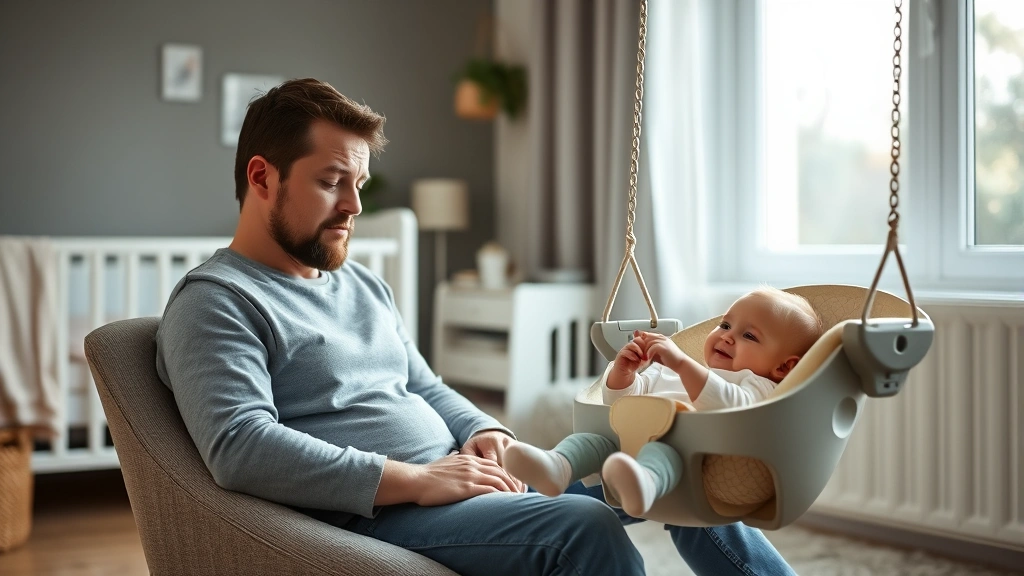
When you ask parents if their baby swing chair was worth it, many light up with relief. The most common benefit? Those precious moments of hands-free time. When your baby is contentedly swinging, you can shower, eat a warm meal, or simply sit down without holding a tiny human. For exhausted parents, this isn’t luxurious—it’s survival.
Parents consistently mention that a good swing chair helps soothe fussy babies. The rhythmic motion triggers the calming response that mimics being held or rocked. According to the American Academy of Pediatrics, gentle motion and soothing sounds are effective tools for calming infants, particularly during those intense witching hours between 5-8 PM when many babies experience peak fussiness.
The white noise features on many modern swings are genuinely helpful. Combined with the motion, these swings create an environment that reminds babies of the womb—something research shows can reduce crying and promote sleep. Parents report that their babies fall asleep faster and stay asleep longer when using a swing, which translates to better rest for everyone.
Another underrated benefit: independence and confidence building. As your baby grows, being able to play in a swing while you’re nearby—but not directly holding them—helps them develop comfort with separateness. This is actually developmentally appropriate and can reduce the pressure you feel to be constantly engaged.
If you’re researching specific options, you might want to check out our guide on the best baby swing choices currently available, or explore options like the Ingenuity baby swing if you’re looking for a specific brand recommendation.
Honest Drawbacks to Consider
Let’s be real about the downsides, because they’re legitimate concerns that might outweigh the benefits for your family.
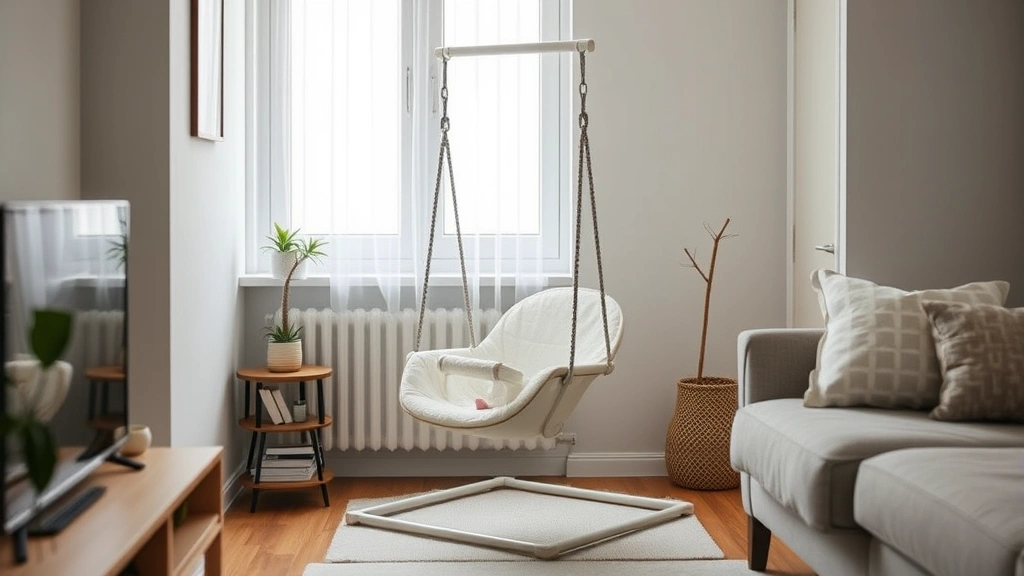
Space is a genuine issue. Baby swings aren’t compact. Even the smaller models take up noticeable floor space in a nursery or living room. If you’re living in an apartment or have a smaller home, dedicating square footage to a device your baby might only use for six months is a significant consideration. Some families simply don’t have the room to spare.
Then there’s the cost factor. Quality baby swing chairs range from $100 to $300+, which is real money when you’re already stretching your budget across other essentials. Some parents buy a swing, use it sporadically, and feel guilty about the wasted investment. Others use it religiously and feel it was the best money they spent. The unpredictability is frustrating.
Some babies genuinely don’t like swings. You could invest in this piece of equipment only to discover your baby finds it uncomfortable or overstimulating. There’s no way to know in advance—every baby is different. This is why many parents recommend trying to borrow a swing from a friend first or checking if your local library has one available (yes, some libraries loan baby equipment).
Dependency concerns are worth mentioning, though they’re often overstated. Some parents worry that if their baby gets used to being soothed by a swing, they’ll struggle with self-soothing. The research suggests this isn’t a major concern—swings are a tool, not a crutch that creates long-term problems. That said, if you’re philosophically opposed to mechanical soothing, that’s a valid preference.
Safety considerations require attention too. Swings should never be used as a sleeping location for extended periods, and supervision is necessary. Some parents find the constant vigilance exhausting rather than relaxing.
Types of Baby Swing Chairs Available
Not all baby swings are created equal, and understanding your options helps with the decision-making process.
Full-Size Electric Swings are the traditional choice. They plug into the wall, offer multiple speed settings, and often include music and white noise features. These tend to be the most effective at soothing but take up the most space and cost $150-$300. They’re ideal if you have room and plan to use the swing frequently.
Compact Swings are smaller versions that take up less space but may have fewer features. They’re great for apartments or families who want something less obtrusive. Prices typically range from $100-$200.
Portable Swings are battery-operated and lightweight, designed for travel or families who move between locations frequently. These are convenient but less powerful and often less durable than full-size models.
Gliders and Rockers blur the line between furniture and baby equipment. Some modern options are motorized and designed to be kept in living spaces permanently. These work well if you want something that doesn’t look purely utilitarian.
When considering which type might work for your family, explore baby registry must haves to see how swings rank among other essentials, or check out a comprehensive baby registry checklist to understand where this fits in your overall preparation.
Cost and Budget Considerations
Let’s talk money because it matters. A $200 baby swing chair is an investment, especially when you’re already spending thousands preparing for a baby.
The cost-per-use calculation is helpful here. If you use a swing for eight hours a day over six months (180 days), that’s 1,440 hours of use. A $200 swing breaks down to about 14 cents per hour. When you frame it that way, it seems reasonable—especially if those hours give you time to rest, eat, or handle other responsibilities.
However, if your baby never takes to the swing and it sits unused, that same $200 swing costs infinity per use. This is why borrowing or buying secondhand is smart. The CDC emphasizes that infant development varies widely, and what works for one baby won’t work for another.
Consider these budget-friendly alternatives:
- Borrow from friends or family members
- Check Facebook Marketplace or Craigslist for used swings in good condition
- Look for rental programs in your area
- Ask about swings as shower gifts instead of other items
- Wait until after birth to purchase—some parents find they don’t need one at all
If you do decide to purchase, look for sales around major retail events. Many swings go on sale during holiday shopping periods. Waiting for a sale could save you $30-$50.
Safety Guidelines and Best Practices
If you decide a baby swing chair is right for your family, using it safely is non-negotiable.
Time Limits Matter. Babies shouldn’t spend excessive time in swings. The American Academy of Pediatrics recommends limiting time in any seat that confines an infant to prevent positional asphyxia and developmental delays. Most experts suggest no more than two hours total per day, broken into shorter sessions.
Never Use as a Sleep Solution. While babies may fall asleep in swings, they shouldn’t sleep there for extended periods. Transfer your baby to a firm, flat surface like a crib or bassinet for actual sleep. The inclined position of most swings isn’t ideal for safe sleep.
Supervision is Essential. Never leave your baby unattended in a swing. Stay in the room and keep watch, even if your baby seems content. Straps can come loose, and babies can shift position unexpectedly.
Check Safety Standards. Ensure any swing you purchase meets current safety standards. Look for JPMA certification and check for any recalls through the CPSC website before buying.
Age and Size Appropriateness. Follow the manufacturer’s guidelines about age and weight limits. Using a swing outside these parameters increases injury risk.
Proper Setup. Place the swing on a level, stable surface away from hazards. Ensure it’s properly assembled and all parts are secure before use.
Making Your Decision: Is It Right for You?
Here’s a practical framework for deciding whether a baby swing chair belongs in your home:
Choose YES if:
- You have adequate space without feeling cramped
- Your budget comfortably accommodates the expense
- You have a history of fussy babies in your family
- You’re planning to be a stay-at-home parent and need breaks
- You have a partner or support system that can help with decision-making if the swing doesn’t work out
- You’re willing to borrow or buy secondhand to test it first
Choose NO if:
- Space is genuinely limited in your home
- You’re on a tight budget with no flexibility
- You prefer minimal baby equipment and a simpler approach
- Your living situation is temporary (moving soon)
- You’re philosophically opposed to mechanical soothing
- You have a partner who will be home frequently enough to provide comfort
The Middle Ground Option: If you’re genuinely unsure, consider borrowing first. Ask friends, check community groups, or explore library lending programs. Spend a week or two with a borrowed swing before committing to purchase. This removes the financial risk and lets you see if your baby actually enjoys it.
Also consider whether other items on your baby boy gifts list (or baby girl equivalent) might be higher priority. Sometimes a high-quality carrier or excellent white noise machine accomplishes similar goals without the space commitment.
Frequently Asked Questions
How long can a baby stay in a swing chair?
Babies shouldn’t spend more than two hours total per day in a swing, broken into shorter sessions. Some experts recommend limiting individual sessions to 30-60 minutes. The exact recommendation depends on your baby’s age and the swing’s design. Always follow the manufacturer’s guidelines and your pediatrician’s advice.
At what age can babies use swing chairs?
Most swings are designed for babies from birth to around 25-30 pounds, though this varies by model. Always check the specific swing’s age and weight recommendations before purchasing. Some swings have minimum weight requirements and shouldn’t be used until your baby reaches that threshold.
Do swings help with colic?
Many parents report that swings help soothe colicky babies, particularly the motion and white noise combination. However, colic is complex and affects babies differently. A swing might help your baby but might not work for another. Parents Magazine offers comprehensive information about colic management, which includes swings as one potential tool among many.
Can babies become dependent on swings for sleep?
This is a common concern, but the evidence suggests it’s not a major issue. Swings are a soothing tool, similar to rocking or swaddling. Using them doesn’t prevent babies from learning to self-soothe later. However, it’s important to transition babies to independent sleep by around four months as part of safe sleep practices.
Are secondhand swings safe to buy?
Yes, secondhand swings can be safe if they’re in good condition and haven’t been recalled. Check the CPSC website for recalls, inspect the swing thoroughly for damage, ensure all parts are present and functional, and clean it thoroughly before use. Verify that you have the manual or can access it online to confirm proper assembly.
What’s the difference between a swing and a bouncer?
Swings use powered motion to rock back and forth, while bouncers typically use manual bouncing or gentle vibration. Swings are generally more effective at soothing because of the larger, more rhythmic motion, but bouncers take up less space. Some families use both, others prefer one or the other.
How much should I spend on a baby swing chair?
Quality swings range from $100-$300. You don’t need to spend $300 to get a functional swing—many excellent mid-range options cost $150-$200. Focus on features that matter to you (motion speed options, white noise quality, portability) rather than automatically choosing the most expensive option.