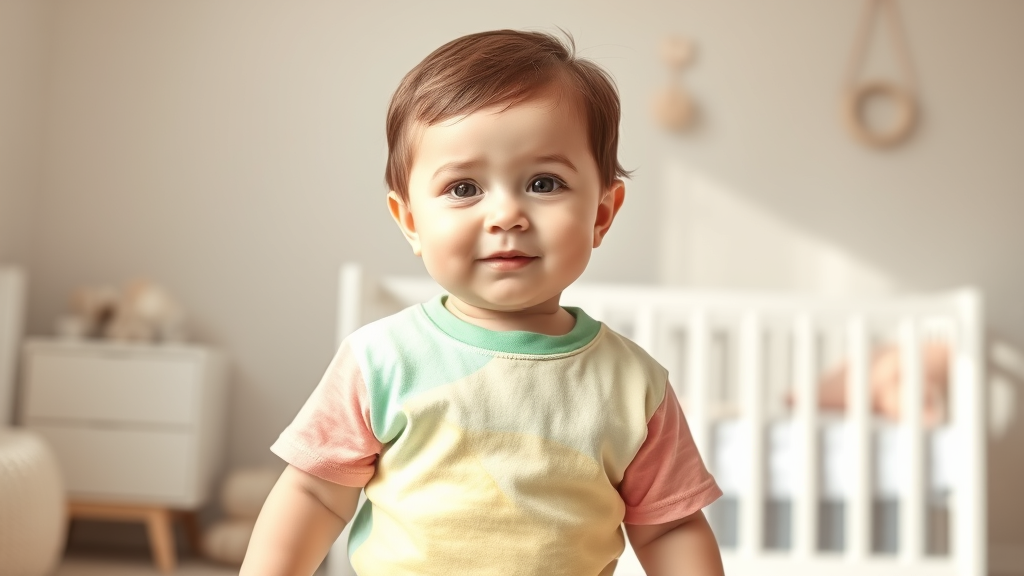
Dressing your baby should be a joyful experience, not a daily struggle. The right baby tee can make all the difference between a smooth morning routine and a wrestling match with tiny arms and legs. When you’re navigating the world of infant clothing, comfort, convenience, and cuteness are the three pillars that matter most.
Baby tees have evolved significantly from basic onesies to thoughtfully designed garments that prioritize both parent and baby comfort. Whether you’re a new parent learning the ropes or an experienced caregiver looking to refresh your little one’s wardrobe, understanding what makes a great baby tee can transform your daily dressing routine into moments of connection and joy.
Essential Features of the Perfect Baby Tee
The ideal baby tee combines functionality with comfort, making dressing time efficient and pleasant for both you and your little one. Look for garments with envelope necklines or shoulder snaps that allow the shirt to be pulled down and off rather than over the head. This feature is particularly valuable during diaper blowouts or when your baby is fussy and resistant to overhead dressing.
Easy-access features are crucial for new parents who are still mastering the art of quick clothing changes. Snap closures at the crotch area in bodysuit-style baby tees eliminate the need to remove pants during diaper changes, while side snaps or wrap-style designs make dressing newborns with sensitive umbilical cord areas much more manageable.
According to the American Academy of Pediatrics, proper clothing fit is essential for infant comfort and safety. Avoid baby tees with small buttons, loose threads, or decorative elements that could pose choking hazards. Instead, prioritize garments with flat seams that won’t irritate delicate skin and reinforced stitching that can withstand frequent washing.
Material Matters: Choosing the Right Fabric
The fabric choice for your baby’s tee directly impacts their comfort, skin health, and your convenience as a parent. Organic cotton remains the gold standard for infant clothing due to its breathability, softness, and hypoallergenic properties. This natural fiber allows air circulation, reducing the risk of overheating and skin irritation that can occur with synthetic materials.
Bamboo fabric has gained popularity as an eco-friendly alternative that offers natural antibacterial properties and exceptional softness. Bamboo-derived textiles are often more moisture-wicking than traditional cotton, making them excellent choices for active babies or warm climates. However, ensure that bamboo clothing is processed using non-toxic methods to maintain its natural benefits.
For parents seeking durability and easy care, cotton blends with a small percentage of elastane or spandex provide stretch and shape retention. These blends accommodate your baby’s movements while maintaining the garment’s fit after multiple washes. When selecting baby girl clothes or baby boy clothes, always check fabric labels and opt for materials that feel soft against your own skin.
The Zero to Three organization emphasizes the importance of natural fibers for infant clothing, particularly during the first few months when babies’ skin is most sensitive. Avoid fabrics treated with harsh chemicals or flame retardants, as these can cause skin reactions and may not be necessary for everyday clothing items.
Sizing and Fit Guidelines for Growing Babies
Understanding baby clothing sizes can be challenging since sizing standards vary between manufacturers and babies grow at different rates. Rather than relying solely on age-based sizing, consider your baby’s current weight and length measurements. Most quality baby tee brands provide detailed size charts that correlate measurements with their specific sizing system.
A properly fitting baby tee should allow for comfortable movement without being too loose or tight. You should be able to fit two fingers between the fabric and your baby’s skin at the neckline, and the sleeves shouldn’t restrict arm movement. Length-wise, the tee should cover your baby’s torso without being so long that it bunches up uncomfortably when sitting.
Consider buying baby tees in multiple sizes to accommodate rapid growth spurts. Many experienced parents recommend having clothing in the current size plus the next size up readily available. This strategy ensures you’re prepared for sudden growth and prevents the frustration of discovering that favorite outfits no longer fit during busy morning routines.
When following parenting advice for new parents, remember that comfort trumps style in the early months. Newborns may wear preemie or newborn sizes longer than expected, while some babies skip sizes entirely. Trust your observation of how the clothing fits rather than adhering strictly to age recommendations on labels.
Style Options and Design Considerations
Baby tee styles have diversified to meet various practical and aesthetic needs. Short-sleeve options work well for warm weather and layering, while long-sleeve versions provide coverage for cooler temperatures. Sleeveless baby tees or tank-style options are perfect for hot summer days or as undershirts beneath other garments.
Bodysuit-style baby tees with snap closures at the crotch remain popular for their ability to stay tucked in and provide continuous coverage during active play. However, separate tops offer easier access for diaper changes and can be mixed and matched with different bottoms as your baby grows and becomes more mobile.
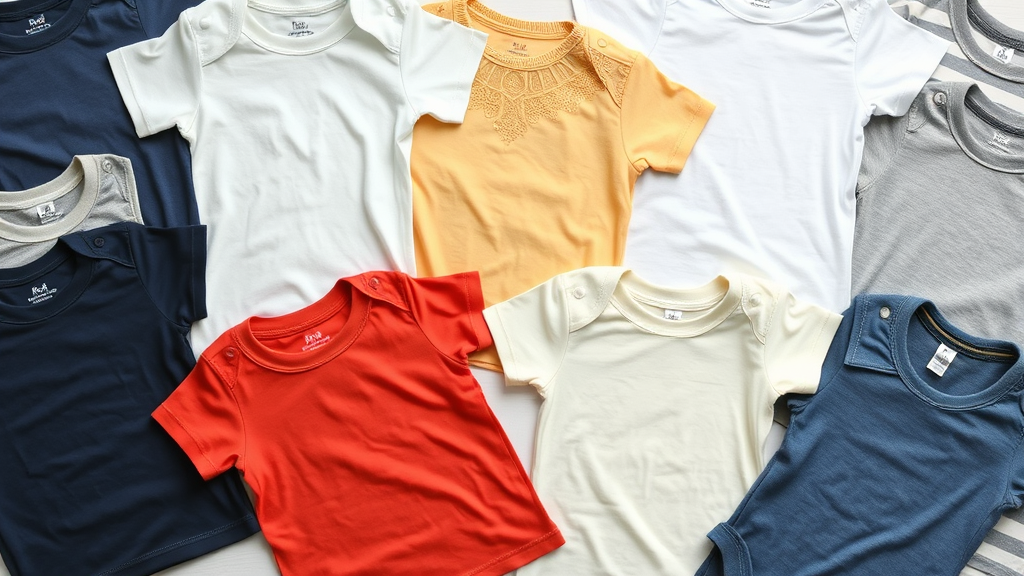
Color and pattern choices should balance visual appeal with practicality. While adorable prints and vibrant colors are tempting, consider how they’ll look after multiple washes and potential stains. Darker colors and busy patterns can help camouflage minor stains between washes, while lighter colors show dirt more easily but may be easier to treat with stain removal techniques.
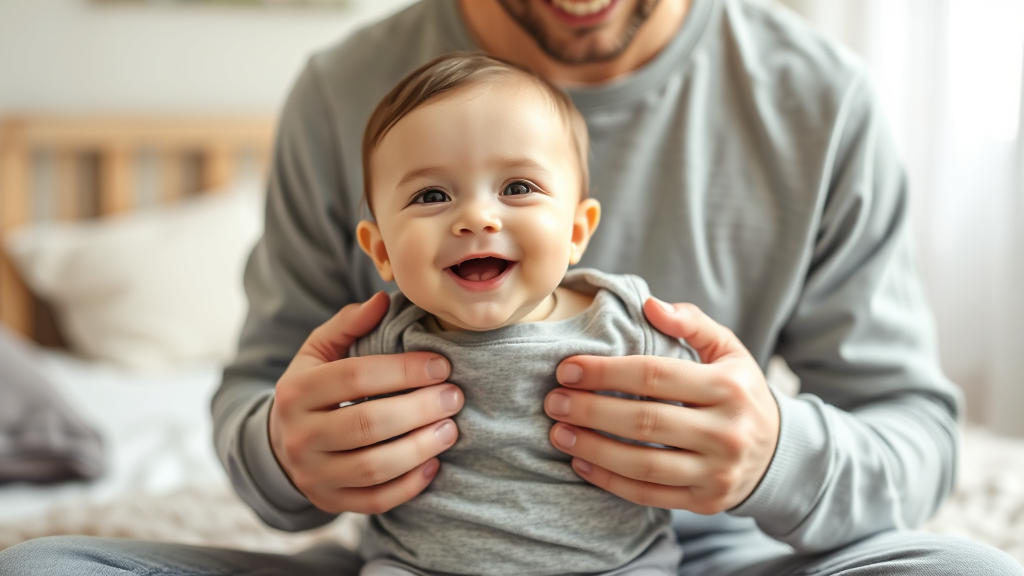
Gender-neutral options have become increasingly popular, offering versatility for families planning multiple children or those who prefer non-traditional color schemes. These designs often feature nature themes, geometric patterns, or simple solid colors that work well for any baby regardless of gender identity.
Care and Maintenance Tips
Proper care of baby tees extends their lifespan and maintains their softness and safety. Pre-wash all new baby clothing before the first wear to remove manufacturing residues and potential allergens. Use gentle, fragrance-free detergents specifically formulated for baby clothes or sensitive skin to minimize the risk of irritation.
Wash baby tees in warm (not hot) water to effectively remove stains and bacteria while preserving fabric integrity. Hot water can cause shrinkage and may set certain stains permanently. For heavily soiled items, pre-treat stains with baby-safe stain removers or a paste made from baking soda and water before washing.
Air drying is gentler on fabrics and helps maintain the shape and softness of baby tees. If using a dryer, select low heat settings and remove items while slightly damp to prevent over-drying and static buildup. High heat can cause shrinkage, fade colors, and make fabrics rough or scratchy.
Store clean baby tees in a dry, well-ventilated area to prevent musty odors and mildew. Organize by size to make outfit selection easier during busy times. Consider keeping a few emergency baby tees in your diaper bag, car, or at frequently visited locations like grandparents’ homes.
Seasonal Selections and Layering
Seasonal considerations play a crucial role in baby tee selection and overall comfort management. During warmer months, lightweight, breathable fabrics in short-sleeve or sleeveless styles help prevent overheating. Look for UV protection features if your baby will be spending time outdoors, as infant skin is particularly sensitive to sun exposure.
For cooler weather, long-sleeve baby tees serve as excellent base layers under sweaters, jackets, or baby blankets. Layering allows for easy temperature adjustment throughout the day as conditions change or as you move between heated indoor spaces and cooler outdoor environments.
The KidsHealth website recommends dressing babies in one more layer than adults would wear in the same conditions. This guideline helps prevent both overheating and getting too cold, as babies cannot regulate their body temperature as effectively as older children and adults.
Transitional seasons require versatile baby tee options that can adapt to changing temperatures throughout the day. Consider cardigans, lightweight jackets, or zip-up hoodies that can be easily added or removed over basic baby tees as needed.
Budget-Friendly Shopping Strategies
Building a practical baby tee wardrobe doesn’t have to strain your budget. Focus on versatile pieces that can be mixed, matched, and layered rather than purchasing numerous single-use items. Invest in quality basics in neutral colors that coordinate well with various bottoms and outerwear pieces.
Consider shopping end-of-season sales for the next size up, as baby clothing often goes on significant discount when seasons change. Online retailers frequently offer bulk purchasing discounts or subscription services that can reduce per-item costs while ensuring you always have appropriately sized clothing available.
Hand-me-downs from friends, family, or community groups can provide excellent baby tees at no cost. Baby clothing often experiences minimal wear before being outgrown, making secondhand options both economical and environmentally responsible. Always inspect used clothing for wear, stains, or safety issues before use.
When seeking essential tips for new dads or advice for any new parent, remember that babies need fewer clothing items than you might initially think. Having 7-10 baby tees in each size typically provides adequate options while accounting for washing frequency and unexpected changes throughout the day.
Frequently Asked Questions
How many baby tees should I have in each size?
For newborns and young infants, having 8-10 baby tees per size is typically sufficient. This quantity allows for daily wear, unexpected changes due to spit-up or diaper accidents, and accounts for laundry schedules. As babies become more mobile and messy, you may want to increase this number slightly.
When should I size up my baby’s tees?
Size up when the current tees become difficult to put on, leave red marks on your baby’s skin, or appear too short in the torso. If you notice the shoulder seams pulling or the neckline becoming tight, it’s time to move to the next size. Don’t wait until the clothing is uncomfortably small.
Are organic cotton baby tees worth the extra cost?
Organic cotton baby tees are often worth the investment, especially for babies with sensitive skin or allergies. They’re free from pesticides and harsh chemicals used in conventional cotton processing, making them gentler on delicate skin. However, high-quality conventional cotton can also be suitable for many babies.
Can I use fabric softener on baby tees?
It’s generally recommended to avoid fabric softeners on baby clothing, as they can reduce the fabric’s absorbency and may cause skin irritation. Instead, add a half cup of white vinegar to the rinse cycle occasionally to maintain softness naturally, or use dryer balls made from wool.
What’s the difference between bodysuit-style and regular baby tees?
Bodysuit-style baby tees have snap closures at the crotch and stay tucked in, preventing the shirt from riding up and exposing your baby’s tummy. Regular baby tees are separate tops that offer easier access for diaper changes but may require more frequent adjustment throughout the day.
How do I remove stubborn stains from baby tees?
For protein-based stains like spit-up or formula, rinse with cold water immediately, then pre-treat with enzyme-based stain removers. For other stains, make a paste with baking soda and water, let it sit for 30 minutes, then wash as usual. Avoid using bleach, which can irritate sensitive skin.
Should I buy baby tees with or without feet?
Baby tees typically don’t include feet – you may be thinking of footed pajamas or sleepers. For daytime wear, separate baby tees paired with socks or booties offer more flexibility for temperature control and easier diaper changes compared to one-piece footed garments.