As a parent, watching your baby grow and develop brings countless moments of joy and wonder. One of the most exciting milestones in your little one’s development is the emergence of their first teeth. Understanding your baby’s teeth timeline can help you prepare for this important phase and ensure you’re providing the best care for their developing smile.
Every baby is unique, and while there are general patterns for when teeth appear, the timing can vary significantly from child to child. Some babies may sprout their first tooth as early as 3 months, while others might not see their first pearly white until they’re over a year old. Having a comprehensive baby teeth chart and understanding what to expect can ease parental anxiety and help you navigate this developmental milestone with confidence.
Understanding Baby Teeth Basics
Baby teeth, also known as primary teeth or deciduous teeth, play a crucial role in your child’s development. These temporary teeth serve multiple important functions beyond just helping your baby eat solid foods. They maintain space for permanent teeth, aid in proper speech development, and contribute to your child’s overall facial structure and appearance.
A complete set of baby teeth consists of 20 teeth total – 10 on the top and 10 on the bottom. This includes 8 incisors (4 central and 4 lateral), 4 canines, and 8 molars (4 first molars and 4 second molars). Understanding this basic structure helps parents track their child’s dental development and identify any potential concerns early.
The process of tooth development actually begins before birth, with tooth buds forming in the gums during pregnancy. This is why proper prenatal nutrition, including adequate calcium and vitamin D, is so important for expectant mothers. When you’re seeking parenting advice for new parents, dental health information should be a key component of your preparation.
The Complete Teething Timeline
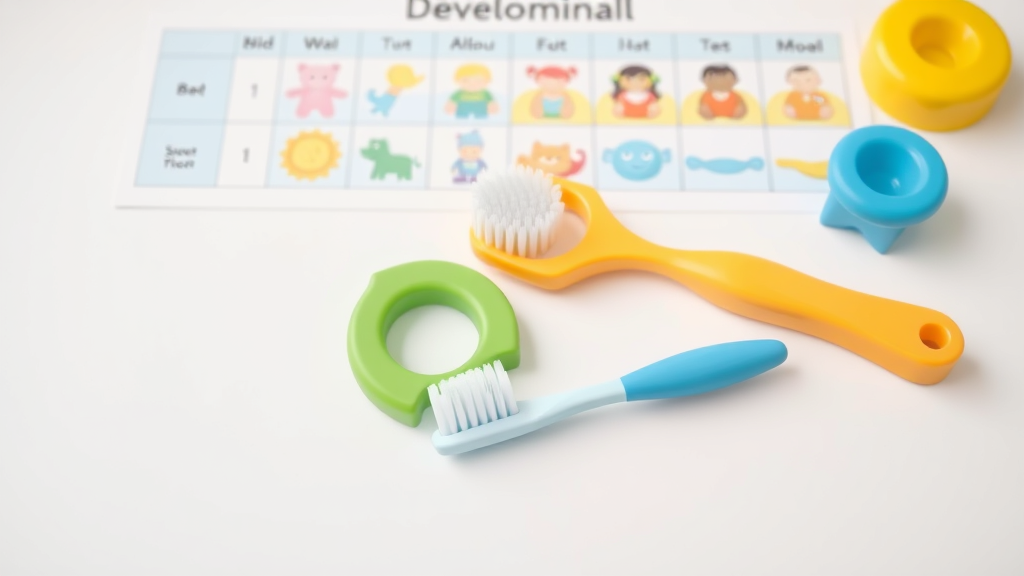
While every baby follows their own unique schedule, most children will have their complete set of baby teeth by age 3. The American Academy of Pediatrics provides general guidelines for when parents can expect different teeth to emerge.
The teething process typically begins between 4-7 months of age, though some babies may start as early as 3 months or as late as 12 months. The entire process of getting all 20 baby teeth usually takes about 2-3 years to complete. During this time, parents should be prepared for periods of discomfort, sleep disruption, and changes in eating patterns.
It’s important to remember that genetics play a significant role in teething timing. If you or your partner were early or late teethers, your baby might follow a similar pattern. Environmental factors, nutrition, and overall health can also influence the timing of tooth emergence.
When Do First Teeth Appear?
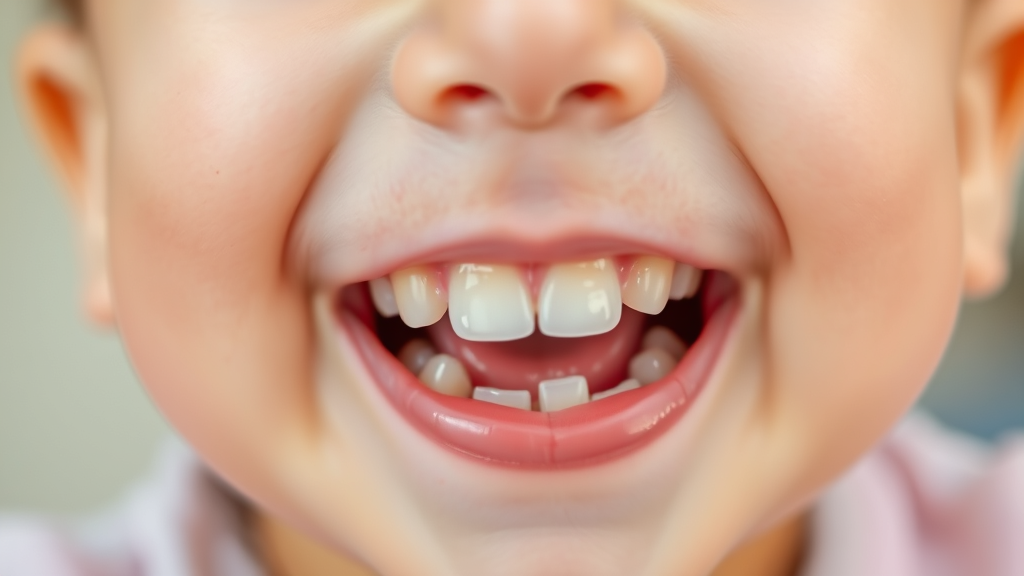
The first teeth to make their appearance are typically the bottom central incisors, usually between 6-10 months of age. These tiny front teeth often emerge within days or weeks of each other, creating that adorable gap-toothed smile that parents love to photograph.
Following closely behind are the top central incisors, which usually appear between 8-12 months. By their first birthday, most babies will have their four front teeth – two on top and two on bottom. This timing aligns well with the importance of early childhood education principles, as proper oral development supports speech and learning capabilities.
Some babies may experience “teething clusters,” where multiple teeth emerge within a short timeframe. This can be particularly challenging for both baby and parents, as the discomfort may be more intense. During these periods, extra patience and comfort measures are essential.
Order of Tooth Emergence
Understanding the typical order of tooth emergence can help parents track their baby’s development and anticipate what’s coming next. Here’s the general sequence most babies follow:
- 6-10 months: Bottom central incisors
- 8-12 months: Top central incisors
- 9-13 months: Top lateral incisors
- 10-16 months: Bottom lateral incisors
- 13-19 months: First molars (top and bottom)
- 16-22 months: Canines (top and bottom)
- 23-33 months: Second molars (bottom then top)
The molars tend to cause the most discomfort due to their larger size and the broader surface area that needs to break through the gums. Many parents find that implementing positive parenting techniques during these challenging periods helps maintain family harmony while supporting their teething child.
Recognizing Teething Signs and Symptoms
Identifying teething symptoms can help parents provide appropriate comfort and care. Common signs include increased drooling, which often begins 2-3 months before the first tooth appears. Babies may also exhibit increased fussiness, especially during nighttime, as lying down can increase blood flow to the head and intensify gum discomfort.
Changes in eating patterns are also common during teething. Some babies may refuse to eat due to gum soreness, while others might want to nurse or bottle-feed more frequently for comfort. You might also notice your baby putting everything in their mouth and showing a strong desire to chew on various objects.
Sleep disruptions are unfortunately common during active teething periods. Babies who previously slept through the night may wake frequently, seeking comfort from parents. This can be particularly challenging for first-time dads who are still learning to navigate their baby’s needs.
Other symptoms may include mild fever (usually under 101°F), changes in bowel movements, and red, swollen, or tender gums. However, it’s important to note that high fevers, severe diarrhea, or other significant symptoms should not be attributed solely to teething and warrant medical attention.
Caring for Emerging Teeth
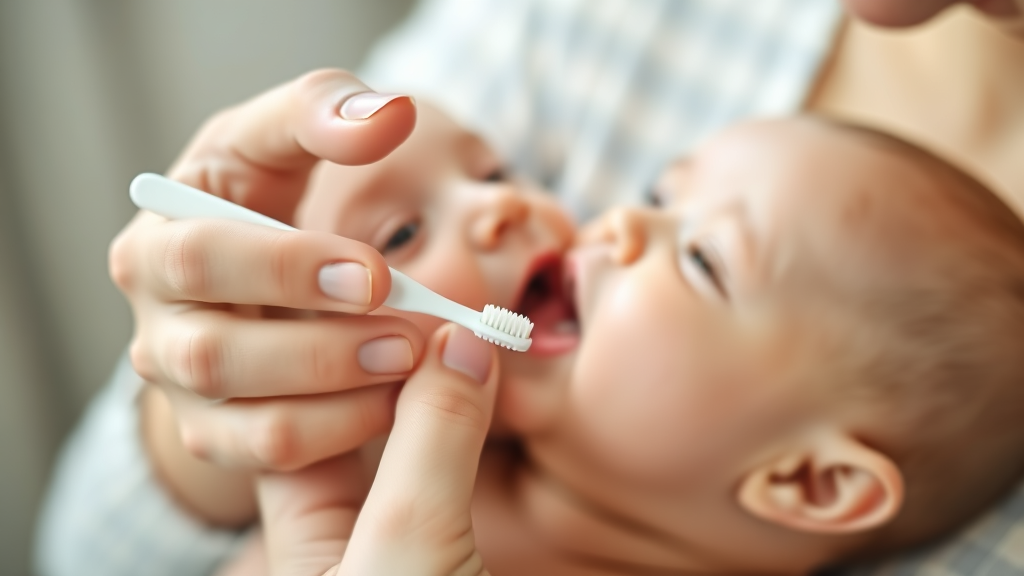
Proper care during the teething process sets the foundation for lifelong oral health. Even before teeth emerge, parents should clean their baby’s gums with a soft, damp cloth after feeding. Once teeth appear, transition to a soft-bristled baby toothbrush with a rice-grain-sized amount of fluoride toothpaste.
Providing appropriate teething relief is crucial for your baby’s comfort. Safe options include chilled (not frozen) teething rings, clean washcloths soaked in cold water, and gentle gum massage with a clean finger. Cold foods like chilled fruit pouches or frozen fruit in mesh feeders can also provide relief for babies who have started solids.
Establishing good oral hygiene habits early is part of essential parenting advice for raising happy and healthy children. Regular dental care routines help prevent tooth decay and establish positive associations with oral health care.
When to Consult Your Pediatrician
While teething is a normal developmental process, certain situations warrant professional attention. Contact your pediatrician or pediatric dentist if your baby has no teeth by 18 months, as this may indicate delayed eruption that requires evaluation.
Severe symptoms that significantly impact eating, sleeping, or general well-being should also be assessed. High fevers over 101°F, persistent diarrhea, or signs of infection around the gums need immediate attention. When selecting healthcare providers, knowing how to choose a pediatrician who understands infant dental development is valuable.
According to the American Dental Association, babies should have their first dental visit by age 1 or within six months of their first tooth appearing. Early dental visits help establish preventive care and allow professionals to monitor proper development.
Frequently Asked Questions
What if my baby’s teeth come in out of order?
While there’s a typical sequence for tooth emergence, variations are common and usually not cause for concern. Some babies may get their lateral incisors before centrals, or molars might appear earlier than expected. As long as teeth are emerging and your baby is developing normally otherwise, order variations are typically fine. However, if you notice significant delays or unusual patterns, consult your pediatric dentist for evaluation.
How long does teething pain last for each tooth?
Teething discomfort typically lasts 3-5 days before a tooth emerges and may continue for a few days after eruption. However, molars often cause longer periods of discomfort due to their larger size. The entire teething process isn’t constant pain – babies usually experience intermittent discomfort as different teeth prepare to emerge. Understanding this timeline helps parents prepare appropriate comfort measures.
Is it normal for my baby to refuse food while teething?
Yes, decreased appetite during teething is very common. Sore gums can make eating uncomfortable, leading to temporary feeding refusals. Offer cold foods, softer textures, and smaller, more frequent meals. Continue offering breast milk or formula as usual, as many babies prefer liquids during uncomfortable teething periods. If feeding refusal persists beyond a few days or is accompanied by other concerning symptoms, consult your pediatrician.
Can teething cause fever and diarrhea?
Teething may cause mild temperature elevation (under 101°F) due to gum inflammation, but high fevers should not be attributed to teething alone. Similarly, while some babies experience minor changes in bowel movements during teething, severe diarrhea is not typically caused by emerging teeth. According to KidsHealth, significant symptoms like high fever or persistent diarrhea require medical evaluation to rule out other causes.
When should I start brushing my baby’s teeth?
Begin cleaning your baby’s mouth even before teeth appear by wiping gums with a soft, damp cloth after feeds. Once the first tooth emerges, start using a soft-bristled baby toothbrush with a rice-grain-sized amount of fluoride toothpaste. Brush twice daily, and always supervise brushing until your child develops proper coordination, typically around age 6-8.
What are the best natural teething remedies?
Safe natural teething remedies include offering cold washcloths to chew on, providing chilled teething rings, gentle gum massage with clean fingers, and cold foods for babies eating solids. Chamomile tea (cooled) on a washcloth may provide mild soothing effects. Avoid amber teething necklaces, which pose choking and strangulation risks, and be cautious with numbing gels containing benzocaine, which the FDA warns against for infants.
How can I tell the difference between teething and illness?
Teething symptoms are generally mild and localized to the mouth area. Look for excessive drooling, desire to chew, mild fussiness, and slightly swollen gums. Illness symptoms tend to be more systemic and severe, including high fever (over 101°F), persistent crying, lethargy, loss of appetite lasting several days, or respiratory symptoms. When in doubt, trust your parental instincts and consult your healthcare provider for proper evaluation and peace of mind.