When Should You Start Using a Baby Toothbrush? A Parent’s Complete Guide
The moment your baby’s first tooth pokes through their gum line is cause for celebration—and probably a bit of panic. Suddenly, you’re wondering: do I really need to brush that tiny tooth? When do I actually start using a baby toothbrush? And if so, what on earth am I supposed to use?
Here’s the truth that nobody talks about enough: dental care for babies isn’t complicated, but it does require knowing a few key facts. The good news? Once you understand the timeline and basics, you’ll feel confident tackling your little one’s oral hygiene like a pro. This guide breaks down everything you need to know about introducing a baby toothbrush, from those first teeth to toddler brushing routines.
Let’s dive into the practical, evidence-based information that will make this transition smooth for both you and your baby.
When Does That First Tooth Actually Appear?
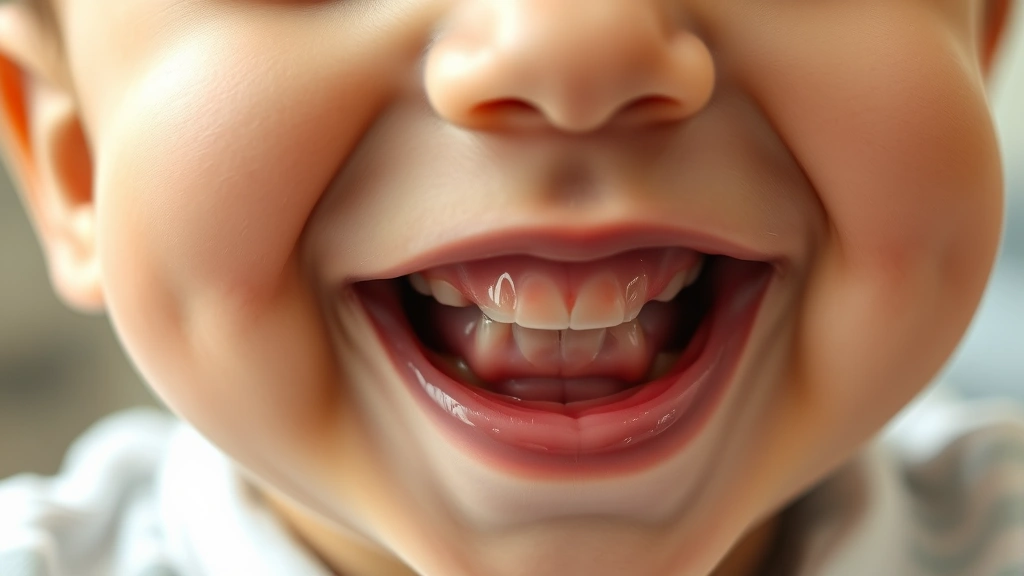
Most babies get their first tooth somewhere between 4 and 12 months old, though some early bloomers start as young as 3 months, and others don’t see any action until after their first birthday. Consulting a baby teeth chart can help you understand the typical eruption timeline and what to expect as your child grows.
The order typically follows this pattern: lower front teeth first, then upper front teeth, followed by the side teeth and molars. But here’s the thing—every baby is different. Your neighbor’s baby might have a full smile at nine months while your little one is still gum-only at fourteen months. Both are completely normal.
The timing of that first tooth doesn’t really matter for your brushing strategy, but knowing when to expect it helps you prepare mentally and physically. You’ll want to have supplies ready before you need them, similar to how you’d plan ahead when adding items to your baby registry must haves list.
One helpful tip: if your baby is drooling excessively, chewing on their fingers, and showing swollen gums, teeth are probably on the way. This is also the time when baby orajel or other teething remedies might become your best friend.
Before the Teeth Come In: Gum Care Matters
Here’s something many new parents don’t realize: oral hygiene starts before any teeth arrive. From birth, you should be gently cleaning your baby’s gums and mouth after feedings.
For newborns and very young babies without teeth, use a damp washcloth or gauze pad wrapped around your clean finger. Gently wipe their gums, the roof of their mouth, and their tongue. This removes milk residue and bacteria while introducing your baby to the sensation of having their mouth touched and cleaned. It’s a gentle way to build comfort and familiarity with oral care.
This pre-tooth phase typically lasts several months, but it’s crucial. You’re establishing a routine and helping your baby become accustomed to having their mouth handled. When that first tooth finally erupts, the transition to using a baby toothbrush feels natural rather than jarring.
Additionally, keeping your baby’s mouth clean during this stage can help prevent oral thrush and other common mouth infections. It’s also a bonding opportunity—many parents find this intimate care moment to be surprisingly peaceful.
Introducing Your First Baby Toothbrush
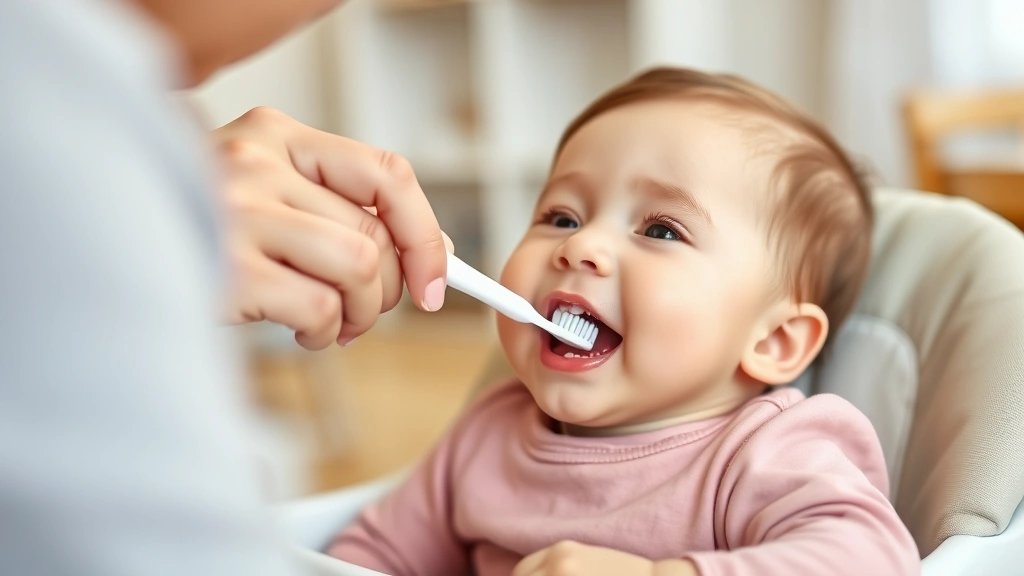
The official recommendation from the American Academy of Pediatric Dentistry is to start using a baby toothbrush as soon as that first tooth appears. Don’t wait for multiple teeth or a full smile—one tooth means it’s time to start brushing.
When you introduce the toothbrush, keep expectations realistic. Your six-month-old isn’t going to brush their own teeth or sit still for a two-minute session like an adult. This is about establishing the habit and making it a normal part of the daily routine, not achieving pristine dental hygiene.
The first few times you use a baby toothbrush, your little one might push it away or cry. That’s completely normal. You’re introducing a foreign object into their mouth, and babies are suspicious creatures. Stay patient and consistent. Try brushing at the same time each day—many parents find success with a post-meal brushing session or as part of the bedtime routine.
Think of it like introducing any new self-care product. Just as you’d carefully introduce baby shampoo to avoid irritation, approach the toothbrush with gentleness and patience. Your attitude about the toothbrush will influence how your baby perceives it.
Choosing the Right Baby Toothbrush
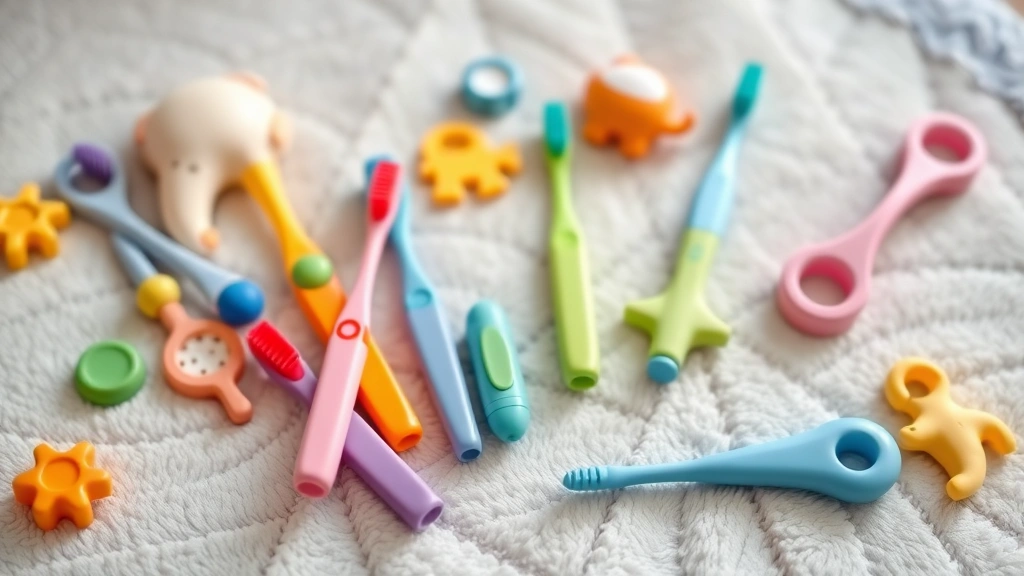
Not all toothbrushes are created equal, especially when it comes to babies. You’ll encounter several options, each with pros and cons.
Finger Toothbrushes: These silicone covers fit over your index finger and have soft bristles on the tip. They’re excellent for the very first introduction to brushing because they feel less intimidating than a full-sized brush. Your baby is more comfortable with your finger in their mouth than a strange object, so this can be a great starting point.
Soft-Bristled Baby Toothbrushes: Once your baby is ready, a proper baby toothbrush with ultra-soft bristles is ideal. Look for brushes specifically designed for infants, which have smaller heads and gentler bristles than adult toothbrushes. The handle should be easy for you to grip and control—remember, you’re doing most of the brushing at this stage.
Electric Toothbrushes for Babies: Some parents swear by battery-operated baby toothbrushes with fun designs and gentle vibrations. These can make brushing feel like playtime rather than a chore. However, they’re not necessary—a good manual brush works perfectly fine.
What to Avoid: Skip toothbrushes with hard bristles, which can damage tender baby gums. Avoid novelty brushes that are too large or have parts that could become choking hazards. Check that any brush you choose meets safety standards and is specifically designed for babies.
When selecting a brush, consider your baby’s personality. Some children respond better to colorful, character-themed brushes, while others do fine with simple designs. The best baby toothbrush is the one your child will tolerate—or ideally, enjoy.
Brushing Technique for Tiny Teeth
Proper brushing technique matters even for babies with just a few teeth. You’re establishing habits that will last a lifetime, so doing it right from the start makes sense.
Hold the Brush Correctly: Angle the toothbrush bristles at 45 degrees toward the gum line. This isn’t just for adults—it applies to babies too. Gently move the brush in small, circular motions rather than aggressive back-and-forth strokes.
Cover All Surfaces: Brush the outer surfaces of the teeth, the inner surfaces, and the chewing surfaces. For babies with just a few teeth, this won’t take long, but you’re establishing thoroughness.
Be Gentle: Your baby’s gums are sensitive, especially if they’re teething. Use light pressure—think of it as gently wiping rather than scrubbing. You’re not trying to remove stubborn plaque; you’re cleaning surfaces and establishing routine.
Keep Sessions Short: Even 30 seconds of actual brushing is fine for a baby. The goal is consistency, not duration. If your baby tolerates two minutes, great. If they only manage 20 seconds, that’s still progress.
Brush Twice Daily: Aim for brushing after breakfast and before bedtime. These two sessions provide adequate coverage for your baby’s developing teeth and establish a routine that will carry into toddlerhood.
The Fluoride Question: What Toothpaste Should You Use?
This is where parents often feel confused, and understandably so. Fluoride recommendations have evolved, and there’s still some debate in parenting circles.
For babies under 12 months with their first teeth, you can use a tiny smear of fluoride toothpaste—about the size of a grain of rice. The key word here is tiny. You’re not brushing with a full pea-sized amount like you would for an older child.
Why fluoride? According to the American Academy of Pediatric Dentistry, fluoride significantly reduces tooth decay. The small amount used for babies is safe and beneficial.
Fluoride-Free Alternative: Some parents prefer fluoride-free toothpaste, especially for very young babies. This is a personal choice. If you choose this route, just know that you’re not getting the decay-prevention benefits of fluoride. Talk with your pediatrician or pediatric dentist about what’s best for your family.
Swallowing Concerns: Babies will swallow some toothpaste—that’s inevitable. This is another reason to use only a tiny amount. Swallowing too much fluoride can cause fluorosis (white spots on developing teeth), but the minimal amount used for babies poses no significant risk when applied correctly.
By age 12 months, you can increase to a pea-sized amount of toothpaste. As your child approaches age three, continue using a pea-sized amount and work on teaching them to spit out toothpaste rather than swallow it.
Making Brushing Fun (Because Cooperation Matters)
The secret that experienced parents know: making brushing enjoyable increases cooperation and establishes positive habits. A baby who dreads toothbrush time will fight you at every stage. A baby who thinks it’s playtime will cooperate.
Sing While You Brush: Pick a simple song or nursery rhyme and sing it while brushing. Many parents use a 30-second to one-minute song to time the brushing session. Your baby associates the song with toothbrush time, and suddenly it becomes a fun ritual rather than an ordeal.
Use a Mirror: Babies are fascinated by their own reflection. If you can safely position a mirror where your baby can see themselves during brushing, they’re more likely to stay engaged and less likely to fuss.
Let Them Hold a Brush Too: Give your baby their own soft toothbrush to hold and chew on while you brush their teeth with yours. They feel involved, and it keeps their hands (and mouth) occupied.
Make It Part of Routine: Consistency reduces resistance. If brushing happens at the same time every day, it becomes expected and normal rather than surprising.
Celebrate Success: When your baby tolerates brushing well, acknowledge it enthusiastically. “You did such a great job letting me brush your teeth!” Positive reinforcement works wonders, even with babies.
Common Brushing Challenges and Solutions
Challenge: Your Baby Refuses the Toothbrush
Solution: Start with a finger toothbrush or even just your clean finger wrapped in gauze. Let your baby play with a soft brush before you use it on them. Make it gradual. Sometimes the resistance is about control—let your baby hold and explore the brush first.
Challenge: Teething Pain Makes Brushing Difficult
Solution: If your baby is actively teething and their gums are extremely tender, try a cold (not frozen) teething ring before brushing to numb the area slightly. You can also brush very gently, focusing on non-teething areas. If your baby is in significant pain, check with your pediatrician. Teething discomfort can sometimes be managed with appropriate remedies, and your doctor might suggest options like baby orajel for localized relief before brushing.
Challenge: Your Baby Gags During Brushing
Solution: This is a normal reflex. Use a softer touch and don’t go too far back in the mouth. Gagging is protective—your baby is telling you they’re uncomfortable. Respect that signal and adjust your technique. Most babies outgrow this sensitivity as they get older.
Challenge: You’re Unsure If You’re Doing It Right
Solution: Ask your pediatric dentist for a demonstration. Many pediatric dental offices are happy to show parents proper brushing technique. This hands-on guidance is invaluable and can resolve many concerns.
Challenge: Your Baby’s Teeth Look Stained or Discolored
Solution: This is surprisingly common and usually not a cause for concern. Some babies have naturally more pigmented teeth, or staining can result from certain medications or foods. If you’re worried, mention it at your next dental visit. Checking your baby teeth chart might also help you understand whether what you’re seeing is normal variation.
Frequently Asked Questions
Do I really need to brush a baby’s teeth if they’re going to lose them anyway?
Yes, absolutely. Baby teeth aren’t temporary in the sense that they don’t matter. They hold space for permanent teeth, aid in chewing and nutrition, support speech development, and affect overall health. Decay in baby teeth can spread to permanent teeth developing below. Plus, establishing good oral hygiene habits now sets your child up for a lifetime of healthy teeth.
What if my baby hasn’t gotten any teeth by 12 months?
This is within normal range. Some babies don’t get their first tooth until 15-18 months. However, if your baby has no teeth by 18 months, mention it to your pediatrician. In the meantime, continue gently cleaning their gums with a damp cloth after meals.
Can I use regular adult toothpaste on my baby?
Not recommended. Adult toothpaste often contains higher fluoride concentrations and additional ingredients not designed for babies. Use toothpaste specifically formulated for infants, which comes in appropriate fluoride levels.
How often should I schedule dental visits for my baby?
The American Academy of Pediatric Dentistry recommends a first dental visit by age one or within six months of the first tooth eruption. After that, regular check-ups typically happen every six months. Your pediatric dentist can establish the right schedule for your child.
Is it normal for my baby’s teeth to look slightly yellow or gray?
Yes. Baby teeth are naturally more yellow than permanent teeth because the enamel is thinner and the underlying dentin (which is yellowish) shows through more. This is completely normal and doesn’t indicate a problem. However, if you notice significant discoloration or brown spots, mention it to your dentist.
What should I do if my baby’s teeth come in crooked?
Don’t worry. Baby teeth often come in at odd angles or with gaps between them. This usually corrects itself as more teeth erupt and as your baby grows. Permanent teeth often come in straighter. If you have concerns, your pediatric dentist can assess whether any intervention is needed.
Can I give my baby water to drink after brushing?
A small sip of water is fine, but you don’t need to rinse extensively after brushing. In fact, leaving a tiny bit of toothpaste residue allows the fluoride to continue working. Just avoid giving your baby a full cup of water to drink immediately after brushing.
What’s the difference between a baby toothbrush and a toddler toothbrush?
Baby toothbrushes (typically for ages 0-18 months) have smaller heads, softer bristles, and shorter handles designed for parental control. Toddler toothbrushes (typically 18+ months) are slightly larger and often include fun designs to encourage self-brushing, though parents still do most of the work. The transition usually happens gradually as your child shows interest in brushing independently.