Baby Tree: How It Transforms Family Life
A baby tree—whether a literal sapling planted at birth or a symbolic family heirloom—represents one of parenthood’s most meaningful traditions. This beautiful concept connects your child’s growth journey with nature’s own timeline, creating lasting memories and tangible connections to family milestones. For modern parents seeking meaningful ways to document their child’s development, a baby tree offers a unique blend of symbolism, environmental consciousness, and heartfelt family bonding.
The practice of planting a tree for your newborn has roots in cultures worldwide. From ancient civilizations to contemporary families, this ritual marks a profound moment: the beginning of a new life intertwined with nature’s growth. Today, families are rediscovering this tradition, adapting it for apartments, creating digital versions, or selecting specific tree varieties that hold personal significance. Understanding how a baby tree can transform your family’s narrative helps you embrace this timeless practice in ways that resonate with your modern parenting journey.
What Exactly Is a Baby Tree?
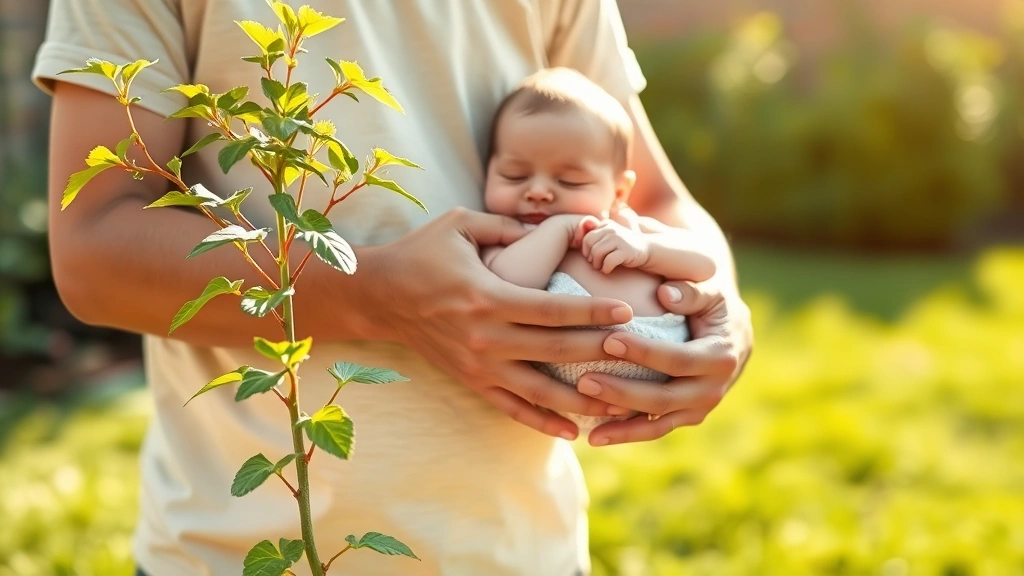
A baby tree is more than just a plant—it’s a living symbol of your child’s journey through life. Traditionally, parents plant a sapling when their baby is born, watching it grow alongside their child through years and decades. The tree becomes a physical representation of growth, resilience, and the passage of time. Some families choose native species, while others select trees with cultural or personal significance.
The concept extends beyond physical planting. Many modern families create digital baby trees that track milestones, photograph growth moments, or use apps designed specifically for this purpose. Others maintain printed family trees that document both the botanical growth and family connections. Whether rooted in soil or existing in digital space, the baby tree serves as a meaningful anchor point for your family’s evolving story.
Some families incorporate baby trees into baby shower celebrations, creating a communal tree where guests contribute to the planting or decoration. This transforms the tree into a symbol of your community’s love and support as you welcome your new family member. The flexibility of this tradition means it can adapt to your family’s unique circumstances, values, and living situations.
Life-Changing Benefits for Your Family
Planting a baby tree creates profound psychological benefits for parents and children alike. Research in environmental psychology shows that nurturing plants strengthens family bonds and teaches children responsibility. When your child grows up watching their personal tree mature, they develop a sense of ownership and pride in something they’ve cultivated together with nature.
The emotional impact cannot be overstated. Years later, your teenager or adult child can stand beside their tree and reflect on their own growth journey. They see tangible evidence of time’s passage, resilience through seasons, and the beauty of patience. According to the American Academy of Pediatrics, outdoor activities and nature connection significantly improve children’s mental health and emotional development.
Beyond psychology, baby trees offer environmental consciousness as a gift to your child. You’re literally planting their future while contributing to planetary health. This teaches ecological responsibility from birth. Your child learns that their existence has positive ripple effects, that growth benefits the world around them, and that long-term thinking matters.
Family traditions built around a baby tree strengthen intergenerational bonds. Grandparents, aunts, uncles, and cousins can participate in the tree’s care and celebrate milestones together. These shared experiences create conversation starters, photo opportunities, and memory anchors that families return to year after year. When combined with thoughtful baby registry planning, a tree becomes part of your child’s complete life foundation.
Getting Started: Practical Steps
Beginning your baby tree journey requires minimal planning but maximum intentionality. First, decide whether you’ll plant a physical tree or pursue alternative approaches. If you have outdoor space—a yard, balcony, or community garden plot—physical planting offers the most direct experience. If space is limited, container trees work beautifully, and you can transplant later or pass the tree to a family member’s property.
Next, select your tree species carefully. Consider your climate zone, the tree’s mature size, growth rate, and any special meaning it holds for your family. Hardwood trees like oak or maple symbolize strength and longevity. Fruit trees like apple or cherry represent abundance and sweetness. Flowering trees like magnolia or dogwood offer visual beauty and seasonal celebrations. Research which trees thrive in your specific region—local nurseries provide excellent guidance.
Document the planting moment. Take photos, write in a journal, or create a video recording. Capture your baby’s newborn details: their weight, length, and the date of planting. This documentation becomes precious as years pass. Consider creating a planting ceremony that feels meaningful to your family—whether that’s a simple moment of intention-setting or a larger celebration with loved ones.
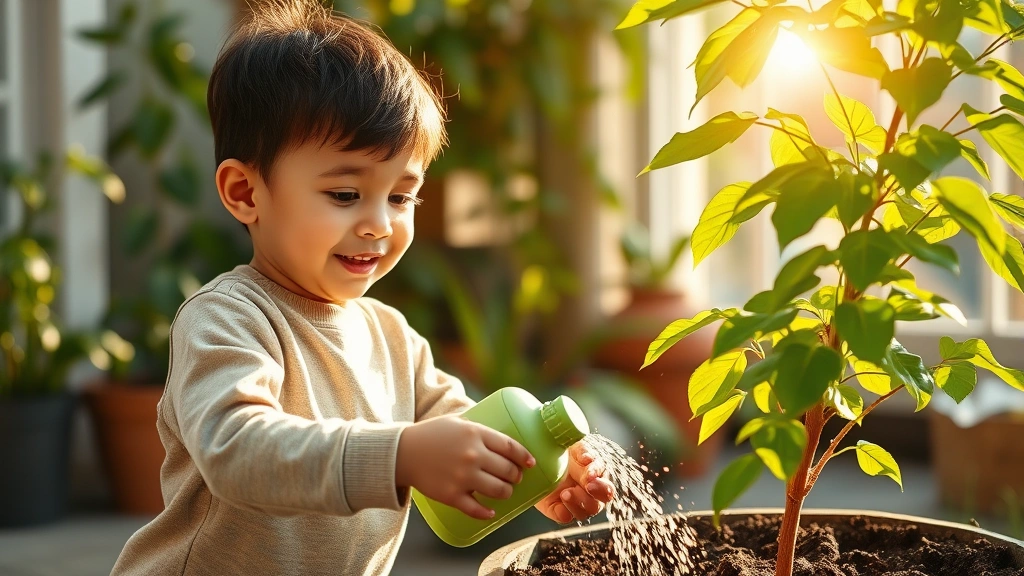
Establish a care routine. Assign age-appropriate watering and weeding tasks to your child as they grow. This teaches responsibility while maintaining your connection to the tree. Create a calendar reminder for tree care milestones: seasonal pruning, fertilizing, or mulching. Make tree care a family activity rather than a chore. Many families combine tree care with storytelling—while watering, parents share stories about their child’s early years or family history.
” src=”placeholder”>
Choosing the Right Tree for Your Child
Selecting your baby tree deserves thoughtful consideration. Beyond practical growing requirements, the tree you choose becomes symbolically linked to your child’s identity and your family’s values. Some parents choose trees that represent their cultural heritage—olive trees for Mediterranean families, cherry blossoms for Japanese traditions, or baobabs for African ancestry.
Consider the tree’s personality and characteristics. Fast-growing trees like birch or aspen symbolize quick development and youthful energy. Slow-growing trees like oak or cedar represent strength, patience, and longevity. Deciduous trees that lose leaves seasonally teach cycles of life, death, and renewal. Evergreens symbolize constancy and eternal growth. Your child’s temperament might naturally align with certain tree characteristics.
Think about the sensory experience. Trees with fragrant blossoms, interesting bark textures, or colorful foliage engage your child’s senses during tree care activities. Fruit-bearing trees provide literal harvests you can enjoy together—eating apples from your child’s tree creates powerful multi-sensory memories. Nut trees like walnut or pecan offer long-term rewards that extend into adulthood.
Factor in practical longevity. Choose trees likely to outlive you, creating a living legacy your child inherits. A 50-year-old oak tree becomes a profound connection to their parent’s love and foresight. Some families intentionally choose trees with shorter lifespans if they plan to harvest wood for meaningful crafts later—a guitar soundboard, furniture, or keepsake boxes.
Consult with local nursery experts about your region’s best options. They understand soil conditions, rainfall patterns, pest challenges, and which trees thrive in your specific microclimate. Their expertise prevents costly mistakes and ensures your baby tree has the best possible start.
Creating Lasting Traditions
A baby tree only transforms family life when it becomes woven into your family’s rhythm and rituals. Create annual traditions that celebrate both your child and their tree. Birthday celebrations could include measuring the tree’s growth alongside your child’s height. Anniversary dates of planting might involve special tree care projects or reflective family conversations.
Establish milestone markers. When your child learns to walk, take a photo beside the tree. At school milestones—kindergarten, middle school graduation, high school—photograph your growing child with their growing tree. These visual progressions become powerful documents of time’s passage. Over decades, you create a photographic timeline showing parallel growth that’s deeply moving to review.
Involve extended family in tree traditions. Grandparents might visit specifically for tree-care days. Siblings could plant their own trees, creating a grove of family growth. Cousins visiting from out of town check on the tree, creating continuity across distance. These shared traditions strengthen family bonds and give relatives meaningful ways to participate in your child’s life journey.
Create rituals around tree challenges. When storms damage branches, involve your child in repair and healing. When pests threaten the tree, problem-solve together. These challenges teach resilience and demonstrate that growth isn’t always smooth. Your child learns that setbacks happen, recovery is possible, and persistence matters. These life lessons transfer far beyond gardening.
Document the tree’s story in writing. Create a family journal where each member writes annual reflections about the tree and their child. Include sketches, pressed leaves, or photos. Over years, this becomes a beautiful chronicle of growth, change, and family love. Your adult child will treasure these handwritten records far more than digital files.
Connect tree traditions to meaningful gift-giving occasions. Baby shower guests might contribute to tree care supplies. Birthday gifts could include specialized gardening tools your child can use with their tree. These gifts reinforce the tree’s centrality to your family narrative.
Overcoming Common Challenges
Every parent considering a baby tree faces practical questions and potential obstacles. Limited outdoor space is the most common concern. Apartment dwellers, urban families, and those without yards shouldn’t abandon this tradition. Container gardening works beautifully—choose appropriately-sized pots and dwarf or semi-dwarf tree varieties. These trees can live on balconies, rooftops, or even inside with proper light. When your child is older, you can transplant to a larger space or donate to a park.
Some families plant trees at grandparents’ homes, creating a meaningful connection across generations and geographies. Your child’s tree grows at Grandma’s house, giving them reasons to visit and creating special moments together. This approach works particularly well for military families, frequent movers, or those with complex living situations.
Climate concerns require honest assessment. If you live in an area with extreme weather, unstable conditions, or frequent relocations, consider whether a physical tree is feasible. Some families plant multiple trees at different locations—one that stays rooted while they move, and one that travels with them. Others embrace digital baby trees that capture the spirit without geographic constraints.
Disease and pest management can feel overwhelming. Rather than viewing this as failure, frame it as teaching moments. Your child learns that nature involves challenges, that solutions exist, and that patience and care matter. Consult local extension offices for organic pest management strategies. Many challenges resolve naturally over time.
Budget constraints shouldn’t prevent you from starting this tradition. Inexpensive saplings from local nurseries work perfectly. Free or low-cost seeds germinated at home create even more engagement. Community gardens often welcome tree plantings. Child development experts confirm that the intention and commitment matter far more than the expense.
Custody or family separation situations require sensitivity and creative solutions. Both parents can plant separate baby trees, creating two living connections to your child. Blended families might plant trees together, creating symbols of new unity. The flexibility of this tradition allows it to honor complex family structures with grace and meaning.

” src=”placeholder”>
Frequently Asked Questions
What’s the best age to plant a baby tree?
Plant immediately after birth or as soon as feels right for your family. The tree’s age matters less than your commitment to the tradition. Some families plant within weeks of birth, others during baby’s first birthday, and some wait until they have permanent housing. There’s no wrong timing—only your family’s right moment.
Can I plant a baby tree if I rent my home?
Absolutely. Container trees work beautifully and move with you. Alternatively, plant at a family member’s property, public garden, or community space. Ask landlords about planting permissions—many appreciate tenants’ efforts to beautify properties. Document everything photographically so your child maintains connection even if you move.
What if my baby tree dies?
This happens, and it’s not failure—it’s life. Use it as a teaching moment about resilience, loss, and renewal. Plant a replacement tree, creating a new chapter in your story. Many families find that recovering from tree loss deepens their appreciation for the tradition and teaches valuable lessons about persistence and acceptance.
How do I involve my child in tree care?
Age-appropriate tasks include watering (supervised), picking up fallen leaves, helping spread mulch, and observing seasonal changes. Toddlers can help pour water with your hands guiding theirs. School-age children manage simple weeding and watering. Teenagers handle pruning and more complex care. Make it fun rather than obligatory—turn it into family time.
Should I plant the same tree species for all my children?
That’s a beautiful choice, creating a grove of family growth. Alternatively, choose different species that reflect each child’s unique personality. Some families plant one species consistently, creating a meaningful family signature. Others embrace variety. Both approaches work—follow your family’s intuition and values.
What if I move to a different climate?
This is where flexibility matters. If relocating, you might leave the tree at the previous home with extended family, plant a new tree suited to your new climate, or maintain digital documentation of your original tree. Many military and mobile families successfully navigate this by planting at multiple locations or embracing digital alternatives.
Can I plant a baby tree for an adopted child?
Adoption experts enthusiastically support this tradition. Planting a baby tree for an adopted child symbolizes welcoming them into your family and honoring their new beginning. The planting date can mark their adoption day, creating powerful symbolism around chosen family and intentional growth. This tradition beautifully acknowledges that families form in many ways.
How long until the tree gets large?
Growth varies dramatically by species and conditions. Fast-growing trees like birch or willow can reach 20 feet within 10-15 years. Slow-growing trees like oak might take decades to reach significant size. This variation is actually beautiful—it mirrors how different children develop at different paces. Some families appreciate the slow, steady growth as a meditation on patience and long-term thinking.
A baby tree transforms family life by anchoring your child’s development in something tangible, living, and meaningful. It connects them to nature, to family history, to patience, and to growth. Whether you plant a physical sapling in soil or create a digital version, the intention behind the tradition matters most. You’re telling your child: you matter, your growth matters, and I’m committed to nurturing both of you for the long journey ahead.
Start your baby tree journey today. Visit a local nursery, research species that resonate with your family values, and create this living legacy for your child. Years from now, when your child stands beside their tree—taller than when they started, stronger, more resilient—they’ll understand the profound message their baby tree conveyed: growth is beautiful, patience is powerful, and love endures.
For comprehensive parenting guidance on creating meaningful family traditions and rituals, explore additional resources designed to support your journey. Your baby tree is just the beginning of the beautiful traditions you’ll create together.