How Do Baby Turtles Survive? Nature’s Strategy
The moment a baby turtle breaks through its leathery egg shell, it faces one of nature’s most brutal gauntlets. Tiny, vulnerable, and entirely alone, these hatchlings must navigate a world full of predators, environmental challenges, and odds that seem impossibly stacked against them. Yet somehow, millions of baby turtles manage to survive each year, employing remarkable instincts and adaptations that have been refined over millions of years of evolution.
If you’ve ever watched a nature documentary showing hatchlings scrambling toward the ocean, you’ve witnessed one of nature’s most compelling survival stories. But there’s so much more happening beneath the surface—literally and figuratively—than those dramatic beach scenes reveal. Understanding how baby turtles survive isn’t just fascinating; it offers profound insights into resilience, adaptation, and the delicate balance of ecosystems.
Whether you’re curious about these creatures for educational purposes, considering them as pets, or simply captivated by nature’s ingenuity, this guide explores the incredible survival strategies that allow baby turtles to thrive against the odds.
The Egg Stage: Protection Before Birth
Long before a baby turtle takes its first breath, survival begins with strategic egg placement. Female turtles invest considerable energy in selecting nesting sites that offer optimal protection and environmental conditions. This decision-making process is instinctive yet remarkably sophisticated—mother turtles evaluate temperature, humidity, sand composition, and proximity to predators before depositing their eggs.
The eggs themselves are encased in leathery shells that provide some protection while remaining permeable enough to allow gas exchange. This delicate balance is crucial; the shell must be tough enough to withstand soil pressure and minor impacts, yet flexible enough to permit the developing embryo to absorb oxygen and release carbon dioxide. Inside each egg, the developing turtle relies on a nutrient-rich yolk sac that sustains it throughout the incubation period.
Temperature plays a critical role during this stage. Interestingly, the incubation temperature often determines the sex of the hatchling—warmer temperatures typically produce females, while cooler temperatures produce males. This temperature sensitivity makes climate change a significant threat to turtle populations, potentially skewing sex ratios in ways that could destabilize breeding populations.
The incubation period typically lasts between 60 and 120 days, depending on species and environmental conditions. During this time, the developing turtle is vulnerable to flooding, drought, predation, and fungal infections. Many eggs never make it to hatching stage, falling victim to these environmental pressures or being excavated by opportunistic predators like raccoons, foxes, and monitor lizards.
Breaking Free: The Hatching Process
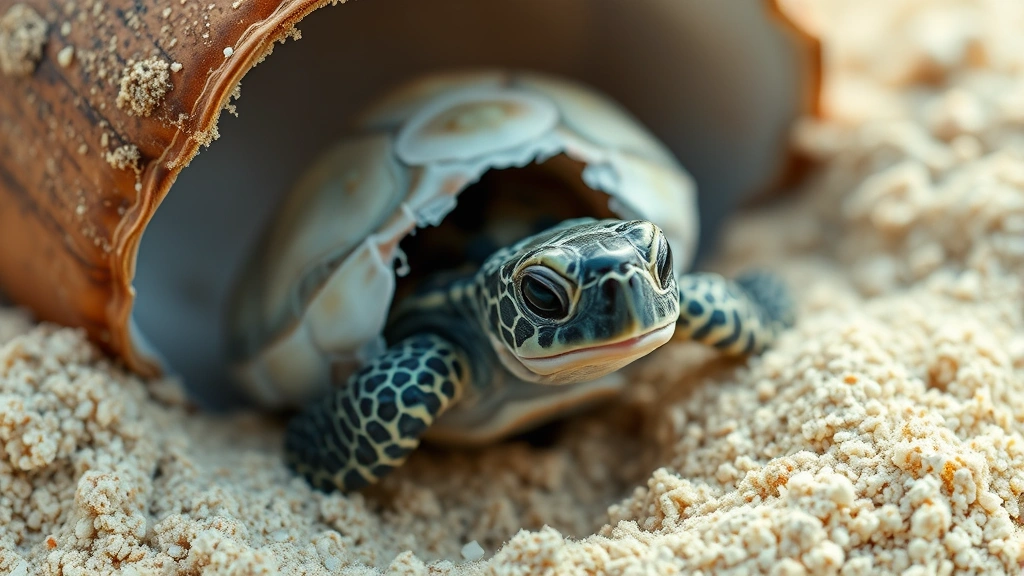
After months of development, the baby turtle faces its first major physical challenge: breaking out of its egg. This process, called “pipping,” requires the hatchling to develop a specialized egg tooth—a temporary structure used solely for this purpose. The baby turtle uses this tooth to create a small hole in the shell, then gradually enlarges it over several hours or even days.
This isn’t a quick escape. Pipping is an exhausting process that can take 24 to 48 hours or longer. The hatchling must absorb the remaining yolk sac, which provides crucial nutrients for the journey ahead. Premature emergence before complete yolk absorption can be fatal, as the hatchling loses access to vital energy reserves needed for survival.
During this vulnerable period, the hatchling remains partially exposed to the elements and potential predators. The egg provides minimal protection once the shell is compromised, so timing is everything. Hatchlings must break free when conditions are favorable—typically during cooler parts of the day or after rain when soil is softer and easier to navigate.
Once fully emerged, the hatchling is exhausted but instinctively driven to escape the nest. This is where the survival strategies become even more dramatic. If you’re interested in understanding specific species survival tactics, learning about baby snapping turtle hatchlings reveals how freshwater species employ different strategies than their sea turtle cousins.
The Perilous First Journey
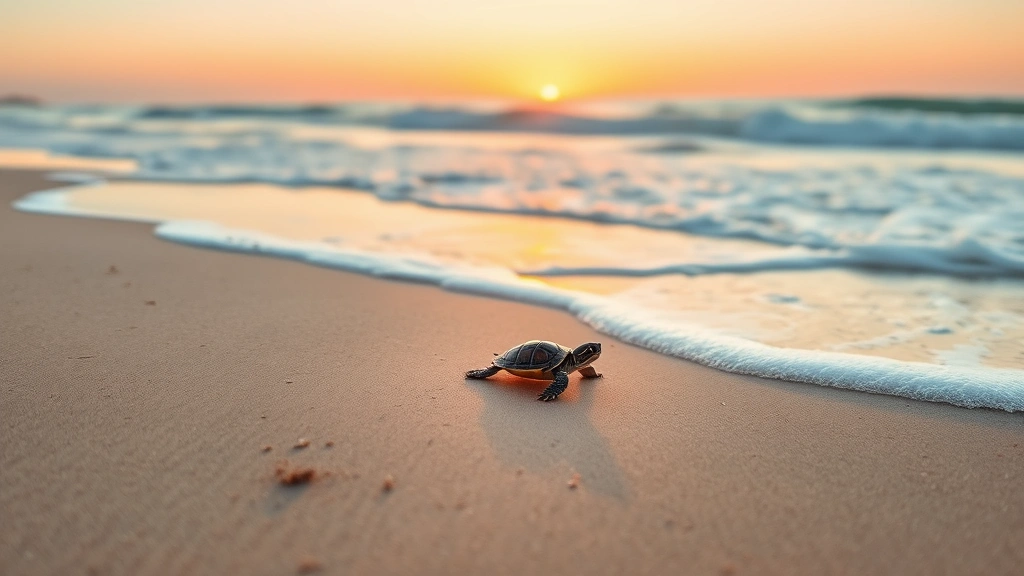
The moment a hatchling emerges from its nest, it faces what scientists call the “frenzy period.” For sea turtles, this means a desperate scramble across the beach toward the ocean. The hatchling must navigate sand, avoid predators, and reach the water before succumbing to dehydration or exhaustion. This journey, often just a few hundred meters, represents a mortality gauntlet where up to 99% of hatchlings may perish.
Freshwater turtle hatchlings face similar challenges but in different environments. Those from nests near ponds or rivers must locate water sources while avoiding terrestrial predators. Many species demonstrate remarkable navigation abilities, using visual cues, magnetic fields, and possibly even olfactory information to orient themselves toward suitable habitat.
For species like the baby snapping turtle, the first journey often involves finding deeper water where they can hide and hunt effectively. Unlike some turtle species that return to land regularly, snapping turtles are primarily aquatic and must reach water quickly to access their preferred hunting grounds and refuge.
The predators encountered during this critical period are numerous and efficient. Birds, crabs, ants, and larger reptiles view hatchlings as easy meals. Even insects can pose threats to the tiniest hatchlings. Speed and camouflage are the primary defenses during this phase. Most hatchlings are colored in browns and grays that blend with their surroundings, and their instinctive behavior is to move quickly and directly toward safety.
Interestingly, hatchling behavior during this period appears to be triggered by environmental cues. Rain, temperature changes, and time of day all influence when hatchlings emerge from their nests. This timing isn’t random; it’s evolved to maximize survival chances by coordinating emergence with conditions that reduce predation risk or environmental stress.
Aquatic Adaptations and Survival Skills
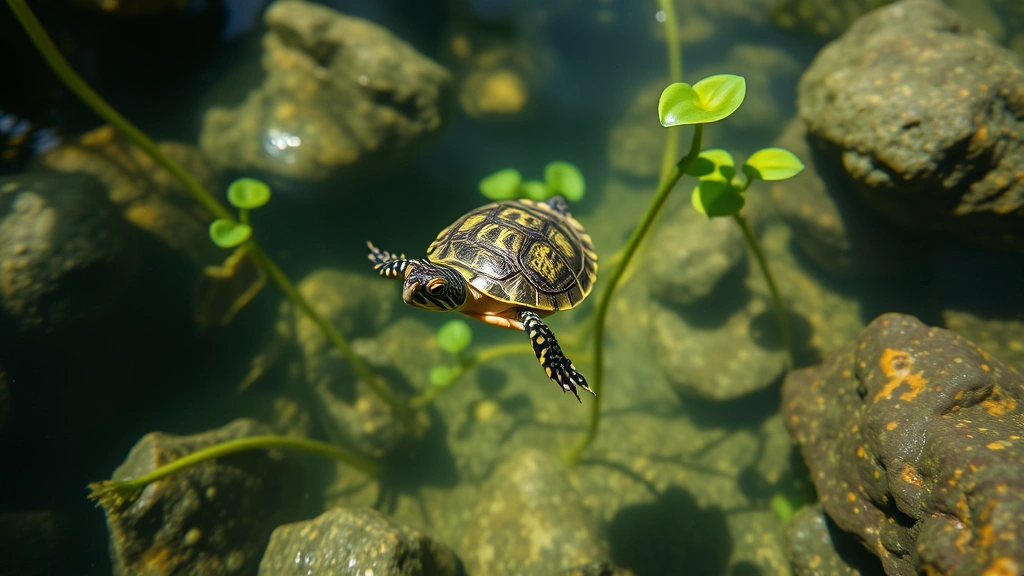
Once in the water, baby turtles begin developing the skills that will sustain them through juvenile stages. Their flippers, though small and seemingly fragile, are already adapted for efficient swimming. Unlike adult turtles that may spend considerable time on land, hatchlings are primarily aquatic, spending most of their time in water where they’re more mobile and less vulnerable to terrestrial predators.
The transition to aquatic life involves learning to hunt, navigate currents, and find appropriate shelter. Hatchlings instinctively seek vegetation, rocks, or other structures that provide cover. This behavior is crucial because exposed hatchlings in open water are vulnerable to fish, birds, and larger aquatic predators. Within the first few weeks, hatchlings develop stronger swimming abilities and begin actively hunting small prey items.
Feeding behavior emerges quickly, though hatchlings often rely on their remaining yolk reserves for the first few days. Once these reserves deplete, they must find food independently. Most hatchlings are omnivorous, consuming algae, small insects, crustaceans, and organic debris. This dietary flexibility is advantageous, allowing them to exploit available food sources in their specific environment.
Temperature regulation during this aquatic phase is passive but critical. Hatchlings cannot generate body heat efficiently, so they rely on environmental temperatures. Warmer water promotes faster metabolism and growth, while cooler water slows these processes. This is why hatchlings in tropical regions often grow faster than those in temperate zones, though they face different predation pressures and seasonal challenges.
Predator Evasion and Defense Mechanisms
Baby turtles employ multiple strategies to avoid becoming prey. Their shell, even when soft in hatchlings, provides some protection by allowing them to partially retract their head and limbs. More importantly, their behavior emphasizes avoidance rather than confrontation. Quick, erratic movements make hatchlings difficult targets for predators that rely on predictable movement patterns.
Coloration provides another layer of defense. Most hatchlings display cryptic coloring that matches their environment—sandy browns for terrestrial species, darker greens and browns for aquatic species. This camouflage is remarkably effective, allowing hatchlings to remain undetected even when predators are nearby.
Some turtle species have evolved additional defensive adaptations. Certain species produce foul-smelling secretions that deter predators, while others have hardened shell structures that resist crushing. The baby bearded dragon comparison is interesting because while reptiles, these creatures employ entirely different defense strategies based on their ecological niche and evolutionary history.
Behavioral defenses are equally important. Hatchlings demonstrate freeze responses when threatened, remaining motionless until danger passes. This strategy relies on predators’ tendency to focus on moving prey. Additionally, hatchlings instinctively seek shelter, recognizing that vegetation, rocks, and burrows offer protection from aerial and aquatic predators.
Interestingly, some hatchlings appear to employ group defense strategies. When multiple hatchlings emerge simultaneously from a nest, their collective movement creates confusion that reduces individual predation risk. This “safety in numbers” approach, called the confusion effect, has been documented in various turtle species and represents an evolved strategy rather than intentional cooperation.
Growth, Development, and Maturation
The journey from hatchling to juvenile to adult is marked by dramatic growth and behavioral changes. During the first year, hatchlings that survive the initial predation gauntlet face new challenges. They must compete with other hatchlings and juveniles for food and space, navigate seasonal changes, and continue avoiding predators despite their increasing size.
Growth rates vary dramatically based on species, temperature, and food availability. In optimal conditions, some hatchlings may double or triple their size within the first year. However, growth isn’t linear; it often follows seasonal patterns, with rapid growth during warm months when food is abundant and slower growth during cooler periods.
Sexual maturity takes years to achieve, typically ranging from 5 to 20 years depending on species. During this extended juvenile period, young turtles gradually develop the behaviors and physical characteristics necessary for reproduction. Males often develop longer tails and concave plastrons (lower shells), while females grow larger to accommodate egg production.
Interestingly, the survival challenges that hatchlings face often establish patterns that influence their entire lives. Hatchlings that experience abundant food during critical growth periods may achieve larger adult sizes and greater reproductive potential. Conversely, those facing food scarcity during juvenile stages may remain smaller, affecting their lifetime reproductive success.
Understanding these developmental stages provides context for comparing different reptile species. While a baby crocodile faces similar predation pressures, its growth trajectory and maturation timeline differ significantly from turtles due to their distinct evolutionary adaptations and ecological roles.
Environmental Factors and Climate Challenges
Climate and environmental conditions profoundly influence baby turtle survival. Temperature affects not only growth rates but also predation vulnerability, disease susceptibility, and behavioral patterns. Extreme weather events—flooding, drought, unseasonably cold temperatures—can devastate entire nesting cohorts.
Water quality is critical for aquatic hatchlings. Pollution, algal blooms, and low oxygen levels can create hostile environments where hatchlings struggle to find adequate food or breathe properly. Coastal development and habitat loss have dramatically reduced suitable nesting and nursery habitats for many turtle species.
Seasonal changes present both opportunities and challenges. Spring warming triggers hatching in many species, but late freezes can be catastrophic. Summer storms can flood nests, while autumn cooling prepares hatchlings for winter survival. Climate change is disrupting these finely-tuned seasonal patterns, potentially misaligning hatchling emergence with optimal environmental conditions.
For species that inhabit multiple environments, like some freshwater turtles that nest on land but raise young in water, environmental variability across these habitats compounds survival challenges. A hatchling might encounter perfect conditions in its nest but face drought or predation pressure in its nursery habitat.
Conservation efforts increasingly recognize that protecting hatchlings requires addressing these environmental factors. Research from organizations like World Wildlife Fund demonstrates that habitat protection and climate mitigation are essential for ensuring future turtle populations. Additionally, NOAA Fisheries provides comprehensive information about marine turtle conservation strategies.
The comparison to other species helps illustrate how environmental factors affect different reptiles. A baby dolphin, while not a reptile, faces analogous environmental challenges despite its mammalian physiology, demonstrating how climate and habitat quality universally impact young animal survival.
Frequently Asked Questions
What is the survival rate for baby turtles?
Survival rates vary dramatically by species and environment. For sea turtles, estimates suggest that only 1 in 1,000 hatchlings survive to adulthood. Freshwater turtles often have slightly better survival rates, but still experience significant early mortality. These low rates reflect the intense predation and environmental pressures hatchlings face during their first year.
How long do baby turtles stay in their nests?
Incubation periods typically range from 60 to 120 days, depending on species, temperature, and humidity. After hatching, hatchlings may remain in the nest for a few hours to several days while they absorb remaining yolk and develop sufficient strength to dig out. The exact timing depends on environmental conditions and the hatchling’s individual development.
What do baby turtles eat immediately after hatching?
Newly hatched turtles rely on their yolk sacs for the first few days or weeks. Once this reserve depletes, they begin hunting small prey items appropriate to their species and environment. Most hatchlings are opportunistic feeders, consuming whatever small food sources are available, including insects, crustaceans, algae, and organic debris.
Can baby turtles survive without water?
While most turtle species are aquatic or semi-aquatic, hatchlings can survive brief periods out of water. However, they’re susceptible to rapid dehydration, especially in hot or dry conditions. Aquatic species hatchlings must reach water relatively quickly to avoid fatal dehydration, while terrestrial species are better adapted to occasional dry periods.
How do baby turtles know where to go after hatching?
Baby turtles employ multiple navigation mechanisms, including visual cues (light patterns), magnetic field detection, and possibly olfactory information. Sea turtle hatchlings instinctively move toward the brightest horizon, which historically led them toward the ocean. Freshwater species use similar cues to locate appropriate water sources, though the specific mechanisms are still being researched by scientists.
What are the main predators of baby turtles?
Baby turtles face predation from numerous animals, including birds, crabs, raccoons, foxes, ants, fish, and larger reptiles. The specific predators depend on the turtle’s habitat and geographic location. In marine environments, fish and seabirds are primary threats, while in freshwater and terrestrial environments, mammals and birds pose the greatest risk.
How long until baby turtles reach adult size?
Time to adulthood varies significantly by species, ranging from 5 to 50 years depending on the specific type of turtle. Growth rates depend on temperature, food availability, and genetic factors. Some species reach reproductive maturity relatively quickly, while others require decades of growth before they can successfully breed.