How to Choose Baby Washcloths: Essential Tips for New Parents
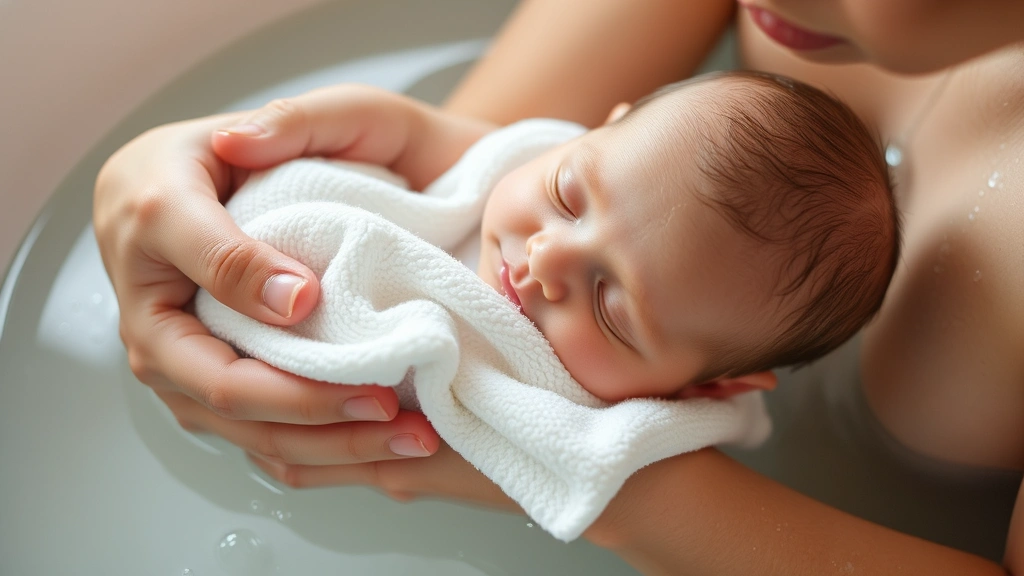
Bath time with your baby is one of those precious moments that feels simultaneously magical and slightly terrifying. You’re holding this tiny human, water is everywhere, and suddenly you’re wondering if the washcloth you grabbed is even appropriate for their delicate skin. Sound familiar? The truth is, choosing the right baby washcloths isn’t just about grabbing whatever’s soft at the store—it’s about understanding your baby’s unique needs, skin sensitivity, and your family’s lifestyle.
Most parents don’t realize that what works for an older child or adult can actually irritate a newborn’s sensitive skin. The wrong fabric, chemical residue, or even the way a washcloth is constructed can lead to unnecessary discomfort. But here’s the good news: once you understand what to look for, selecting the perfect washcloths becomes straightforward and even enjoyable.
In this comprehensive guide, we’ll walk you through everything you need to know about choosing baby washcloths that will keep your little one comfortable, safe, and happy during bath time. Whether you’re expecting your first child or adding to your growing family, these essential tips will help you make informed decisions that actually stick.
Why Fabric Matters: Understanding Material Options
When it comes to baby washcloths, fabric selection is absolutely paramount. Your baby’s skin is roughly five times thinner than adult skin, which means it’s exponentially more vulnerable to irritation from rough or chemically-treated materials. Let’s break down the most popular options you’ll encounter.
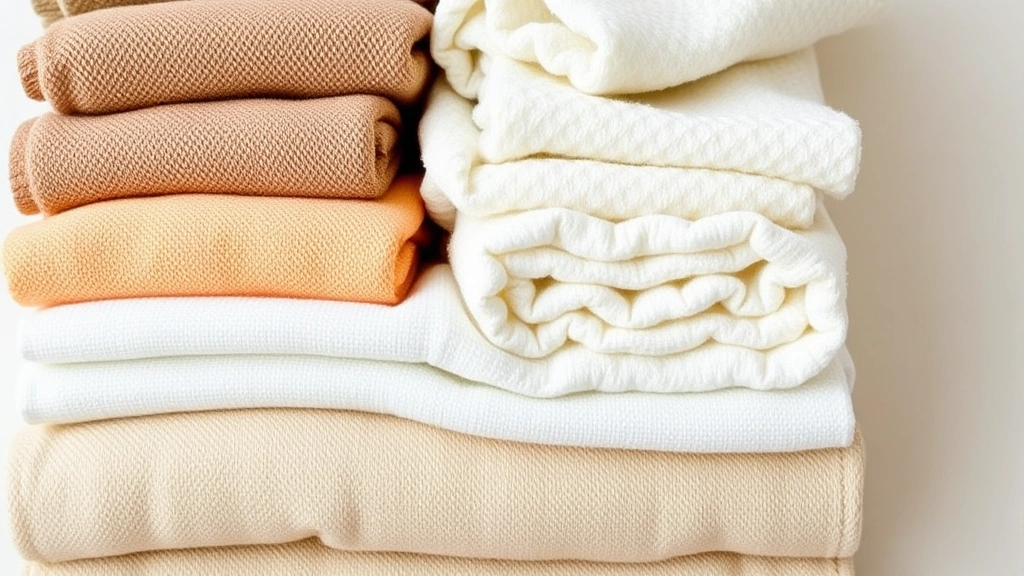
Organic cotton stands as the gold standard for most pediatricians and dermatologists. It’s naturally hypoallergenic, breathable, and free from synthetic pesticides that can linger on conventional cotton. When you wash organic cotton washcloths with the right baby detergent, you’re creating a truly gentle cleansing experience. The fibers are soft without being flimsy, and they maintain their integrity wash after wash.
Bamboo viscose has gained significant popularity in recent years, and for good reason. Bamboo fabric is naturally antimicrobial, which means it resists odor and bacteria growth better than cotton. It’s also incredibly soft—many parents describe it as feeling almost silky against their baby’s skin. However, bamboo washcloths tend to be pricier and can sometimes pill with aggressive washing. They’re excellent for babies with eczema or sensitive skin conditions.
Muslin is another excellent choice, particularly for newborns. These lightweight, loosely-woven cotton cloths are gentle enough for a newborn’s face and body. Many parents use muslin cloths for burping, wiping faces, and general cleanup in addition to bath time. They’re affordable, durable, and practically indestructible.
Microfiber washcloths are popular because they’re absorbent and quick-drying, but here’s where caution comes in. While they’re not inherently harmful, microfiber can sometimes trap bacteria more easily than natural fibers. If you choose microfiber, ensure they’re specifically labeled as hypoallergenic and baby-safe, and wash them thoroughly before first use.
Avoid synthetic blends that contain polyester or acrylic unless they’re specifically formulated for sensitive skin. These materials don’t breathe as well and can trap heat and moisture against your baby’s skin, potentially leading to heat rash or diaper dermatitis.
According to the American Academy of Pediatrics, natural fibers like cotton and bamboo are consistently recommended for baby products because they allow skin to breathe and minimize chemical exposure during critical developmental years.
Size and Thickness: Finding the Right Fit
You might think a washcloth is a washcloth, but size and thickness actually matter quite a bit in practical terms. Standard adult washcloths measure around 13×13 inches, which can feel overwhelming when you’re trying to gently wash a tiny newborn’s face. Smaller washcloths—typically 8×8 or 10×10 inches—give you better control and precision during bath time.
Thickness affects both functionality and comfort. Thicker washcloths absorb more water and provide better cushioning when you’re supporting your baby in the tub, but they also take longer to dry, which can create an environment for mildew growth. Medium-weight washcloths strike an ideal balance—they’re absorbent enough for practical use but lightweight enough to dry relatively quickly.
Consider having multiple sizes on hand. Smaller, thinner muslin cloths are perfect for delicate facial washing, while slightly larger, medium-weight organic cotton washcloths work wonderfully for body washing during your baby’s bath routine. This variety means you can adapt to different situations without constantly rewashing cloths.
When examining thickness, look for washcloths that feel substantial but not stiff. If a new washcloth feels rough, it likely needs several washes to soften up. High-quality baby washcloths should feel soft from the first wash, though they’ll become even softer with repeated laundering.
Safety Considerations and Standards
Before purchasing any baby washcloths, look for specific certifications that indicate safety and quality. The GOTS (Global Organic Textile Standard) certification ensures that organic cotton products meet rigorous environmental and social standards. OEKO-TEX certification indicates that the product has been tested for harmful substances and is safe for babies and sensitive skin.
When shopping for baby washcloths, always check that they’re free from:
- Dyes and bleach that can irritate sensitive skin or cause allergic reactions
- Chemical finishes used to make fabrics wrinkle-resistant or stain-resistant
- Heavy metals like lead or cadmium that sometimes appear in inexpensive dyed fabrics
- Formaldehyde used in some manufacturing processes to prevent mildew
- Phthalates which can be found in printing inks on some washcloths
The CDC recommends that all baby textiles be washed before first use to remove any manufacturing residues. This is particularly important for imported products that may have been stored in conditions that allowed chemical accumulation.
Color matters too. While adorable printed washcloths are tempting, consider that dyes can sometimes leach into water or irritate skin. If you prefer colored washcloths, choose ones dyed with natural, baby-safe dyes. White or cream-colored organic cotton washcloths are the safest choice, though they require slightly more attentive laundry management to prevent dingy-looking buildup.
Look for washcloths with reinforced edges rather than raw edges. Reinforced stitching prevents fraying and ensures the washcloth maintains its integrity through countless wash cycles. This is especially important since you’ll be washing these items frequently with appropriate baby bath essentials and gentle detergents.
Care and Maintenance Tips
How you care for baby washcloths is just as important as choosing the right ones. Proper maintenance extends their lifespan and maintains their safety for your baby’s delicate skin.
Before first use: Wash new washcloths separately in hot water with a gentle, fragrance-free baby detergent. This removes manufacturing chemicals and dyes. Don’t add fabric softener or dryer sheets—these leave residues that can irritate baby skin.
Regular washing: Wash used washcloths after each bath. A damp cloth left sitting creates an ideal environment for mold and mildew growth. Use the best baby detergent available—avoid heavily scented products and those with brighteners or bleach.
Drying: Air-dry whenever possible. If you use a dryer, use the lowest heat setting and remove washcloths promptly to prevent wrinkles and residual heat damage. Overdrying can make fabrics stiff and less absorbent.
Storage: Store clean washcloths in a breathable container or basket, not in plastic bins where moisture can accumulate. Ensure they’re completely dry before storage to prevent mildew.
Replacement schedule: Even with excellent care, washcloths eventually wear out. Replace them when you notice pilling, thinning fabric, or persistent stains that won’t come out. Typically, quality baby washcloths last 2-3 years with proper care.
Budget vs. Value: Making Smart Choices
You don’t need to spend a fortune on baby washcloths, but the cheapest option often isn’t the best investment. Here’s how to think about value:
Budget options ($1-3 per washcloth): Mass-market brands often use conventional cotton treated with chemicals. While they’re affordable, you might need to replace them more frequently, and they’re more likely to cause irritation in sensitive babies.
Mid-range options ($3-8 per washcloth): This is where you’ll find many organic cotton and quality bamboo options. These washcloths typically last longer, feel softer, and maintain their integrity through hundreds of washes. For most families, this price range offers the best value proposition.
Premium options ($8+ per washcloth): Luxury brands and boutique options offer beautiful designs and exceptional quality, but the premium often reflects branding rather than superior performance. Unless you’re specifically drawn to a designer aesthetic, you’ll find excellent quality at mid-range prices.
Smart shopping strategy: Start with a smaller investment—perhaps six to eight mid-range organic cotton washcloths. This gives you enough for a few days without constant laundering, allowing you to test what works best for your baby before committing to a larger collection. You can always expand later once you know your preferences.
Consider buying sets rather than individual washcloths. Most quality brands offer bundle deals that reduce per-unit costs. Seasonal sales and registry discounts can also significantly reduce your overall investment.
Practical Tips for Bath Time Success
Beyond just choosing the right baby washcloths, how you use them during bath time makes a real difference in your baby’s comfort and your confidence as a parent.
Temperature matters: Warm the washcloth in warm (not hot) water before applying it to your baby’s face. This prevents the shock of cold contact and makes the experience more pleasant. Test the temperature on your inner wrist first—it should feel comfortably warm, not hot.
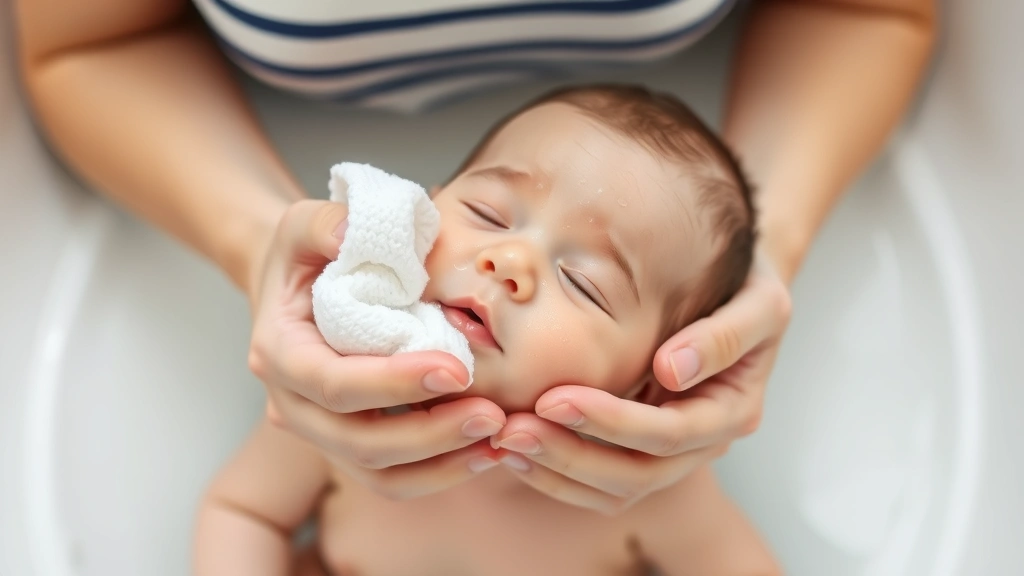
Technique for face washing: Use a separate, plain washcloth for your baby’s face—one without soap. Gently wipe around eyes from the inner corner outward, using a fresh section of the cloth for each eye to prevent cross-contamination. For the nose and mouth, use minimal water and be extra gentle.
Pairing with the right products: Coordinate your washcloth choice with appropriate baby shampoo and body wash. Natural, fragrance-free products work best with organic cotton or bamboo washcloths—they complement rather than work against each other.
Quantity recommendations: Most families benefit from having 12-16 washcloths on rotation. This provides enough for several days of use without requiring daily laundry. Having extras means you can retire ones that show wear without immediately needing replacements.
Organization system: Keep baby washcloths separate from the rest of your laundry. A dedicated drawer or basket makes bath time preparation easier and ensures your baby’s washcloths don’t accidentally get washed with harsh adult detergents or fabric softeners.
Transition planning: As your baby grows and their skin becomes more resilient, you can gradually introduce slightly different textures and materials. However, many parents find they prefer keeping their baby’s dedicated washcloths gentle even as the child gets older—there’s no rush to transition to adult-style washcloths.
Consider that your choice of baby washcloths extends beyond just bath time. Many parents use them for general cleanup, wiping hands and faces throughout the day, and even as part of their diaper-changing routine. Having soft, gentle washcloths available makes these frequent tasks more comfortable for your baby.
Research from Parents Magazine indicates that parents who invest in quality bath supplies report higher confidence during bath time and fewer skin-related concerns with their babies. The peace of mind that comes with knowing you’re using safe, appropriate products is genuinely valuable.
When selecting baby washcloths for your nursery, think about them as part of your larger baby girl clothes and baby boy clothes collection—all items that deserve thoughtful selection. Your baby’s comfort during dressing, bathing, and daily care contributes to their overall well-being and your confidence as a caregiver.
Frequently Asked Questions
What’s the difference between baby washcloths and regular washcloths?
Baby washcloths are typically smaller (8×8 to 10×10 inches versus 13×13 inches for adult washcloths), made from gentler materials like organic cotton or bamboo, and free from harsh chemicals and dyes. They’re designed specifically for sensitive baby skin, whereas regular washcloths often contain chemical finishes and synthetic materials that can irritate delicate skin.
How many baby washcloths do I actually need?
Most experts recommend having 12-16 washcloths to rotate. This allows for several days of use without daily laundry requirements. You’ll use them for baths, face wiping, and general cleanup throughout the day, so having extras prevents constant laundering while ensuring you always have clean ones available.
Can I use regular baby towels instead of washcloths?
While baby towels are great for drying, they’re not ideal substitutes for washcloths during bathing. Washcloths are more precise for cleaning, easier to control around your baby’s face, and quicker to wring out. Towels are better reserved for drying after bath time.
Are organic cotton washcloths worth the extra cost?
For most families, yes. Organic cotton washcloths last longer, feel softer, and are free from pesticide residues and harsh chemicals. They’re particularly worth the investment if your baby has sensitive skin, eczema, or a history of skin reactions. The durability means you replace them less frequently, offsetting the initial higher cost.
How often should I replace baby washcloths?
Quality washcloths typically last 2-3 years with proper care. Replace them sooner if you notice pilling, thinning fabric, persistent stains, or if they develop an odor that washing doesn’t eliminate. Well-maintained organic cotton washcloths often outlast this timeframe.
Can I use fabric softener on baby washcloths?
No. Fabric softeners leave residues that can irritate baby skin and reduce the absorbency of washcloths. Avoid both liquid fabric softeners and dryer sheets. Gentle baby detergent and air-drying naturally keep washcloths soft without chemical residues.
What should I do if my baby develops a rash from their washcloth?
Discontinue use immediately and consult your pediatrician. The rash might indicate sensitivity to the material, dyes, or detergent. Switch to plain muslin cloths and fragrance-free, hypoallergenic detergent. If the rash persists, your pediatrician might recommend a specific dermatologist evaluation or suggest alternative materials.
Are bamboo washcloths better than cotton for babies?
Both are excellent, but they have different strengths. Bamboo is naturally antimicrobial and exceptionally soft, making it ideal for babies with eczema or very sensitive skin. Organic cotton is more durable and easier to maintain. Many families use both—bamboo for sensitive skin situations and organic cotton for everyday use.
How should I wash new washcloths before using them on my baby?
Wash separately in hot water with gentle, fragrance-free baby detergent. Skip any fabric softeners, bleach, or dryer sheets. Dry completely before storage. This removes manufacturing chemicals, dyes, and sizing agents that might irritate your baby’s skin on first contact.
Choosing the right baby washcloths is one of those parenting decisions that might seem small but genuinely contributes to your baby’s comfort and your peace of mind during daily care routines. By focusing on natural fibers, appropriate sizing, proper certifications, and thoughtful care practices, you’ll create a collection of washcloths that serves your family well through multiple children and years of use. Your baby’s sensitive skin deserves that attention to detail, and you deserve the confidence that comes with knowing you’ve made informed, caring choices for their well-being.