What Are Baby Washcloths? A Parent’s Guide to Choosing, Using, and Caring for These Essential Items
If you’re preparing for a new baby or navigating the early parenting years, you’ve probably noticed that tiny washcloths seem to multiply in every nursery. But here’s the thing: baby washcloths aren’t just miniature versions of adult washcloths. They’re thoughtfully designed tools that serve a specific purpose in your baby’s hygiene routine, and understanding what makes them special can genuinely improve your daily caregiving experience.
Most new parents don’t realize how frequently they’ll reach for a washcloth during those first months. From gentle face cleaning to bath time essentials, these small cloths become surprisingly indispensable. Whether you’re a first-time parent or adding to your growing family, this guide will walk you through everything you need to know about baby washcloths—why they matter, what to look for, and how to make them work hardest for your family.
What Exactly Are Baby Washcloths?
Baby washcloths are small, soft cloths specifically designed for a baby’s delicate skin. Typically measuring around 8×8 inches or 10×10 inches, they’re smaller and more manageable than standard adult washcloths. But size is just the beginning—the real difference lies in their construction and the materials used.
These cloths are engineered with gentleness as the priority. They feature a softer weave, hypoallergenic fabrics, and construction methods that minimize irritation. Unlike regular washcloths that might have a rougher texture, baby washcloths are designed to be gentle enough for newborn skin while still being functional enough to clean effectively.
The beauty of baby washcloths is their versatility. Parents use them for bath time, wiping faces and hands, cleaning up spills, and even as makeshift burp cloths. Some families keep them in the diaper bag, car, and multiple bathrooms throughout the house. They’re one of those items where having extras actually makes sense.
Why Baby Washcloths Matter
Your baby’s skin is fundamentally different from yours. It’s thinner, more permeable, and lacks the protective barrier that develops over time. This means anything that comes into contact with your baby’s skin deserves careful consideration. Regular washcloths, even if soft, simply aren’t designed with these vulnerabilities in mind.
When you’re bathing your baby or cleaning their face after meals, using the wrong material can trigger irritation, rashes, or discomfort. Baby washcloths reduce this risk significantly. They’re typically made without harsh dyes, chemical treatments, or rough fibers that could aggravate sensitive skin. This becomes especially important if your baby has eczema, sensitive skin, or allergies.
Beyond the physical benefits, there’s also a practical element. Baby washcloths are sized perfectly for small hands and faces. You can easily control the cloth, reach delicate areas without overshooting, and manage the cleaning process with greater precision. Parents consistently report that having proper baby washcloths makes bath time smoother and less stressful.
Materials and Fabric Types
Not all baby washcloths are created equal, and understanding fabric options helps you make informed decisions. Here are the most common materials you’ll encounter:
- Organic Cotton: This is the gold standard for many parents. Organic cotton is grown without synthetic pesticides or fertilizers, making it naturally hypoallergenic. It’s soft, breathable, and becomes even softer with washing. If budget allows, organic cotton baby washcloths are worth the investment.
- Bamboo Fabric: Bamboo viscose is incredibly soft and has natural antibacterial properties. It’s also hypoallergenic and thermoregulating, meaning it helps maintain your baby’s body temperature. Bamboo washcloths tend to be silkier than cotton and are excellent for sensitive skin.
- Muslin: A lightweight cotton weave, muslin is breathable and gentle. It’s often used for swaddling and as washcloths. Muslin washcloths are durable, easy to care for, and typically affordable.
- Microfiber: While super absorbent and quick-drying, microfiber isn’t ideal for direct skin contact on babies. It can sometimes feel plasticky and may irritate sensitive skin. However, microfiber works well for drying purposes after using a gentler cloth for washing.
- Gauze or Cheesecloth: These ultra-lightweight options are perfect for newborns with extremely sensitive skin. They’re gentle but less durable than other options.
When selecting materials, check product labels carefully. Look for certifications like GOTS (Global Organic Textile Standard) or OEKO-TEX, which indicate rigorous safety and sustainability standards. These certifications mean the fabric has been tested for harmful substances and meets strict environmental criteria.
Choosing the Right Baby Washcloths
Walking into a store or browsing online, you’ll find countless options for baby washcloths. Making the right choice depends on several factors specific to your situation.
Consider Your Baby’s Skin: If your baby has sensitive skin or a history of allergies, prioritize organic or bamboo options. These materials minimize the risk of irritation. If your baby has eczema, consult with your pediatrician about specific fabric recommendations. Many pediatricians recommend natural, unbleached fabrics for babies with skin conditions.
Think About Quantity: You’ll want more washcloths than you might initially think. Babies get messy, and laundry happens frequently. Most parenting experts recommend having 8-12 baby washcloths on hand. This ensures you always have clean ones available, even if laundry isn’t done daily. Adding baby washcloths to your baby registry checklist means friends and family can help stock your supply.
Evaluate Durability: Baby washcloths will be washed frequently—sometimes multiple times per week. Choose cloths with tight weaves and quality construction that can withstand regular washing without pilling or losing softness. Reading parent reviews often reveals which brands hold up best over time.
Color and Design: While aesthetics matter less than function, consider that lighter colors make it easier to spot stains and ensure thorough cleaning. Some parents prefer neutral colors for versatility, while others enjoy fun designs. If you’re selecting baby girl gifts or baby boy gifts, themed washcloths can add a personal touch.
Budget Considerations: Baby washcloths range from budget-friendly options to premium choices. You don’t need to buy the most expensive option, but investing in quality pays off. Mid-range organic cotton or bamboo washcloths often provide the best balance of quality and value.
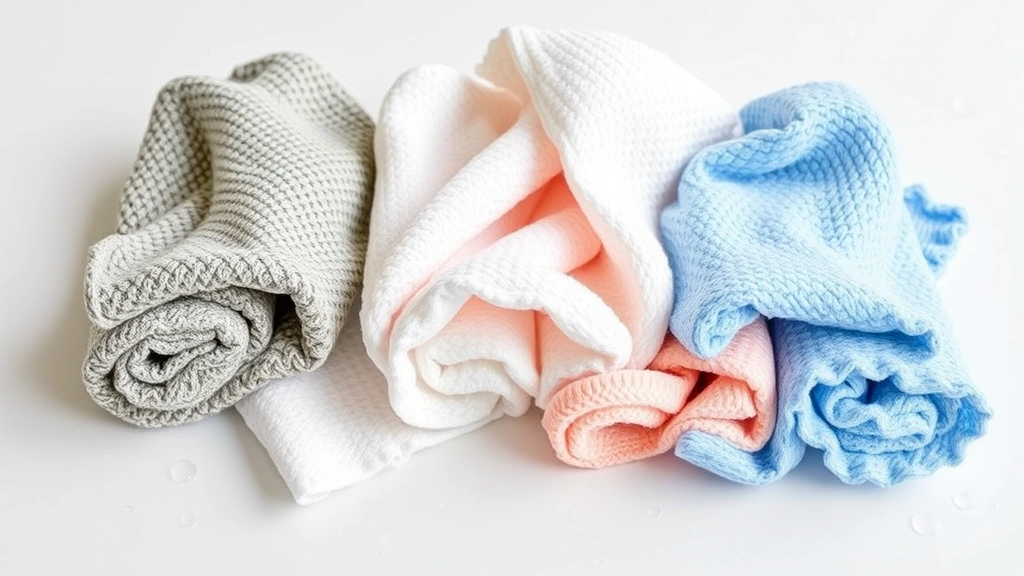
Proper Care and Maintenance
Getting the most from your baby washcloths means caring for them properly. Here’s how to maintain them in excellent condition:
Initial Washing: Always wash new baby washcloths before first use. This removes any manufacturing residue or dust. Use warm water and a gentle, fragrance-free detergent. Consider washing them separately from other items during the first few washes.
Regular Washing: Wash baby washcloths in warm water with a mild detergent designed for sensitive skin. Avoid fabric softeners, bleach, and scented products. These can leave residues that irritate baby skin or reduce the cloth’s absorbency. If you’re also using baby shampoo, use a similarly gentle approach to laundry.
Drying: Air drying is ideal when possible, as it’s gentlest on the fabric. If using a dryer, choose a low heat setting. High heat can damage delicate fibers and reduce softness. Many parents find that air drying outside on a clothesline adds a fresh scent without chemical products.
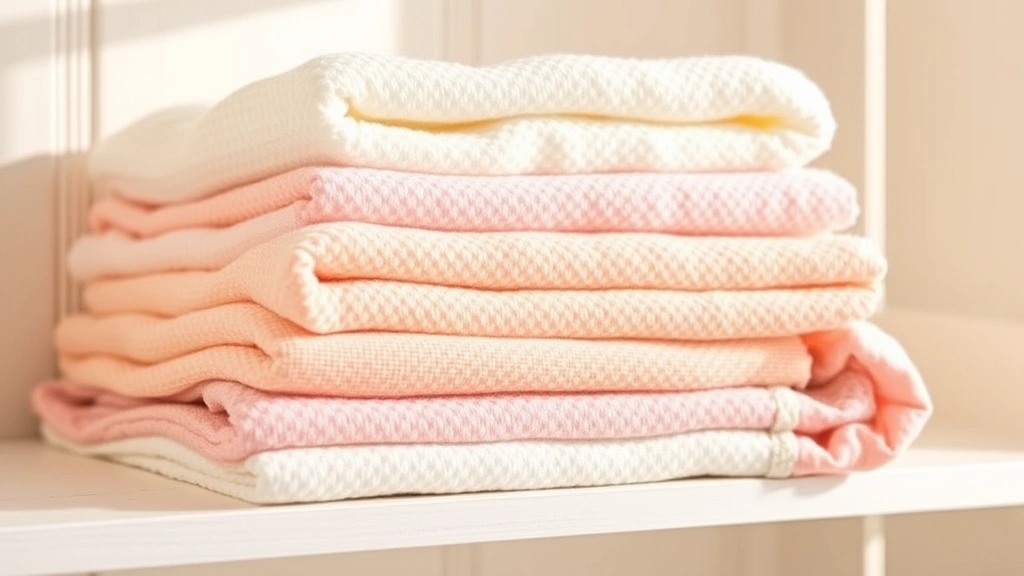
Storage: Store clean washcloths in a dry location away from direct sunlight. Keep them in a drawer or container where they won’t accumulate dust. Some parents keep a small stack in the bathroom and another in the nursery for convenience.
Longevity Tips: To extend the life of your washcloths, avoid washing them with heavy items like jeans or towels that can cause pilling. Don’t overload the washing machine, as this prevents thorough cleaning and rinsing. Check washcloths occasionally for wear and retire any that become rough or damaged.
Practical Usage Tips
Beyond basic washing and drying, here are smart ways to integrate baby washcloths into your daily routine:
Bath Time Strategy: Use one washcloth for washing and another for rinsing. This prevents soap residue from being wiped back onto your baby’s skin. Keep washcloths within arm’s reach during baths to minimize distraction and maintain focus on your baby.
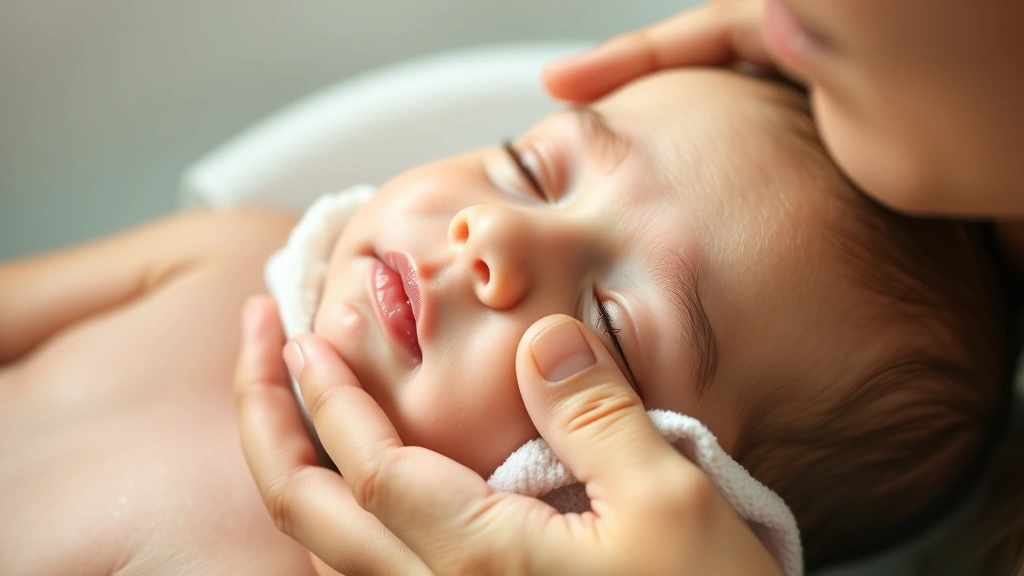
Face Cleaning: Keep a damp washcloth handy for quick face cleanups. After meals, a gentle wipe with a soft washcloth removes food and prevents irritation. This is especially helpful during the messy eating phase when babies start solids.
Sensitive Area Care: When cleaning your baby’s face, eyes, or diaper area, use a clean washcloth for each area to prevent cross-contamination. Some parents use disposable wipes for convenience, but washcloths offer a reusable, gentler alternative for routine cleaning.
Temperature Matters: Always use lukewarm water with baby washcloths, never hot water. Hot water can strip natural oils from your baby’s skin and cause irritation. Lukewarm water is safe and effective for cleaning without risk.
On-the-Go Convenience: Keep a few baby washcloths in your diaper bag for outings. They’re useful for unexpected spills, messy hands, or quick cleanups when you’re away from home. Rolled up, they take minimal space but provide maximum utility.
Pairing with Other Products: Baby washcloths work beautifully alongside other gentle baby care products. When using baby shampoo, a soft washcloth helps distribute the product and makes rinsing easier. For bedtime routines, pair washcloths with calming rituals—many families use a gentle face wash as part of winding down before sleep.
Developmental Play: As your baby grows, washcloths become toys. Babies enjoy the texture, and washcloths are safe for exploration. Some parents even use them during tummy time as part of sensory play. Once your child is older, reading baby books about bath time can make the experience even more engaging.
Frequently Asked Questions
How many baby washcloths do I actually need?
Most parenting experts recommend having 8-12 baby washcloths. This quantity ensures you always have clean ones available while accounting for frequent washing. If you have limited laundry capacity or prefer doing laundry less frequently, having 12-15 is practical.
Can I use regular washcloths for my baby?
While regular washcloths won’t harm your baby, they’re not ideal. Regular washcloths are typically rougher, may contain dyes or treatments that irritate sensitive skin, and are oversized for a baby’s small face. Baby washcloths are specifically designed to be gentle and appropriately sized.
Are organic cotton washcloths worth the extra cost?
For many parents, yes. Organic cotton eliminates exposure to synthetic pesticides and fertilizers, making it a safer choice for sensitive skin. If your baby has eczema or allergies, the investment is particularly worthwhile. However, quality regular cotton washcloths are also acceptable if budget is a concern.
What’s the difference between baby washcloths and regular washcloths?
Baby washcloths are smaller (typically 8×8 or 10×10 inches), made from gentler materials, often hypoallergenic, and constructed with tighter weaves. They’re designed specifically for delicate baby skin, while regular washcloths are larger and made from materials suitable for tougher adult skin.
Can I use baby washcloths for older children?
Absolutely. Baby washcloths remain useful as children grow. They’re perfect for young toddlers and can be used for specific purposes even for older kids. Many families continue using them for years.
How do I prevent baby washcloths from becoming stiff after washing?
Avoid fabric softeners, which can reduce absorbency and irritate skin. Instead, ensure thorough rinsing during the wash cycle. Air drying helps maintain softness better than machine drying. If using a dryer, add a few wool dryer balls to help soften fabrics naturally.
Are bamboo washcloths better than cotton for babies?
Both are excellent choices. Bamboo is silkier and has natural antibacterial properties, making it ideal for very sensitive skin. Cotton is more durable and affordable. According to the American Academy of Pediatrics, both materials are safe for babies when made from quality, unbleached fabrics.
Can I wash baby washcloths with other laundry?
It’s best to wash them separately, especially during the first few washes. Once established, you can wash them with other baby items, but avoid washing with heavily soiled items or rough fabrics. Use a gentle detergent regardless of what else is in the load.
What should I do with worn-out baby washcloths?
Old baby washcloths can be repurposed as cleaning cloths for household tasks, used as rags, or donated to animal shelters. Some parents keep them for their children’s sensory play or use them for messy projects as the child grows.