How to Choose Baby Winter Clothes: Expert Guide
Winter with a newborn or infant can feel like navigating uncharted territory. Your baby can’t tell you if they’re cold, and bundling them up incorrectly could actually create safety risks. The stakes feel higher, the decisions more complex, and the clothing options overwhelming. But here’s the truth: choosing appropriate baby winter clothes doesn’t require a degree in meteorology or parenting expertise. It requires understanding a few core principles and knowing what actually works versus what sounds good in theory.
The challenge isn’t really about fashion or cuteness factor—though those matter too. It’s about balancing warmth, safety, mobility, and practicality. Your baby needs to stay warm without overheating, move comfortably during diaper changes and car seat adjustments, and transition smoothly between different environments throughout the day. Add in the reality of spit-up, diaper blowouts, and the fact that babies go through growth spurts faster than you can organize their drawers, and you’ve got a genuine puzzle to solve.
This guide walks you through everything you need to know about selecting winter clothing for your little one, from layering strategies that actually work to specific pieces that deserve a spot in your rotation.
Understanding the Layering Foundation
Layering isn’t just a buzzword—it’s the foundation of keeping your baby comfortable in winter. The principle is simple: multiple thin layers trap warm air more effectively than one thick layer, plus you can adjust layers as you move between cold outdoor air and heated indoor spaces.
Start with a moisture-wicking base layer directly against your baby’s skin. Merino wool or moisture-wicking synthetic materials work better than cotton, which absorbs sweat and moisture, leaving your baby damp and cold. A simple onesie or long-sleeved bodysuit serves as your first layer. This layer’s job is straightforward: move moisture away from skin.
Your second layer provides insulation. This is where you add warmth without bulk. A fleece-lined bodysuit, a lightweight sweater, or a soft thermal layer works perfectly. This middle layer traps air and creates the insulation your baby needs. The beauty of this approach is that you can easily remove it when you’re indoors or your baby is active and generating heat.
The outer layer protects against wind, moisture, and direct cold exposure. This is where your baby snowsuit or winter jacket comes in. Your outer layer should be windproof and water-resistant without being so heavy that it restricts movement or causes overheating indoors.
Think of layering like building a sandwich: you need the right combination of materials working together, not just stacking everything you own on your baby’s tiny body.
Essential Winter Pieces Every Parent Needs
Rather than buying your baby an entire winter wardrobe, focus on versatile pieces that work in multiple combinations. Quality matters more than quantity when it comes to baby winter clothes.
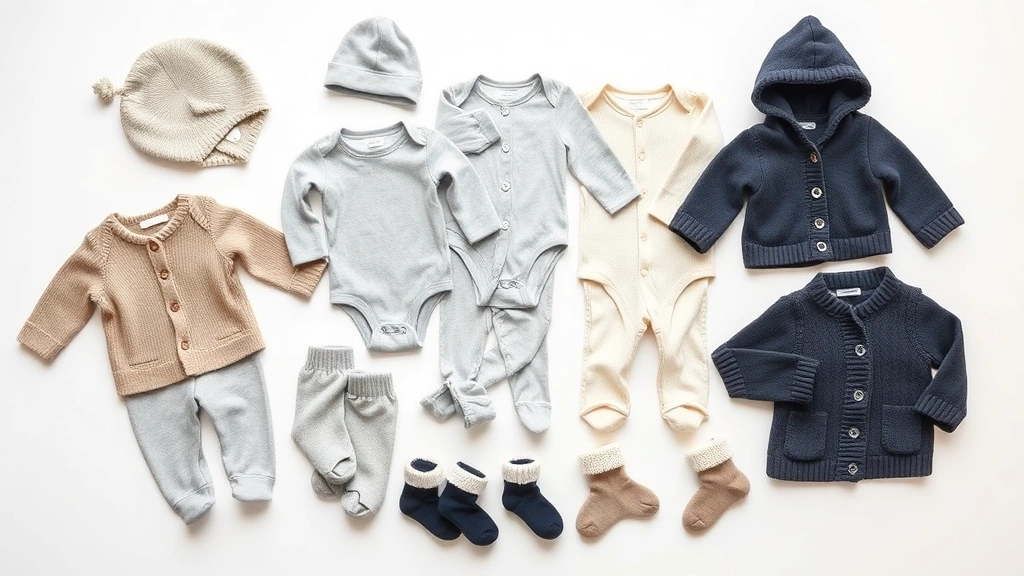
Thermal bodysuits and long-sleeved onesies: These serve as your base layer foundation. Look for options with fold-over mittens to prevent your baby from scratching their face while keeping tiny hands warm. Aim for at least 5-7 in rotation so you have clean options while others are being washed.
Fleece-lined pants and leggings: Babies lose heat quickly through their legs. Fleece-lined leggings or thermal pants provide essential warmth without the bulk of snowpants. They’re perfect for layering under other clothing and work both indoors and outdoors.
Sweaters and cardigans: A few soft sweaters give you flexibility in layering. Cardigans are particularly practical because you can remove them easily without undressing your baby completely. Choose materials like merino wool blends or soft acrylic that won’t irritate sensitive skin.
A quality snowsuit option designed for infants offers all-in-one coverage for serious outdoor time. The best snowsuits have legs that extend over booties and mittens attached to sleeves, eliminating the struggle of keeping accessories on.
Sleep sacks for winter: Never use loose blankets in your baby’s crib, but a sleep sack designed for winter provides safe warmth while sleeping. Look for sleep sacks rated for your home’s typical nighttime temperature.
Choosing Outerwear: Snowsuits and Jackets
Outerwear is where many parents make costly mistakes. They either buy oversized jackets thinking their baby will “grow into them” (which compromises safety and function) or they choose pieces that look adorable but don’t actually keep their baby warm or dry.
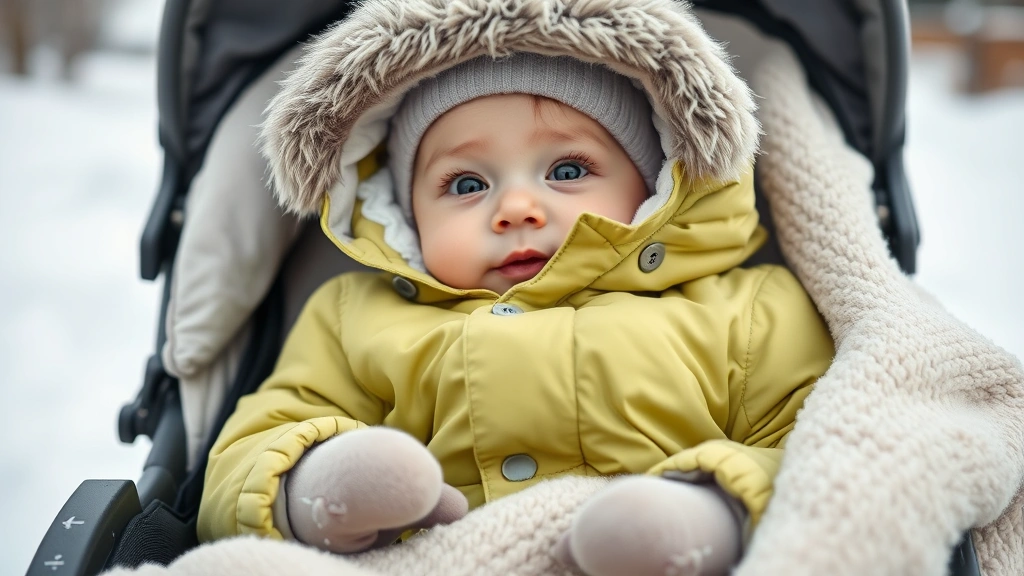
When selecting a snowsuit, prioritize fit over size. Your baby should be able to move their arms and legs freely. If the suit is too large, it creates gaps that let cold air in and makes diaper changes unnecessarily complicated. A proper-fitting snowsuit should allow you to fit one finger between the fabric and your baby’s skin—snug enough to be effective, loose enough for comfort and growth.
Look for snowsuits with these practical features: separating zippers that go all the way down both legs (making diaper changes infinitely easier), reinforced seams, and water-resistant outer material. Avoid suits with snap buttons across the bottom—they’re adorable but frustrating when you need quick access during a diaper emergency.
For babies who don’t spend extended time outdoors, a quality winter jacket paired with warm layers underneath might work better than a full snowsuit. This approach offers more flexibility for the in-and-out transitions that characterize most parents’ days. A good winter jacket should be windproof, water-resistant, and lightweight enough that it doesn’t restrict movement or cause overheating in the car.
Consider your lifestyle when choosing outerwear. If you’re frequently moving between heated buildings and cold outdoor air, lighter jackets with removable layers work better than heavy all-in-one suits. If you live somewhere with extended outdoor play time, a durable snowsuit designed for active movement becomes a worthwhile investment.
Accessories That Actually Matter
Babies lose a disproportionate amount of heat through their heads, hands, and feet. This isn’t just an old wives’ tale—it’s basic biology. Covering these areas becomes non-negotiable for winter comfort and safety.
Hats and beanies: A quality baby hat should cover your baby’s ears completely. Look for hats with soft, stretchy materials that won’t leave marks on their skin or create pressure points. Avoid hats with long ties that could become safety hazards in the car seat. Beanies with fleece lining offer excellent warmth without the fussiness of traditional hats.
Mittens and gloves: Attached mittens on snowsuits and onesies prevent your baby from losing them, which is important because babies lose things at an alarming rate. For times when separate mittens work better, look for pairs with a wrist strap. Mittens keep hands warmer than individual finger gloves for babies, since fingers together generate more collective heat.
Booties and socks: Your baby’s feet are constantly kicking off socks, making this one of parenting’s great unsolved mysteries. Quality baby boots with grips on the bottom serve double duty: keeping feet warm and providing traction if your baby is crawling or learning to walk on slippery surfaces. Wool-blend socks stay in place better than pure cotton and provide superior insulation.
Neck gaiters and scarves: Be cautious with anything around your baby’s neck due to strangulation risks. If you use a neck gaiter, choose one specifically designed for babies with safety closures that release if pulled. Avoid long scarves entirely.
The key to accessories is choosing pieces that stay put. Nothing frustrates a parent faster than constantly retrieving items your baby has ejected into snow drifts.
Material Guide for Winter Comfort
Not all fabrics perform equally in winter. Understanding material properties helps you make smarter purchasing decisions and choose pieces that actually keep your baby comfortable.
Merino wool: This is the gold standard for winter baby clothing. Merino wool is naturally temperature-regulating, meaning it keeps your baby warm in cold weather but won’t overheat them indoors. It’s also naturally moisture-wicking, antimicrobial, and soft enough for sensitive baby skin. Yes, it costs more, but the performance justifies the investment. Look for blends that combine merino with other fibers for durability.
Fleece: Fleece provides excellent insulation and dries quickly if wet. It’s budget-friendly and soft against skin. The downside is that fleece doesn’t regulate temperature as effectively as merino wool, so you need to be more careful about removing it indoors. Choose high-quality fleece that won’t pill after repeated washing.
Thermal and moisture-wicking synthetics: Materials like polyester blends designed for moisture-wicking work well as base layers. They pull sweat away from skin and dry quickly. They’re usually more affordable than merino wool and perform similarly for base layers, though they don’t have merino’s natural antimicrobial properties.
Cotton: While soft and breathable, pure cotton isn’t ideal for winter because it absorbs moisture and doesn’t dry quickly. If your baby gets damp—which happens easily with spit-up, drool, or minor accidents—cotton keeps them wet and cold. Cotton works fine for indoor wear but shouldn’t be your primary winter material.
Avoid: Synthetic materials that don’t breathe can trap heat and moisture, increasing overheating risk. Avoid anything with strong chemical smells, which indicate heavy processing and potential irritants.
Check care labels before purchasing. Winter baby clothes should be machine washable and able to withstand frequent washing without losing shape or function.
Safety Considerations Parents Often Miss
Keeping your baby warm is important, but keeping them safe is paramount. Several safety concerns specific to winter clothing deserve attention.
Overheating risk in car seats: This is the safety issue parents most frequently overlook. A bulky snowsuit or heavy jacket under a car seat harness creates a gap between your baby and the harness, compromising the safety of the seat in an accident. The American Academy of Pediatrics recommends dressing your baby in layers, then placing a blanket over them in the car seat rather than putting them in a bulky coat. Remove the coat before securing them in the seat, then cover them with a blanket once strapped in. This approach provides warmth without safety compromises.
Overheating indoors: Parents sometimes forget to remove layers when moving from cold outdoor air to heated buildings. A baby who’s overdressed indoors can overheat quickly, increasing the risk of heat rash and general discomfort. Develop a habit of removing outer layers as soon as you’re indoors, even if you’re only stopping briefly.
Loose buttons and decorations: Avoid clothing with small buttons, beads, or embellishments that could become choking hazards if they detach. Stick with sturdy construction and minimal decorative elements.
Strangulation hazards: Anything around your baby’s neck—hood strings, scarves, necklaces—poses a strangulation risk. Choose clothing with breakaway closures or avoid neck accessories entirely.
Overheating while sleeping: According to the American Academy of Pediatrics, babies should sleep in a cool room (around 68-72°F) with appropriate sleep clothing but no loose blankets or pillows. Use sleep sacks designed for winter rather than trying to achieve warmth with blankets.
The general rule: if your baby’s neck or back feels hot or sweaty, they’re overdressed. Check frequently, especially during transitions between environments.
Sizing Strategy for Growing Babies
Babies grow at unpredictable rates, making winter clothing purchases particularly challenging. You don’t want to buy too small and have pieces that don’t fit, but oversizing creates functional and safety problems.
Measure for fit, not age: Clothing labeled “3-6 months” might fit your baby at two months or not until eight months. Measure your baby’s length and arm reach, then use those measurements rather than age to select sizes. Most clothing brands provide measurement guides—use them.
Buy for current size: It’s tempting to purchase the next size up thinking your baby will grow into it, but oversized winter clothes compromise functionality. A snowsuit that’s too large won’t keep your baby warm effectively, and loose layers create gaps that let cold air in. Buy for current size with just enough room for a finger’s width of space.
Plan for growth within the season: If you’re shopping in early fall for winter, your baby will likely grow significantly before winter ends. Consider buying a few pieces in the next size up, but only pieces that function fine when oversized—like sweaters or sleep sacks. Avoid oversizing functional pieces like snowsuits or jackets.
Embrace hand-me-downs and resale: Winter clothes are worn for a brief season before babies outgrow them. Buy from resale sites or accept hand-me-downs from friends. This approach saves money and reduces the pressure of getting every size perfect. You’re only using these clothes for 2-3 months anyway.
Quality over quantity: One high-quality snowsuit that fits properly serves your baby better than three oversized ones. Invest in pieces that work well and hold up to repeated washing.
Practical Tips for Real Life
Theory is helpful, but real parenting requires practical strategies that actually work when you’re managing a fussy baby, multiple layers, and the chaos of winter.
Create a winter clothing checklist: Before winter arrives, inventory what you have and identify gaps. Do you have enough thermal bodysuits? Do you need a backup snowsuit? What about multiple hat options? Having a checklist prevents last-minute shopping and ensures you’re prepared.
Organize by temperature: Rather than organizing by clothing type, organize by the temperature range each piece works for. One drawer for “0-20°F outfits,” another for “20-40°F combinations,” and so on. This system makes getting dressed in the morning infinitely faster.
Invest in quality basics: Thermal bodysuits and base layers are worn constantly. Spending more on quality basics that last through multiple babies makes financial sense. Decorative pieces are less critical.
Keep emergency supplies in your car: Maintain an extra hat, mittens, and a lightweight blanket in your car. Babies lose accessories constantly, and having backups prevents scrambling when you can’t find that one essential item.
Wash before wearing: New clothing may contain chemical finishes or residue. Wash everything before your baby wears it, especially items in direct contact with skin.
Check weather before dressing: Rather than dressing your baby heavily every day, check the actual temperature and adjust accordingly. A 25-degree day requires different layering than a 5-degree day. This flexibility prevents overheating and ensures your baby stays comfortable.
Consider your baby’s activity level: A sleeping newborn generates less heat and needs more clothing than a crawling, active baby. Adjust layers based on what your baby will be doing, not just the outdoor temperature.
Develop a diaper-change strategy: Plan how you’ll handle diaper changes before you’re standing in the cold struggling with complicated closures. Snowsuits with separating zippers solve this problem. If your baby wears a regular snowsuit, practice changing diapers at home before attempting it in winter weather.
For baby girl clothes and baby boy clothes in winter, the same principles apply regardless of gender. Focus on function and fit rather than aesthetic preferences.
Frequently Asked Questions
How do I know if my baby is too cold or too warm?
Check your baby’s neck or back—these areas should feel warm but not hot or sweaty. Cold babies may shiver, have blue lips or fingernails, or appear lethargic. Overheated babies may have flushed cheeks, be sweating, or seem irritable. Trust your instincts and adjust layers accordingly.
Can my baby wear a snowsuit in the car seat?
No. According to the National Highway Traffic Safety Administration, bulky clothing under car seat harnesses compromises safety. Dress your baby in layers, remove the outer coat before securing the harness, then cover with a blanket afterward.
What’s the best material for baby winter clothes?
Merino wool blends offer the best performance, but they’re expensive. Quality fleece or moisture-wicking synthetics work well at lower price points. Avoid pure cotton for winter base layers since it absorbs moisture.
How many winter outfits does my baby need?
Plan for 5-7 complete outfits to ensure you have clean options while others are washing. Having variety prevents decision fatigue and ensures you’re prepared for different temperature ranges.
Should I buy winter clothes in larger sizes for growth?
Buy for current size with minimal room for growth. Oversized winter clothes don’t function properly and compromise warmth and safety. Use resale sites or hand-me-downs to manage the cost of frequent size changes.
What should my baby wear to sleep in winter?
Use a sleep sack rated for your room’s temperature rather than blankets. According to Healthy Children, sleep sacks provide safe warmth without strangulation or suffocation risks.
Are expensive winter baby clothes worth the investment?
Quality matters more for frequently-worn items like thermal bodysuits and base layers. Decorative pieces are less critical. One well-made snowsuit that fits properly serves better than multiple cheaper options that don’t work as well.
How do I prevent my baby from losing mittens and hats?
Choose mittens and hats with attachment points or built-in connections to clothing. Mittens attached to snowsuit sleeves and hats with chin straps stay on better than loose accessories.