Best Baby Winter Clothes: A Parent’s Guide to Keeping Your Little One Cozy and Safe
Winter arrives with its own set of parenting challenges, and dressing your baby for cold weather ranks high on the stress meter. Too many layers and your baby overheats; too few and you’re watching the thermometer like a hawk, worried they’re uncomfortable. The truth? There’s a genuine art to layering tiny humans for winter, and it doesn’t require an expensive wardrobe or complicated systems.
The key difference between winter dressing for babies and adults comes down to their inability to regulate body temperature as efficiently. Newborns and infants lack the physiological mechanisms adults have, which means you become their temperature control system. This guide walks you through the essentials without the overwhelming jargon, focusing on practical choices that actually work in real life.
Whether you’re navigating your first winter with a newborn or preparing for your third, understanding fabrics, layering strategies, and what actually matters versus what’s marketing fluff will make the season infinitely easier.
Layering Basics: The Foundation of Winter Dressing
Forget everything you think you know about bundling babies. The layering approach isn’t about piling on clothes until your baby resembles a marshmallow. Instead, it’s about strategic pieces that work together to trap warmth while allowing flexibility.
The standard recommendation from pediatric experts involves three layers: a moisture-wicking base layer, an insulating middle layer, and a protective outer layer. Think of it like this—the base layer keeps sweat away from skin (moisture is the enemy of warmth), the middle layer traps air for insulation, and the outer layer blocks wind and precipitation.
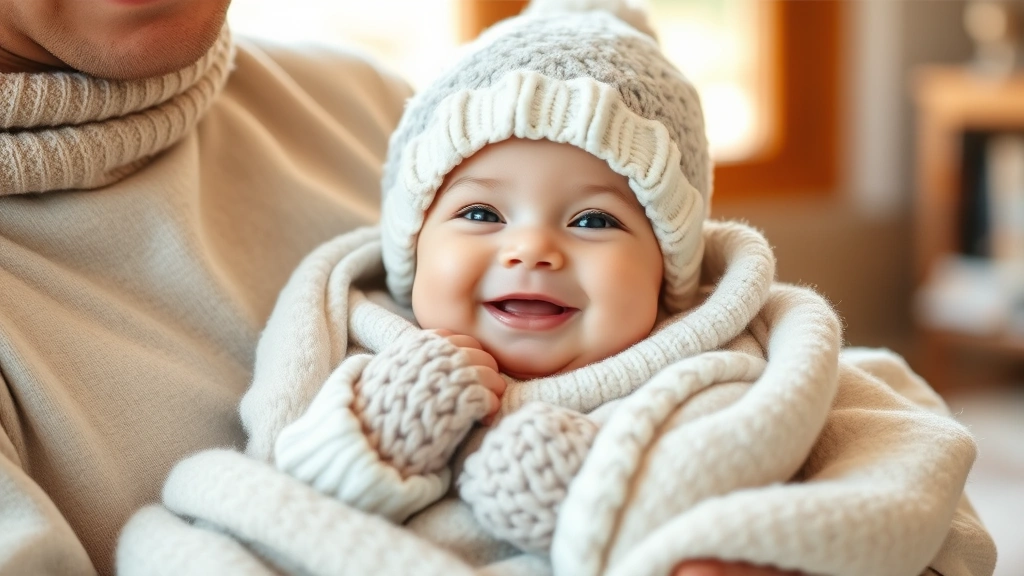
Start with a fitted long-sleeve onesie or bodysuit as your base. This layer should feel snug but not restrictive. Cotton blends work here, though merino wool has gained popularity among parents who swear by its temperature-regulating properties. The middle layer might be a fleece jacket or sweater—something with enough bulk to create air pockets but not so heavy that movement becomes impossible. Your outer layer is where that baby snowsuit comes into play, or a sturdy winter coat designed for the season.
The real trick? You’re adjusting layers based on activity and location, not just temperature. A baby in a stroller moving through cold air needs different coverage than a baby actively playing indoors who’ll overheat in the same outfit.
The American Academy of Pediatrics suggests checking your baby’s neck and back regularly to gauge if they’re too warm or too cold. If the back of the neck feels sweaty, you’ve overdressed. If it feels cool, add another layer.
Essential Winter Pieces Every Parent Needs
Before you go shopping, know what actually deserves real estate in your closet. Some pieces are non-negotiable; others are nice-to-haves that marketing departments have convinced us we can’t live without.
The Winter Coat or Snowsuit: This is your anchor piece. Whether you choose a baby snowsuit that covers everything or separate jacket and snow pants, this piece should be water-resistant, wind-resistant, and appropriately insulated for your climate. Avoid anything too bulky that prevents proper car seat installation—this is a critical safety factor many parents overlook.
Warm Layers for Underneath: Fleece-lined leggings, thermal long-sleeve shirts, and sweaters form the backbone of your winter rotation. You’ll reach for these daily, so invest in quality pieces that withstand frequent washing. Merino wool blends offer superior temperature regulation compared to synthetic options.
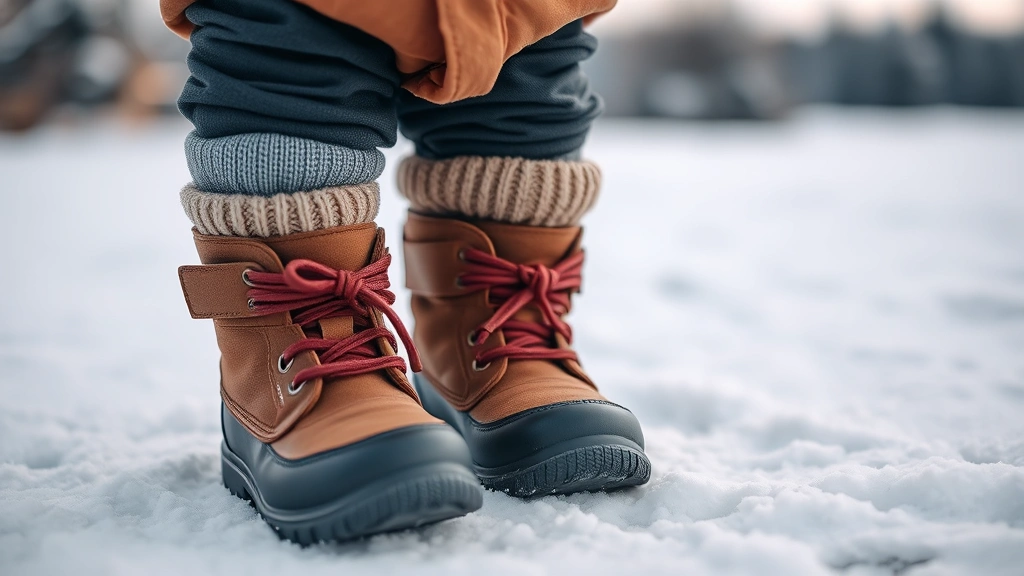
Extremity Protection: Baby boots with grip soles, waterproof mittens, and a quality baby hat are non-negotiable. Babies lose significant heat through their heads and extremities. Mittens work better than gloves for younger babies since dexterity isn’t yet a factor, and they’re easier to keep on.
Socks and Base Layers: Merino wool or thermal socks prevent moisture buildup better than cotton. Keep several pairs on rotation since wet socks are essentially useless for warmth.
Nice-to-haves that might make your life easier: a cozy sleep sack rated for cold weather for indoor naps, a fleece-lined stroller cover for outdoor time, and thermal pajamas for nighttime. Speaking of which, baby Christmas pajamas often come in warmer materials perfect for winter sleeping.
Why Fabric Choice Matters More Than You Think
This is where the actual science meets parenting practice. Not all fabrics perform equally in winter conditions, and choosing the right ones makes a tangible difference in your baby’s comfort.
Merino Wool: Don’t dismiss this because you picture itchy sweaters from your childhood. Modern merino wool for babies is soft and temperature-regulating. It wicks moisture, resists odor, and maintains warmth even when damp. It’s pricier but genuinely worth it for base layers and socks.
Fleece: Polyester fleece is affordable, durable, and excellent for middle layers. It dries quickly and provides solid insulation. The downside? It doesn’t breathe as well as natural fibers, so it works best as a middle layer rather than a base.
Cotton Blends: Pure cotton retains moisture, which defeats your warming purpose. Cotton blends that incorporate synthetic fibers perform better. These work fine for indoor wear but aren’t ideal for outdoor winter gear.
Synthetic Insulation: Modern synthetic insulators like polyester fiberfill and down alternatives perform remarkably well. They’re lighter than down, often less allergenic, and maintain insulation when wet—a genuine advantage in winter conditions.
Down and Down Alternatives: Both provide excellent warmth-to-weight ratios. Down clusters trap air effectively, but down alternative has become equally competent while being hypoallergenic and often more affordable.
The hierarchy for winter dressing: merino wool or synthetic blend base layer, fleece or wool middle layer, and a water-resistant outer shell with appropriate insulation. This combination handles most winter scenarios from chilly fall days to serious snow.
Indoor vs. Outdoor Dressing Strategies
Here’s where many parents get tripped up: the same outfit that’s perfect for a ten-minute walk to the store becomes dangerously warm when you’re inside a heated building. Your baby can’t tell you they’re uncomfortable, so you need a system.
Outdoor Dressing: Layer up with the expectation that your baby isn’t moving much, especially if they’re in a stroller. Add that outer shell, the hat, the mittens, the works. Babies in carriers might generate more body heat, so you can be slightly less aggressive with layers.
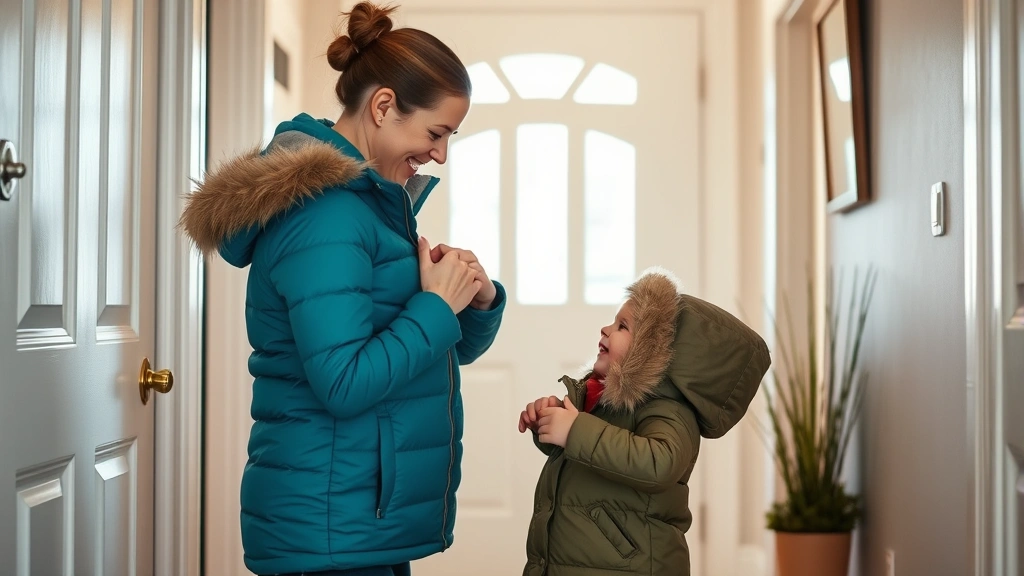
Transitional Spaces: Cars warm up quickly. Before you buckle your baby into the car seat, remove the outer coat and one layer. Bulky coats under car seat harnesses create dangerous gaps that compromise safety. The National Highway Traffic Safety Administration recommends buckling the harness snugly over thin clothing, then placing a blanket over top.
Indoor Spaces: Stores and homes maintain temperatures that would make an adult comfortable in a t-shirt. Your bundled baby is now overheating. Peel off the outer layer immediately. If you’re staying inside for more than a few minutes, consider removing the hat and one more layer. Your baby in a thin long-sleeve shirt and lightweight pants will be perfectly comfortable indoors.
The Stroller Cover Debate: Stroller covers create a microclimate that can overheat babies. Use them for wind and precipitation protection, but leave them open enough for air circulation. A better approach? Layer your baby appropriately and use the cover as a windbreak rather than an insulating cocoon.
Safety Considerations in Winter Gear
Winter dressing involves genuine safety considerations beyond simple comfort. These aren’t paranoid parent concerns—they’re legitimate issues that pediatricians emphasize.
Car Seat Safety: Bulky winter coats compromise car seat safety by creating gaps between your baby and the harness. In a sudden stop, your baby could slide through these gaps. The solution: dress your baby in thin layers, secure the harness snugly, then place a blanket or coat over top once they’re buckled.
Overheating: Babies can’t communicate overheating effectively. Overheated babies become fussy, develop heat rash, and are at increased risk for sudden infant death syndrome (SIDS) when sleeping. Check the back of your baby’s neck frequently—if it’s sweaty, you’ve overdressed.
Extremity Monitoring: Mittens and boots prevent you from seeing your baby’s hands and feet, making it harder to spot frostbite or excessive coldness. Remove mittens periodically to check fingers. If fingers look pale or waxy, get inside immediately.
Choking Hazards: Loose buttons, decorative elements, and poorly attached zippers become hazards. Check winter clothing regularly for wear and damage. Mittens and hats should have secure attachments that won’t come loose.
Proper Fit: Oversized clothing creates gaps where cold air circulates, defeating the purpose of layering. Clothes should fit snugly but allow full range of motion. Your baby needs to be able to move their arms and legs freely.
The CDC recommends keeping winter outings brief for babies under three months, as their temperature regulation is still developing.
Budget-Friendly Approaches to Winter Dressing
Quality winter clothing for babies doesn’t require a luxury budget, though you’ll see plenty of expensive options marketed as essential. Here’s how to dress your baby well without financial stress.
Strategic Investment: Spend money on pieces you’ll use constantly: base layers, fleece jackets, and quality boots. Skip expensive branded snowsuits if a department store option covers the same function. Your baby will outgrow it in months anyway.
Gender-Neutral Choices: Winter clothes are practical, not fashion statements. Neutral colors and styles mean you can pass them to younger siblings or cousins. Avoid heavily gendered pieces unless you specifically want them. Baby girl clothes and baby boy clothes serve the same function—don’t overpay for gendered marketing.
Hand-Me-Downs: Winter clothes aren’t worn long enough to show significant wear. Accept hand-me-downs enthusiastically. Your friend’s barely-worn snowsuit from last year works perfectly for your baby this year.
Off-Season Shopping: Buy winter clothes in January and February when stores clear inventory. Next winter’s wardrobe costs significantly less when purchased out of season.
Mix and Match Strategy: Buy basics in neutral colors so pieces coordinate easily. A black fleece jacket works with multiple pants options. Neutral mittens and hats work with everything. This approach lets you create variety without duplicating pieces.
Quality Over Quantity: Three well-made sweaters outlast six cheap ones. Invest in durable seams, quality zippers, and fabrics that withstand frequent washing. One quality baby snowsuit is more practical than three cheap alternatives that fall apart mid-season.
Frequently Asked Questions
How Do I Know If My Baby Is Cold?
Check the back of your baby’s neck and their core temperature. A cold baby has cool (not cold) skin on the extremities, might be fussy or sleepy, and shows reduced activity. However, a truly dangerously cold baby becomes lethargic and unresponsive—if you suspect this, seek medical attention immediately. The neck check is your best indicator: cool neck means add layers, warm neck means you’re appropriately dressed.
Can Babies Wear Winter Coats to Sleep?
No. Remove all winter gear before sleep, including baby hats. Use a sleep sack instead if you need extra warmth. Bulky clothing and hats increase SIDS risk. Dress your baby in appropriate pajamas or a sleep sack rated for your room temperature.
What’s the Ideal Winter Room Temperature for Sleeping?
Most pediatricians recommend 68-72°F for sleeping. Parents Magazine and sleep experts suggest this range maintains safe conditions while minimizing overheating risk. Dress your baby in a sleep sack appropriate for that temperature rather than piling on blankets.
Should I Buy Winter Clothes in the Next Size Up?
Avoid this temptation. Oversized clothing creates gaps that cold air infiltrates, defeating your layering strategy. Buy for current size. If your baby is on the edge between sizes, choose the current size—you’ll likely outgrow it before winter ends anyway.
Are Expensive Baby Winter Brands Worth It?
Not necessarily. Expensive brands offer better marketing than better function. A thirty-dollar snowsuit from a department store performs identically to a one-hundred-dollar designer version if both are appropriately insulated and water-resistant. Save money on winter gear and invest in things that genuinely matter long-term.
How Often Should I Wash Winter Clothes?
Wash outer layers monthly or when visibly soiled. Base layers and undershirts wash with regular laundry. Mittens and baby boots wash as needed. Most winter pieces withstand frequent washing—use gentle detergent to preserve fabric integrity.
What If My Baby Hates Wearing a Hat?
This is incredibly common. Babies have sensory preferences, and hats feel unusual. Try different styles—some babies tolerate brimmed hats better than pull-on styles. Practice wearing it indoors for short periods before outdoor exposure. If your baby absolutely refuses and you’re only going outside briefly, prioritize other layers and limit outdoor time. For extended outdoor time, persistence usually wins—most babies adjust within a few exposures.