How to Use a Baby Wrap Carrier: Expert Guide
There’s a peculiar magic that happens when you wrap your baby close to your chest—suddenly, you’re hands-free, your baby is content, and you can actually accomplish things like drinking coffee while it’s still hot. A baby wrap carrier isn’t just a trendy accessory; it’s a legitimate game-changer for parents navigating the early months of parenthood. Whether you’re a first-time parent or adding another little one to your crew, mastering the art of wrap carrying can transform how you move through your day.
The beauty of a baby wrap carrier lies in its versatility. Unlike structured carriers, wraps conform to your body and your baby’s needs, providing a snug, womb-like environment that soothes even the fussiest infants. But let’s be honest—the first time you look at a baby wrap, it can feel like someone handed you a mysterious piece of fabric and said, “Good luck.” We’re here to demystify the process and show you that using a baby wrap carrier is far simpler than it appears.
This guide walks you through everything from selecting the right wrap to mastering various carrying positions. We’ll cover safety considerations, troubleshooting common issues, and practical tips that make wrap carrying feel natural rather than like an elaborate origami project.
Understanding Baby Wrap Carriers
A baby wrap carrier is essentially a long piece of fabric—typically 5 to 6 yards—that you tie around your body to create a secure pouch for carrying your baby. Unlike structured carriers that require buckles and adjustments for each wear, wraps are pre-tied and stay in position, making them incredibly efficient once you’ve mastered the initial setup.
The concept isn’t new. Parents across cultures have used fabric wrapping methods for centuries, and modern baby wraps are simply refined versions of this ancient practice. The psychological benefits are remarkable: babies benefit from the closeness and movement, while parents gain the freedom to move around while keeping their hands free. This is particularly valuable during those early months when your baby might refuse to be put down for more than thirty seconds.
What sets wrap carriers apart from other baby-carrying solutions is the distribution of weight. Because the fabric spreads across your entire torso, the load feels lighter and more balanced than concentrated pressure from traditional carriers. Many parents find they can wear a wrap carrier for extended periods without the shoulder and back strain that sometimes accompanies other carrier types.
Research from the American Academy of Pediatrics indicates that babywearing promotes bonding and can help regulate infant stress levels. The close contact facilitates skin-to-skin connection, which supports healthy development and can even help regulate your baby’s temperature and heart rate.
Types of Baby Wraps
Not all baby wraps are created equal, and understanding the differences helps you choose what works best for your lifestyle and preferences.
Stretchy Wraps: These are typically made from cotton or cotton-blend fabric that has some elasticity. You pre-tie a stretchy wrap once, and it stays in that configuration, making it incredibly convenient for frequent use. They’re ideal for newborns and babies up to about 25-35 pounds, depending on the wrap’s construction. The snug, cocoon-like fit is perfect for soothing fussy babies.
Woven Wraps: Made from tightly woven fabric without stretch, these wraps offer more structure and longevity. You can use them from newborn through toddlerhood, and they’re often considered more durable long-term investments. Woven wraps require retying for each use, which takes more time initially but provides flexibility in positioning.
Ring Slings: These are shorter wraps with two metal rings sewn into one end. You thread the fabric through the rings to adjust the fit. Ring slings are excellent for quick trips and offer easy adjustment, though they concentrate weight on one shoulder.
Hybrid Carriers: These combine elements of wraps and structured carriers, offering some of the wrap’s comfort with easier on-and-off functionality. Options like the Ergo Baby Carrier have become incredibly popular for their versatility and ergonomic design.
Choosing Your First Baby Wrap Carrier
Selecting your first baby wrap carrier can feel overwhelming with so many options available. Start by considering your lifestyle and how frequently you’ll use the wrap.
If you’re constantly on the go and value convenience, a stretchy wrap might be your best friend. They’re typically more affordable than woven wraps and perfect for newborns. If you’re planning to use the carrier for years as your family grows, investing in a quality woven wrap might make sense despite the higher upfront cost.
Consider also whether you prefer pre-tied convenience or the flexibility of retying. Some parents love the ritual of wrapping; others find it tedious when they’re juggling a fussy baby and a diaper bag.
Size matters too. Most wraps come in sizes based on your size and how you want to wear them. If you’re between sizes, many manufacturers provide guidance on which size works better for your body type.
Think about whether you want a wrap that doubles as a nursing cover or doubles as a blanket. Some parents appreciate multi-functional gear, especially when building their baby registry must haves. Others prefer dedicated tools for each purpose.
Don’t overlook aesthetics. You’ll be wearing this carrier frequently, and if you love how it looks, you’re more likely to use it. Many modern wraps come in beautiful colors and patterns that feel less “baby gear” and more like an extension of your personal style.

Step-by-Step Wrapping Instructions
Let’s walk through the most common wrapping method: the pre-tie technique for stretchy wraps. This is the method most beginners find approachable.
Step 1: Gather Your Materials
You’ll need your wrap and ideally a mirror or a partner who can help you verify the positioning. Some parents practice with a doll first, which honestly feels silly until it saves you from doing this wrong with an actual baby who’s screaming.
Step 2: Position the Wrap
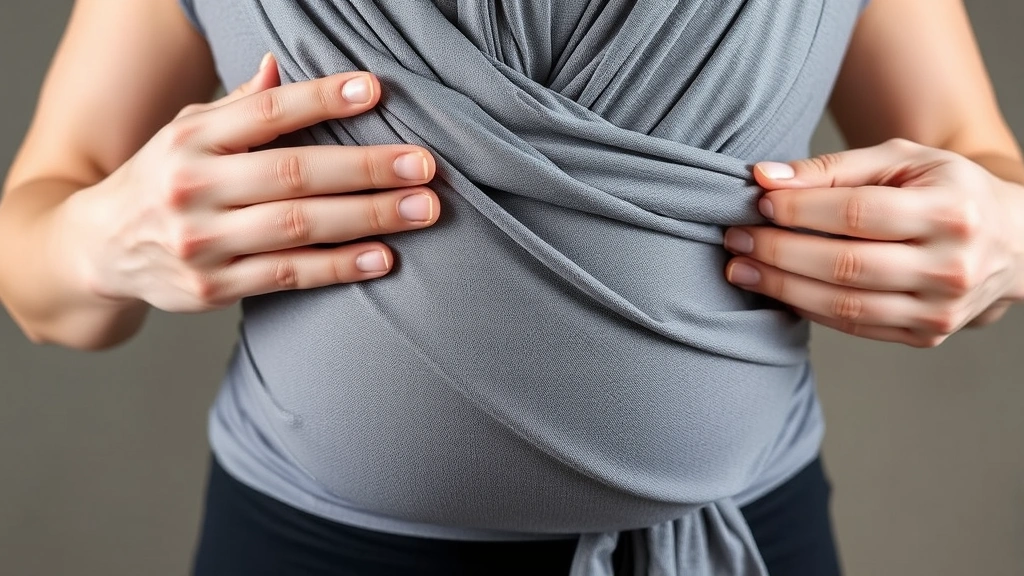
Hold the wrap at one end. Find the center of the wrap by holding it in the middle. Place the center point at your sternum, right between your breasts if applicable, or at your chest center if you don’t have breasts.
Step 3: Create the First X
Take one end of the wrap and bring it up and over your right shoulder. Take the other end and bring it up and over your left shoulder. The wrap should form an X across your back. This is where many beginners second-guess themselves, but trust the process.
Step 4: Secure Under Your Arms
Bring both ends of the wrap under your arms and cross them in front of your torso. This creates the pocket where your baby will sit. The wrap should feel snug but not restrictive—you should be able to fit two fingers under the fabric at your chest.
Step 5: Tie at Your Back
Bring both ends around to your back and tie them securely. A square knot works best. Make sure the knot is tight enough that the wrap doesn’t shift when you move, but not so tight that you can’t breathe.
Step 6: Adjust and Verify
Once the wrap is tied, adjust the fabric so it’s even across your torso. The wrap should be snug enough that there’s no slack but not cutting off circulation. Take a moment to check that the pocket—the area where your baby will sit—is properly formed and secure.
Step 7: Position Your Baby
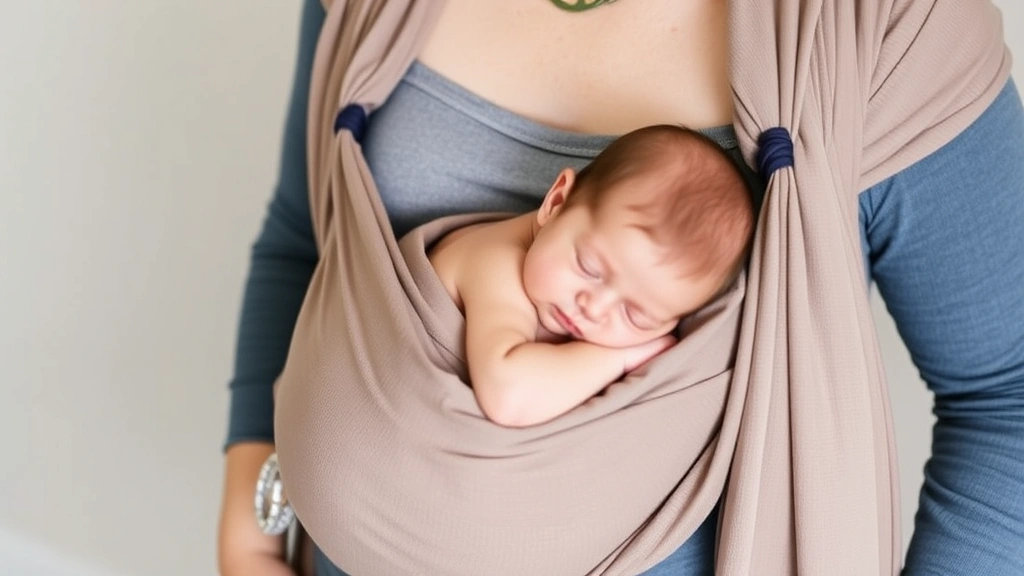
Now comes the fun part. Gently place your baby in the pocket, supporting their head and neck. Their bottom should rest in the lower part of the pocket, and their face should be visible and kissable close to yours. Their chin should be off their chest, and you should be able to see their face without lifting the wrap.
Step 8: Secure the Wrap Around Your Baby
Once your baby is positioned, bring the wrap edges up and around them, securing it under their bottom and across their back. This creates a cozy bundle that keeps them safe and secure.
For woven wraps and more advanced techniques, you’ll find that CDC resources on infant safety provide important guidelines, and many babywearing organizations offer video tutorials that are invaluable for visual learners.
Essential Safety Considerations
Safety is paramount when babywearing, and understanding best practices ensures your baby remains secure and healthy.
Airway Clearance: The most critical safety rule is that your baby’s airway must always be clear. Their chin should be off their chest, their nose and mouth should be visible, and they should never be covered by fabric that restricts breathing. Check regularly that the wrap isn’t pressing against your baby’s face.
Proper Hip Support: Your baby’s legs should be in an “M” position with knees higher than their bottom. This ergonomic position is not just comfortable; it’s essential for healthy hip development. Avoid wraps that leave your baby’s legs dangling straight down.
Head and Neck Support: Newborns and young infants need adequate support for their head and neck. The wrap should hold their head securely without requiring you to support it with your hand constantly. As your baby grows stronger, they’ll need less support, but proper wrapping should always provide it.
Temperature Regulation: Babywearing creates extra warmth for your baby. Monitor for signs of overheating like excessive sweating, flushed skin, or rapid breathing. In warm weather, consider wearing lighter clothing and checking your baby frequently. Never wrap a baby in heavy blankets while in a carrier.
Regular Checks: Make a habit of checking your baby’s position every few minutes, especially when you’re moving around. Ensure the wrap hasn’t shifted, your baby is still in the proper position, and their airway remains clear.
Age and Weight Considerations: Follow the manufacturer’s guidelines regarding minimum and maximum ages and weights. While many wraps accommodate newborns through toddlerhood, some have specific requirements. Stretchy wraps typically work best for babies up to about 35 pounds, while woven wraps often support older toddlers.
The American Academy of Pediatrics provides detailed guidance on safe babywearing practices, emphasizing the importance of maintaining clear airways and proper positioning.
Popular Carrying Positions
Once you’ve mastered the basic wrap, you can explore different carrying positions that offer variety and address different situations.
Newborn Carry (Tummy-to-Tummy): This is the most common position for newborns and young infants. Your baby faces you, snuggled against your chest. This position is ideal for frequent feeds, comfort, and bonding. It’s also the safest for very young babies because you can easily monitor their breathing and positioning.
Hip Carry: As your baby grows stronger, you can shift them to your hip, with one leg on each side of your torso. This position frees up more of your torso and is great for older babies who want to see the world. It’s also practical for parents managing multiple children.
Back Carry: Once your baby has good head control, typically around 4-6 months, you can try back carrying. Your baby sits on your back, facing away from you. This position is excellent for giving your baby a view of the world while freeing your front for other tasks. However, it requires more careful positioning to ensure safety.
Side Carry: Similar to the hip carry but with your baby positioned slightly more toward your side. This is comfortable for many parents and babies and offers a nice middle ground between front and back carrying.
Different Baby Bjorn Carrier styles and wrap types facilitate different positions. Stretchy wraps are most versatile for newborn carries, while woven wraps offer more flexibility for various positions as your baby grows.
Maintenance and Care
Proper care extends your wrap’s lifespan and keeps it clean and safe for your baby.
Regular Cleaning: Most wraps are machine washable. Check the manufacturer’s instructions, but generally, you can wash your wrap on a gentle cycle with mild detergent. Avoid bleach and fabric softeners, which can damage the fabric or reduce its grip.
Drying: Air drying is best for most wraps. Hang them to dry completely before storing. Machine drying can damage elastic in stretchy wraps and may cause shrinkage in woven wraps.
Storage: Store your wrap in a clean, dry place. Some parents keep their pre-tied wraps on a hanger for easy access. Others fold them and store them in a designated basket. The key is keeping them accessible so you’ll actually use them.
Inspection: Before each use, give your wrap a quick visual inspection. Look for tears, loose threads, or areas where the fabric has worn thin. Address small issues before they become big problems.
Rotation: If you use your wrap frequently, consider having multiple wraps so you can rotate them. This extends the lifespan of each wrap and ensures you always have a clean one available.
Whether you’re shopping for baby shower gift ideas or building your own collection, quality wraps are worth the investment when properly maintained.
For new parents navigating the early months, babywearing can be transformative. Essential tips for new dads often include learning to use a baby wrap, as it’s one of the most practical and bonding-focused tools available to modern parents.
Frequently Asked Questions
How long can I safely wear my baby in a wrap carrier?
Most parents can comfortably wear their babies in a wrap for 1-2 hours at a time. However, this varies based on your fitness level, the wrap’s weight distribution, and your baby’s comfort. Pay attention to your body’s signals. If your shoulders or back start aching, it’s time for a break. Remember that your baby might need feeding or a diaper change regardless of how comfortable the wrap feels to you.
Can I nurse while babywearing in a wrap?
Yes, one of the major advantages of wrap carriers is nursing accessibility. Once you’re comfortable with your wrap, you can discreetly nurse your baby without removing them entirely. Adjust the wrap to expose your breast while keeping your baby secure. This takes practice, so don’t be discouraged if it feels awkward initially. Many parents find this functionality invaluable, especially in public or when managing other children.
At what age can I start using a baby wrap?
Most wrap carriers are safe from birth, but some have minimum weight requirements. Stretchy wraps typically work well for newborns and young infants. Always check the manufacturer’s specifications. Newborns have less head control, so ensure your wrap provides adequate support for their neck and head.
Is babywearing safe for babies with reflux or colic?
For many babies with reflux or colic, babywearing can actually help. The upright position can ease reflux symptoms, and the motion and closeness often soothe colicky babies. However, every baby is different. If your baby has diagnosed reflux or severe colic, consult with your pediatrician about the best positioning. Some babies feel better in a slightly reclined position rather than fully upright.
Can I use a wrap carrier in the summer heat?
Yes, but with caution. In warm weather, wear light clothing and consider lightweight wrap materials. Check your baby frequently for signs of overheating. Some parents prefer babywearing indoors or in air-conditioned spaces during peak summer heat and use strollers for outdoor activities. You can also use your wrap as a nursing cover or light blanket when needed, making it functional even when not actively wearing your baby.
What’s the difference between a stretchy wrap and a woven wrap?
Stretchy wraps have elasticity and are typically pre-tied and kept in position throughout the day. They’re convenient and great for frequent use with young babies. Woven wraps have no stretch and require retying for each use, but they last longer as your baby grows and offer more positioning flexibility. Stretchy wraps are generally more affordable initially, while woven wraps represent a longer-term investment.
How do I know if my wrap is tied correctly?
A correctly tied wrap should feel snug but not restrictive. You should be able to fit two fingers under the fabric at your chest. The pocket where your baby sits should be well-defined and secure, with no loose fabric. Your baby should feel stable and secure, not shifting or moving around. If something feels off, it’s worth taking the time to retie it. Safety is more important than speed.
Can both parents use the same wrap carrier?
Absolutely. One of the great advantages of wrap carriers is that they can accommodate different body sizes. If you and your partner are significantly different sizes, you might find it easier to each have your own pre-tied wrap set to your individual dimensions. However, many couples successfully share one wrap, retying it as needed for each person.