What Is Baby’s Breath Flower? Expert Guide for Parents and Event Planners
If you’ve ever walked into a flower shop or attended a wedding, you’ve likely encountered baby’s breath flowers. These delicate, cloud-like blooms have become a staple in floral arrangements worldwide, and for good reason. But beyond their aesthetic appeal, there’s a fascinating story behind this humble flower that deserves exploration, especially for parents planning special celebrations or simply curious about the botanical world.
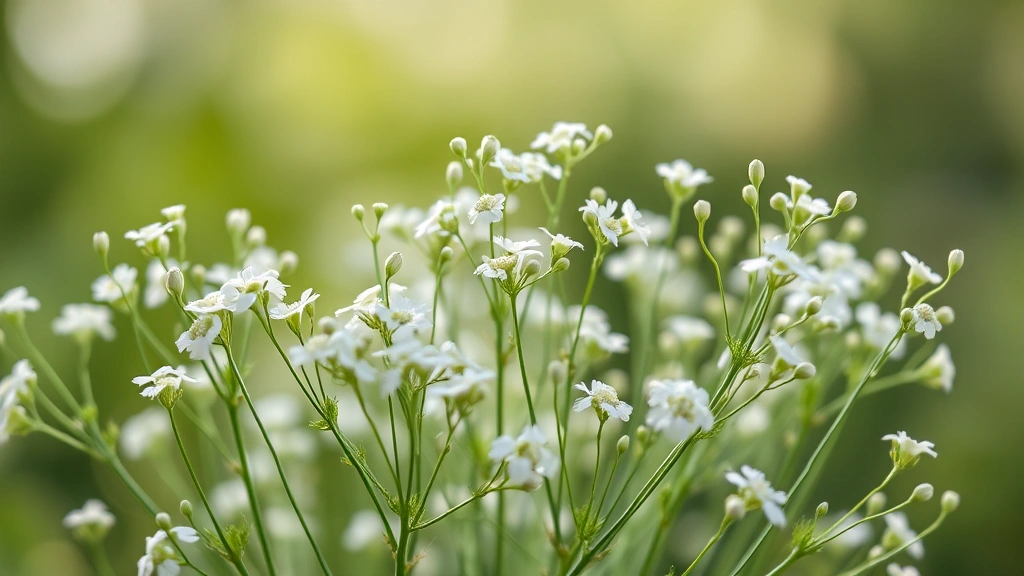
Baby’s breath, scientifically known as Gypsophila, has earned its charming common name from its airy, feathery appearance that resembles tiny clouds. The flower’s popularity isn’t just about looks—it’s deeply rooted in symbolism, practicality, and cultural significance. Whether you’re designing baby shower decorations or simply want to understand this ubiquitous bloom better, this comprehensive guide will walk you through everything you need to know.
The flower’s versatility makes it a favorite among florists and event planners alike. Its long vase life, affordability, and ability to complement virtually any color palette have secured its place as a go-to choice for celebrations ranging from intimate family gatherings to elaborate weddings. For parents planning memorable events, understanding baby’s breath can elevate your decorating game significantly.
Origin and History
Baby’s breath originates from Eastern Europe, Central Asia, and the Mediterranean region, where it grows naturally in rocky, mountainous terrain. The flower’s journey to becoming a floral staple is relatively recent in botanical history. For centuries, the plant remained largely unknown outside its native regions, used primarily in folk medicine and local arrangements.
The turning point came in the early 20th century when florists discovered baby’s breath’s remarkable ability to extend the longevity of cut flower arrangements. Its introduction to the commercial floral industry revolutionized how bouquets were created and displayed. What was once considered a humble wildflower transformed into a luxury item that graced the most prestigious events.
The flower gained particular prominence during the Victorian era, when flower language became an elaborate social code. Baby’s breath fit perfectly into this romantic tradition, becoming synonymous with everlasting love and purity. This cultural association has persisted through modern times, making it an automatic choice for weddings, anniversaries, and yes, baby showers.
Interestingly, the commercialization of baby’s breath has raised environmental concerns in recent years. Large-scale cultivation, particularly in Colombia and Ecuador, has made the flower affordable and accessible but has also sparked discussions about sustainable floristry practices. For environmentally conscious families, understanding these implications matters when planning events.
Botanical Facts and Characteristics
Baby’s breath belongs to the Caryophyllaceae family, commonly known as the carnation family. This classification explains some of its hardiness and longevity characteristics. The plant typically grows between 12 to 24 inches tall, with thin, wiry stems that branch extensively into delicate, feathery foliage.
The flowers themselves are remarkably small, usually measuring just 2 to 4 millimeters in diameter. What makes them visually striking is their sheer abundance—a single stem can produce hundreds of tiny blooms, creating that distinctive cloud-like appearance. Each flower contains five petals that range in color from pure white to soft pink, and occasionally deeper pink or lavender hues.
One of baby’s breath’s most impressive qualities is its longevity. Once cut, these flowers can remain fresh for two to three weeks in a vase, far outlasting many other cut flowers. This extended vase life makes them economical for event planning and ideal for families who want their floral arrangements to last through multiple celebrations or gatherings.
The plant thrives in well-drained soil and prefers sunny locations. Interestingly, baby’s breath is quite drought-tolerant once established, making it a relatively low-maintenance option for home gardeners. However, commercial growers often cultivate the flower in controlled greenhouse environments to ensure consistent quality and availability year-round.

Symbolism and Meaning
In the language of flowers, baby’s breath carries profound meaning that resonates with many life moments. Primarily, it symbolizes everlasting love, purity, and innocence—qualities that make it particularly fitting for baby showers and christenings. The flower’s delicate nature also represents grace and elegance, which explains its prevalence in sophisticated wedding arrangements.
Beyond romantic occasions, baby’s breath has come to represent gratitude and appreciation. Many cultures gift these flowers to express thanks, making them appropriate for thank-you bouquets and special recognition moments. For parents, this symbolism adds an extra layer of meaning when incorporating baby’s breath into family celebrations.
The flower’s association with everlasting love makes it particularly meaningful for anniversaries and long-term commitment celebrations. Unlike more showy flowers that fade quickly, baby’s breath’s longevity mirrors the enduring nature of lasting relationships. This metaphorical connection has made it a favorite for renewal of vows ceremonies and milestone celebrations.
In Asian cultures, particularly in Japan, baby’s breath holds additional significance related to femininity and delicate beauty. This cultural interpretation has influenced global flower design trends, with florists increasingly using baby’s breath to convey softness and refined aesthetics in their arrangements.
Popular Varieties
While most people think of baby’s breath as a single flower type, several distinct varieties exist, each with unique characteristics and applications. The most common variety is Gypsophila paniculata, the classic white baby’s breath found in nearly every floral arrangement worldwide.
White Varieties: The traditional white baby’s breath remains the most popular. ‘Perfecta’ and ‘Bristol Fairy’ are among the most cultivated white cultivars, known for their full, fluffy appearance and consistent quality.
Pink Varieties: Pink baby’s breath adds warmth and femininity to arrangements. Varieties like ‘Rosea’ and ‘Pink Fairy’ offer soft, romantic hues that work beautifully in themed events. These pink varieties are particularly popular for themed baby showers and gender-specific celebrations.
Double Varieties: Double-flowered types feature more petals, creating a fuller, more dramatic appearance. These varieties photograph beautifully and create more visual impact in arrangements, making them excellent choices for formal events.
Dwarf Varieties: Compact cultivars like ‘Compacta’ grow shorter and bushier, ideal for centerpieces and smaller arrangements. These varieties work particularly well for intimate family gatherings where space is limited.
Care and Maintenance Tips
Proper care ensures your baby’s breath arrangements maintain their beauty throughout your event or celebration. Understanding these maintenance techniques can make a significant difference in how long your flowers remain fresh and vibrant.
Vase Preparation: Start with a clean vase—bacteria buildup significantly reduces flower longevity. Fill the vase with room-temperature water and add flower food if available. The food provides nutrients that extend the blooms’ lifespan considerably.
Stem Cutting: When arranging baby’s breath, cut the stems at a 45-degree angle using sharp scissors or a knife. This increases the surface area for water absorption. Remove any foliage that would sit below the waterline, as submerged leaves promote bacterial growth.
Water Management: Change the water every two to three days, and top it off daily if needed. Baby’s breath prefers consistently moist stems, though the surrounding environment shouldn’t be overly humid, which can encourage fungal issues.
Environmental Conditions: Keep arrangements away from direct sunlight, heat sources, and ripening fruit. Ethylene gas released by ripening fruit accelerates flower senescence. Maintain room temperatures between 65-72°F for optimal longevity.
Pruning Wilted Blooms: As individual flowers fade, gently remove them. This redirects the plant’s energy and maintains the arrangement’s visual appeal. Don’t be afraid to trim stems slightly as flowers age.
Decorating Ideas for Family Events
Baby’s breath’s versatility makes it invaluable for family celebrations. Whether you’re planning an intimate gathering or a grand celebration, these delicate blooms adapt beautifully to various decorating schemes and themes.
Baby Shower Centerpieces: Create elegant table centerpieces by combining baby’s breath with soft pastels or bold accent flowers. The neutral quality of baby’s breath allows other flowers to shine while providing essential texture and volume. Consider pairing it with roses, peonies, or tulips for stunning visual impact.
Aisle and Entrance Decorations: Line walkways with baby’s breath arrangements in clear glass vases. The flowers create a romantic, welcoming atmosphere that sets the tone for your celebration. This approach works beautifully for both indoor and outdoor events.
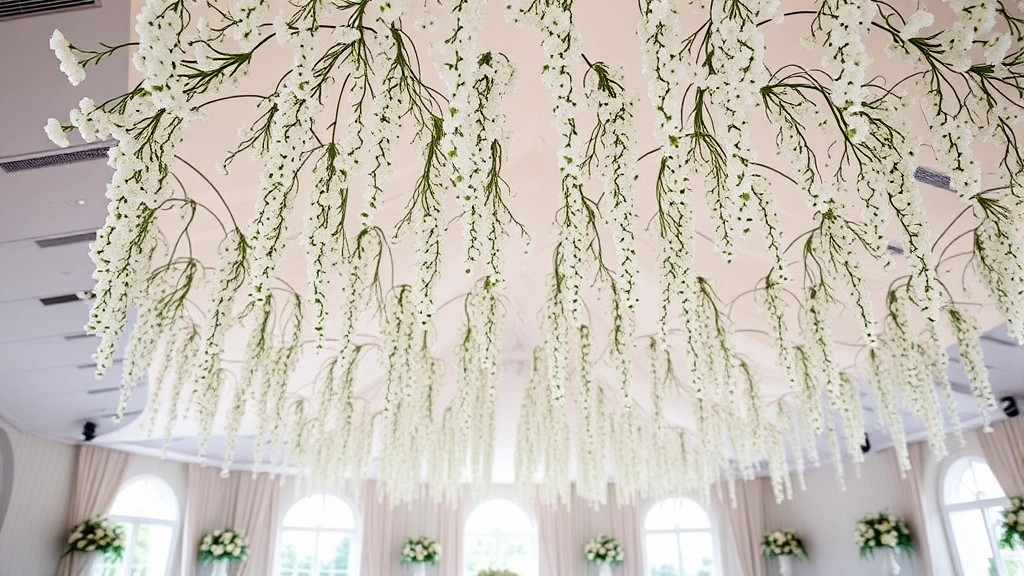
Hanging Installations: Suspend bundles of baby’s breath from ceilings to create whimsical cloud-like installations. This dramatic approach transforms ordinary spaces into enchanted environments, particularly effective for sophisticated events. Floral designers often use this technique for high-end celebrations.
Bridal and Bridesmaid Bouquets: Baby’s breath serves as an excellent filler in bouquets, adding volume and romance without overwhelming focal flowers. Its feathery texture complements virtually any color palette and flower combination.
Budget-Friendly Arrangements: Because baby’s breath is relatively inexpensive, you can create impressive arrangements without breaking the budget. Use it generously as a base, then add pricier focal flowers sparingly for maximum impact at minimal cost.
Corsages and Boutonnières: Small sprigs of baby’s breath create delicate corsages and boutonnières for special attendees. These personal touches add elegance and coordination to your event.
When planning baby shower favors, consider incorporating dried baby’s breath as keepsakes. Guests appreciate receiving lasting mementos that remind them of the celebration long after the event concludes.
Safety Considerations for Families
While baby’s breath is generally safe, parents should be aware of a few important considerations when incorporating these flowers into family environments.
Toxicity Concerns: Baby’s breath contains mild saponins, compounds that can cause gastrointestinal upset if ingested in large quantities. For most people, accidental contact or small ingestions pose minimal risk. However, parents with young children who explore everything orally should exercise caution. According to the ASPCA Animal Poison Control Center, baby’s breath is mildly toxic to pets, particularly cats and dogs.
Pet Safety: If you have pets, place baby’s breath arrangements where animals cannot access them. Even mild toxicity isn’t worth risking your pet’s health. Keep arrangements elevated on high shelves or tables.
Allergies: Some individuals experience mild allergic reactions to handling baby’s breath, including skin irritation or respiratory sensitivity. If anyone in your family has plant allergies, wear gloves when handling the flowers and ensure good ventilation when arranging them.
Pesticide Residues: Commercial baby’s breath may carry pesticide residues from cultivation. If you’re concerned about this, purchase organic varieties or ask your florist about pesticide treatments. This is particularly important if flowers will be handled frequently by children.
Water Safety: Flower water, especially if treated with commercial flower food, shouldn’t be ingested. Keep arrangements out of reach of young children who might be tempted to drink from vases.
These precautions needn’t deter you from enjoying baby’s breath. Simply maintain awareness and take reasonable safety measures when incorporating these flowers into family spaces.
Frequently Asked Questions
How long does baby’s breath last in a vase?
Baby’s breath typically lasts 2-3 weeks in a vase with proper care. The exact duration depends on water quality, temperature, and how well you maintain the arrangement. Changing water regularly and removing wilted blooms extends longevity significantly.
Can you dry baby’s breath for long-term decoration?
Yes! Baby’s breath dries beautifully and maintains its appearance for years. Simply gather stems in small bundles, hang them upside down in a dry, dark location for 1-2 weeks, and display in a vase without water. Dried baby’s breath makes excellent baby shower gift ideas and lasting mementos.
Is baby’s breath expensive compared to other flowers?
Baby’s breath is one of the most affordable cut flowers available, typically costing $1-3 per stem wholesale. This affordability makes it ideal for budget-conscious event planning. Its cost-effectiveness combined with its visual impact makes it a smart choice for creating impressive arrangements without excessive spending.
What colors does baby’s breath come in?
While white is most common, baby’s breath comes in soft pink, hot pink, coral, and occasionally lavender varieties. These colored varieties cost slightly more than white but offer beautiful options for themed events and color-coordinated celebrations.
Can you grow baby’s breath at home?
Absolutely! Baby’s breath thrives in home gardens with well-drained soil and full sun. It’s relatively low-maintenance once established and quite drought-tolerant. Growing your own flowers for events adds a personal touch and reduces costs significantly.
What flowers pair well with baby’s breath?
Baby’s breath pairs beautifully with virtually any flower. It’s particularly stunning with roses, peonies, tulips, and ranunculus. The delicate filler quality of baby’s breath complements bolder, showier flowers while adding essential texture and volume to arrangements.
Is baby’s breath safe for pregnant women to handle?
Baby’s breath is generally safe for pregnant women to handle. However, if you’re pregnant and planning to arrange flowers regularly, wear gloves as a precaution and ensure good ventilation. If you have concerns, consult your healthcare provider about specific flower handling during pregnancy.
Why is baby’s breath sometimes called “filler”?
Baby’s breath is called a filler because of its supporting role in arrangements. Rather than being the focal point, it provides texture, volume, and visual interest around primary flowers. This classification doesn’t diminish its importance—many arrangements derive their beauty from well-placed filler flowers.
How do florists preserve baby’s breath’s color?
Commercial florists use various preservation techniques including silica gel drying, glycerin treatment, and freeze-drying. These methods maintain color and appearance far longer than air drying alone. Some florists also dye white baby’s breath in vibrant colors for specialty arrangements.
What’s the environmental impact of commercial baby’s breath production?
Large-scale baby’s breath cultivation in South America has raised environmental concerns, including water usage and pesticide application. Conscious consumers can support sustainable practices by purchasing from florists who source responsibly or growing their own flowers when possible.
For parents and event planners seeking to understand cut flowers better, expert horticultural resources provide additional insights into flower care and cultivation. The Safer Brand also offers guidance on pesticide concerns with cut flowers.
Final Thoughts on Baby’s Breath Flowers
Baby’s breath has earned its place as a floral staple through a combination of beauty, practicality, and affordability. Whether you’re designing decorations for baby showers, creating arrangements for family milestones, or simply wanting to understand flowers better, baby’s breath offers remarkable versatility and value.
The flower’s delicate appearance belies its durability, making it an excellent choice for busy families who want lasting beauty without constant maintenance. Its symbolic meaning adds emotional depth to celebrations, while its affordability ensures impressive results within realistic budgets.
As you plan your next family event or celebration, consider incorporating baby’s breath. Whether used abundantly as the primary element or subtly as a supporting texture, these humble flowers have the remarkable ability to elevate any occasion. Their cloud-like presence brings elegance, romance, and grace to moments worth celebrating.
For families interested in sustainability, exploring personalized baby items as lasting keepsakes offers an alternative to cut flowers. These meaningful mementos provide lasting value beyond the event itself, creating memories that endure far longer than fresh arrangements.