Baby’s First Christmas: Tips from Pediatricians
Your baby’s first Christmas is a milestone filled with wonder, joy, and—let’s be honest—a fair amount of parental anxiety. Between managing schedules, choosing gifts, and keeping your little one safe during the holidays, there’s a lot to think about. The good news? Pediatricians and child development experts have plenty of evidence-based guidance to help you navigate this special season while keeping your baby healthy and happy.
Whether your baby is just a few weeks old or approaching their first birthday, this Christmas celebration deserves thoughtful planning. We’ll walk you through everything from creating a safe holiday environment to choosing developmentally appropriate gifts, all backed by pediatric recommendations and real-world parenting wisdom.
Table of Contents
- Safety First: Creating a Holiday-Safe Environment
- Managing Germs During Holiday Gatherings
- Age-Appropriate Gift Guide
- Protecting Sleep and Routines
- Feeding Your Baby Through the Holidays
- Safe Holiday Travel with Your Baby
- Managing Sensory Overload
- Frequently Asked Questions
Safety First: Creating a Holiday-Safe Environment
The holiday season brings decorations, lights, and festive items that can pose unexpected hazards for curious babies. According to the American Academy of Pediatrics (AAP), the weeks following Thanksgiving see a significant increase in accidental injuries among infants and toddlers, many related to holiday decorations and activities.
Start by evaluating your Christmas tree. If you have a real tree, ensure it’s securely anchored to prevent tipping—babies will eventually grab branches, and a falling tree can cause serious injury. Water the tree regularly and keep the stand covered, as tree water can contain harmful bacteria and fertilizers. Artificial trees are a safe alternative; just ensure they’re stable and positioned away from your baby’s sleeping or playing areas.
Ornaments require special attention. Glass ornaments can shatter and create sharp hazards, so keep them on higher branches well out of your baby’s reach. Opt for soft, fabric, or plastic ornaments on lower branches. Remove or secure any ornaments with small detachable parts that could become choking hazards. Similarly, tinsel and garland should be used sparingly or avoided altogether—they’re particularly dangerous if ingested.
String lights and electrical decorations need careful management. Use LED lights instead of traditional incandescent bulbs; they produce less heat and reduce burn risks. Keep cords out of reach, secured behind furniture or along walls where your baby cannot access them. As your baby becomes more mobile, they’ll be tempted to pull on anything dangling, so ensure all wires are completely inaccessible.
Holiday plants add festive beauty but can be toxic. Poinsettias, mistletoe, holly, and amaryllis are all potentially harmful if ingested. The safest approach is to keep these plants completely out of your home, or position them on high shelves that your baby cannot reach, even as they grow more mobile over the coming months.
Consider creating a safe play zone for your baby that’s separate from the main holiday festivities. This gives them a calm space to retreat to when needed and prevents them from accessing hazardous decorations or experiencing overwhelming stimulation.
Managing Germs During Holiday Gatherings
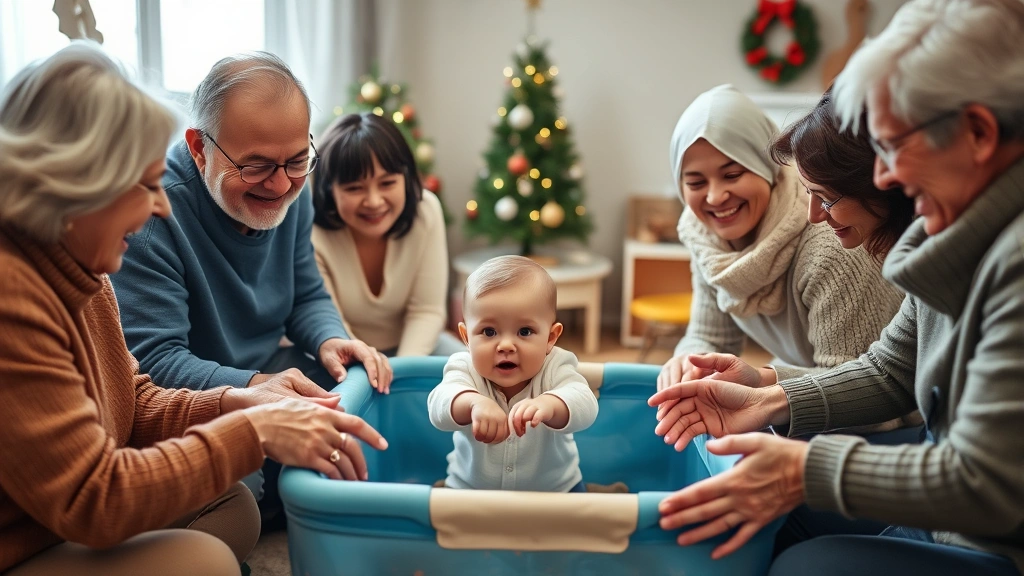
Holiday celebrations often mean gathering with extended family and friends—wonderful for bonding, but challenging for protecting a baby’s developing immune system. Babies under six months have limited immune protection, making them particularly vulnerable to respiratory viruses, including RSV and influenza.
Before holiday gatherings, communicate your health requirements to guests. The Centers for Disease Control and Prevention (CDC) recommends that anyone spending significant time with a baby under six months should be up-to-date on their flu vaccine and have received the updated COVID-19 vaccine. For babies under two months, consider requesting that visitors have received the Tdap vaccine to protect against pertussis.
Establish a “wash hands first” policy at your home. Keep hand sanitizer and tissues readily available near seating areas where guests will hold your baby. Don’t hesitate to politely ask visitors to wash their hands before touching your little one—most family members will understand and appreciate your vigilance.
If anyone is visibly sick, kindly request they postpone their visit. A cough, runny nose, or fever can indicate contagious illnesses that could seriously affect your baby. This boundary-setting is an act of love, not rejection.
Limit the number of people holding your baby during the peak holiday season, especially if your baby is under three months old. Close contact with multiple people increases exposure to pathogens. If your baby shows any signs of illness—fever, cough, difficulty feeding, or unusual fussiness—contact your pediatrician immediately rather than waiting.
Age-Appropriate Gift Guide for Baby’s First Christmas
Choosing gifts for a baby requires understanding developmental stages and safety standards. Newborns and young infants benefit most from sensory experiences rather than complex toys.
For newborns to 3 months: Focus on items that stimulate their developing senses. High-contrast black-and-white cards, soft rattles with varied textures, and gentle music boxes are ideal. Avoid anything with small parts, loud sounds, or bright flashing lights that could overstimulate. Consider practical gifts like soft sleepers (check out our baby boy clothes or baby girl clothes guides for quality options) or swaddles that parents genuinely need.
For 3 to 6 months: Your baby is developing hand coordination and object permanence. Soft blocks, crinkle toys, and teething rings become more engaging. Books with thick pages and varied textures introduce early literacy concepts. Toys that attach to car seats or strollers keep babies entertained during travel.
For 6 to 12 months: Babies this age love cause-and-effect toys. Toys that make sounds when buttons are pressed, stacking rings, and soft balls promote motor skill development. Crawling babies benefit from safe tunnels or play structures that encourage movement. Baby walkers should be avoided due to safety concerns, but stationary activity centers are excellent alternatives.
Always check that toys meet current safety standards. Look for the ASTM International certification and avoid anything with loose parts, sharp edges, or cords longer than seven inches. Test toys for durability—if parts can be easily detached, they’re not safe for babies who explore everything by mouth.
Remember that parents often appreciate gifts more than babies do. A subscription to a baby activity class, a high-quality photo session capturing your baby’s first Christmas, or a practical item like a baby care kit can be more valuable than another toy.
Protecting Sleep and Routines During the Holidays
Holiday excitement can easily derail the sleep schedules that you’ve worked hard to establish. Yet maintaining consistent sleep routines is crucial for your baby’s health, development, and temperament. Overtired babies become fussy babies, and holiday stress compounds parental fatigue.
Before the season gets busy, establish realistic expectations with family members about your baby’s sleep needs. A baby’s sleep isn’t negotiable—it’s as important as nutrition for healthy development. This means politely declining evening gatherings that conflict with bedtime, or bringing your baby’s pack-and-play to events so they can rest as needed.
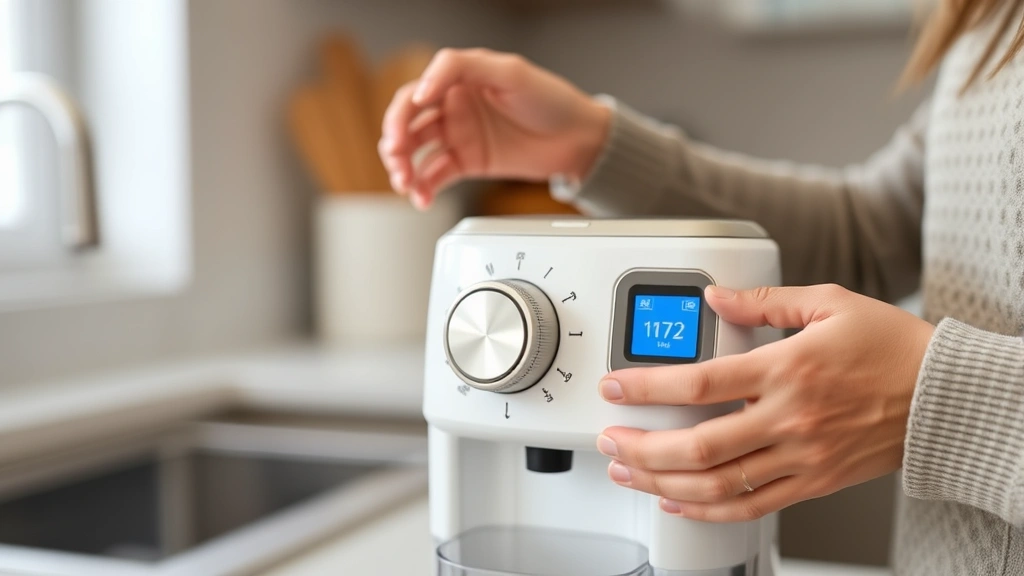
Maintain your consistent bedtime routine, even when traveling or hosting guests. A warm bath (keeping water at appropriate baby bath temperature), stories, and calm music signal to your baby’s brain that sleep is coming. This predictability is especially comforting during a season of change and stimulation.
Create a dark, quiet sleep space wherever your baby will be staying. Blackout curtains, white noise machines, and a consistent sleep environment help babies sleep better despite holiday disruptions. If you’re traveling, bring familiar items like your baby’s favorite blanket or sleep sack to maintain comfort and routine.
Watch for signs of overtiredness: excessive fussiness, difficulty settling, or unusual clinginess. Babies who are well-rested handle stimulation better and enjoy holiday activities more fully. Don’t let the pressure to participate in every event compromise your baby’s sleep—a well-rested baby means happier holidays for everyone.
Feeding Your Baby Through the Holidays
Holiday eating looks different when you’re feeding a baby, and that’s okay. If you’re breastfeeding, the holidays can be stressful—managing feeding in public spaces, navigating family comments, and maintaining milk supply during busy times.
Find a quiet, comfortable space for feeding, whether you’re nursing or bottle-feeding. Many holiday venues have family restrooms or quiet rooms; don’t hesitate to ask hosts for a private space. Feeding your baby shouldn’t require contorting yourself in a crowded living room or bathroom.
For breastfeeding mothers, holiday stress and schedule changes can temporarily affect milk supply. Stay hydrated, eat regular meals despite the chaos, and try to maintain your typical feeding schedule. If you’re struggling with supply, contact a lactation consultant before the holidays get underway.
If you’re formula feeding, bring enough formula, bottles, and supplies for your needs plus extra. Holiday travel can disrupt routines, and having backup supplies prevents stressful situations. Warm water for formula preparation may not always be readily available, so bring a small thermos or bottle warmer.
For babies starting solids (typically around six months), holiday foods can be tempting but most aren’t appropriate for babies. Stick to age-appropriate foods; avoid honey, whole nuts, hard candies, and foods with added salt and sugar. The holidays aren’t the time to introduce new foods either—you want to know if your baby has allergies before travel or family gatherings.
Safe Holiday Travel with Your Baby
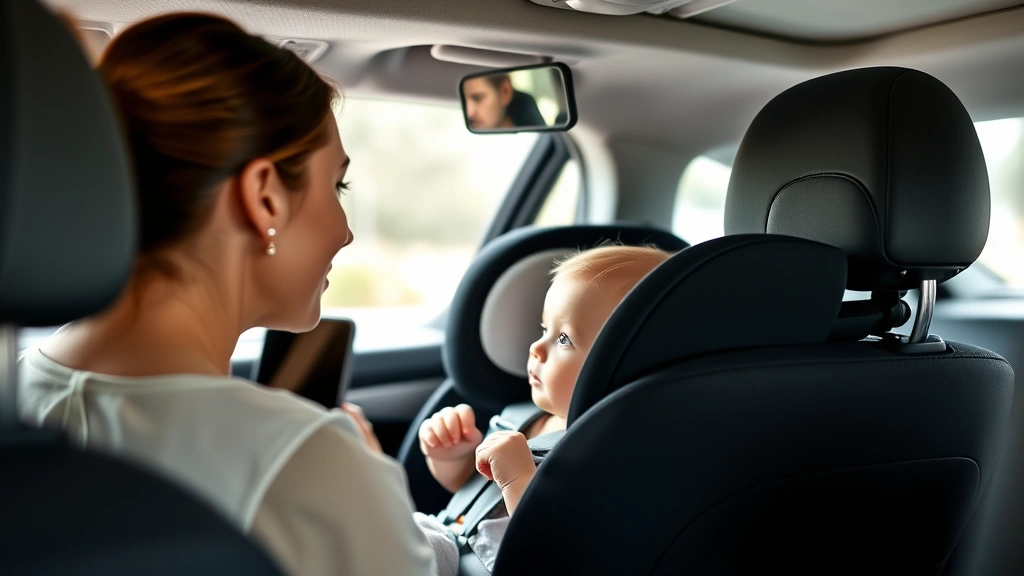
Whether you’re driving across town or flying across the country, traveling with a baby requires careful planning. Car safety is non-negotiable: ensure your car seat is properly installed and your baby is secured appropriately for their age and weight.
For air travel, check airline policies regarding babies before booking. Most allow babies under two to sit on a parent’s lap, but using a car seat for your baby (if it’s FAA-approved) provides better safety during turbulence. Bring a stroller for airport navigation, and use it to transport your baby rather than carrying them while managing luggage.
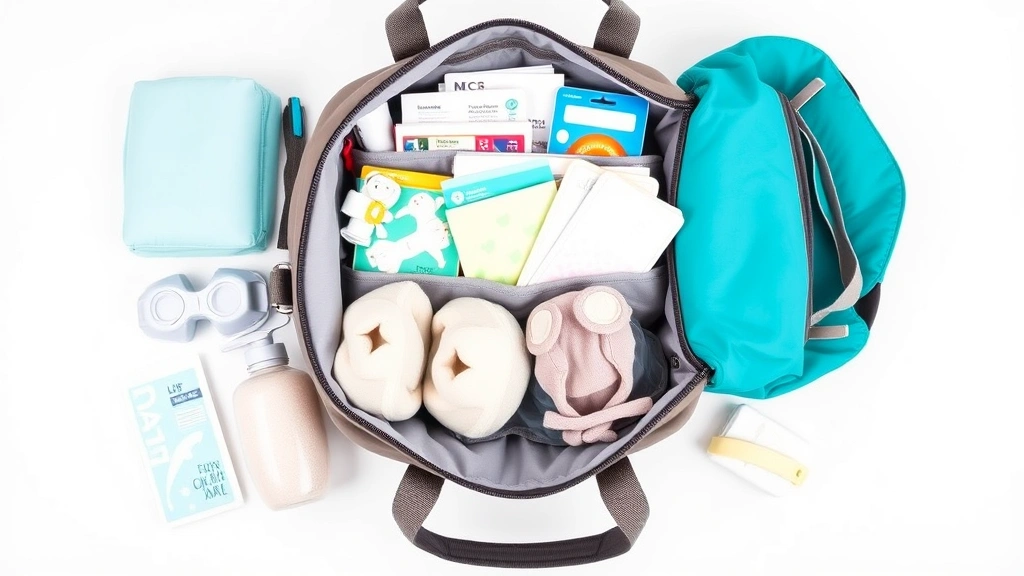
Pack a diaper bag with supplies organized for easy access: diapers, wipes, diaper cream, changing pads, extra clothes, and plastic bags for soiled items. Include medications, thermometers, and any special medical supplies your baby needs. Keep a copy of your baby’s medical records and your pediatrician’s contact information.
When traveling, maintain your baby’s routine as much as possible. Consistent meal times, nap times, and bedtimes help babies adjust to new environments. Bring familiar comfort items—a beloved toy or blanket can significantly ease transitions.
Before traveling, consult with your pediatrician about your destination and any health precautions. If you’re traveling internationally or to areas with specific health concerns, get advice tailored to your baby’s age and health status.
Managing Sensory Overload During Holiday Celebrations
Babies experience the world through their senses, and the holiday season is overwhelming in the best and most intense ways. Bright lights, loud music, unfamiliar faces, different smells, and constant activity can overstimulate your baby’s developing nervous system.
Watch your baby for signs of overstimulation: excessive crying, turning away from stimuli, difficulty sleeping, or unusual fussiness. These behaviors signal that your baby needs a break from the action. Create quiet zones where your baby can decompress—a dim bedroom, a quiet corner with soft music, or even a calm car ride can help reset their system.
Manage the number of new people your baby meets during a single gathering. It’s wonderful for relatives to meet your baby, but meeting twenty new people in one evening is overwhelming. Stagger introductions over multiple visits or shorter gatherings.
Be selective about which events your baby attends. You don’t need to take your baby to every holiday party. Choosing one or two meaningful gatherings allows your baby to participate in special moments without constant overstimulation. This also protects your baby’s health by limiting exposure to crowds and potential illness.
Pay attention to your baby’s cues. When they look away, fuss, or seem disinterested, respect that communication. Your baby is learning that their signals matter, an important foundation for healthy development and future communication.
Frequently Asked Questions
Is it safe to take my newborn to holiday gatherings?
Newborns under two months have limited immune protection, making them vulnerable to serious infections. Consider limiting gatherings to small, indoor settings with vaccinated family members. Outdoor celebrations or brief visits are safer than large, crowded events. Consult your pediatrician about what’s appropriate for your specific baby and local disease prevalence.
What should I do if my baby gets sick during the holidays?
Don’t wait for regular office hours if your baby shows signs of illness. Fever in babies under three months always warrants immediate medical evaluation. For older babies, contact your pediatrician if your baby has a fever over 100.4°F, difficulty breathing, unusual lethargy, or refuses to eat. Many pediatric practices have holiday hours and on-call services for urgent concerns. Having your pediatrician’s emergency contact information before the holidays is essential—see our guide on how to choose a pediatrician for finding the right care provider.
Can my baby have a taste of holiday foods?
This depends on your baby’s age. Babies under six months should only have breast milk or formula. Babies six months and older can start trying appropriate solids, but holiday foods usually contain added sugar, salt, and potential allergens. Introduce new foods one at a time, several days apart, to monitor for allergic reactions. Skip honey entirely until after your baby’s first birthday due to botulism risk.
How can I balance family expectations with my baby’s needs?
This is challenging but essential for your family’s wellbeing. Clear communication before the holidays helps set expectations. Explain your baby’s sleep, feeding, and health needs to family members. Most relatives want what’s best for your baby and will respect your boundaries when you explain the reasoning. Refer to professional guidance—mentioning that “pediatricians recommend” often carries more weight than personal preference. Remember that protecting your baby’s health and wellbeing isn’t selfish; it’s your most important parenting responsibility.
Should we take holiday photos with my baby?
Absolutely! Holiday photos capture precious memories. Choose photography timing when your baby is well-rested and fed. Keep sessions brief—overtired, hungry babies don’t cooperate with photos anyway. For newborns, simple photos at home are often more successful than complex studio settings. Natural lighting near windows creates beautiful photos without the stress of professional studios during busy seasons.
What if I’m feeling overwhelmed during the holidays?
Parenting a baby during the holidays is genuinely demanding. It’s normal to feel overwhelmed. Reach out to your partner, family members, or friends for support. Consider consulting resources on essential parenting advice for raising happy and healthy children to gain perspective. If you’re experiencing persistent anxiety or depression, talk to your healthcare provider. Postpartum mood disorders can intensify during stressful periods, and professional support makes a real difference.
How do I introduce my baby to holiday traditions?
Your baby’s first Christmas is the beginning of lifelong traditions. Choose traditions that work for your family’s values and your baby’s needs. This might be reading a special story, singing a particular song, or visiting a specific location each year. Young babies won’t remember this first Christmas, but the traditions you establish now create patterns your family will cherish for years to come. Keep traditions simple and flexible enough to adapt as your baby grows.
Making Baby’s First Christmas Special and Safe
Your baby’s first Christmas is genuinely special—a milestone worth celebrating thoughtfully. By prioritizing safety, managing your baby’s health and wellbeing, and maintaining important routines, you can create meaningful holiday memories without unnecessary stress.
Remember that your baby doesn’t need an elaborate celebration to have a wonderful first Christmas. They need a healthy, rested, well-fed, and loved experience. Sometimes that means declining certain events, setting boundaries with family members, or keeping celebrations quiet and low-key. That’s not just okay—that’s good parenting.
Consult your pediatrician with any specific concerns about your baby and holiday activities. Every baby is different, and personalized medical advice is invaluable. For broader guidance on parenting through the holidays, our comprehensive guide for modern parents offers additional perspectives.
Here’s to a safe, joyful, and memorable first Christmas with your baby. The holidays are magical, and your baby’s presence makes them even more so.