What Is the Best Baby Detergent? Expert Guide
Choosing a best baby detergent feels like it should be simple, right? You’d think it’s just soap, maybe a little gentler than what you use. But walk down the laundry aisle and you’ll find yourself staring at dozens of options claiming to be the gentlest, safest, most effective solution for your little one’s delicate skin. Some promise hypoallergenic formulas. Others boast plant-based ingredients. A few cost three times as much as regular detergent and come in minimalist packaging that screams premium.
Here’s the truth: selecting the right baby detergent isn’t about finding the most expensive option or the one with the prettiest label. It’s about understanding what your baby’s skin actually needs, recognizing which ingredients matter, and being honest about what works for your specific family. Some babies thrive with fragrance-free formulas, while others do perfectly fine with lightly scented options. Some families need extra stain-fighting power for blowouts and spit-ups, while others prioritize simplicity above all else.
We’ve done the research, consulted dermatologists’ recommendations, and cut through the marketing noise to help you make an informed decision that actually makes sense for your household.
Why Baby Detergent Actually Matters
Your newborn’s skin is fundamentally different from yours. It’s thinner, more permeable, and still developing its natural protective barrier. According to the American Academy of Pediatrics, a baby’s skin is more susceptible to irritation, dryness, and bacterial colonization during the first year of life.
This isn’t just marketing hype designed to make you spend more money. There’s actual biology here. When you wash your baby’s clothes with regular adult detergent, you’re exposing sensitive skin to chemicals and surfactants that might not cause problems for you but could trigger reactions in your infant. Eczema, contact dermatitis, and general irritation are more common in babies exposed to harsh laundry products.
That said, you don’t need to lose sleep over this decision. Many babies do fine with various detergents. But given that your baby spends roughly 16-17 hours a day in contact with their clothing, choosing thoughtfully makes sense. Plus, if your little one develops a rash or experiences skin sensitivity, one of the first things your pediatrician will ask is what detergent you’re using.
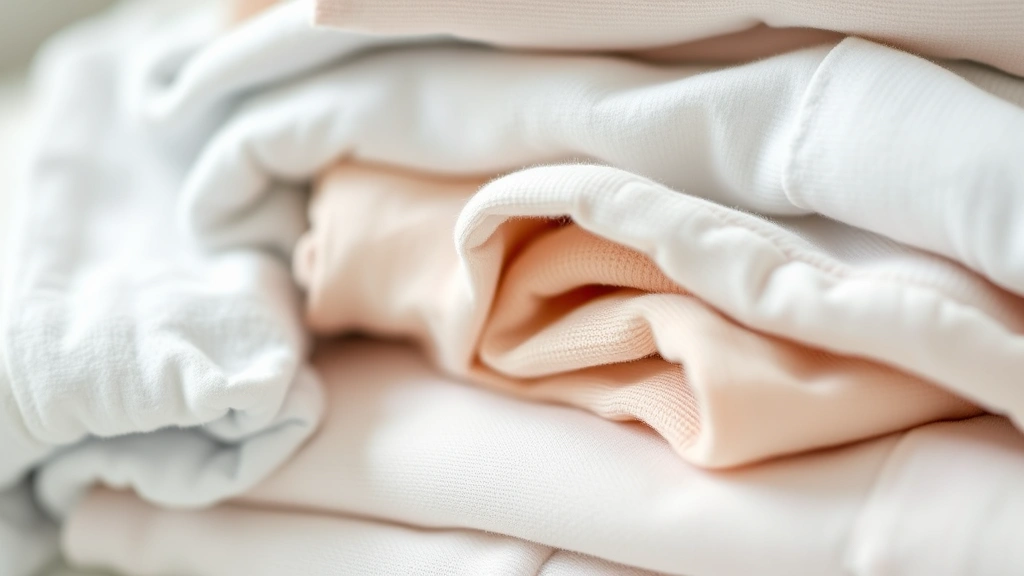
The goal with baby clothes care is finding a product that’s effective enough to get truly dirty items clean (because let’s be honest, babies are messy), while being gentle enough that it won’t irritate their skin or compromise the integrity of the fabrics.
Ingredients to Seek Out
When you’re comparing detergent options, knowing what to look for makes the process infinitely easier. These are the characteristics that genuinely matter:
- Hypoallergenic formulation: This means the product has been formulated and tested to minimize allergic reactions. Look for products that have been dermatologist-tested, as this indicates third-party verification of gentleness claims.
- Free and clear designation: Products labeled “free and clear” or “free and dye-free” have removed common irritants. This is particularly important if your baby has existing skin sensitivity.
- Plant-based ingredients: While not inherently superior to synthetic alternatives, plant-based surfactants like those derived from coconut or corn are often gentler. They break down more readily in the environment too, which is a nice bonus.
- Enzymes: Don’t let the scientific name intimidate you. Enzymes are natural proteins that break down stains without requiring harsh chemicals. They’re especially helpful when dealing with protein-based messes like spit-up and formula stains.
- Minimal fragrance: Some gentle detergents use fragrance derived from essential oils or skip it entirely. If fragrance is included, look for products that specify they use hypoallergenic fragrance compounds.
- Concentrated formulas: These require smaller amounts per load, which means less chemical residue on clothes and better value over time.
Ingredients to Avoid
Just as important as knowing what to seek out is understanding what to skip. These ingredients commonly appear in conventional detergents but can be problematic for baby skin:
- Artificial dyes: The bright colors in some detergents serve no cleaning purpose. They’re purely aesthetic and can trigger skin reactions in sensitive infants. Dye-free options are always safer.
- Heavy perfumes and masking fragrances: These aren’t just unpleasant—they can accumulate on fabric and irritate skin with every wear. If you can smell the detergent strongly, it’s likely too heavily fragranced.
- Optical brighteners: These chemicals make clothes appear brighter by reflecting light, but they don’t wash out completely and can irritate sensitive skin. Avoid products that list “brightening agents” in their ingredients.
- Phosphates: While less common in modern detergents due to environmental concerns, phosphates can be irritating and aren’t necessary for effective cleaning.
- Chlorine bleach: Never use chlorine bleach on baby clothes. It’s harsh, can damage fabrics, and leaves residues. If whitening is necessary, use oxygen-based alternatives instead.
- Fabric softeners and dryer sheets: These coat fabrics with waxy substances that reduce absorbency (problematic for diapers and bibs) and can irritate skin. Skip them entirely for baby laundry.
- Quaternary ammonium compounds: Found in some softeners and fabric treatments, these can trigger respiratory and skin reactions.
Top Baby Detergent Options
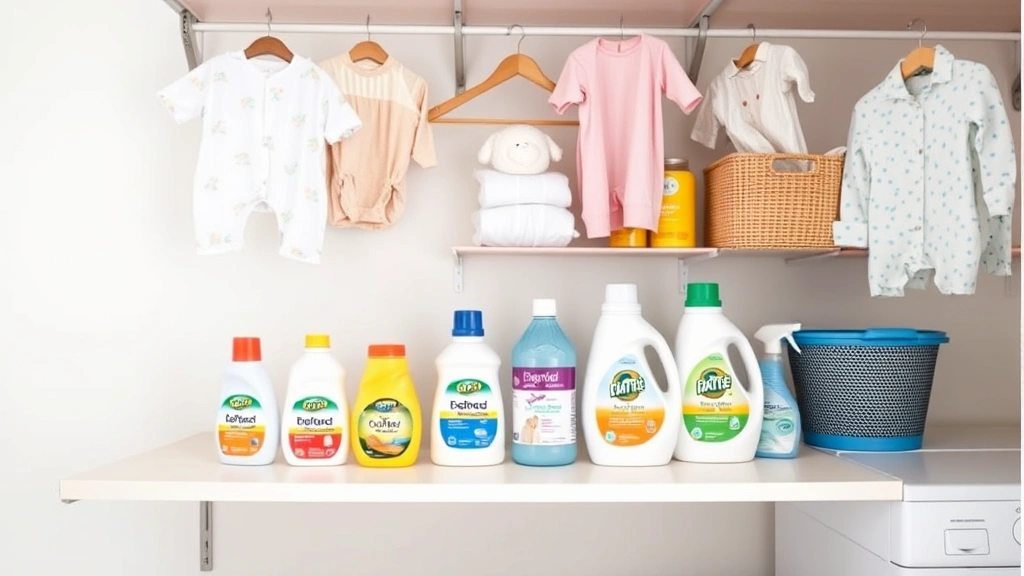
After reviewing current options, ingredient lists, and parent experiences, here are detergents that genuinely deliver on gentleness without sacrificing effectiveness:
Dreft: The classic choice for good reason. Dreft has been formulated specifically for delicate fabrics and babies since 1933. It’s fragrance-free, dye-free, and hypoallergenic. While it costs slightly more than conventional detergent, it’s more affordable than many premium baby-specific brands. The formula is gentle enough for newborn skin but effective enough to handle real baby messes.
The Laundress Delicate Wash: This plant-based option uses gentle surfactants derived from vegetables. It’s free of dyes, perfumes, and optical brighteners. The formula is concentrated, meaning you use less per load. It works beautifully for baby girl clothes and baby boy clothes alike, and many parents appreciate that it works for delicate fabrics throughout the home.
Seventh Generation Free & Clear: This hypoallergenic, plant-derived detergent is fragrance-free and uses no dyes or perfumes. It’s also plant-based and biodegradable, appealing to environmentally conscious families. It’s reasonably priced and widely available, making it a practical choice for long-term use.
All Free Clear: A budget-friendly option that removes common irritants without removing effectiveness. While not specifically marketed as a baby detergent, it’s been used successfully by countless families with sensitive-skinned infants. The free and clear formula means no dyes or perfumes.
Ecos Free & Clear: Plant-based and hypoallergenic, this detergent uses coconut-derived surfactants. It’s fragrance-free, dye-free, and free of optical brighteners. Many families with eczema-prone babies report success with this option.
Sensitive Skin Considerations
If your baby has eczema, diagnosed allergies, or a history of dermatitis, your approach to detergent selection becomes more critical. Start with the gentlest options and introduce them carefully:
Patch testing: Before washing your baby’s entire wardrobe in a new detergent, wash a few items they wear frequently and observe for 2-3 days. This helps you identify whether a particular product triggers reactions before you’ve committed to a full load of laundry.
Eczema-specific considerations: If your baby has eczema, dermatologists recommend using fragrance-free, dye-free detergents and keeping irritant exposure minimal. Some families with eczema-prone babies do best with extremely simple formulas like plain Dreft or even specialized eczema detergents.
Rinsing thoroughly: Regardless of which detergent you choose, ensure your washing machine’s rinse cycle is thorough. Detergent residue left on fabric is a common irritant. If your baby has sensitive skin, consider running an extra rinse cycle.
Water temperature: Use warm or cool water rather than hot, which can irritate sensitive skin and reduce detergent effectiveness on certain stains. Lukewarm water is often the sweet spot for baby laundry.
Quantity matters: Using more detergent doesn’t mean cleaner clothes—it means more chemical residue. Follow the manufacturer’s recommendations based on load size and soil level. For baby laundry, err on the side of using less rather than more.
If your baby develops a rash or shows signs of skin irritation, switch detergents immediately and consult your pediatrician. Sometimes the culprit isn’t the detergent itself but something else—like fabric softener residue, bleach exposure, or a completely unrelated skin condition.
Practical Washing Tips
Selecting the right detergent is only half the equation. How you wash baby clothes matters equally:
- Separate from adult laundry: While not absolutely necessary, washing baby clothes separately prevents cross-contamination with detergent residue from adult laundry and allows you to use gentler wash settings.
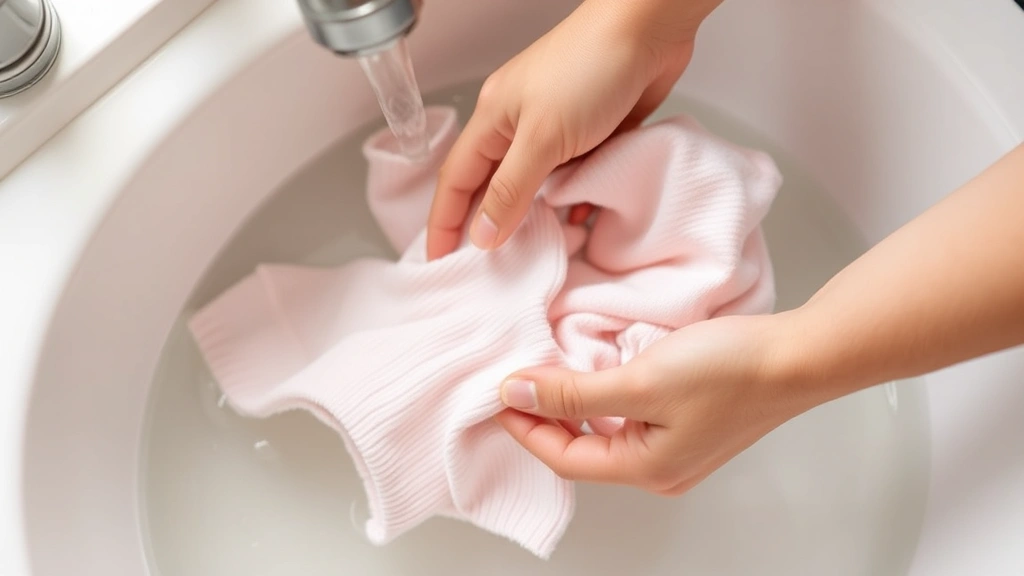
- Prewash stains immediately: Baby messes set quickly. Cold water and gentle rubbing work better than hot water for protein-based stains. For formula or milk stains, let cold water soak the item before washing.
- Use appropriate water levels: Don’t overload the machine with baby clothes. They need space to move freely for proper cleaning and rinsing.
- Avoid fabric softener entirely: Seriously. It coats fabrics and reduces absorbency while potentially irritating skin. If you want softer clothes, use wool dryer balls or simply ensure thorough rinsing.
- Dry appropriately: Air drying is gentlest, but if you use a dryer, use low heat. High heat can damage elastic and irritate fabrics. Skip dryer sheets and fabric softener sheets completely.
- Consider line drying: In addition to being gentle, line-dried clothes develop a fresh scent naturally without added fragrance.
When building your baby registry checklist, remember that laundry supplies deserve thoughtful consideration. You’ll be doing laundry constantly those first months, so choosing products you feel good about matters more than you might initially think.
For gift-givers considering baby shower gift ideas, quality detergent might sound practical rather than exciting, but new parents genuinely appreciate it. A gift basket with a gentle detergent, quality stain remover, and a few baby essentials is thoughtful and immediately useful.
Frequently Asked Questions
Can I use regular laundry detergent for baby clothes?
Technically yes, but it’s not ideal. Regular detergents contain dyes, perfumes, and other chemicals that can irritate sensitive baby skin. Given how much time your baby spends in contact with their clothing, using a gentler option specifically formulated for delicate skin is the safer choice. That said, many babies don’t react negatively to conventional detergent—if your baby’s skin is resilient and shows no signs of irritation, you have more flexibility.
Is expensive baby detergent better than budget options?
Price doesn’t directly correlate with quality. Some premium brands charge more for packaging and marketing than for superior formulation. Conversely, some budget-friendly options like Dreft or All Free Clear perform excellently. What matters is the ingredient list and how your specific baby responds. Read labels carefully rather than assuming higher price equals better product.
How often should I wash baby clothes before the first wear?
Wash all new baby clothes at least once before your baby wears them. This removes manufacturing residues, potential irritants, and bacteria. Use your chosen gentle detergent and ensure thorough rinsing. Many parents wash items a second time if they notice any detergent smell remaining.
What should I do if my baby develops a rash from detergent?
Switch detergents immediately and wash all affected clothing in the new, gentler product. Contact your pediatrician, especially if the rash spreads or doesn’t improve within a few days. Sometimes what appears to be a detergent reaction is actually a different skin condition that requires different treatment. Your pediatrician can help identify the actual cause.
Can I use the same detergent for baby clothes and regular family laundry?
Absolutely. Many families use gentle, fragrance-free detergent for all their laundry. It’s often slightly more expensive than conventional options, but not dramatically so, especially if you buy concentrated formulas. Plus, everyone benefits from gentler cleaning agents—they’re less harsh on fabrics and better for the environment.
Do I need a special stain remover for baby clothes?
A gentle stain remover can be helpful, especially for formula, fruit, and grass stains. Look for options that are hypoallergenic and safe for baby skin. Alternatively, cold water soaking and gentle rubbing often work just as well. Avoid chlorine bleach entirely and opt for oxygen-based whiteners if necessary.
Should I use dryer sheets with baby laundry?
No. Dryer sheets coat fabrics with chemicals that can irritate skin and reduce absorbency. If you want softer clothes, use wool dryer balls or simply ensure thorough rinsing during washing. Air drying also naturally softens fabrics without chemical additives.
Is fragrance-free detergent necessary if my baby doesn’t have sensitive skin?
Not strictly necessary, but it’s the safer choice. Even babies without diagnosed sensitivities can develop irritation from fragrances over time. Fragrance-free products eliminate this risk entirely. If you prefer lightly scented options, choose products that specify hypoallergenic fragrance and use minimal amounts.