What Is the Importance of Black Baby Naming Traditions?
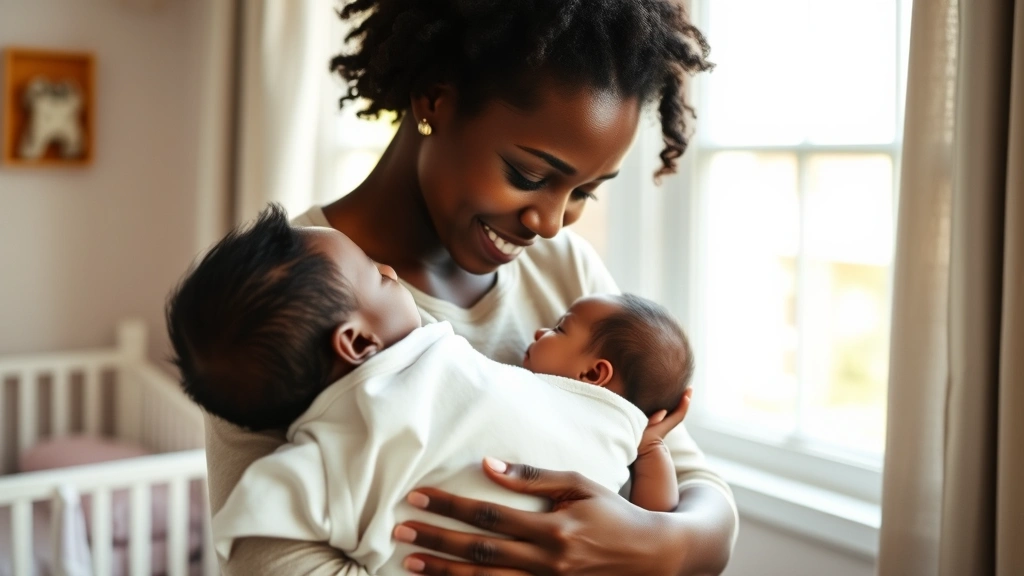
Naming a child is one of the most profound decisions parents make. For Black families, this choice carries layers of meaning that extend far beyond what appears on a birth certificate. Black baby naming traditions represent resilience, cultural pride, spiritual connection, and a deliberate reclamation of identity in spaces where that identity has historically been diminished or erased.
When you choose a name for your Black child, you’re not simply selecting something to call them. You’re making a statement about who they are, where they come from, and what you hope they’ll become. These traditions have evolved over centuries, shaped by African heritage, the brutality of slavery, the creativity of the Jim Crow era, and the conscious cultural affirmation of the Civil Rights and Black Power movements.
Understanding the significance of Black baby naming isn’t just about appreciating cultural practices—it’s about recognizing how names function as anchors of identity, tools of empowerment, and vessels of ancestral memory. Whether you’re expecting your first child or deepening your connection to these traditions, this exploration reveals why naming matters so profoundly in Black communities.
The Historical Roots of Black Naming Traditions
To understand why Black baby naming traditions matter, we need to acknowledge the painful history that shaped them. During slavery, enslaved Africans were stripped of their names—their given identities—and assigned European names by enslavers. This wasn’t a minor administrative decision; it was psychological warfare designed to sever connection to ancestry, culture, and humanity itself.
Yet even under these dehumanizing circumstances, Black people resisted. They created naming practices that honored African heritage within the constraints of their oppression. Some parents gave their children African names privately, passed down through oral tradition. Others embedded cultural meaning into names that appeared European on the surface but held deeper significance within their communities.
After emancipation, Black families had the freedom to name their children according to their own values and wishes. This liberation meant something profound: the ability to assert identity, claim heritage, and shape narratives about who their children would become. The essential parenting advice for raising happy and healthy children includes honoring your family’s cultural roots through practices like naming.
Throughout the twentieth century, Black naming traditions evolved to reflect different movements and philosophies. The Harlem Renaissance celebrated African and African-American identity through names. The Nation of Islam introduced naming practices that rejected what they saw as slave names, embracing X surnames or Arabic names. The Black Power movement of the 1960s and 70s sparked a renaissance of African naming practices and the creation of unique, Afrocentric names that asserted Black pride and self-determination.
According to research from the American Psychological Association, names carry psychological weight that influences how we perceive ourselves and how others perceive us. This research validates what Black communities have long understood: names are never just names.
Names as Acts of Resistance and Reclamation
When a Black parent chooses a distinctly African or African-American name for their child, they’re engaging in an act of cultural resistance. They’re saying: Your identity matters. Your heritage is valuable. You belong to a lineage of strength.
This isn’t abstract philosophy. Studies have shown that names influence opportunities—from hiring practices to educational placements. The reality of racial bias in hiring, documented extensively in research on hiring discrimination, means that Black parents often navigate a complex landscape when naming their children. Some choose names that honor their culture while remaining accessible; others deliberately choose distinctly Black names as an assertion of pride and refusal to assimilate unnecessarily.
Both choices are valid and represent different philosophical approaches to the same underlying reality: Black parents are making intentional decisions about how their children will move through a world that doesn’t always welcome them. These decisions reflect love, strategy, and cultural consciousness.
Consider how naming practices changed during different historical moments. The Civil Rights era saw families choosing names like Kwaanza, Amara, Jamal, and Aisha—names that explicitly connected children to African roots. These weren’t random choices; they were deliberate assertions of Black identity and pride during a time when such pride was revolutionary.
Today, many Black parents continue these traditions while also creating new naming practices. Some blend African, African-American, and contemporary influences. Others research family genealogy to revive names from ancestors. Still others create entirely new names that reflect their values, hopes, and cultural identity.
Cultural Identity and Self-Determination
A name is often the first gift a parent gives their child—and for Black children, it can be a powerful affirmation of identity in a society that frequently questions or diminishes Blackness. When you name your Black baby with intentionality and cultural consciousness, you’re providing them with an anchor.
This becomes particularly important during adolescence and adulthood, when young people navigate questions of identity and belonging. Research from child development experts emphasizes that cultural identity plays a crucial role in healthy psychological development for Black youth. A name that reflects and celebrates their heritage can serve as a touchstone during these formative years.
The self-determination aspect of naming is equally important. For generations, Black people’s identities were determined by others—enslavers, colonizers, systems of oppression. Choosing your child’s name is an exercise of power and autonomy. It says: We get to define ourselves. We get to choose who our children are called and what that name means.
When preparing your nursery with thoughtful touches like a comfortable baby blanket, consider how the name you’ve chosen for your child completes that intentional space. Everything from the baby girl clothes or baby boy clothes you select to the name you’ve given your child communicates values and identity.
This self-determination extends to how Black families navigate the broader world. Some parents choose names that allow their children flexibility in different contexts. Others choose names that make their children’s Blackness immediately visible, refusing the possibility of concealment or assimilation. These are strategic choices made with love and awareness.
The Psychology Behind Meaningful Names
Psychology research reveals that names influence identity development in measurable ways. A child who carries a name with deep meaning—whether that meaning is cultural, spiritual, familial, or personal—tends to develop stronger self-concept and resilience.
For Black children, this becomes even more significant. When a child understands that their name connects them to ancestors, to cultural heritage, to a movement or philosophy, they develop what psychologists call cultural pride and collective efficacy. These psychological resources become protective factors against discrimination and marginalization.
The meaning-making process matters too. When parents tell their Black children the story behind their name—why they chose it, what it means, what ancestors or values it honors—they’re engaging in what researchers call cultural socialization. This practice has been shown to strengthen mental health outcomes and academic achievement in Black youth.
Consider the difference between a child who knows their name was chosen randomly versus one who understands their name means warrior, or beloved, or represents a grandmother’s legacy, or celebrates Black consciousness and pride. The psychological impact of that knowledge shapes how they see themselves.
Additionally, names serve as what researchers call identity markers. They communicate group membership and values. When a Black child learns that their name marks them as part of a community with a rich history and ongoing resistance to oppression, it can foster what psychologists call critical consciousness—an understanding of systemic inequities paired with the knowledge that they come from people who have always resisted and persevered.

Modern Approaches to Black Baby Naming
Today’s Black parents have more resources and freedom than ever to explore naming traditions. Some families research African languages and meanings, choosing names that connect directly to ancestral homelands. Others look to family genealogy, reviving names of great-grandparents or distant relatives whose stories deserve remembrance.
Many parents blend approaches. They might combine an African first name with a family surname that carries its own history. They might choose a name that works across cultural contexts while still maintaining cultural significance. They might create new names entirely—what scholars call neologistic names—that reflect contemporary Black identity and values.
The rise of digital resources has made this exploration more accessible. Online communities, genealogy websites, and cultural databases allow Black parents to research meanings, pronunciations, and histories with unprecedented ease. Many families also turn to elders, cultural organizations, and community leaders for guidance and wisdom.
When thinking about your baby’s arrival, you might consider how your naming choice complements other preparations. Whether you’re selecting baby shower decorations that celebrate your culture or recording your baby’s story in a baby book, every choice reflects your values and your vision for your child.
Some contemporary trends in Black baby naming include:
- Afrocentric names with contemporary flair: Names like Zara, Malik, or Amara that honor African roots while feeling modern
- Revival of historical names: Parents researching ancestors and reviving names that connect to specific family histories
- Spiritually significant names: Names that reflect religious traditions, whether that’s Christianity, Islam, Buddhism, or African spiritual practices
- Creative variations: Unique spellings or combinations that create names that feel both culturally grounded and individually distinctive
- Nature-inspired names: Names drawn from African landscapes, animals, or natural phenomena
Celebrating Your Child’s Name
Once you’ve chosen your Black baby’s name, the work of celebration and meaning-making continues. This is about more than just using the name—it’s about creating a narrative around it that your child will internalize and carry throughout their life.
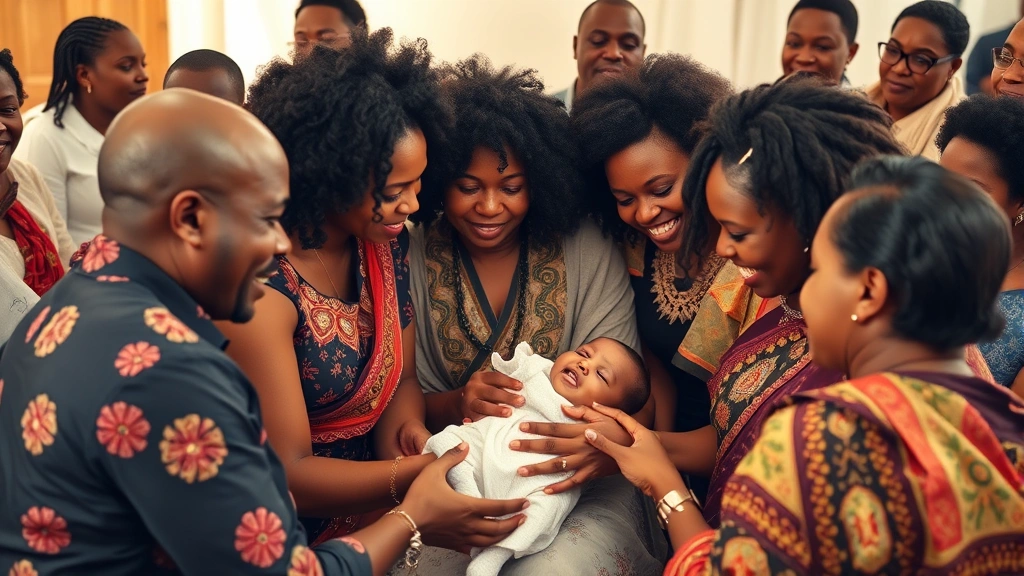
One powerful practice is the formal naming ceremony. Many Black families, drawing on African traditions and creating new rituals, hold ceremonies that introduce their child to community while sharing the story and significance of their name. These ceremonies can be religious, secular, or blended—what matters is that they’re intentional and meaningful.
Another approach is storytelling. Regularly tell your child the story of their name. Why did you choose it? What does it mean? Is there an ancestor it honors? What values does it represent? These stories become part of your child’s internal narrative and strengthen their connection to identity and heritage.
As your child grows, you can deepen this practice. Help them research the meaning and history of their name. If their name comes from an African language, learn the proper pronunciation together and teach them about the culture it comes from. If their name honors an ancestor, share stories about that person. If their name reflects a movement or philosophy, explore that history together.
Documentation matters too. Whether you’re creating a baby book or a digital record, write down the story of your child’s name. Include the meaning, the reasoning behind your choice, and any cultural or familial significance. This becomes a treasure for your child to access as they grow and develop their own relationship with their identity.
Create rituals around your child’s name. Some families have annual naming day celebrations. Others incorporate their child’s name into blessings or affirmations. Some teach their children the proper way to introduce themselves, with pride and clarity about pronunciation and meaning.
Remember that celebrating your child’s name is ultimately about celebrating them—their identity, their heritage, their place in a lineage of strength and resistance. It’s about saying: We see you. We value you. You matter. Your name matters. Your identity matters.
Frequently Asked Questions
Why do Black naming traditions matter if names don’t determine destiny?
While a name doesn’t determine destiny, it profoundly influences identity development, psychological well-being, and how children see themselves. Names carry meaning and history. For Black children, a name that reflects cultural pride and heritage becomes a protective psychological resource and a daily affirmation of identity and belonging.
Should I choose a name that’s easy for non-Black people to pronounce?
This is a personal decision that reflects your values and strategy. Some families prioritize accessibility; others prioritize cultural authenticity and refuse to assimilate their child’s identity for others’ comfort. Both approaches are valid. What matters is that the decision is intentional and reflects what you believe is best for your child.
How do I research African names and their meanings?
Many resources exist for researching African names. Online databases like Nameberry, BabyNameWizard, and specialized sites focused on African naming traditions provide meanings and cultural context. You can also consult books on African naming practices, connect with cultural organizations, or speak with people from specific African cultures or countries.
Is it okay to create a unique name for my child?
Absolutely. Creating unique names—whether through novel combinations, creative spellings, or entirely new words—is a long-standing Black naming tradition. What matters is that the name has meaning to your family and reflects your values and vision for your child.
How do I teach my child about their name’s significance?
Start early and keep it ongoing. Tell the story of their name regularly. As they grow, involve them in research and exploration. Help them understand cultural, historical, or familial connections. Create rituals and celebrations around their name. Make their name a source of pride and connection rather than something that’s just a label.
What if family members disagree with my naming choice?
Family disagreements about naming are common and often reflect different philosophies about identity, assimilation, and cultural expression. Have respectful conversations about your reasoning. Ultimately, as the parent, this is your decision to make. What matters is that you’re making it thoughtfully and with your child’s best interests and identity at heart.
Can I honor multiple cultural heritages in my child’s name?
Yes. Many Black families have multiple cultural heritages—African, Caribbean, Native American, Latina/Latino, Asian, and others. Creating names that reflect these multiple identities can be a beautiful way to honor your family’s complexity and richness. This might involve combining elements from different languages or traditions, or choosing a name from one heritage while acknowledging others.