
British Baby Buggy: A Parent’s Guide to Choosing the Perfect Pram
There’s something distinctly reassuring about the British approach to baby transport. The term “buggy” itself conjures images of London’s iconic black cabs, quintessential tea time, and a certain no-nonsense practicality that’s served British parents well for generations. But here’s the thing: choosing a British baby buggy isn’t just about tradition or aesthetics. It’s about finding the right balance between style, functionality, and your family’s actual lifestyle.
Whether you’re a first-time parent navigating the overwhelming world of prams and pushchairs, or you’re adding to your brood and reconsidering your gear, understanding what makes a British baby buggy distinct—and whether it’s right for you—matters more than you might think. These aren’t just places to stash your baby; they’re your daily companion for school runs, weekend adventures, and those moments when you desperately need a portable nap solution.
The British baby buggy market has evolved dramatically over the past decade. What was once a choice between a few established brands has exploded into a dizzying array of options, from heritage manufacturers to innovative startups. Each promises something different: lightweight convenience, all-terrain capability, luxury craftsmanship, or pocket-friendly practicality.
What Exactly Is a British Baby Buggy?
Let’s clear up the terminology first, because it matters. In British English, a “buggy” is what Americans call a stroller or pushchair—the wheeled contraption you push while your baby sits or lies in it. The term “pram” (short for perambulator) specifically refers to the larger, carriage-style buggies where babies lie flat. A “pushchair” is similar to what we’d call a stroller, typically for older babies and toddlers who can sit upright. Most modern British baby buggies are actually convertible systems that do a bit of everything.
What distinguishes a British baby buggy from its international cousins? Honestly, it’s partly heritage and partly pragmatism. British manufacturers have spent decades perfecting designs that work on narrow pavements, fit through cottage doorways, and handle everything from London drizzle to country lanes. There’s an engineering philosophy here that prioritizes durability and versatility over sheer bulk.
The British baby buggy typically features a more upright design than American strollers, better suspension for uneven surfaces, and often includes a bassinet component that’s actually suitable for newborns—not just an afterthought. The materials tend toward quality fabrics and sturdy frames, with an emphasis on longevity rather than disposability.
Heritage British Buggy Brands That Still Matter
When we talk about British baby buggies, certain names keep appearing in conversations at playgrounds and parent groups. These aren’t just brand names; they’re institutions that have evolved with British parenting culture.
Silver Cross remains the gold standard in many minds. Founded in 1877, they literally invented the modern pram. Their designs are instantly recognizable—those deep, sprung carriages with proper wheels (not the flimsy plastic things you see on budget models). A Silver Cross buggy is a statement piece, and yes, they’re expensive, but they hold their value remarkably well.
Bugaboo, though Dutch-founded, has become practically British in spirit through decades of UK popularity. Their modular system approach revolutionized how parents think about buggies. You buy the chassis once and swap out different “seats” as your child grows. This flexibility appeals to the practical British sensibility.
Uppababy brings American-style innovation with British-friendly engineering. Their Vista and Cruz models are engineering marvels—lightweight yet robust, with surprisingly thoughtful details that make daily life easier.
Stokke offers Scandinavian minimalism with genuine functionality. Their designs are often polarizing—some parents find them brilliantly simple, others think they’re unnecessarily complicated. But there’s no denying the quality.
Joolz is a newer Dutch brand that’s gained serious traction in the UK by offering that European design sensibility without the astronomical price tags of heritage brands.
Beyond these major players, there’s a thriving market of smaller British manufacturers creating niche buggies for specific needs—from off-road jogging buggies to ultra-compact travel models.
Types and Styles: From Prams to Pushchairs
Understanding the different categories helps you narrow down what actually suits your life. If you’re comparing options for your growing family, you might consider how different models work at different stages. Even something like a baby stroller evolves in purpose as your child develops.
Travel Systems are the modern answer to the “buy everything” dilemma. These combine a car seat, carrycot, and pushchair seat on one chassis. You click the car seat directly onto the frame, which is genuinely convenient for those first months. British travel systems tend to be more robust than their American counterparts, with better weather protection and suspension.
Pram and Pushchair Combos give you a proper flat bed for newborns (essential for spinal development, despite what some parenting blogs claim) and convert to an upright seat for older babies. These are heavier but offer that flexibility many families want.
Lightweight Strollers have become increasingly popular, especially among parents who travel frequently or navigate busy urban environments. These sacrifice some comfort features for portability, but modern lightweight buggies are genuinely impressive. They’re perfect if you’re juggling a best baby walker and other gear.
Jogging Buggies are purpose-built for active parents. Three-wheeled, with proper suspension and fixed front wheels, they’re specifically designed for running or serious walking on varied terrain. If you’re genuinely running with your baby regularly, this isn’t a luxury—it’s a necessity for safety.
Double Buggies come in several configurations: side-by-side (wider but better visibility for both children), tandem (front and back, narrower but heavier), and convertible (adapts as your second child grows). British double buggies tend to be better engineered than budget alternatives, with smoother steering and better weight distribution.
Key Features to Look For
Beyond brand names and style categories, specific features make the difference between a buggy that becomes your best friend and one that makes you want to scream.
Suspension and Wheels matter more than marketing suggests. Pneumatic (air-filled) wheels provide better shock absorption on rough surfaces but require maintenance. Foam-filled wheels never puncture but can feel harsher. British buggies typically offer better suspension than budget models, which genuinely matters if you’re navigating cobbled streets or uneven pavements.
Recline and Lie-Flat Capability isn’t just luxury—it’s developmental. Newborns genuinely need proper flat sleeping positions during the day, not just a slight recline. A truly flat carrycot or seat is worth prioritizing if you have a newborn.
Weather Protection is where British design often shines. A decent canopy that actually extends to protect from rain, a footmuff that integrates properly, and materials that handle dampness without deteriorating—these aren’t nice-to-haves in Britain, they’re necessities.
Storage seems mundane until you’re trying to fit a nappy bag, shopping, a jacket, and a small child’s random treasures into a basket that’s smaller than your actual baby. Look for buggies with generous under-seat storage and good access when the seat is reclined.
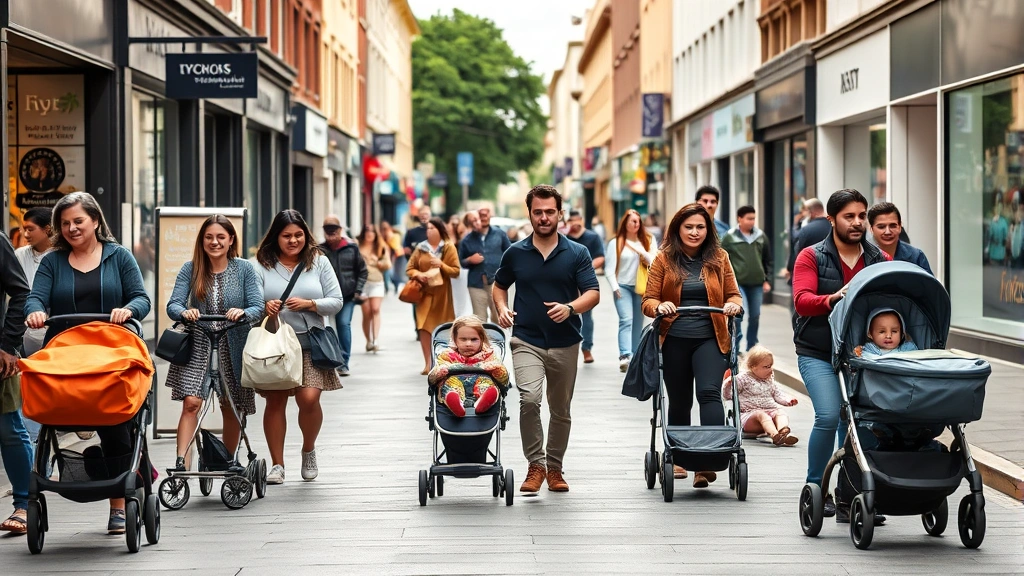
Steering and Maneuverability determine whether you’ll enjoy using this thing daily or resent it. Better buggies have smooth steering with good feedback, making them feel responsive rather than clunky. This matters more in crowded places than marketing materials suggest.
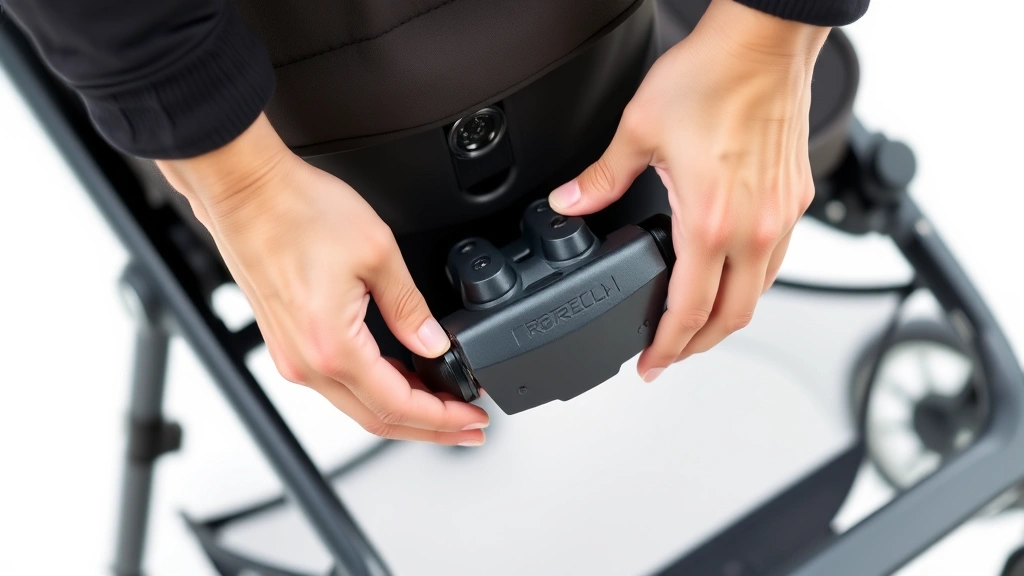
Folding Mechanism affects your daily life. A one-handed fold is genuinely useful when you’re holding a baby. A compact fold matters if you have a small car. Some British buggies prioritize fold compactness; others optimize for one-handed operation. Know which matters to you.
Practical Considerations for Modern Families
Here’s where the rubber meets the road—literally and figuratively.
Your Living Environment dramatically affects which buggy makes sense. Urban parents navigating stairs, narrow pavements, and public transport need different features than suburban parents with driveways and spacious shops. A British baby buggy that’s perfect for London might be overkill for rural countryside living, and vice versa.
Car Storage is genuinely important. If your car has a small boot, that lightweight stroller makes more sense than the beautiful but bulky pram system. This isn’t glamorous, but it’s real.
Public Transport Use shapes your needs. If you’re regularly on buses and trains, you need something that folds compactly and isn’t too heavy. Many British buggies are specifically designed with this in mind, unlike some American models that assume car-based transport.
Longevity and Resale Value matter financially. British heritage buggies hold their value exceptionally well—you can often recoup 60-70% of your investment when reselling. Budget models typically recoup 20-30%. If you’re planning multiple children or considering resale, this affects the true cost.
Spare Parts Availability is surprisingly important. Can you easily replace a wheel? Get a new canopy? Upgrade the seat? British brands tend to support their products for years, which matters when you want to maintain rather than replace.
Comparing British Buggies to Other Options
So how does a British baby buggy compare to other categories? If you’re considering a baby doll stroller for your older child while managing a real buggy for your baby, you’re looking at different needs entirely. But for your main family transport, here’s how British options stack up.
Versus American Strollers: American strollers tend toward larger, heavier designs with bigger wheels and more storage. British buggies prioritize maneuverability and weather protection. American models often assume you’re driving to destinations; British models work better for walking as transport.
Versus Budget Supermarket Buggies: There’s genuinely a difference between a £80 supermarket special and a £400 British buggy. The budget options work fine for occasional use, but daily use reveals the differences: suspension, steering, durability, and weather protection all matter more than marketing suggests.
Versus Luxury European Imports: Many premium buggies are European (Swiss, Scandinavian, or Dutch). British buggies often offer similar quality with slightly different design priorities. You’re not paying less for inferior products; you’re choosing different design philosophies.
Budget Breakdown: What You’ll Actually Spend
Let’s talk money, because this affects real decisions.
Budget Range (£150-300): These are your supermarket-special territory—lightweight, basic, functional. They work for occasional use but show strain with daily use. Expect plastic components, basic suspension, and limited longevity.
Mid-Range (£300-600): This is where most British families land. You get genuine quality, better materials, proper suspension, and designs that work well for 2-3 years of regular use. Brands in this range include many Bugaboo models, mid-range Uppababy options, and some Joolz designs.
Premium (£600-1200): Heritage brands like Silver Cross sit here, along with top-tier Bugaboo and Stokke models. You’re paying for longevity, design heritage, and features that genuinely make daily life easier. These hold resale value exceptionally well.
Luxury (£1200+): Limited edition designs, bespoke customization, and maximum heritage. This is where you’re buying a statement and an heirloom piece, not just transportation.
Remember: the most expensive buggy isn’t necessarily right for your family. A £500 mid-range buggy that you’ll actually use daily is better than a £1000 luxury model that intimidates you into staying home to keep it pristine.
Safety Standards and Regulations
British baby buggies must meet strict safety standards, which is genuinely reassuring. The UK’s safety regulations for buggies are among the world’s most stringent. Look for the BS EN 1888 standard mark, which indicates the buggy meets British and European safety requirements.
Key safety considerations include:
- Five-point harness systems that keep your child secure without being uncomfortable
- Brake systems that actually hold on slopes—test these before purchasing
- Stability standards that prevent tipping, especially important for double buggies
- Wheel security to prevent unexpected wheel detachment
- Proper suspension to protect developing spines from excessive jolting
The American Academy of Pediatrics provides additional safety guidance that applies regardless of buggy origin. Don’t ignore these; they’re evidence-based recommendations, not marketing.
When testing a buggy, actually use the brake system. Check that the harness fits your child comfortably without excessive slack. Verify that the seat reclines smoothly without pinching. These aren’t paranoid checks; they’re essential safety verification.
Consider that your growing child will have different safety needs at different ages. A buggy that’s perfect for a newborn might need adjustment for a toddler. British buggies tend to accommodate these changes better than budget alternatives.
Frequently Asked Questions
Is a British baby buggy worth the extra cost compared to budget alternatives?
This depends on your priorities and usage. If you’ll use it daily for 2-3 years and potentially for multiple children, the mid-range to premium British buggy usually makes financial sense. You’ll get better resale value, fewer repairs, and a product that genuinely works better daily. If you’ll use it occasionally or only for one child, a budget option might suffice. However, many parents find that the daily frustrations with budget buggies (poor steering, inadequate weather protection, unreliable brakes) make them regret not investing more.
What’s the difference between a pram and a pushchair, and do I need both?
A pram has a flat carrycot suitable for newborns; a pushchair is for sitting upright. Modern British baby buggies are often convertible systems that do both, so you typically don’t need separate products. However, some parents prefer the dedicated pram for the first 6 months, then switch to a lightweight pushchair for convenience. This depends on your lifestyle and budget.
Can I use a British baby buggy on public transport?
Yes, absolutely. British buggies are specifically designed with public transport in mind. Compact fold mechanisms make them manageable on buses and trains. However, check your local transport provider’s specific requirements—some buses require you to fold the buggy, while trains might have dedicated buggy spaces. Many British parents use their buggies as primary transport via walking and public transit.
How long will a British baby buggy last?
A quality British buggy typically lasts through 2-3 children or 5-7 years of regular use. Heritage brands like Silver Cross are still used by families after 10+ years with just routine maintenance. Budget models typically show significant wear after 2-3 years. Resale value reflects this—a 3-year-old mid-range British buggy often resells for 50-60% of original price, while budget models might fetch 20-30%.
Are British buggies suitable for rough terrain or off-road use?
Standard British buggies work well on pavements, cobbles, and light terrain but aren’t designed for serious off-road use. If you regularly walk on rough countryside terrain, consider a specialized jogging buggy with better suspension and wheel design. However, most British buggies handle rougher surfaces better than lightweight travel strollers.
What should I look for when buying a second-hand British buggy?
Check for wear on wheels, test all moving parts (recline, fold, brake), verify that all safety components work properly, and ask about the buggy’s history. Second-hand British buggies from reputable brands are often excellent value—you’re getting proven quality at a discount. Just ensure nothing’s been damaged or recalled. Websites like Which? provide useful second-hand buying guidance.
Can I find British baby buggy recommendations for specific lifestyles?
Yes—different British buggies suit different needs. Urban parents with stairs need compact fold mechanisms and lightweight designs. Active parents need suspension and maneuverability. Parents with multiple children need either double buggies or compatibility systems. Shopping parents need generous storage. Rather than buying the “best” buggy, identify your actual lifestyle priorities and choose accordingly. The perfect buggy for a rural family might be completely wrong for urban living.
How do I choose between a new and second-hand British baby buggy?
New buggies come with warranties, full lifespan ahead, and your color choice. Second-hand buggies cost significantly less and often represent excellent value if purchased from reputable sellers. Many parents buy second-hand mid-range buggies (like used Bugaboo or Uppababy models) and get better quality than they could afford new at budget prices. The decision depends on your budget and comfort level with pre-owned items.
If you’re considering gift options for new parents, baby boy gifts and baby girl gifts often include buggy accessories rather than the buggies themselves—covers, organizers, and weather protection are genuinely useful additions.