What Is a British Baby Buggy? A Helpful Guide
If you’ve ever scrolled through British parenting forums or watched a London-based family vlog, you’ve probably heard the term “baby buggy” thrown around with the same casual confidence Americans use “stroller.” But here’s the thing—a British baby buggy isn’t quite the same as what North Americans typically envision. Understanding the distinctions matters, especially if you’re navigating international parenting advice, considering imported gear, or simply curious about how different cultures approach baby transportation.
The world of baby gear is wonderfully diverse, and the British approach to buggies reflects decades of refined design, practical street navigation, and a particular philosophy about how babies should experience the world. Whether you’re expecting your first child, relocating to the UK, or just fascinated by parenting culture across the pond, this guide will walk you through everything you need to know about British baby buggies.
Let’s dive into what makes these iconic pushchairs so distinctly British, how they differ from their American cousins, and whether one might be right for your family.
What Exactly Is a British Baby Buggy?
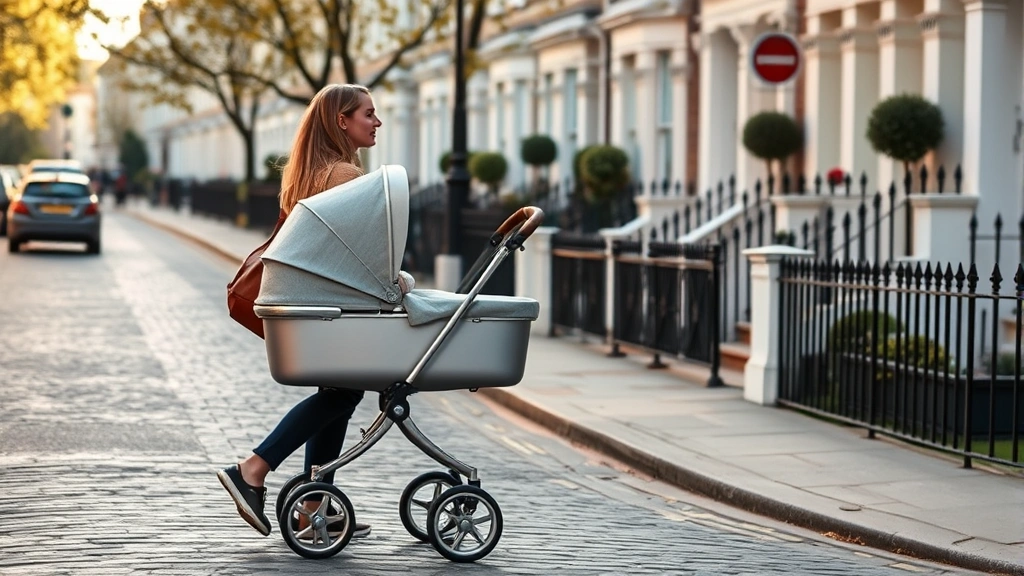
A British baby buggy—often called a “pram” or “pushchair” depending on context—is a wheeled device designed to transport infants and toddlers. But unlike the often lightweight, compact strollers popular in North America, British buggies tend to be more substantial, feature-rich, and engineered with specific priorities in mind.
The term “buggy” itself is somewhat informal in British English. More formally, you’d hear “pram” (short for perambulator) for a full carriage-style buggy with a flat sleeping surface, or “pushchair” for the more upright, folding variety. However, “buggy” is increasingly used as an umbrella term, particularly among younger British parents.
British buggies typically feature sturdy frames, larger wheels designed for uneven pavements and cobblestones, and weather protection that’s genuinely practical rather than merely decorative. They’re built with the assumption that British babies will spend considerable time outdoors, regardless of drizzle or grey skies.
The design philosophy emphasizes durability and longevity. Many British families pass down buggies through multiple children, which speaks volumes about their construction quality. This isn’t a disposable piece of gear; it’s an investment in your parenting infrastructure.
The History Behind British Buggy Design
To understand why British buggies look and function the way they do, you need to understand their heritage. The perambulator was essentially invented in Britain during the Victorian era, when wealthy families wanted a way to display their infants while maintaining proper social distance and protection from the elements.
The original prams were enormous, ornate carriages with springs, large wheels, and elaborate canopies. They were status symbols as much as practical devices. Over generations, British designers refined these concepts, stripping away unnecessary ornamentation while maintaining the engineering principles that made them work so well on British streets.
Unlike American stroller culture, which embraced lightweight, compact, car-seat-integrated designs (largely because of car-dependent infrastructure), British buggy design evolved to serve a society where walking and public transportation remained central to daily life. Parents regularly navigated narrow pavements, tube stations with stairs, and villages with unpredictable terrain. The buggy had to be robust, maneuverable, and reliable.
This historical context explains why you’ll find British buggies at the premium end of the price spectrum. Brands like Silver Cross, Bugaboo (Dutch but hugely popular in the UK), and Icandy represent generations of design refinement and engineering excellence.
Key Differences From American Strollers
If you’re familiar with American strollers, a British buggy might initially feel like overkill. Here are the main distinctions:
- Wheel Size and Suspension: British buggies feature significantly larger wheels (often 10-12 inches) with sophisticated suspension systems. American strollers typically have smaller wheels optimized for smooth mall floors and parking lots. British wheels are engineered for cobblestones, gravel paths, and uneven pavements.
- Weight and Portability: American strollers prioritize lightweight design for easy car transport. British buggies are heavier but offer better stability and durability. This reflects different lifestyle assumptions—Americans expect to collapse a stroller and load it into a trunk; British parents expect to push it everywhere.
- Seat Configuration: Many British buggies offer reversible seats so babies can face either direction. This feature is less common in American strollers, though the philosophy reflects a British preference for parent-facing orientation during infancy.
- Weather Protection: British buggies come with substantial rain covers and wind protection as standard. American stroller accessories often feel like afterthoughts.
- Storage: British buggies typically include generous under-carriage storage baskets. American strollers often have minimal storage, assuming you’re carrying a diaper bag.
These aren’t arbitrary differences. They reflect genuine philosophical divergence about how babies should be transported and what infrastructure parents navigate daily.

Types of British Buggies
British buggies come in several distinct categories, each serving different needs and stages of childhood:
Traditional Prams
These are the classic, carriage-style buggies with a flat sleeping surface and substantial frame. They’re ideal for newborns who need to lie flat and provide excellent suspension for smooth rides. Traditional prams are increasingly popular among style-conscious British parents who appreciate their aesthetic and engineering. They’re not practical for frequent folding or car transport, but they excel at street-based parenting.
Pushchairs (Folding Strollers)
These are the more compact, upright buggies that fold for storage and transport. They’re suitable from around six months and perfect for toddlers. Pushchairs offer flexibility without sacrificing the quality engineering British parents expect. If you need something more portable than a pram but more robust than a typical American stroller, a pushchair is your answer.
Travel Systems
These combine a car seat with a buggy chassis, allowing seamless transitions from car to street without waking your baby. Travel systems are increasingly popular in the UK as car ownership rises, though they’re still less universal than in North America. They offer practical flexibility while maintaining British standards for outdoor comfort.
Jogging Buggies
For active parents, specialized jogging buggies with three wheels and advanced suspension allow running with your baby safely. These are particularly popular among British parents who view active outdoor time as essential to family life.
Lightweight Buggies
Recognizing that not every outing requires a full-size pram, British manufacturers offer lighter, more compact options for holidays or secondary use. These maintain quality engineering but sacrifice some of the substantial comfort features. Think of them as the “good enough” option for specific situations.
Essential Features and Why They Matter
When evaluating a British baby buggy, certain features consistently matter:
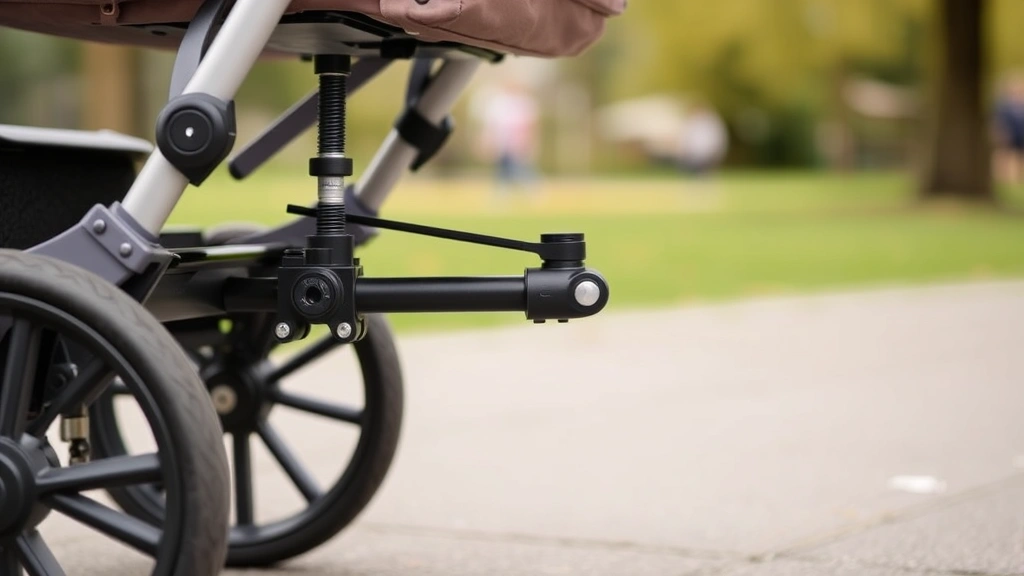
Suspension System: This is non-negotiable. Proper suspension absorbs bumps and vibrations, protecting your baby’s developing spine and making rides smoother. British buggies invest heavily here because they anticipate rough terrain.
Wheel Quality: Larger wheels with quality bearings roll smoothly over varied surfaces. They also provide better maneuverability than smaller wheels, which matters when navigating narrow shop aisles or tight spaces.
Frame Durability: Aluminum or steel frames should feel solid without excessive flex. Cheaper buggies develop wobbles over time; quality British buggies maintain integrity for years.
Brake System: Reliable, easy-to-engage brakes are essential, particularly on British streets with hills and varied inclines. Foot-operated brakes are standard and practical.
Reversible Seat: This feature allows babies to face parents during infancy, then turn around as they grow more interested in the world. It’s a luxury feature that reflects British parenting philosophy about maintaining connection.
Weather Protection: Quality rain covers, wind protection, and UV-blocking canopies aren’t luxuries in Britain—they’re necessities. Look for covers that attach securely and don’t create a stuffy microclimate.
Choosing the Right Buggy for Your Family
Selecting a British baby buggy requires honest assessment of your lifestyle and needs:
Consider Your Environment: Do you navigate mostly smooth urban pavements or rougher countryside terrain? Will you use public transportation frequently? Are you primarily walking or primarily driving? These questions determine whether you need a robust pram or a more compact pushchair.
Evaluate Your Budget: Quality British buggies range from £300 to £1,500+. Determine what you can reasonably invest. Remember that durability means cost-per-use often favors premium options, especially if you plan multiple children.
Think Long-Term: How long do you envision using the buggy? If you want something that grows with your family, consider buggies with expandable seat systems or the ability to add additional seats for siblings. This is where the best baby shower gifts often include versatile, long-lasting gear.
For parents considering portable options, exploring baby doll stroller designs can offer insights into compact folding mechanisms, though full-size buggies offer superior comfort. Some parents also appreciate understanding best baby walker options for when their children reach mobility stages, as these complement rather than replace buggies.
Test Before Buying: If possible, visit retailers and physically push different models. Feel how they maneuver, test the brakes, check the folding mechanism, and assess visibility of your baby. What feels comfortable for your height and strength matters more than specifications on paper.
Research Longevity: Read reviews from parents who’ve used specific models for multiple years. Check whether replacement parts are readily available. Some British buggy brands maintain parts availability for decades, while others discontinue support quickly.
Consider Your Co-Parents: If you’re parenting with a partner or caregiver, ensure the buggy works for everyone who’ll use it. Handle and comfort vary based on height and strength, so test it with all potential users.
If you’re shopping for families with young children, remember that baby boy gifts and baby girl gifts often include practical gear like quality buggies alongside toys and clothing, making them investments in family lifestyle rather than mere novelties.
Frequently Asked Questions
Is a British baby buggy the same as a stroller?
Not exactly. While stroller and buggy are sometimes used interchangeably, British buggies typically refer to more substantial, feature-rich vehicles with larger wheels and better suspension. American strollers tend to be lighter and more compact. The term “pram” specifically refers to the carriage-style buggy with a flat sleeping surface, while “pushchair” describes the more upright, folding variety.
Are British buggies worth the higher price?
For many families, yes. British buggies are engineered for durability, comfort, and long-term use. They’re designed to be passed down through multiple children or sold secondhand in excellent condition. While you’ll pay more upfront, the cost-per-use often justifies the investment, particularly if you plan multiple children or value superior engineering.
Can I use a British buggy in North America?
Absolutely. While they’re designed for British streets, British buggies function well in North American environments. However, their weight and size make them less practical for frequent car transport. They excel in walkable neighborhoods but may feel cumbersome if you primarily drive.
What’s the difference between a pram and a pushchair?
A pram (perambulator) is the traditional carriage-style buggy with a flat sleeping surface, suitable from birth. A pushchair is the more upright, folding stroller typically used from around six months. Some modern buggies combine features of both, offering reversible seats and adjustable recline.
Are British buggies suitable for newborns?
It depends on the model. Traditional prams with flat sleeping surfaces are excellent for newborns and provide superior comfort for extended outings. Pushchairs with fully reclined seats can also work for newborns, though some parents prefer the dedicated flat surface a pram offers. Always check the manufacturer’s age and weight recommendations.
How do I fold a British buggy?
Folding mechanisms vary by model. Some use single-hand collapse systems, while others require two-step processes. Most quality British buggies fold relatively compactly despite their size. Always practice folding before you need to do it quickly or under stress. Retailers can demonstrate proper technique during purchase.
Where can I buy British baby buggies?
Specialist baby retailers, department stores, and online retailers stock British buggies. In the UK, John Lewis, Mothercare, and independent baby shops offer extensive selections. Online platforms like Amazon UK and specialist retailers ship internationally. Consider buying from retailers that offer trial periods or easy returns, as personal comfort with the buggy matters significantly.
What maintenance do British buggies require?
Quality British buggies require minimal maintenance. Regular cleaning, occasional lubrication of wheel bearings, and checking brake function keep them operating optimally. Most components are designed for longevity with minimal wear. Replacement parts are typically available for quality brands, making repairs straightforward when needed.
Can I use a British buggy for jogging?
Standard British buggies aren’t designed for jogging. However, specialized jogging buggies with three wheels, advanced suspension, and fixed front wheels are available and designed specifically for running parents. These offer the quality engineering of traditional buggies with the functionality needed for active use.
Are British buggies eco-friendly?
The durability and longevity of quality British buggies make them inherently more sustainable than cheaper alternatives. They’re frequently passed down through multiple children or resold in excellent condition, reducing waste. Additionally, their robust construction means they don’t require replacement as frequently as lower-quality options.