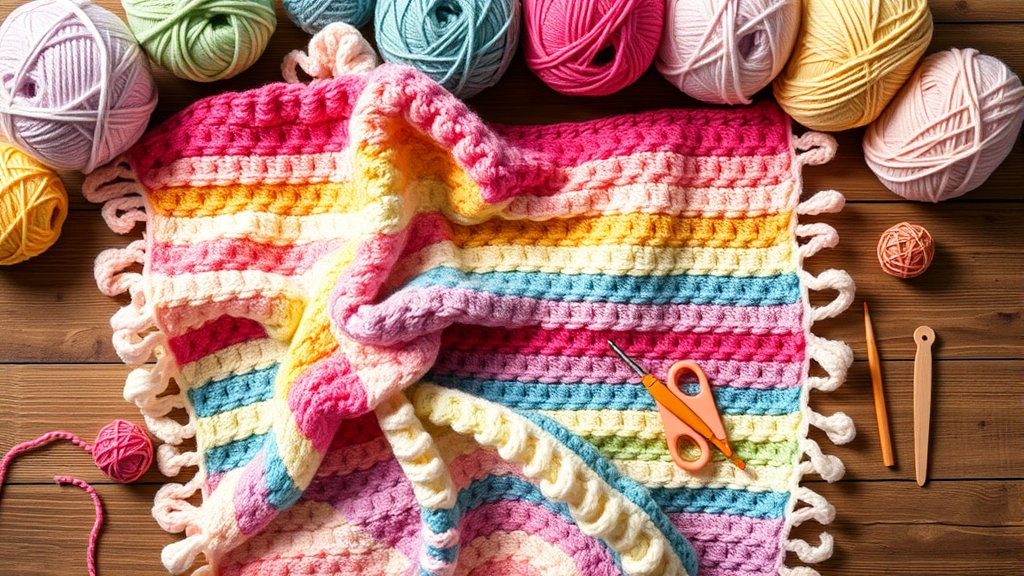
Crochet Baby Blanket Patterns: Expert Guide to Creating Cherished Handmade Gifts
There’s something genuinely magical about creating a handmade blanket for a baby. It’s not just the hours of work or the perfect tension you’ve finally mastered—it’s the knowledge that your hands crafted something that’ll wrap a new human through their earliest adventures. Whether you’re expecting your own little one or shopping for someone else’s bundle of joy, crochet baby blanket projects offer a deeply personal way to celebrate new arrivals.
The beauty of crochet lies in its accessibility. You don’t need fancy equipment or years of experience to produce something absolutely stunning. What you do need is the right pattern, quality yarn, and a willingness to embrace the meditative rhythm of hook and loop. This guide walks you through everything—from selecting the perfect pattern to troubleshooting those inevitable moments when your tension goes sideways.
If you’re considering this project, know that you’re embarking on something genuinely rewarding. The result isn’t just a functional piece; it becomes a keepsake that families treasure for years, sometimes across generations. Let’s dive into what makes certain crochet baby blanket patterns work beautifully, and how to execute them with confidence.
Understanding Baby Blanket Dimensions and Safety
Before you start shopping for yarn, you need to understand what makes a proper baby blanket. The baby blanket size matters more than you might think—too small and it’s impractical; too large and it becomes unwieldy for actual use.
Standard baby blankets typically measure between 28 by 34 inches and 40 by 50 inches. Most crochet projects fall in the 36 by 42 inch range, which provides adequate coverage without becoming overwhelming to maneuver. For newborn-specific blankets, aim closer to 30 by 40 inches. This size works perfectly for strollers, car seats, and those precious first photo shoots.
Safety considerations deserve real attention here. The baby blanket should have a tight, secure weave with no loose fibers that could become hazards. Avoid blankets with dangling decorations, loose buttons, or embellishments for babies under 12 months. Your crochet work should be dense enough that little fingers can’t catch in large gaps. Additionally, always verify that your yarn choice meets safety standards—look for baby-safe, non-toxic options without chemical treatments.
According to the American Academy of Pediatrics, loose blankets shouldn’t be in sleep spaces with infants under one year, but they’re perfect for tummy time, stroller use, and decoration. This distinction is important as you plan your project.
Essential Materials and Tools
Your success hinges largely on having quality supplies. Let’s talk specifics because generic advice won’t cut it when you’re investing time into a meaningful gift.
Yarn Selection: Baby yarn needs to be soft, washable, and durable. Merino wool blends, cotton, or acrylic specifically labeled for babies work best. Avoid novelty yarns with texture variations that create safety concerns. You’ll typically need 1,000 to 1,500 yards for a standard-sized blanket, depending on pattern density and stitch complexity.
Hooks: Match your hook size to your yarn weight. The pattern will specify, but generally, baby blankets use hooks ranging from size D/3.25mm to J/6mm. Ergonomic hooks reduce hand fatigue during longer sessions. Bamboo and wooden hooks are gentler than metal for extended work.
Additional Tools: Keep scissors, stitch markers, a measuring tape, and yarn needles handy. Many crocheters swear by row counters—they’re lifesavers when you’re working on intricate patterns with multiple sections.
Top Crochet Patterns for Beginners
If this is your first blanket project, you need patterns that build confidence without requiring advanced techniques. Here’s what actually works for newcomers:
Single Crochet Classic: Don’t dismiss this as boring. A single crochet blanket in alternating colors creates visual interest without complexity. The tight weave provides excellent safety for babies, and the repetitive motion becomes meditative. You’ll learn rhythm and tension control, which transfers beautifully to more complex work.
Granny Square Compilation: Traditional granny squares appeal for good reason. Create individual squares, then join them together. This breaks the project into manageable chunks, and if you make a mistake, it’s contained to one square. Arrange them in patterns—solid colors, gradients, or random combinations—for different aesthetics.
Simple Shell Stitch: Shell stitches create lovely texture without overwhelming beginners. The pattern repeats simply: skip a stitch, work multiple stitches in the next stitch, repeat. The result looks more complex than the execution, which builds confidence beautifully.
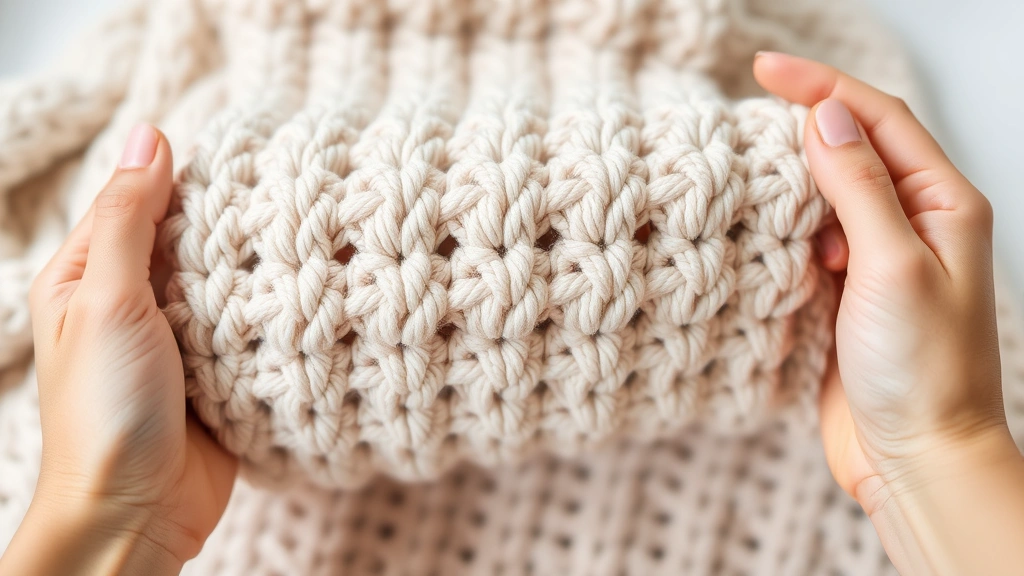
Moss Stitch Blanket: Alternating single crochet and chain stitches create a textured, reversible fabric. It’s forgiving with tension variations and produces a blanket that looks intentional regardless of minor inconsistencies.
These patterns form the foundation for understanding how stitches build upon each other. Master these, and you’re ready to advance.
Intermediate and Advanced Patterns
Once you’ve completed a basic blanket, you’re ready for patterns with genuine visual complexity. Here’s where your crochet skills flourish:
Ripple and Wave Patterns: Ripple blankets create undulating patterns through strategic increases and decreases. They’re hypnotic to create and produce stunning visual results. The mathematical precision required teaches you how stitch placement creates form.
Bobble and Popcorn Stitches: These textured stitches add dimension and interest. They require more focus but reward you with blankets that feel as beautiful as they look. Bobble stitches work particularly well in borders or scattered throughout solid-colored bases.
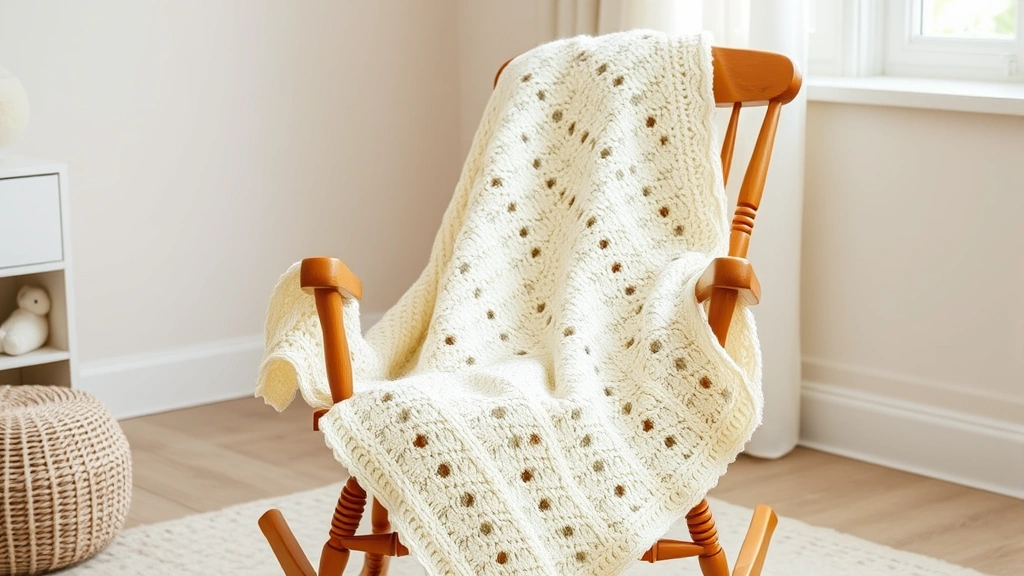
Lacy and Openwork Patterns: Delicate, breathable blankets using yarn overs and strategic gaps create heirloom-quality pieces. These require careful counting and attention, but they’re absolutely worth the effort. Consider personalized baby blankets using lacy patterns—they photograph beautifully for announcements and nursery displays.
Graphgan Patterns: These follow charts like cross-stitch, creating pictures or words within the blanket. They demand concentration but produce truly unique pieces. A graphgan with a baby’s name or birth date becomes an irreplaceable keepsake.
Choosing the Right Yarn
Yarn choice dramatically impacts your finished blanket’s quality, safety, and longevity. Let’s get specific because all baby yarn isn’t created equal:
Weight Matters: Baby blankets typically use sport weight through worsted weight yarn. Lighter weights create delicate, breathable blankets; heavier weights produce warmer, more substantial pieces. Your pattern specifies what works, but understanding the difference helps you troubleshoot if substituting yarns.
Fiber Content: Pure cotton breathes beautifully and washes easily, though it can feel slightly stiff initially. Merino wool blends offer warmth and softness without the scratchiness of standard wool. Acrylic baby yarn has come a long way—quality options exist that are soft, durable, and genuinely baby-safe. Blends combining these fibers often provide the best balance.
Care Instructions: Check washing requirements before committing. Yarn requiring hand-washing only might be impractical for a frequently-used baby blanket. Machine-washable options in gentle cycles work better for items that’ll need regular cleaning.
Dye Safety: Ensure your yarn comes from reputable manufacturers using baby-safe dyes. Avoid heavily-dyed novelty yarns. Natural or pastel colors often indicate safer dye processes.
Quality yarn costs more upfront but produces superior results. A blanket made from quality yarn will maintain its softness through countless washings, becoming softer rather than deteriorating.
Step-by-Step Construction Tips
Having the pattern and materials means nothing without solid execution. Here’s how to approach your project methodically:
Read the Entire Pattern First: Before touching your hook, read through completely. Note abbreviations, special stitches, and any techniques you’re unfamiliar with. Watch tutorial videos for techniques you haven’t tried. This preparation prevents frustrating mistakes mid-project.
Create a Gauge Swatch: Yes, really. Crochet a 4-inch square using your intended yarn and hook. Measure it carefully. If your gauge doesn’t match the pattern’s, adjust your hook size. Gauge differences seem minor but dramatically affect finished dimensions.
Mark Your Progress: Use stitch markers to denote pattern repeats. When you take breaks, mark exactly where you stopped. This prevents confusion when you return to work.
Tension Control: Consistent tension creates even stitches. Hold your yarn the same way every time. Your tension will naturally improve with practice, but awareness accelerates the process. If stitches become looser as you tire, take breaks. Pushing through creates visible inconsistencies.
Count Stitches Regularly: Check your stitch count at the end of each row or round, especially with complex patterns. Catching mistakes early prevents having to unravel entire sections later.
Join New Yarn Properly: When starting a new ball, overlap about 3 inches with your working yarn. Work over both strands for several stitches, then trim the ends. This creates secure joins without knots.
Finishing Touches and Personalization
The blanket’s almost complete—now comes the magic of personalization. This is where your blanket transforms from nice handmade item to treasured keepsake.
Borders and Edging: A thoughtful border frames your work beautifully. Picot edges, scalloped borders, or simple single crochet edges all work. The border should complement your pattern without overwhelming it. A 1-inch border typically provides enough definition without consuming excessive yarn.
Weaving in Ends: This tedious step matters. Use your yarn needle to weave ends through several stitches on the wrong side, then trim. Secure weaving prevents unraveling and creates a professional finish.
Blocking Your Blanket: Wet blocking straightens edges and evens stitches. Soak your finished blanket in cool water with gentle soap, squeeze out excess water (don’t wring), then lay flat on blocking mats or towels. Pin edges to desired dimensions and let dry completely. This step transforms a good blanket into a gorgeous one.
Personalization Options: Consider these meaningful additions: embroider a name or date, attach a tag with your name and completion date, add a ribbon bow, or include a care instruction card. Many people create best baby shower gifts by combining their handmade blanket with complementary items. The blanket becomes the centerpiece of a thoughtful collection.
If gifting, include washing instructions and a note about the time and love invested. Parents genuinely treasure these details, and it transforms your gift from present to heirloom.
For those building their baby registry must haves, a handmade crochet blanket deserves pride of place. It’s practical, beautiful, and utterly unique.
Frequently Asked Questions
How long does it take to crochet a baby blanket?
Beginner patterns typically take 20 to 40 hours of work. Advanced patterns might require 50+ hours. Your speed improves with practice—your first blanket takes longer than your fifth. Interruptions and learning curves add time, so budget accordingly. Most people complete a blanket across several weeks of casual crafting.
What’s the best yarn weight for baby blankets?
Sport to worsted weight works best. Lighter weights (fingering or sport) create delicate, breathable blankets perfect for warmer seasons. Worsted weight provides warmth and works quickly. Avoid bulky weight unless creating a very open pattern—it creates blankets that are too thick for practical baby use.
Can I use wool for baby blankets?
Absolutely, but choose carefully. Merino wool and wool blends designed for babies are soft and gentle. Avoid itchy, scratchy wools or standard knitting wools. Always verify the yarn is specifically labeled baby-safe. Superwash wool eliminates felting concerns.
How do I fix mistakes in my crochet blanket?
Small mistakes in early rows are often worth leaving—they add character and aren’t visible in the finished piece. For significant errors, you can “frog” (rip back) to before the mistake and restart. For single-stitch errors in completed rows, you can pick out the problematic stitch and correct it without ripping the entire row.
What’s the difference between crochet and knit baby blankets?
Crochet uses one hook and creates stitches from loops. Knitting uses two needles. Crochet produces denser, more textured fabric and forgives tension variations better. Knit blankets are typically thinner and more delicate. For beginners, crochet is generally easier because dropped stitches don’t unravel as catastrophically. Both create beautiful blankets.
Should I prewash my yarn?
Not typically. Most quality baby yarn is pre-treated and ready to use. Prewashing can remove sizing that helps stitches hold their shape during crocheting. Wash your finished blanket according to yarn instructions instead.
How do I keep my blanket from curling at the edges?
Curling happens with certain stitch patterns, particularly single crochet. Adding a border in a different stitch (like double crochet or shell stitch) eliminates this. Proper blocking also helps straighten edges. If curling persists, it’s usually just character—many handmade blankets have slightly curved edges that add charm.
Can I make a crochet baby blanket without a pattern?
Experienced crocheters can improvise, but patterns exist for good reason. They ensure proper sizing, stitch count, and balance. For your first blanket, follow a pattern. Once you understand how stitches build and interact, you’ll naturally start modifying patterns and creating your own designs.