Stylish Baby Boy Outfits: Parent Tips for Dressing Your Little One
Dressing your baby boy in cute baby boy outfits is one of the most delightful aspects of early parenthood. From tiny newborn sizes to toddler styles, the options for fashionable and comfortable clothing are endless. Whether you’re preparing for a special occasion, building a everyday wardrobe, or searching for the perfect gift, understanding how to select outfits that combine style, comfort, and practicality will help you navigate the exciting world of baby fashion with confidence.
This comprehensive guide explores everything you need to know about dressing your baby boy stylishly while keeping comfort and development in mind. We’ll cover essential pieces, styling tips, seasonal considerations, and practical advice from parenting experts to help you create a versatile baby wardrobe that works for your family’s lifestyle.
Table of Contents
- Essential Pieces for Baby Boy Wardrobes
- Basic Styling Principles
- Dressing for Different Seasons
- Special Occasion Outfits
- Comfort and Safety Considerations
- Building a Budget-Friendly Wardrobe
- Frequently Asked Questions
Essential Pieces for Baby Boy Wardrobes
Creating a foundation of essential clothing items ensures you always have appropriate options for your baby boy. Every parent needs basic pieces that can be mixed and matched to create multiple outfits throughout the week. According to the American Academy of Pediatrics, choosing practical basics is the first step in building a functional baby wardrobe.
Bodysuits and onesies are the foundation of baby boy fashion. These simple pieces work as standalone outfits or as layering pieces under other clothing. Look for bodysuits in neutral colors like white, gray, and navy that can transition from newborn to toddler stages. Quality bodysuits feature reinforced snaps for durability and are typically made from soft, breathable cotton that’s gentle on delicate skin.
Pants and shorts are versatile staples that every baby boy needs. Soft joggers with elastic waistbands provide comfort and easy diaper changes, while denim jeans or chino pants offer a more polished look for outings. Shorts are essential for warm months and come in various styles from denim to khaki to patterned options. Consider having at least three to four pairs in different styles and colors.
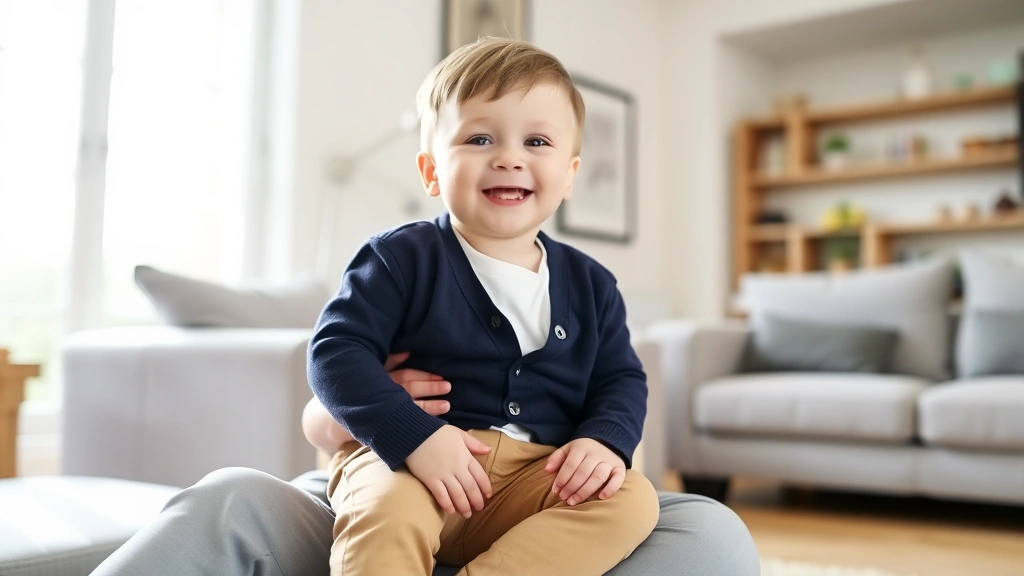
Lightweight sweaters, cardigans, and hoodies serve as perfect layering pieces. These items help regulate temperature and add visual interest to simple outfits. Choose neutral colors that coordinate with your existing pieces, and look for designs with easy button closures or zippers for hassle-free dressing.
T-shirts in various colors and patterns are essential for creating cute baby boy outfits. Graphic tees with fun designs, solid-colored shirts, and striped options give you flexibility for different occasions. Mix graphic tees with simple pants for casual days, or pair solid-colored shirts with more formal bottoms for special events.
Comfortable shoes and socks complete the wardrobe foundation. Soft-soled shoes are ideal for babies learning to walk, while cozy socks keep tiny feet warm. Look for non-slip soles that provide traction and breathable materials that prevent excessive sweating.
Basic Styling Principles for Cute Baby Boy Outfits
Understanding basic styling principles helps you create cohesive, attractive outfits from your baby boy’s wardrobe pieces. The key to stylish baby boy outfits is balancing comfort with visual appeal while considering your baby’s developmental needs and activity level.
The color palette approach simplifies outfit selection. Choose three to four neutral base colors (such as navy, gray, white, and khaki) and build your wardrobe around these. Neutral bases make mixing and matching effortless and allow you to add pops of color through accessories or graphic tees. This strategy also makes hand-me-downs easier to integrate into your existing collection.
Layering creates visual interest and provides practical temperature control. A simple onesie becomes more stylish when paired with a cardigan or lightweight jacket. Layering also allows you to adapt outfits as seasons change or as you move between different environments (air-conditioned stores to outdoor play areas).
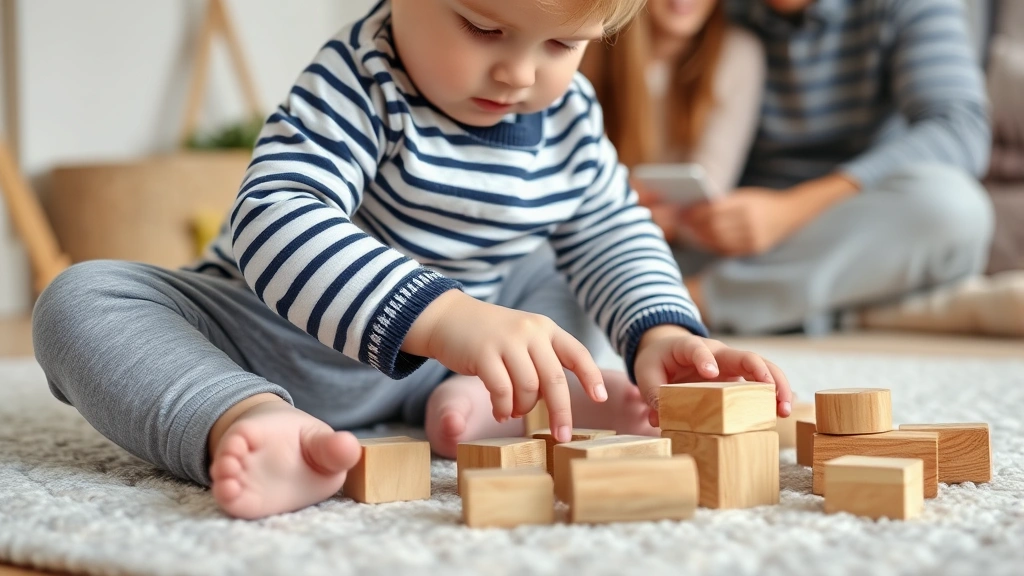
Mixing patterns adds personality to cute baby boy outfits while maintaining visual harmony. If you use a patterned top, keep the bottom solid, and vice versa. Stripes pair well with geometric patterns, and small prints coordinate with larger designs. Start with one focal pattern and build around it with complementary solid pieces.
Proportions matter even for tiny fashionistas. Fitted tops work well with slightly relaxed pants, while oversized tops can be balanced with fitted bottoms. This creates visual balance and ensures your baby can move comfortably without restricted clothing.
Accessories elevate simple outfits into memorable looks. Small hats, soft scarves, or themed accessories appropriate for your baby’s age add personality without compromising comfort. However, ensure all accessories are securely attached and safe for your baby’s developmental stage.
Dressing for Different Seasons
Seasonal considerations significantly impact outfit selection and comfort. The American Academy of Pediatrics recommends dressing babies in layers that can be adjusted throughout the day to maintain appropriate body temperature.
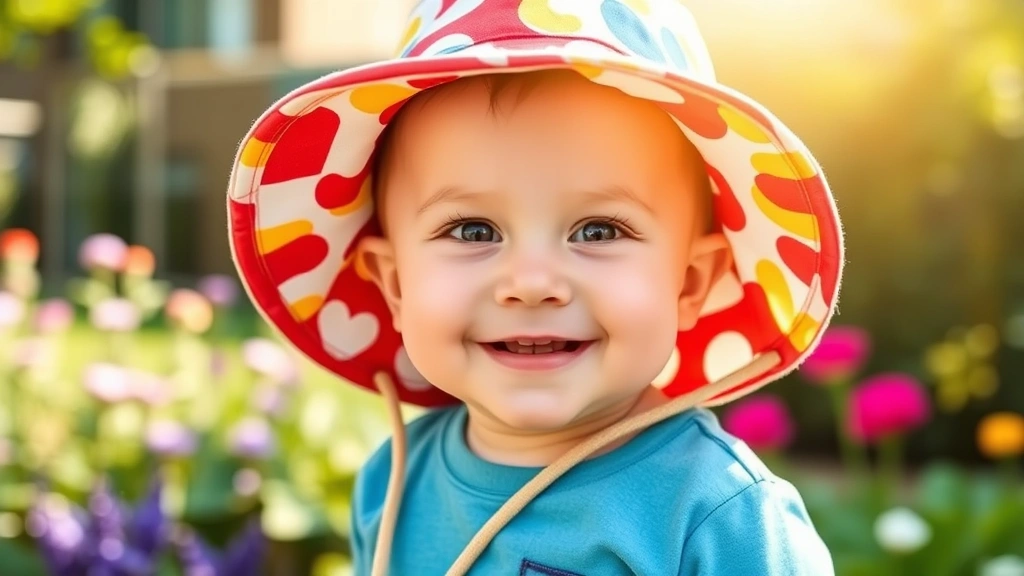
Summer dressing requires lightweight, breathable fabrics that protect from sun exposure. Short-sleeve bodysuits, lightweight cotton pants, and breathable shorts keep babies cool while protecting their delicate skin. Light-colored clothing reflects heat more effectively than dark colors. Include a lightweight long-sleeve shirt or cover-up for sun protection when outdoors. Soft sun hats and UV-protective clothing are excellent investments for warm-weather outings.
Winter wardrobe focuses on warmth without overheating. Layer long-sleeve bodysuits under sweaters or fleece-lined pants for insulation. Snowsuits or warm jackets provide essential protection during cold-weather outings. Soft mittens, warm socks, and cozy hats keep extremities protected. Remember that babies lose heat quickly through their heads, so appropriate headwear is crucial for outdoor winter activities.
Spring and fall require versatile layering options. Cardigans, lightweight jackets, and long-sleeve shirts can be easily added or removed as temperatures fluctuate throughout the day. These transitional seasons are perfect for mixing and matching pieces from your baby boy’s wardrobe.
Creating Special Occasion Outfits
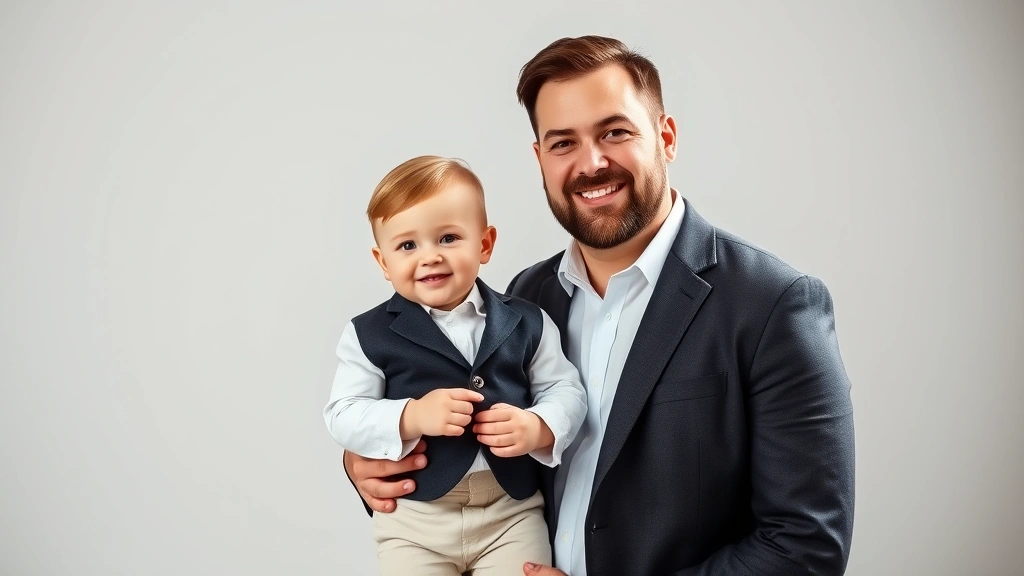
Special occasions call for more formal cute baby boy outfits that still prioritize comfort and practicality. Whether attending a family gathering, holiday celebration, or professional photo session, you can create memorable looks while keeping your baby content.
Formal occasions might include tiny blazers paired with dress pants or formal shorts. Collared shirts, bow ties, and dress shoes create polished appearances for significant events. Consider investing in one quality formal outfit that can be used for multiple occasions and potentially passed down to younger siblings or cousins.
Holiday outfits can incorporate festive colors and subtle themed elements without overwhelming your baby’s senses. Red or green cardigans over neutral bases, subtle holiday prints, or coordinating family outfit themes work well for holiday photos. Check out our guide on best baby shower gifts for inspiration on quality clothing pieces that make excellent gifts for special occasions.
Photo session preparation requires outfits that look great on camera while keeping your baby comfortable. Solid colors photograph better than busy patterns, and soft, muted tones create timeless images. Avoid logos and large graphics that might date photos quickly. Layer pieces for visual interest and ensure all clothing fits well without being restrictive.
Milestone celebrations deserve special attention. Whether celebrating a birthday, christening, or first holiday, choosing an outfit that balances formality with your baby’s comfort level ensures successful events and beautiful memories.
Comfort and Safety Considerations
While style is important, comfort and safety must always be your primary concerns when selecting cute baby boy outfits. Your baby’s well-being directly impacts how they look and feel throughout the day.
Fabric choice significantly affects comfort levels. Organic cotton is gentle on sensitive skin and breathes well in various temperatures. Avoid synthetic materials that trap heat and moisture. Bamboo fabric offers softness and breathability similar to cotton. Always check fabric content and look for hypoallergenic options if your baby has sensitive skin.
Closure safety is essential for growing babies. Snaps are generally safer than small buttons that could pose choking hazards. Avoid outfits with loose decorations, beads, or embellishments that could detach and become hazards. Check all closures regularly for wear and tear.
Proper fit prevents discomfort and safety issues. Clothing shouldn’t be so tight that it restricts movement or circulation, nor so loose that it creates tripping hazards as your baby develops mobility. Allow room for growth, but ensure nothing dangles where your baby could get tangled.
Temperature regulation is crucial for your baby’s health. Overheating is a serious concern, particularly for infants. Dress your baby in one more layer than you’re wearing, and monitor for signs of overheating like excessive sweating or flushed skin. Conversely, ensure adequate layers in cold weather to prevent chilling.
Our comprehensive guide on essential parenting advice includes detailed information about maintaining your baby’s comfort and health through proper clothing choices.
Building a Budget-Friendly Wardrobe
Creating stylish cute baby boy outfits doesn’t require excessive spending. Smart shopping strategies help you build a versatile wardrobe without breaking your budget.
Shop strategically by season. Purchase summer clothing at the end of summer when retailers offer clearance sales. Similarly, buy winter items in late fall or early winter. This timing allows you to find quality pieces at significantly reduced prices. Plan ahead when possible to take advantage of seasonal sales.
Invest in neutral basics that last. One quality pair of well-fitting jeans or neutral pants is more valuable than multiple trendy pieces that wear out quickly. Build your wardrobe around these durable basics, then add personality through more affordable graphic tees and accessories.
Consider hand-me-downs and secondhand shopping. Baby clothes are often barely worn before children outgrow them, making secondhand options excellent value. Consignment shops, online resale platforms, and family networks provide access to quality clothing at fraction of retail prices. Check our baby registry checklist for guidance on which items are worth buying new versus secondhand.
Join parent communities and clothing swap groups. Many parent groups organize clothing swaps where families exchange outgrown items. This approach provides variety without cost and fosters community connections with other parents.
Mix high and low-cost pieces. You don’t need designer everything. Pair one quality signature piece with affordable basics to create stylish outfits. A designer cardigan looks great with simple store-brand pants and a basic bodysuit.
Shop end-of-season clearance carefully. While clearance shopping saves money, avoid buying items your baby won’t need for many months unless you’re absolutely certain they’ll fit when the season returns. Baby growth is unpredictable, and storing clothing takes space.
Frequently Asked Questions
How many outfits does a baby boy need?
Most experts recommend having seven to ten complete outfits for daily rotation, allowing for laundry schedules and accidents. For newborns who experience frequent outfit changes due to spit-up or diaper incidents, having ten to fourteen outfits is helpful. As babies grow and accidents decrease, seven to ten outfits typically suffice. Consider your laundry frequency and lifestyle when determining the right number for your family.
What are the best fabrics for baby boy clothing?
Organic cotton is the gold standard for baby clothing due to its softness, breathability, and gentle nature on sensitive skin. Bamboo fabric offers similar benefits with excellent moisture-wicking properties. Cotton blends work well for durability. Avoid synthetic materials that trap heat and moisture. Always check fabric content and wash new items before first wear to remove any manufacturing residues.
Can babies wear used clothing safely?
Yes, secondhand baby clothing is perfectly safe when properly cleaned. Wash all used items in gentle detergent before first wear to remove dust and any residues. Inspect items carefully for wear, loose buttons, or damaged seams. Ensure all closures function properly and there are no hazardous loose decorations. Secondhand shopping is an excellent budget-friendly option.
How should I dress my baby for sleep?
Choose sleep clothing that maintains appropriate temperature without overheating. Sleep sacks or wearable blankets are safer than loose bedding and provide warmth without the suffocation risk. Dress your baby in one layer more than you would wear to sleep in that room temperature. Avoid overdressing, which increases sudden infant death syndrome risk. Monitor your baby’s temperature by feeling their chest or back.
What’s the best way to organize a baby boy’s wardrobe?
Organize by category (bodysuits, pants, shirts, outerwear) rather than by size during active growth phases. This makes outfit selection easier when you’re tired or rushing. Use drawer dividers to keep items visible and accessible. Store seasonal items separately to maximize closet space. As your baby grows into stable sizes, organizing by size becomes more practical for long-term storage and hand-me-down passing.
How often should I buy new clothes as my baby grows?
Baby clothing needs vary by growth rate and season. Most babies need new sizes every two to three months during the first year, then less frequently as growth slows. Rather than buying full wardrobes at each size, purchase essential basics and a few trendy pieces. Rotate seasonal items and accept that some outfits will be outgrown quickly. Focus budget on versatile basics that work across multiple sizes.
Are designer baby clothes worth the investment?
Designer baby clothes are rarely worth the premium price since babies outgrow items quickly and are hard on clothing through spitting up, diaper incidents, and active play. However, investing in one or two quality pieces in neutral colors for special occasions or photos can be worthwhile. For everyday wear, quality mid-range brands offer excellent value. Save designer purchases for milestone celebrations or when items will be passed down to younger siblings.
For more detailed parenting guidance, explore our comprehensive parenting advice guide that covers numerous aspects of raising happy, healthy children. Visit the Parent Path Daily Blog for regular updates on parenting topics and style tips.
Conclusion
Dressing your baby boy in cute, stylish outfits is an enjoyable part of parenting that combines creativity with practicality. By focusing on comfortable basics, understanding styling principles, and shopping strategically, you can create a versatile wardrobe that works for your family’s lifestyle and budget. Remember that your baby’s comfort and safety always come first—style should enhance, not compromise, their well-being. With the tips and guidance provided in this article, you’re equipped to build a wardrobe of adorable outfits that your little one will love wearing and that you’ll love seeing him in. Happy dressing!