How Dogs Alert Owners to Baby’s Needs: Insights Into Canine Intuition and Family Bonding
There’s something almost magical about watching a dog interact with a newborn. One moment your faithful companion is sprawled across the living room floor, and the next, they’re alert and attentive, sensing something you haven’t quite picked up on yet. This isn’t coincidence or folklore—it’s genuine canine perception at work. Dogs possess remarkable sensory abilities that allow them to detect changes in their environment and the people around them, particularly when it comes to babies and their needs.
When a new baby arrives, many parents worry about how their four-legged family members will adjust. The good news? Well-socialized dogs often become unexpected allies in parenting, offering a layer of awareness that complements your own instincts. From detecting a baby’s distress to sensing subtle shifts in routine, dogs can alert owners to their baby’s needs in ways that feel almost supernatural—but it’s actually rooted in biology, training, and the deep bond between humans and their pets.
This comprehensive guide explores the fascinating ways dogs communicate with their families about a baby’s wellbeing, backed by research and real-world experiences. Whether you’re expecting your first child or introducing a new sibling to your existing furry family member, understanding these canine behaviors will help you appreciate your dog’s role in your growing household.
The Science Behind Canine Sensing Abilities
Dogs experience the world differently than humans do, and this difference is precisely what makes them so valuable as alert companions. Their sense of smell is estimated to be between 10,000 and 100,000 times more sensitive than ours, depending on the breed and individual dog. This extraordinary olfactory capability means dogs can detect chemical changes in human bodies—shifts in hormones, stress markers, and metabolic changes that occur when a baby is hungry, uncomfortable, or distressed.
Beyond smell, dogs possess an acute sense of hearing that picks up frequencies humans cannot. A baby’s cry contains specific acoustic patterns that dogs recognize and respond to instinctively. Additionally, dogs are incredibly perceptive observers of body language and routine. They notice when a caregiver’s movements become rushed, when breathing patterns change, or when the typical rhythm of the household shifts. This combination of heightened senses and learned patterns creates a sophisticated early-warning system.
Research from the American Psychological Association highlights that dogs have evolved alongside humans for thousands of years, developing an almost unparalleled ability to read human emotional and physical states. This evolutionary partnership means your dog isn’t just a pet—they’re a finely tuned detector of household dynamics, particularly when it comes to vulnerable family members like babies.
Common Ways Dogs Alert Owners to Baby Needs
Understanding the specific behaviors your dog uses to communicate about your baby’s needs is crucial for recognizing these alerts quickly. Dogs don’t have a universal language; instead, they develop personalized communication patterns with their families. Some dogs become more vocal, others become physically closer or more restless, and some display a combination of behaviors.
The most common alerts include:
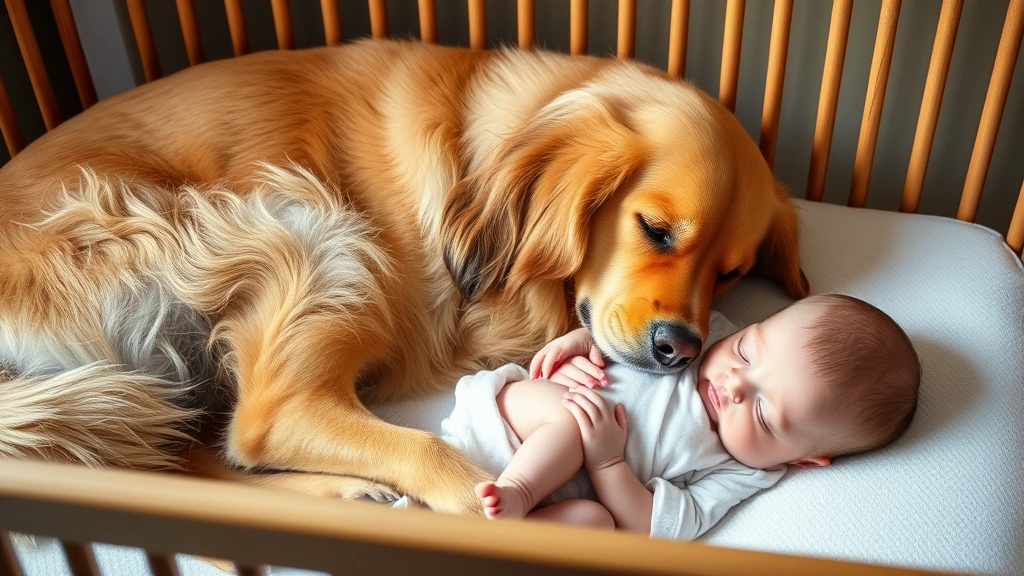
- Heightened attention to the baby: Your dog may position themselves near the baby’s crib, bassinet, or wherever the infant is sleeping or playing, maintaining watchful focus even when nothing seems amiss
- Seeking out the primary caregiver: Some dogs will leave their comfortable resting spot and approach you, sometimes repeatedly, if they sense the baby needs attention
- Changes in sleep patterns: A dog that usually sleeps deeply might remain alert or wake frequently when a baby is in the home, especially if the infant is experiencing discomfort
- Protective positioning: Dogs may position themselves between the baby and other household members or between the baby and potential hazards
- Restlessness or pacing: Unusual movement or inability to settle can indicate your dog senses something is off with the baby’s wellbeing
These behaviors often develop naturally, though they can be reinforced through positive interactions and training. When you respond appropriately to your dog’s alerts—checking on the baby and finding that they indeed need something—you’re essentially teaching your dog that their communication works and matters.
Barking, Whining, and Other Vocal Cues
Vocalization is perhaps the most obvious way dogs alert their owners. A dog’s bark or whine directed toward a baby or caregiver often carries different acoustic qualities than general excitement or demand barking. Alert barking tends to be more urgent, repetitive, and directed specifically at the baby or the person responsible for the baby’s care.
Some dogs develop a distinctive “warning” bark—a specific tone and pattern they use exclusively when they sense something is wrong. This is particularly common in baby huskies and other breeds known for vocalization. These dogs may bark to indicate hunger, discomfort, or distress they’ve detected in the infant.
Whining is another crucial vocal alert. Dogs often whine when they’re anxious or when they perceive a problem that requires attention. If your dog whines persistently while looking at your baby, it’s worth investigating. Has the baby’s diaper needed changing? Is the room too warm? Is the baby experiencing gas or discomfort? Your dog may be picking up on stress signals you haven’t consciously registered yet.
The key to understanding these vocal alerts is context and consistency. If your dog barks or whines in a particular situation repeatedly, and you discover the baby actually needs something each time, you’re witnessing genuine alert behavior. This is different from random vocalization or attention-seeking behavior.
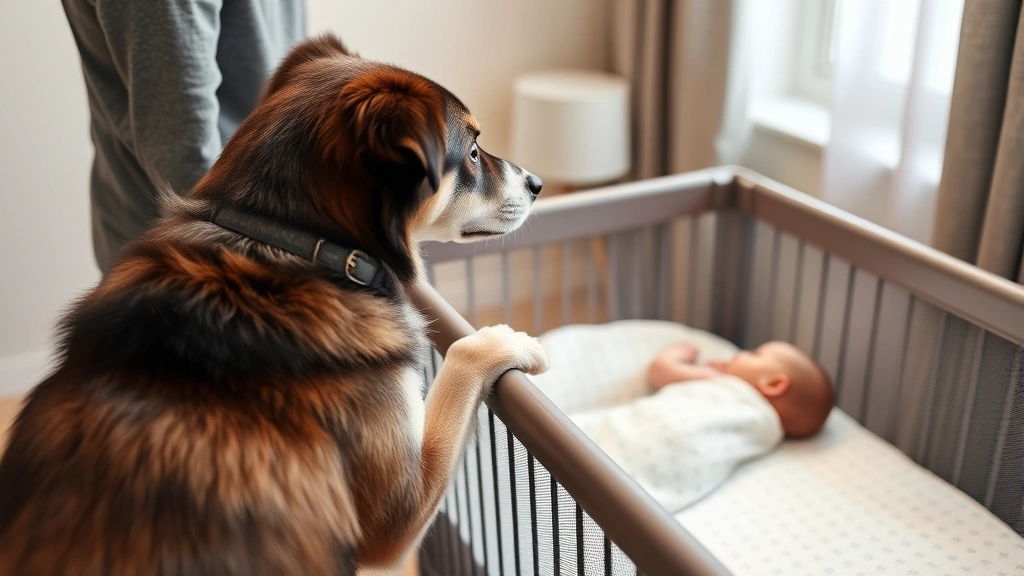
Physical Behaviors That Signal Concern
Beyond vocalizations, dogs communicate through body language. A dog’s posture, ear position, tail movement, and proximity to the baby all convey information about what they’re sensing. An alert dog typically displays a specific combination of these physical signals.
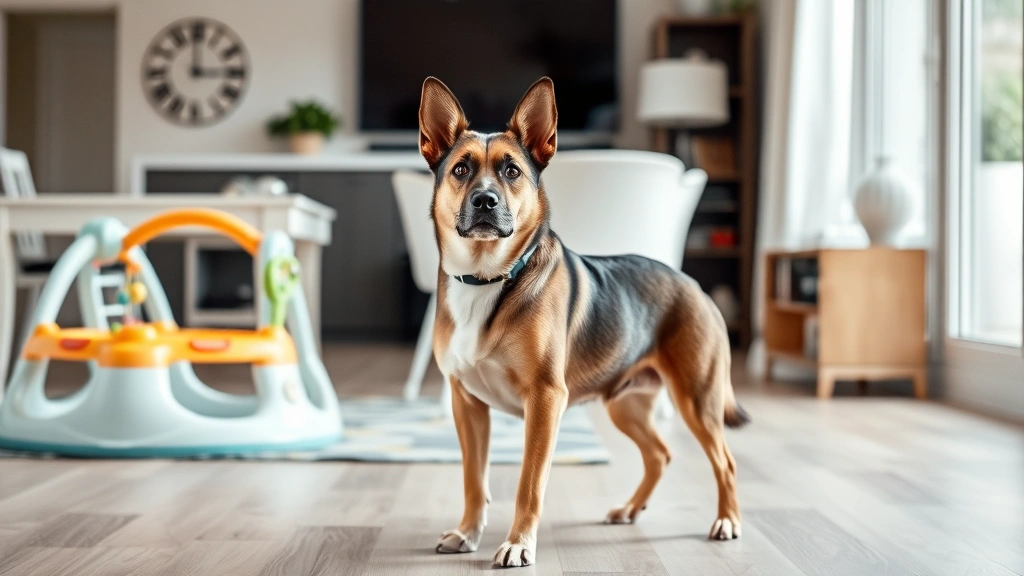
Stiff posture with forward-facing ears and focused eyes suggests your dog is paying close attention to something they perceive as significant. This is different from the relaxed body language of a dog simply enjoying the baby’s presence. When paired with other behaviors—like frequent glancing between the baby and you—this alert posture indicates your dog is trying to communicate something.
Some dogs will gently paw at a caregiver or nudge them repeatedly when they sense the baby needs attention. This is a learned behavior that develops when dogs realize that getting your attention results in helping the baby. It’s remarkably similar to how service dogs alert their handlers to medical emergencies. Your family dog may not have formal training, but they’re operating on similar instincts and learned associations.
Pacing is another significant physical indicator. If your dog typically rests contentedly but suddenly becomes restless, pacing between the baby’s location and yours, they’re likely sensing something amiss. This restlessness often precedes a baby’s cry or distress by seconds or even minutes, suggesting dogs can detect physiological changes before they become obvious to human observers.
The positioning of your dog relative to the baby also matters. Dogs that feel protective or alert often position themselves strategically—at the baby’s level, between the baby and potential hazards, or in a location where they can observe both the baby and the household activity. This isn’t random placement; it’s purposeful positioning driven by your dog’s assessment of the situation.
Building Trust Between Dogs and Babies
For a dog to effectively alert you to a baby’s needs, there must be a foundation of trust and positive association between them. This relationship doesn’t develop automatically; it requires intentional effort and careful introduction.
Before bringing a newborn home, prepare your dog for the transition. Let them become familiar with baby sounds, baby-related scents, and the presence of baby equipment. Play recordings of infant cries at low volumes while rewarding your dog with treats and calm attention. This desensitizes them to the sounds and creates positive associations.
When you first bring the baby home, allow your dog to investigate under supervision. Let them sniff the baby’s blanket or clothing so they become familiar with the infant’s scent. Keep these initial interactions brief and positive. Never force interaction, but do reward calm, gentle behavior around the baby.
The relationship between your dog and baby strengthens through consistent, positive experiences. When your dog demonstrates alert behavior and you respond by caring for the baby, you’re reinforcing the idea that the dog’s communication is valued. This mutual respect and understanding form the basis of effective alert behaviors.
Consider reading resources like our guide on golden retriever baby watch for breed-specific insights into how certain dogs naturally excel at monitoring babies. Additionally, understanding general parenting advice can help you integrate your dog’s role into your broader family care strategy.
Training Your Dog to Be Baby-Aware
While some alert behaviors develop naturally, you can actively train your dog to be more responsive to your baby’s needs. This training builds on your dog’s natural instincts while channeling them productively.
Start with basic obedience commands like “sit,” “stay,” and “leave it.” These foundational skills make it easier for your dog to remain calm and controlled around the baby. A well-trained dog is more likely to demonstrate alert behavior appropriately because they’ve learned to focus on your commands and guidance.
Introduce specific alert training by rewarding your dog when they approach you during the baby’s crying or distress. Use consistent verbal markers like “good alert” or “tell me” when your dog brings attention to the baby’s needs. Pair these markers with treats or praise, creating a clear association between the behavior and positive outcomes.
Teach your dog to recognize the difference between play-time with the baby and alert-time. Use different tones, body language, and contexts to help them understand when you’re asking them to relax versus when you need them to be watchful. This nuance prevents your dog from becoming overstimulated or confused about their role.
If you’re preparing for fatherhood, understanding how to integrate your dog into your parenting approach is valuable. Our essential tips for new dads includes guidance on working with your dog as a co-parent figure in the household.
Consider working with a professional dog trainer who has experience with dogs and babies. They can assess your dog’s natural tendencies and create a customized training plan that maximizes their alert capabilities while ensuring safety for both the dog and baby.
Safety Considerations and Best Practices
While dogs can be invaluable in alerting you to a baby’s needs, safety must remain the top priority. Dogs and babies require careful supervision and clear boundaries to coexist safely.
Never rely solely on your dog as a monitoring system. Your dog’s alerts are a helpful supplement to your own attentiveness, not a replacement for active parenting and supervision. Always maintain direct supervision when your dog and baby are together, regardless of how well-behaved or alert your dog is.
Establish clear boundaries for your dog around the baby. Create safe spaces where the baby rests—like a crib or bassinet—and teach your dog that they can observe but not touch without permission. Use baby gates or other barriers to manage access when you cannot directly supervise.
Teach your baby (as they grow older) how to interact gently with your dog. Equally important is teaching your dog appropriate behavior around the baby. A dog that jumps, nips, or displays overly rough behavior isn’t safe, regardless of their alert capabilities.
Watch for signs of stress in your dog. The introduction of a baby creates significant change in a dog’s routine and household hierarchy. Some dogs may become anxious, aggressive, or withdrawn. If you notice these signs, consult with a veterinary behaviorist. Your dog’s wellbeing directly impacts their ability to be an effective family member and alert companion.
According to the American Academy of Pediatrics, when pets are present in homes with babies, specific safety protocols significantly reduce risk of injury and disease transmission. Maintain regular veterinary care, keep vaccinations current, and practice good hygiene around feeding and diaper changing.
Consider exploring baby boy gifts that are dog-safe and won’t create conflicts between your baby and your canine companion. Items designed for shared households help maintain harmony and safety for everyone involved.
Frequently Asked Questions
Can all dog breeds alert owners to baby needs?
While most dogs can develop alert behaviors, some breeds are naturally more inclined toward this type of communication. Breeds with strong protective instincts and high sensitivity—like Golden Retrievers, Labs, and German Shepherds—often excel at alert behavior. However, mixed breeds and smaller dogs can be equally effective. Individual temperament matters more than breed in determining alert capability.
How long does it take for a dog to learn to alert to baby needs?
This varies significantly based on the dog’s age, training history, and personality. Some dogs demonstrate alert behavior naturally within days or weeks of a baby’s arrival. Others may take several months to develop reliable alert patterns. Consistent reinforcement of alert behavior accelerates the process, but patience is essential.
What should I do if my dog seems anxious around the baby?
Anxiety in dogs around babies can manifest as excessive barking, hiding, or aggressive behavior. Consult with a veterinary behaviorist to assess whether your dog is truly anxious or simply adjusting to change. Work slowly on desensitization and create safe spaces where your dog can retreat. Never force interaction between an anxious dog and baby.
Is it safe to leave my dog alone with my baby?
No. Regardless of how well-trained or alert your dog is, babies and dogs should never be left unsupervised together. Dogs are unpredictable, and babies are vulnerable. Always maintain direct supervision, even when your dog has demonstrated reliable alert behavior.
Can I train an adult dog to alert to baby needs?
Yes, absolutely. While puppies may have fewer ingrained behaviors to work around, adult dogs are fully capable of learning alert behaviors. Training may require more patience with an adult dog unfamiliar with babies, but the principles remain the same: positive reinforcement, consistency, and gradual exposure.
What if my dog shows no interest in the baby?
Some dogs are simply less social or less attuned to human emotional states. This doesn’t make them bad dogs; it’s just their personality. Continue to maintain positive associations between dog and baby through supervised interaction and reward-based training. If your dog shows no interest in alert behavior despite training efforts, accept this as their natural temperament and adjust your expectations accordingly.
How do I know if my dog’s behavior is a genuine alert versus attention-seeking?
True alert behavior is usually accompanied by specific contextual clues: the baby actually needs something when your dog alerts you. Attention-seeking behavior typically occurs randomly or when the dog wants something for themselves (food, play, etc.). Track patterns over time. Genuine alerts will correlate with the baby’s actual needs; attention-seeking behavior will not.