Gender Neutral Baby Clothes: A Complete Guide
Let’s be honest—the pressure to dress your baby in specific colors and styles based on their sex feels increasingly outdated. Whether you’re expecting, shopping for a gift, or simply tired of the pink-and-blue binary, gender neutral baby clothes offer a refreshing, practical alternative that works for every family’s values and lifestyle.
The beauty of gender neutral clothing lies in its flexibility. These pieces transition seamlessly between siblings, work for any child regardless of how they identify, and often feature timeless designs that actually look good. Beyond the philosophy, there’s a practical advantage: neutral wardrobes are easier to mix and match, which means fewer clothes needed overall and less decision fatigue when getting your baby dressed at 6 AM.
This guide walks you through everything you need to know about building a functional, stylish gender neutral wardrobe for your little one—from understanding what actually qualifies as neutral to finding quality pieces that won’t fall apart after three washes.
What Exactly Are Gender Neutral Baby Clothes?
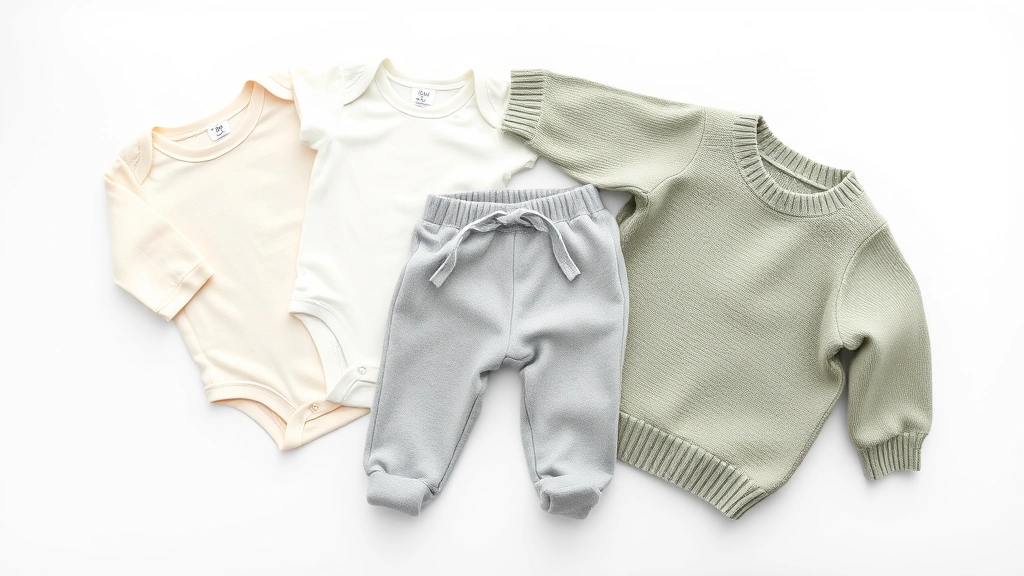
Gender neutral baby clothes aren’t just beige everything—though beige is certainly an option. These are pieces designed without gendered marketing, stereotypical colors, or clothing styles traditionally assigned to one gender. Think simple t-shirts, practical overalls, comfortable bodysuits, and straightforward pants rather than heavily embellished dresses or graphic tees with superhero themes marketed exclusively to boys.
The key distinction is intent. A piece is gender neutral when it’s created for any child to wear comfortably, without built-in assumptions about who should wear it. That means functional closures, comfortable fits that don’t restrict movement, and designs that prioritize practicality over performative femininity or masculinity.
It’s worth noting that gender neutral doesn’t mean your baby’s wardrobe has to look boring or institutional. Modern neutral clothing comes in sophisticated textures, interesting patterns, and thoughtful designs. You can find pieces with playful prints, quality construction, and genuine style appeal without relying on gendered marketing.
If you’re comparing options, you might also explore traditional baby boy clothes and baby girl clothes to understand how gendered marketing differs from neutral alternatives. The contrast often clarifies what makes clothing gendered in the first place.
Why Parents Are Making the Switch
The shift toward gender neutral dressing isn’t just a trendy parenting choice—it reflects genuine practical and philosophical reasons that resonate across different family types.
Practicality and longevity: Neutral pieces work across siblings and playdates. When you’re not locked into specific gendered colors and styles, hand-me-downs actually get used instead of sitting in bins. For families planning multiple children, this means real financial savings and less waste.
Developmental freedom: Research from organizations like the American Psychological Association suggests that early exposure to diverse options supports healthier development. Clothing is one small way children explore identity without predetermined limits.
Reduced decision fatigue: Parents report that neutral wardrobes actually make getting dressed faster. With fewer strict color and style combinations, mixing and matching becomes intuitive. You grab any top, any bottom, and they work together.
Inclusivity for all families: For families with transgender or non-binary children, gender neutral clothing simply feels right. For families who reject gendered marketing on principle, it aligns with their values. For pragmatic parents who just want functional clothes, it removes unnecessary complications.
Financial sense: Neutral pieces get worn longer because they’re not tied to outdated gendered trends. That striped shirt works whether your toddler is two or three, and whether they’re your first child or your fourth.
Color Palettes That Actually Work
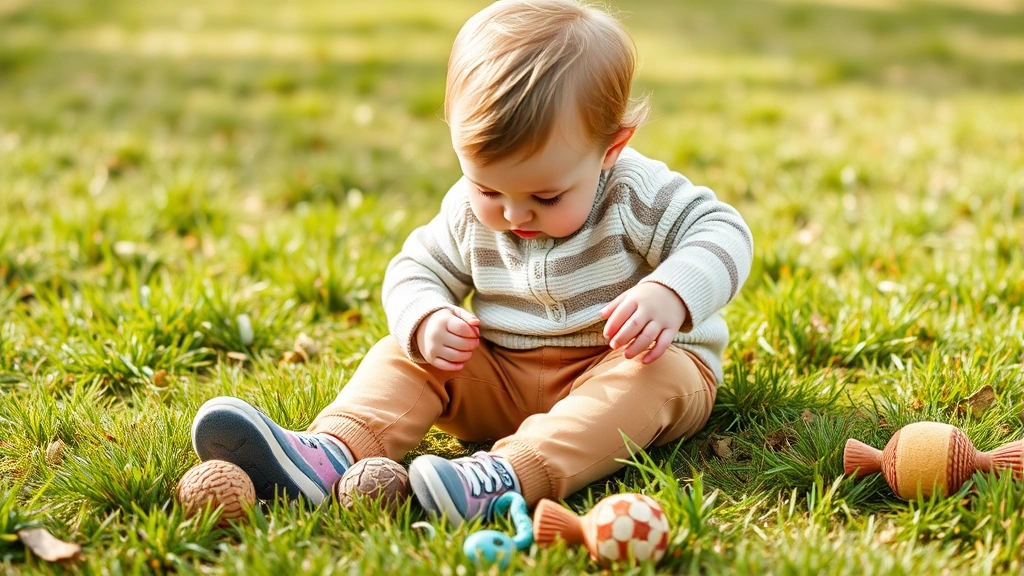
The biggest misconception about gender neutral baby clothes is that they must be boring beige and gray. While those colors certainly work, neutral palettes offer far more range and visual interest.
Classic neutrals: Cream, white, gray, beige, tan, and soft brown form the foundation. These pair easily with everything and feel timeless. They’re not inherently boring—natural linen in cream or quality cotton in warm gray has genuine appeal.
Warm earth tones: Sage green, rust, ochre, terracotta, and warm olive feel contemporary without being gendered. These colors appear frequently in current interior design and fashion, so they don’t read as “baby” at all. A rust-colored long-sleeve bodysuit or ochre-toned sweater feels sophisticated.
Cool tones with personality: Navy, forest green, slate blue, and charcoal add depth without introducing problematic gendered color associations. These work beautifully for both cozy winter pieces and lightweight summer clothing.
Accent colors that feel intentional: Incorporating touches of color through accessories—a mustard hat, a coral swaddle, a teal blanket—gives personality without dressing your baby in all-pink or all-blue outfits. The key is intentionality rather than default gendered marketing.
Prints and patterns: Geometric designs, stripes, small-scale florals, animals, stars, and abstract patterns work beautifully in neutral color schemes. The pattern itself isn’t gendered; it’s the color combination and marketing that typically creates that perception.
Essential Pieces for Your Neutral Wardrobe
Building a functional gender neutral baby wardrobe means prioritizing versatile basics that actually get worn repeatedly.
Bodysuits and onesies: These are the workhorses of any baby wardrobe. Stock up on long-sleeve and short-sleeve options in neutral colors. Quality matters here—look for soft, durable fabric that withstands frequent washing. Avoid heavily embellished styles that catch on things or uncomfortable closures.
Pants and bottoms: Comfortable pants in gray, cream, navy, and olive work with nearly everything. Include straight-leg pants, gentle joggers, and soft leggings. Avoid pieces marketed with gendered graphics or excessive ruffles that limit outfit combinations.
Sweaters and cardigans: Neutral-colored knitwear layers easily over bodysuits. Look for soft materials appropriate for your climate. A cream sweater, gray cardigan, and sage green pullover create endless combinations.
Simple t-shirts and long-sleeves: Quality basics in solid colors or minimal prints work for layering and standalone wear. These are perfect for warmer months and transitional seasons.
Outerwear: A well-made jacket in navy, gray, or cream works across seasons and styles. Avoid heavily gendered designs; look for functional pieces with practical features like reinforced seams and quality zippers.
When planning your registry, consider checking out a comprehensive baby registry checklist to ensure you’re not missing essential categories, then customize it with neutral pieces.
Sleepwear: Neutral pajamas in soft fabrics make bedtime consistent and comfortable. Two-piece sets work well for diaper changes, and quality construction matters for frequent washing.
Socks and accessories: Neutral-colored socks in cream, gray, and navy are actually easier to match than you’d think. Add simple hats, mittens, and blankets in coordinating neutrals.

Styling Tips and Outfit Combinations
The real advantage of gender neutral pieces emerges when you understand how to style them together for practical, appealing outfits.
The layering approach: Start with a neutral bodysuit in cream or light gray. Add a patterned sweater in warm tones. Finish with navy or gray pants. This creates visual interest while maintaining cohesion. The key is letting one piece be the focus while others remain supportive.
Mixing textures: Combine smooth cotton bodysuits with soft knit sweaters and corduroy pants. Texture variation creates sophistication without relying on color contrast. A cream linen shirt over a gray bodysuit with soft pants feels intentional and polished.
Pattern mixing that works: Pair a small geometric print with a solid color. A striped long-sleeve under a solid sweater creates visual interest without clashing. Avoid competing patterns in the same outfit; let one pattern lead.
Seasonal layering: In summer, simple bodysuits and lightweight pants work alone or under a thin layer. In winter, add sweaters, cardigans, and light jackets. Spring and fall allow for creative layering that keeps pieces versatile year-round.
Accessorizing intentionally: A simple hat, soft socks, or quality shoes can add personality without gendering the outfit. Scarves (appropriately sized for safety), mittens, and blankets offer color and texture variation.
Where to Shop for Quality Neutral Pieces
Finding well-made gender neutral baby clothes requires knowing where to look and what to prioritize.
Specialty neutral brands: Several companies focus specifically on gender neutral design. These typically understand the market well and offer thoughtful construction. Expect to pay a bit more, but quality justifies the investment.
Mainstream retailers with neutral lines: Major retailers now offer gender neutral sections. These provide accessible prices and decent quality, though you’ll need to browse carefully since gendered marketing still dominates their main sections.
Online-first brands: Companies selling primarily online often offer better selection in neutral options and frequently have detailed size guides and quality information.
Organic and sustainable brands: If you prioritize natural fibers and ethical production, several brands focus on both sustainability and gender neutral design. Quality is typically excellent, though prices reflect that.
Thrift and secondhand options: Consignment shops, online resale platforms, and local buy-sell-trade groups offer significant savings on neutral pieces. Since neutral clothes work across multiple children, the secondhand market is robust and affordable.
If you’re shopping for gifts, exploring baby shower gift ideas with a neutral focus ensures your present works regardless of the baby’s gender or family preferences.
Budget-Friendly Strategies
Building a quality neutral wardrobe doesn’t require premium spending. Strategic shopping makes it genuinely affordable.
Buy basics in bulk: When you find bodysuits or pants you love, purchase several in different neutral colors. Bulk buying often offers discounts, and having multiples means fewer laundry emergencies.
Invest in quality basics, budget on trendy pieces: Spend more on items worn constantly—basic bodysuits, everyday pants, essential sweaters. Save money on pieces worn occasionally or likely to be outgrown quickly.
Shop off-season: End-of-season sales offer significant savings on quality pieces. Buy neutral sweaters in spring, lightweight clothing in fall. These items work year after year if stored properly.
Prioritize hand-me-downs: Neutral pieces pass easily between children and friends. Actively seek hand-me-downs and pass your pieces forward. This dramatically reduces overall spending.
Focus on mix-and-match basics: Rather than complete outfits, buy pieces that combine multiple ways. Five neutral bottoms and eight neutral tops create far more combinations than ten complete outfits.
Use subscription services strategically: Some services offer gender neutral options and allow you to try pieces before committing. If you’re uncertain about quality or fit, subscriptions reduce waste.
DIY customization: Add personality through simple alterations or additions. Quality basics can be customized with thoughtful accessories or minor modifications without expensive purchases.
For comprehensive planning, reference a baby dresses guide to understand styling options across different piece types, then apply those principles to neutral selections.
Frequently Asked Questions
Is gender neutral clothing more expensive than gendered alternatives?
Not necessarily. While some specialty neutral brands cost more, mainstream retailers and secondhand options offer comparable or lower prices than traditional gendered clothing. The real savings emerge over time when neutral pieces work across multiple children and occasions, reducing overall wardrobe spending.
Will my baby feel restricted or confused by neutral clothing?
Absolutely not. Babies and toddlers don’t internalize gendered clothing messages at young ages. Research from child development experts at universities like APA suggests that clothing freedom actually supports healthy development. Your child will wear what’s comfortable and practical without confusion.
Can I mix neutral pieces with gendered clothing?
Yes. Many families use gender neutral as a base wardrobe, then add gendered pieces if desired. The neutral foundation ensures most pieces work together regardless. This hybrid approach offers flexibility while maintaining practical versatility.
What if I receive gendered gifts?
This is common and manageable. Neutral basics anchor the wardrobe, and occasional gendered pieces supplement them. You’re not obligated to use everything received. Focus on building the neutral foundation you prefer, then incorporate other pieces as they fit.
Are there safety concerns with gender neutral clothing?
No more than any other baby clothing. Focus on standard safety features: secure closures, no choking hazards, appropriate sizing, and quality construction. Gender neutrality doesn’t affect these practical safety considerations.
How do I find neutral pieces that actually look good?
Quality matters. Look for well-constructed pieces in natural fabrics, thoughtful colors, and timeless designs. Follow parenting blogs and fashion accounts that focus on neutral style for inspiration. Remember that simple, well-made basics look better than cheap, trendy pieces.
Will neutral clothing work through multiple age stages?
Absolutely. Neutral pieces transition beautifully from newborn to toddler to preschooler when you choose timeless designs and appropriate sizing. This longevity is one of the biggest practical advantages.
Can I create a gender neutral wardrobe on a tight budget?
Yes. Prioritize basics, shop secondhand, use hand-me-downs, and buy off-season. Many parents build functional neutral wardrobes for less than $200-300 total, especially when combining new purchases with secondhand finds.
What about special occasions?
Neutral pieces work for most occasions. A quality cream or navy sweater with nice pants works for family photos, celebrations, and outings. Add a simple accessory for polish without gendering the outfit or requiring completely separate special occasion clothing.
How do I talk to family members about neutral clothing choices?
Focus on practicality and values. Explain that neutral pieces work longer, save money, and align with your family’s approach. Most family members care about your baby’s comfort and happiness more than clothing colors. Frame it as a practical choice rather than a controversial stance.
Gender neutral baby clothes represent a simple shift toward practicality, sustainability, and flexibility. Whether you’re drawn to this approach for financial reasons, philosophical beliefs, or genuine preference for how these pieces function, the result is the same: a wardrobe that works harder, lasts longer, and actually serves your family’s needs. Your baby will be comfortable, you’ll spend less time coordinating outfits, and the clothes will transition seamlessly between children if you have multiple kids. That’s not trendy parenting—that’s just smart dressing.