Where’s Mama Cat? Understanding Kitten Behavior and Development
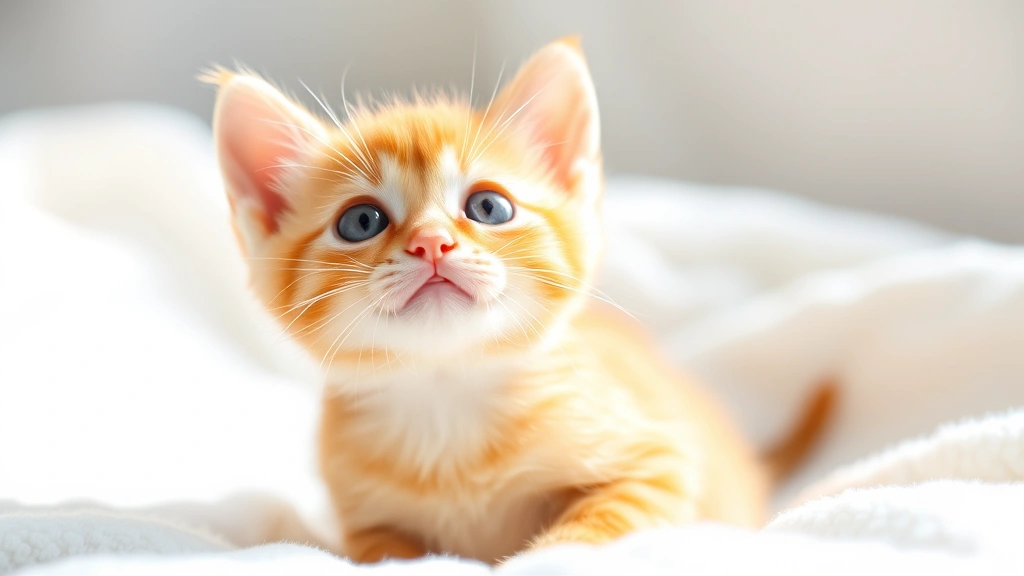
There’s something both hilarious and heartbreaking about watching a tiny kitten search frantically for its mother. One moment your little furball is tumbling around your living room, and the next, they’re crying at the top of their lungs like they’ve lost the most precious thing in the world. If you’ve ever found yourself wondering what’s really going on in that small head, you’re not alone. Understanding why kittens seek their mothers—and what this behavior means—gives us insight into their emotional needs and helps us become better caregivers.
Whether you’ve recently adopted a young kitten or you’re curious about feline development, this exploration of mama-seeking behavior will help you decode those adorable (and sometimes exhausting) meows. The truth is, a kitten’s attachment to its mother isn’t just cute—it’s fundamental to their survival and emotional wellbeing. By understanding this bond, you’ll be better equipped to provide comfort, security, and the right environment for your new family member.
The relationship between a kitten and its mother teaches us something profound about nurturing, independence, and the delicate balance between the two. Let’s dive into what makes this bond so special and what you can do to support your kitten through this critical developmental stage.
The Maternal Bond: Why Kittens Need Mom
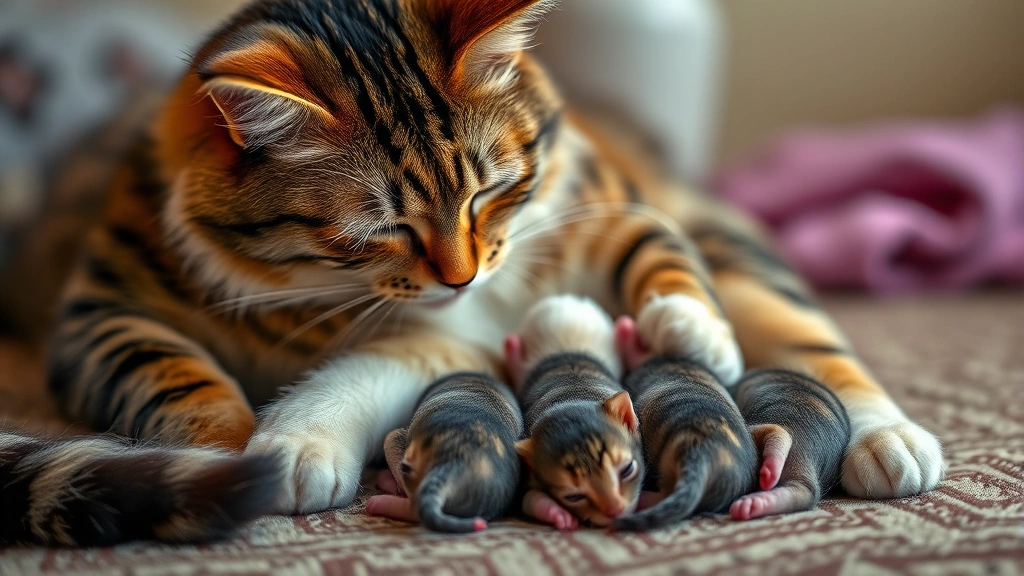
A kitten’s search for its mother isn’t simply instinctual programming—it’s an emotional necessity rooted in survival. From the moment they’re born, kittens depend entirely on their mother for warmth, nutrition, protection, and crucial social development. The maternal bond provides the foundation for everything a kitten will become: their confidence, their ability to interact with other cats and humans, and their overall emotional resilience.
When you understand this bond, you realize that a baby kitten crying for mama isn’t being dramatic—they’re expressing a legitimate need. Mother cats provide more than just milk; they offer security, comfort, and essential lessons about how to navigate the world. Kittens learn social skills, appropriate play behavior, and even grooming habits by watching and interacting with their mothers.
The research on early attachment in animals mirrors what we know about human infants. According to the American Academy of Pediatrics, early bonding experiences shape lifelong emotional patterns. The same principle applies to kittens. A kitten separated too early from its mother may struggle with anxiety, social difficulties, and behavioral issues later in life.
This is why responsible breeders and shelters typically don’t adopt out kittens before they’re eight to twelve weeks old. By this age, kittens have developed sufficient independence while still maintaining the security benefits of maternal care. Understanding this timeline helps you appreciate what stage your kitten is in and what support they need from you.
Developmental Stages and Separation
Kittens don’t develop at a uniform pace, and their need for mama changes dramatically as they grow. Breaking down these stages helps explain the behaviors you’re observing and sets appropriate expectations.
Newborn to Three Weeks: At this stage, kittens are completely dependent. They can’t regulate their own body temperature, can’t eliminate waste without mother’s stimulation, and are essentially helpless. A baby cat at this age needs constant maternal contact. Separation would be life-threatening.
Three to Eight Weeks: This is the critical socialization window. Kittens’ eyes open, they become mobile, and they begin exploring. They still nurse but start eating solid food. Mama cat begins teaching them important skills like using the litter box, grooming, and appropriate play. Separation during this period should be minimal and only when absolutely necessary.
Eight to Twelve Weeks: Kittens are increasingly independent but still emotionally attached to their mother. They’re eating solid food regularly but may still nurse occasionally. This is typically the earliest safe age for adoption, though many experts recommend waiting until fourteen weeks for optimal development.
Three to Six Months: By this age, kittens are largely independent and can survive without their mother nutritionally. However, they may still seek comfort and guidance. Mama cats naturally begin discouraging nursing and encouraging independence during this phase.
Understanding where your kitten falls in this developmental timeline is crucial. If you’ve recently brought home a very young kitten, their mama-seeking behavior is completely normal and expected. Your job isn’t to eliminate this behavior but to gradually help them transfer their sense of security from their biological mother to you and their new environment.
Recognizing Signs of Distress
Not all kitten vocalizations mean they’re searching for mama, but some clearly indicate distress. Learning to distinguish between different types of meows and behaviors helps you respond appropriately.
Persistent, High-Pitched Crying: This is the classic “where’s mama” sound. Young kittens often make this noise when they’re separated from their littermates or mother. It’s typically accompanied by restless behavior and searching movements.
Excessive Vocalization: If your kitten is constantly meowing, yowling, or crying, they may be experiencing anxiety or loneliness. This goes beyond normal kitten chatter and suggests they need extra comfort and attention.
Destructive Behavior: Some kittens channel their anxiety into destructive actions—scratching furniture excessively, knocking things over, or aggressive play. This is their way of expressing stress and seeking stimulation.
Clinginess: A kitten that follows you everywhere, refuses to be alone, or becomes panicked when you leave the room is likely dealing with separation anxiety. While this is endearing, it indicates your kitten is struggling with the absence of their mother figure.
Refusal to Eat: Stress can suppress appetite. If your kitten isn’t eating normally or shows little interest in food, they may be experiencing significant distress beyond normal mama-seeking behavior.
According to the ASPCA, recognizing these signs early allows you to intervene before anxiety becomes a chronic behavioral issue. If your kitten’s distress seems severe or prolonged, consulting with a veterinarian is always wise.
Creating a Safe Haven for Your Kitten
One of the most powerful things you can do for a kitten missing mama is to create an environment that mimics the security and comfort of maternal care. This isn’t about replacing the mother—it’s about providing the psychological safety that allows your kitten to develop confidence and independence.
Designated Safe Space: Set up a small, quiet area where your kitten can retreat. This might be a bedroom corner, a large closet, or a cat tent. Include soft bedding, toys, and their litter box. This space should be off-limits to other pets and free from sudden noises or disruptions. A kitten with a safe space feels less vulnerable and more secure.
Comfort Items: Consider using items that smell familiar. If you’ve gotten your kitten from a breeder or shelter, ask if they have any bedding or toys that carry the scent of the mother or littermates. Familiar scents are incredibly calming. You can also use feline pheromone diffusers that mimic the calming scents mother cats naturally produce.
Consistent Routine: Kittens thrive on predictability. Establish regular feeding times, play sessions, and quiet time. When a kitten knows what to expect, they feel more secure. This consistency helps them gradually understand that they’re safe even without mama present.
Gentle Handling: How you interact with your kitten matters enormously. Slow movements, soft voice, and gentle touch help your kitten associate you with safety and comfort. Avoid sudden surprises or rough play that might trigger anxiety.
Gradual Independence: While it’s tempting to never leave your kitten alone, helping them develop independence is essential. Start with very short separations—even just stepping into another room for a minute. Gradually increase the duration. This teaches your kitten that you always return and that being alone is safe.
Weaning and Independence: The Transition
Understanding weaning helps you recognize that your kitten’s mama-seeking behavior naturally diminishes over time. Weaning is both a physical and emotional process.
Physical Weaning: This typically begins around three to four weeks when kittens start showing interest in solid food. By eight weeks, most kittens are primarily eating kitten food, though they may still nurse occasionally. By twelve weeks, most are fully weaned nutritionally.
Emotional Weaning: This is more gradual and less defined. Mother cats naturally begin discouraging nursing and encouraging independence. They’ll move away from their kittens more frequently, spend less time grooming them, and gently discourage neediness. This emotional separation helps kittens develop confidence.
When you adopt a kitten, you’re essentially taking over the mother’s role in this transition. You’re providing nutrition, comfort, and gradually encouraging independence. Some kittens take to this transition smoothly; others struggle. This is where your parenting advice instincts come in handy—patience, consistency, and understanding go a long way.
The goal isn’t to rush your kitten toward independence but to support them through this natural developmental stage. Some kittens adopted very young may need more time and reassurance than those who spent more time with their biological mothers. This is completely normal and doesn’t indicate a problem with your kitten or your care.
Building Trust Without Mom Present
Once you understand why your kitten seeks mama, you can work on becoming the secure attachment figure they need. This doesn’t mean replacing the biological mother—it means becoming a trusted caregiver who provides safety and comfort.
Be Present During Transitions: When your kitten first arrives, spend extra time with them. Sit quietly nearby while they explore, play gently, and offer reassurance. Your presence signals that the environment is safe.
Use Positive Associations: Make yourself the source of good things. You provide food, treats, play, and comfort. Over time, your kitten learns that you’re a safe, reliable presence. This builds trust more effectively than any amount of forced cuddling.
Respect Boundaries: Not all kittens are immediately cuddly, and that’s okay. Some need time to warm up. Forcing interaction can actually increase anxiety. Let your kitten approach you on their terms while remaining available and friendly.
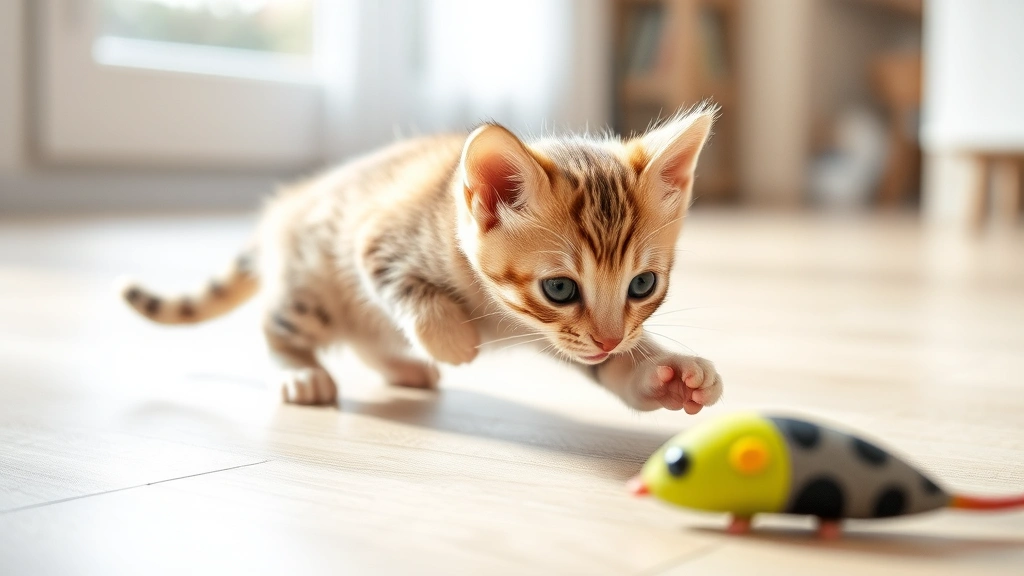
Engage in Play: Play isn’t just fun—it’s essential for development and bonding. Interactive play with wand toys, balls, or other engaging toys helps your kitten burn energy, develop skills, and associate you with positive experiences. According to the International Cat Care organization, regular play sessions significantly reduce anxiety and behavioral problems in young cats.
Maintain Calm Energy: Cats are incredibly sensitive to human emotional states. If you’re stressed or anxious about your kitten’s behavior, they’ll pick up on it. Maintaining a calm, patient demeanor helps your kitten feel secure. Remember that their mama-seeking behavior is temporary and manageable.
Common Behavioral Questions
As you navigate life with a kitten missing mama, certain behaviors and questions come up repeatedly. Let’s address some of the most common scenarios.
Should I Get a Second Kitten? Many people wonder if adopting two kittens might reduce mama-seeking behavior. The answer is nuanced. Two kittens do provide companionship and comfort to each other, which can reduce separation anxiety. However, each kitten still needs individual attention from you. If you’re considering this, adopting littermates or similarly-aged kittens is ideal. They’ll have an existing bond, which helps tremendously.
How Much Attention Does My Kitten Need? Young kittens need significant attention—several play sessions daily, frequent gentle handling, and regular interaction. As they grow, they become more independent. A good rule of thumb is to dedicate at least thirty minutes daily to interactive play and bonding, split into multiple sessions. This satisfies their need for stimulation and helps them feel secure.
Is Nighttime Crying Normal? Many kittens cry at night, especially if they’re used to sleeping with littermates or mama. This is normal but can be addressed. Try establishing a bedtime routine with play and feeding before sleep, providing a warm blanket or heating pad (not too hot), and using white noise to mask household sounds. Some people find success with a ticking clock or soft music. Be consistent—kittens learn routines quickly.
When Should I Worry About Excessive Mama-Seeking? If your kitten’s behavior seems extreme, persists beyond four to six months, or is accompanied by other concerning signs (not eating, not using the litter box, aggressive behavior), consult your veterinarian. Sometimes what looks like mama-seeking is actually a medical issue or a sign of deeper anxiety that needs professional support.
For more detailed information on baby animal care, understanding developmental stages is crucial. Additionally, exploring baby books on animal behavior can provide deeper insights into feline development and psychology.
Frequently Asked Questions
At what age can kittens be safely separated from their mothers?
Most veterinarians and animal behaviorists recommend waiting until kittens are at least eight to twelve weeks old, with many suggesting fourteen weeks for optimal development. At this age, kittens are nutritionally independent and have developed sufficient social skills. Earlier separation can lead to behavioral and health issues.
Why does my kitten cry constantly when I leave the room?
This behavior, called separation anxiety, is common in young kittens who haven’t yet learned that you’ll return. It’s their way of expressing distress about being alone. Gradual desensitization—practicing short separations and consistently returning—helps them learn that alone time is safe and temporary. If the behavior is severe, consult your veterinarian.
Can I use a kitten bottle to comfort my kitten?
While bottle feeding isn’t necessary for kittens past weaning age, some people find that holding their kitten while offering a bottle of kitten formula (or even water) provides comfort. This mimics nursing behavior without being nutritionally necessary. It’s a soothing ritual rather than a dietary requirement. Always use kitten-specific formula if bottle feeding.
How long does the mama-seeking phase typically last?
Most kittens show peak mama-seeking behavior between six and sixteen weeks of age. As they grow and develop independence, this behavior naturally decreases. By six months, most kittens are significantly less dependent on maternal figures. However, some kittens adopted very young may show occasional mama-seeking behavior into their first year.
Is it normal for my kitten to suckle on blankets or my fingers?
Yes, this behavior is called “non-nutritive suckling” and is completely normal, especially in kittens weaned early. They’re seeking comfort, not nutrition. It typically diminishes as they grow. If it becomes excessive or causes issues, you can redirect the behavior to a toy or blanket specifically designated for this purpose.
What if my kitten was orphaned or separated from mom very early?
Kittens separated before eight weeks may have missed crucial developmental experiences. They might show increased anxiety, behavioral challenges, or social difficulties. These kittens often need extra patience, consistent care, and sometimes professional behavioral support. However, with proper care and attention, they can develop into well-adjusted adult cats. Your veterinarian or a feline behaviorist can provide specific guidance for your situation.
Should I co-sleep with my kitten?
While sleeping near your kitten can provide comfort, allowing them to sleep in your bed isn’t generally recommended for safety reasons. A kitten could be injured if you roll over, and co-sleeping can increase dependence rather than independence. Instead, keep their bed near yours initially, then gradually move it further away as they become more confident.