What Is a Kewpie Baby? Origins and Collectibility
If you’ve ever stumbled upon a peculiar little doll with an elfin face, a distinctive curl atop its head, and an almost mischievous expression, you’ve likely encountered a Kewpie baby. These charming figures have captivated collectors and families for over a century, occupying a unique space in both toy history and popular culture. But what exactly is a Kewpie baby, and why do these vintage treasures command such devoted followings?
The story of the Kewpie baby is one of artistic vision, commercial genius, and enduring appeal. From their humble beginnings as comic strip characters to their evolution into beloved collectibles, these dolls represent a fascinating chapter in the history of childhood play and nostalgia. Whether you’re a seasoned collector or simply curious about these peculiar playthings, understanding their origins and significance offers insight into how toys shape our cultural memory.
The journey of the Kewpie baby reveals much about early twentieth-century America, the power of merchandising, and the timeless human desire to preserve childhood wonder through tangible objects. Let’s explore what makes these dolls so special and why they continue to enchant new generations of enthusiasts.
The Origins of the Kewpie Baby
The Kewpie baby story begins in 1909 when artist Rose O’Neill created these whimsical characters for a comic strip titled “The Kewpies.” The name itself derives from Cupid, reflecting the dolls’ cherubic, love-themed nature. O’Neill’s original illustrations featured tiny, impish beings with oversized heads, small bodies, and an air of mischievous charm that immediately resonated with readers.
What started as a two-dimensional comic sensation quickly transcended the printed page. By 1912, the first three-dimensional Kewpie dolls were manufactured by Joseph Kallus under the direction of Rose O’Neill. These early iterations were unlike anything parents and children had encountered before—they weren’t the realistic baby dolls that had dominated the market. Instead, they were fantastical, almost alien in appearance, yet undeniably endearing.
The timing proved impeccable. Early twentieth-century America was experiencing a cultural shift toward embracing whimsy and imagination in children’s entertainment. The Art Nouveau movement’s influence was still prevalent, and consumers were eager for products that offered something different from the Victorian strictness that had characterized previous generations. Kewpie babies arrived precisely when society was ready to celebrate playfulness and fantasy.
These dolls became instant sensations at carnivals, fairs, and amusement parks, where they were offered as prizes. Their popularity was so explosive that manufacturers couldn’t keep up with demand. By the 1920s, Kewpie babies had become cultural icons, appearing not just as dolls but as figurines, salt and pepper shakers, and countless other merchandise items.
The Creative Mind Behind Kewpies
Rose O’Neill, born in 1873, was a remarkably talented and progressive artist for her era. She worked as an illustrator, writer, and designer during a time when women’s creative contributions were often overlooked or undervalued. Despite these societal limitations, O’Neill built an impressive career and maintained considerable control over her intellectual property—an unusual achievement for women of her time.
O’Neill’s artistic background in illustration and design directly informed the Kewpie aesthetic. Her characters possessed a distinctive style that blended elements of contemporary illustration with classical artistic principles. The Kewpie’s characteristic features—the topknot of hair, the tiny body, the impish expression—all bore O’Neill’s unmistakable creative fingerprints.
What made O’Neill particularly savvy was her business acumen. She understood merchandising opportunities long before it became standard practice for artists to monetize their creations across multiple platforms. She negotiated contracts that allowed her to maintain creative oversight while partnering with manufacturers to produce physical dolls. This approach meant that Kewpie babies maintained design consistency and quality control across different producers.
O’Neill’s vision extended beyond mere commercial success. She genuinely believed in the power of her creations to inspire joy and imagination in children. Her correspondence and writings reveal someone deeply committed to the artistic integrity of her characters, even as they became mass-market commodities. This dedication to both art and commerce created a product that transcended typical toy status and achieved cultural significance.
Distinctive Characteristics and Design
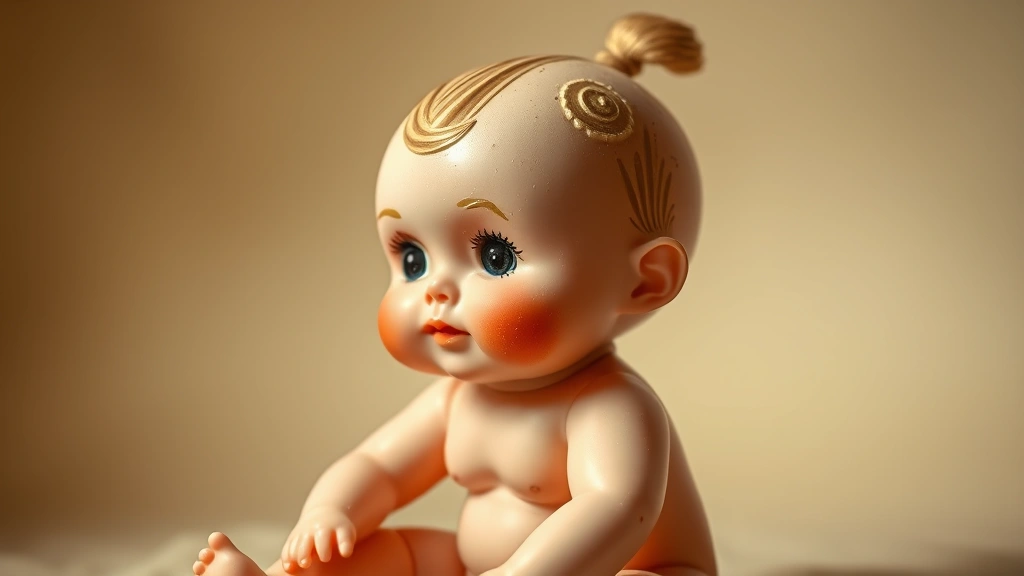
Identifying a genuine Kewpie baby requires understanding its specific design elements. These dolls possess several hallmark features that distinguish them from other vintage dolls and collectibles. First and foremost is the distinctive topknot—a curl of hair or molded feature on top of the head that serves as an immediate visual identifier.
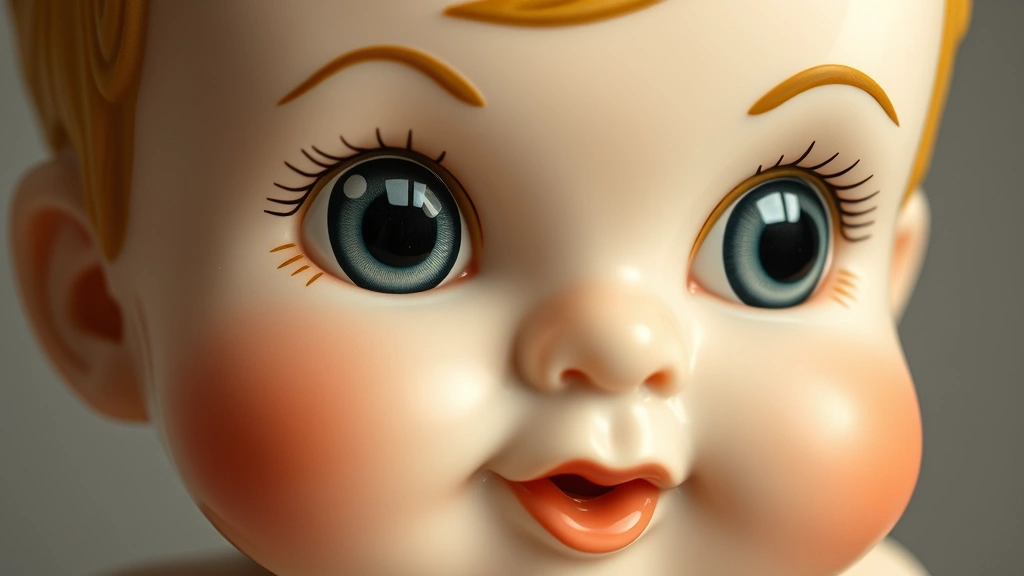
The facial features of authentic Kewpie babies include side-glancing eyes, typically painted or molded to gaze slightly sideways rather than straight ahead. This directional gaze contributes significantly to the dolls’ characteristic expression of impish humor. The mouth is usually small and pursed, often with a slight smile that enhances the mischievous quality.
Body proportions differ markedly from realistic baby dolls. Kewpie babies have disproportionately large heads relative to their diminutive bodies, creating an almost otherworldly appearance. Their limbs are stubby and often jointed, allowing for simple posing. Most vintage Kewpies measure between two and fourteen inches tall, though sizes vary considerably depending on manufacturer and production date.
Materials used in Kewpie production evolved over time. Early versions were primarily composed of bisque—a type of unglazed porcelain that was fired twice and prized for its delicate, lifelike finish. Later manufacturers experimented with composition materials, celluloid, rubber, and eventually plastic as technology advanced. The material composition often helps collectors date pieces and assess authenticity.
Clothing and accessories on vintage Kewpies vary widely. Some came dressed in simple muslin or paper clothing, while others wore more elaborate outfits. The dolls’ positioning also differs—some recline, others stand, and many assume playful poses with arms raised or legs extended. These variations in pose and dress reflect different manufacturers’ interpretations and different market segments the dolls were intended for.
Evolution Through the Decades
The Kewpie baby’s journey through the twentieth century reflects broader changes in toy manufacturing, materials science, and consumer preferences. During the 1920s and 1930s, when Kewpies first achieved massive popularity, bisque remained the primary material. These early pieces are now among the most sought-after by collectors, commanding premium prices due to their craftsmanship and historical significance.
The 1940s and 1950s brought significant changes to Kewpie production. World War II disrupted manufacturing in many countries, leading to innovations in materials and production methods. Manufacturers began experimenting with composition—a mixture of materials that could be molded and painted—which offered advantages in durability and cost-effectiveness compared to bisque. These mid-century Kewpies, while less delicate than their predecessors, possessed their own charm and accessibility.
By the 1960s and beyond, plastic had become the dominant material in toy manufacturing. Kewpie production adapted to these industry-wide changes, with plastic versions becoming common. While purists sometimes dismiss plastic Kewpies as inferior to vintage bisque examples, these later productions democratized access to the dolls, allowing more families to own these charming figures. Many collectors appreciate the full spectrum of Kewpie production across all eras and materials.
The licensing and manufacturing of Kewpie dolls involved numerous companies over the decades. Different manufacturers brought their own interpretations to the basic design, resulting in fascinating variations. Some versions are more faithful to O’Neill’s original vision, while others represent creative departures or regional adaptations. This diversity makes Kewpie collecting endlessly interesting—each doll tells its own story about manufacturing practices, artistic choices, and market conditions of its era.
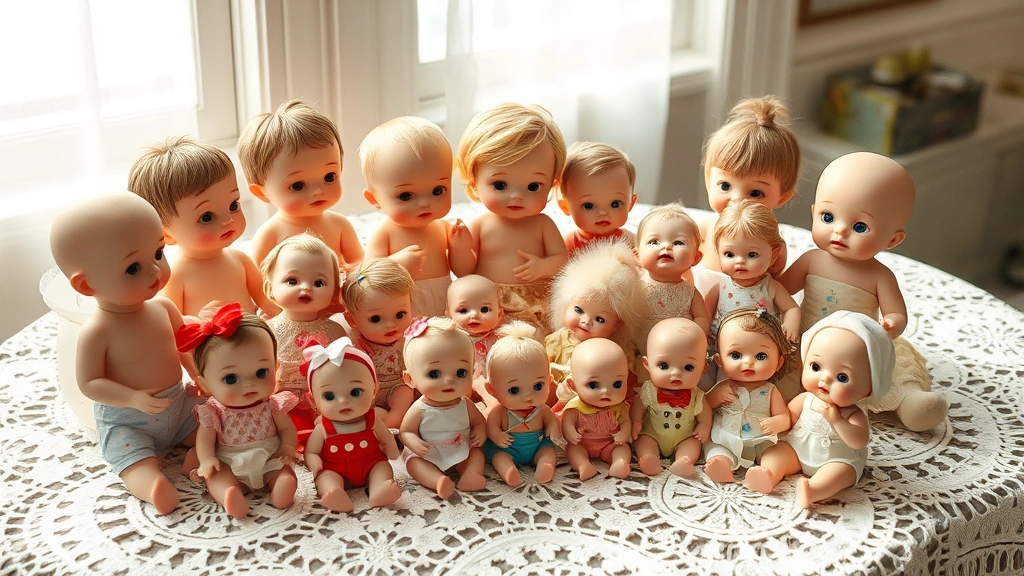
International production added another layer of complexity to Kewpie history. Japanese manufacturers, German producers, and American companies all contributed to the global Kewpie market. These different production centers created regional variations in design, materials, and quality. Collectors often specialize in specific manufacturers or geographic origins, recognizing that each production center brought unique characteristics to their Kewpie babies.
Why Collectors Treasure Kewpies
The enduring appeal of Kewpie babies among collectors stems from multiple factors that transcend simple nostalgia. These dolls occupy a unique position in toy history—they’re old enough to possess genuine historical significance, yet recent enough that abundant examples remain available for collectors at various price points and commitment levels.
For many collectors, Kewpies represent a tangible connection to early twentieth-century American culture. Owning an authentic vintage Kewpie baby feels like possessing a piece of social history. These dolls witnessed the Jazz Age, survived the Great Depression, and endured world wars. They carry within them the aesthetic sensibilities and manufacturing capabilities of their eras, making them valuable historical artifacts beyond their function as toys.
The artistic merit of Kewpie babies also attracts serious collectors. Rose O’Neill’s original design demonstrates sophisticated understanding of character design, proportion, and expressive potential. The way a simple curve of the mouth or angle of the eyes can convey personality and emotion speaks to O’Neill’s artistic genius. Collectors who appreciate design history and artistic achievement find deep satisfaction in studying and preserving these pieces.
Kewpie collecting also appeals to those interested in vintage baby collectibles more broadly. Unlike more specialized collecting pursuits, Kewpies exist within a broader context of vintage toys and memorabilia. This positioning means collectors can integrate Kewpies into larger collections alongside other era-appropriate items, creating cohesive displays that tell stories about childhood, play, and consumer culture.
The community aspect of Kewpie collecting shouldn’t be underestimated. Enthusiasts maintain active clubs, online forums, and collector networks where they share information, trade pieces, and celebrate new acquisitions. This social dimension transforms collecting from a solitary pursuit into a shared passion, enriching the experience for participants.
Additionally, Kewpie babies serve practical purposes in family contexts. Parents seeking gifts for children interested in vintage items, dolls, or historical objects often turn to Kewpies. The dolls’ enduring charm makes them suitable as special gifts that introduce younger generations to appreciation for vintage collectibles. Some families maintain multi-generational Kewpie collections, with pieces passed down and cherished across decades.
Understanding Value and Rarity
Kewpie baby values vary dramatically based on multiple factors, making valuation both an art and a science. Understanding these variables helps collectors make informed purchasing decisions and properly assess pieces they encounter. The most fundamental value determinant is material composition. Early bisque Kewpies from the 1920s-1930s typically command the highest prices, often ranging from $200 to several thousand dollars for exceptional examples. Composition Kewpies from the 1940s-1950s generally fall in the $50-$300 range, while plastic versions from later decades might be valued at $10-$50.
Size significantly impacts value. Smaller Kewpies—particularly the two to four-inch carnival prize versions—are less expensive than larger examples. However, very tiny Kewpies, particularly those under two inches, can command premium prices due to their rarity and the technical difficulty of producing such small pieces. Mid-sized dolls in the six to eight-inch range represent the most common sizes and typically offer reasonable entry points for new collectors.
Condition is perhaps the most crucial factor in determining Kewpie value. Collectors distinguish between several condition grades. Mint condition—meaning the doll remains in original packaging, completely unplayed with—commands the highest prices. Excellent condition pieces show minimal wear and retain most original features. Good condition dolls display obvious use but remain structurally sound. Fair condition pieces may have chips, cracks, or paint loss but remain displayable. Poor condition dolls are often valued primarily for parts or restoration projects.
Original clothing and accessories dramatically increase value. A Kewpie dressed in period-appropriate original outfit is worth considerably more than a nude doll. Original paper labels, boxes, or packaging add significant premiums. Dolls retaining their original composition or bisque finish without repainting are more valuable than repainted examples, as collectors prefer pieces that preserve historical authenticity.
Rarity also drives value. Common variations that were mass-produced in large quantities naturally cost less than scarce examples. Certain manufacturer marks, specific poses, or unusual sizes command premium prices among knowledgeable collectors. Limited production runs, regional variations, or pieces from specific years may be particularly sought-after.
Understanding the broader context of baby toys and play items helps collectors contextualize Kewpie pricing. Kewpies don’t exist in a vacuum—they compete in the vintage toy market alongside other collectibles. Comparable dolls, action figures, and vintage playthings help establish market baselines.
Authenticity and Identification
Distinguishing authentic vintage Kewpie babies from reproductions, fantasy pieces, or misidentified dolls requires careful attention to detail. Several authentication strategies help collectors verify pieces they’re considering acquiring.
Manufacturer marks and signatures provide crucial authentication clues. Genuine vintage Kewpies typically bear identifying marks indicating the manufacturer and often include copyright information or patent dates. These marks vary depending on the manufacturer and production era. Absence of expected marks or presence of suspicious markings should raise concerns about authenticity.
Material examination offers important authentication information. Bisque Kewpies possess a distinctive texture and weight that experienced collectors recognize immediately. The bisque should feel slightly grainy and cool to the touch. Composition materials have their own characteristic feel and appearance. Modern reproductions often use different materials that don’t perfectly replicate vintage originals, though sophisticated fakes do exist.
Careful inspection of the topknot provides authentication guidance. Original Kewpies display topknots that are integral to the head mold—they’re not glued on or added afterward. The topknot’s shape, size, and positioning should match known authentic examples. Reproductions sometimes feature topknots that appear slightly off or inconsistent with period pieces.
Paint and finish examination helps identify authentic pieces. Vintage Kewpies display paint that shows appropriate aging—slight crazing, minor wear in places where the doll would naturally be handled, and fading consistent with decades of age. Suspiciously perfect paint or overly bright coloring suggests either extensive restoration or modern production.
Comparison with documented examples is invaluable. Serious collectors consult reference books, museum collections, and verified examples to compare questionable pieces. Photography databases and collector communities provide access to thousands of documented authentic Kewpies, making comparison relatively straightforward.
Price anomalies often signal authentication concerns. If a piece is priced significantly below market value for its apparent condition and type, that dramatic discount may reflect concerns about authenticity that the seller hasn’t explicitly stated. Conversely, outrageous prices for common pieces might indicate the seller has overestimated their Kewpie’s rarity or condition.
Professional authentication services exist for collectors uncertain about questionable pieces. Experienced appraisers and authentication specialists can examine dolls in person, perform material testing if necessary, and provide written documentation of authenticity. This investment makes sense for high-value pieces where authentication significantly impacts value.
Understanding the history of Kewpie production helps identify authentic pieces. Knowing which manufacturers produced which variations, when specific materials were used, and how designs evolved across decades allows collectors to quickly identify inconsistencies that suggest reproduction or misidentification. This knowledge develops over time through studying reference materials and examining numerous examples.
Frequently Asked Questions
What’s the difference between a Kewpie baby and other vintage dolls?
Kewpie babies possess distinctly different characteristics from other vintage dolls. Their most obvious distinguishing feature is the topknot—a curl of hair or molded feature on top of the head. Unlike realistic baby dolls that attempted to look like actual infants, Kewpies embrace fantasy with their disproportionately large heads, small bodies, and impish expressions. Their side-glancing eyes and characteristic smile create an entirely different aesthetic from the solemn, realistic expressions typical of dolls like Bisque Dolls or early composition dolls. When you compare a Kewpie to a baby alive doll or traditional baby doll, the artistic departure becomes immediately apparent.
How can I start collecting Kewpie babies?
Beginning a Kewpie collection doesn’t require extensive capital or expertise. Start by researching the dolls through reference books, online resources, and collector websites to develop familiarity with authentic pieces and common variations. Visit antique shops, estate sales, and online marketplaces to examine available examples. Consider starting with more affordable plastic or composition Kewpies before investing in premium bisque examples. Connect with collector communities through online forums and clubs—these groups provide invaluable guidance for newcomers. Many experienced collectors enjoy mentoring newcomers, sharing authentication knowledge, and helping establish realistic expectations about pricing and availability.
Are reproduction Kewpie babies worth collecting?
This question divides the collecting community. Some purists argue that only authentic vintage pieces merit collection, viewing reproductions as lesser imitations without historical significance. Others appreciate well-made reproductions for their accessibility, affordability, and charm, even while maintaining separate collections of authentic pieces. Modern reproductions serve legitimate purposes—they allow families with limited budgets to enjoy Kewpie dolls, and they provide alternatives for collectors concerned about the fragility of precious vintage pieces. If you’re interested in reproductions, purchase them with clear understanding of their status as modern productions rather than vintage originals.
What should I look for when purchasing a vintage Kewpie baby?
Examine the doll’s condition thoroughly—check for chips, cracks, paint loss, or structural damage. Verify manufacturer marks and signatures match documentation for authentic pieces. Assess material composition; authentic pieces should feel appropriately for their stated material. Inspect the topknot carefully to ensure it’s integral to the head mold rather than applied afterward. Look for original clothing and accessories, which significantly increase value. Request clear photographs showing all angles, including the underside and any maker’s marks. Ask detailed questions about provenance and condition history. If the price seems unusually low, investigate why—it may reflect legitimate reasons like damage or authenticity concerns. Consider having significant purchases authenticated by professionals before finalizing transactions.
How should I care for and display my Kewpie collection?
Proper storage and display protect your investment and preserve these delicate pieces. Keep dolls in a climate-controlled environment away from direct sunlight, which fades paint and degrades materials. Maintain consistent humidity levels—fluctuations cause damage to bisque and composition materials. Display Kewpies on shelves or in glass cases that protect them from dust and accidental contact. Handle dolls minimally and always with clean hands. Avoid attempting repairs or restoration yourself; professional conservators possess the expertise and materials necessary for proper restoration. Store valuable pieces in acid-free boxes with tissue paper if you’re not displaying them. For baby doll accessories and clothing, store separately in appropriate archival materials to prevent deterioration.
Why are some Kewpie babies so expensive?
Several factors contribute to premium pricing for certain Kewpies. Early bisque examples from the 1920s-1930s command high prices due to their age, material quality, and historical significance. Pieces in exceptional condition with original clothing and packaging fetch premium prices. Rare variations, unusual sizes, or limited production runs cost more than common examples. Dolls with documented provenance or celebrity ownership command collector premiums. Exceptional artistic quality or unusual manufacturer variations appeal to serious collectors willing to pay accordingly. Understanding these value drivers helps you make informed decisions about which pieces warrant premium investment versus those better suited to budget-conscious collecting.
Can I find affordable Kewpie babies to start my collection?
Absolutely. Many excellent entry-level Kewpies exist at reasonable prices. Plastic Kewpies from the 1960s-1980s typically cost $10-$50, making them perfect for newcomers. Composition examples in good condition often range $50-$150. Small carnival prize versions, while sometimes harder to find, remain relatively affordable. Estate sales, flea markets, and online marketplaces frequently offer reasonably priced examples. Damaged or heavily played-with pieces cost less than pristine examples but still retain charm and collectibility. Some collectors specifically focus on affordable Kewpies, building impressive collections within modest budgets. Your collecting approach depends on personal preferences—budget-conscious collectors can certainly enjoy meaningful collections without significant financial investment.