What Are Kewpie Babies? A Nostalgic Look at a Timeless Icon
There’s something undeniably charming about vintage toys that have managed to capture hearts across generations. The Kewpie baby doll stands as one of those rare treasures—a cultural artifact that transcends simple playthings to become a window into early 20th-century childhood wonder. If you’ve ever encountered these distinctive cherub-faced dolls at an antique shop or grandmother’s house, you’ve witnessed a piece of American pop culture history that deserves far more appreciation than it typically receives.
The story of Kewpie babies is one wrapped in artistic vision, commercial success, and the enduring human desire to create miniature versions of innocent beauty. These dolls didn’t just appear on toy shelves by accident; they emerged from a specific creative moment and evolved into a phenomenon that shaped how generations of children played, imagined, and dreamed. Whether you’re a parent curious about vintage toys, a collector hunting for authentic pieces, or simply someone intrigued by nostalgic cultural moments, understanding Kewpies offers genuine insight into childhood traditions and toy design philosophy.
What makes Kewpie dolls particularly fascinating is their longevity. Most toys from their era have faded into obscurity, but these impish little figures continue to capture imaginations. They’re not just relics of the past—they represent a philosophy of play that emphasizes whimsy, charm, and the celebration of childhood innocence in ways that modern toys often overlook.
The Origins of Kewpie Dolls
The Kewpie baby story begins with artist Rose O’Neill, a visionary illustrator and writer who created these cherubic characters in 1909. O’Neill first introduced Kewpies through her comic strip illustrations in The Ladies’ Home Journal, where they appeared as mischievous, elf-like creatures spreading joy and gentle chaos. The name itself derived from “Cupid,” cleverly shortened to create something distinctly new and memorable.
What started as comic strip illustrations quickly evolved into something far more significant. The commercial potential of O’Neill’s creations became immediately apparent, and soon manufacturers were racing to produce three-dimensional Kewpie dolls that captured the whimsy of her original drawings. The transition from flat illustration to tangible toy was seamless—these dolls retained the distinctive features that made the comics so appealing: oversized heads, impish expressions, and an unmistakable sense of playful mischief.
The early production of Kewpie dolls began in earnest around 1912, with German manufacturers leading the charge. German craftsmanship was renowned globally during this period, and companies like Kestner and Kewpies’ official manufacturer recognized the enormous market opportunity. Rose O’Neill maintained creative control over the design process, ensuring that mass-produced versions maintained the integrity and charm of her original artistic vision.
By the 1920s, Kewpies had become a cultural phenomenon unlike anything the toy industry had previously witnessed. They transcended the typical boundaries of children’s playthings, becoming collectible items for adults, prizes at carnivals, and symbols of American pop culture. This wasn’t merely a toy fad—it represented a fundamental shift in how society viewed childhood entertainment and the commercial possibilities of character merchandise.
Design and Physical Characteristics
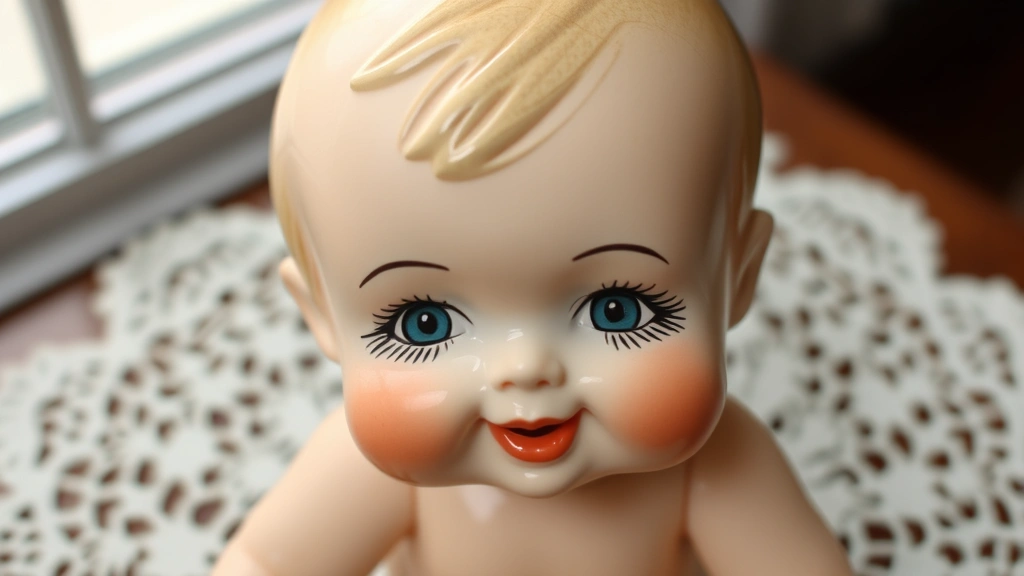
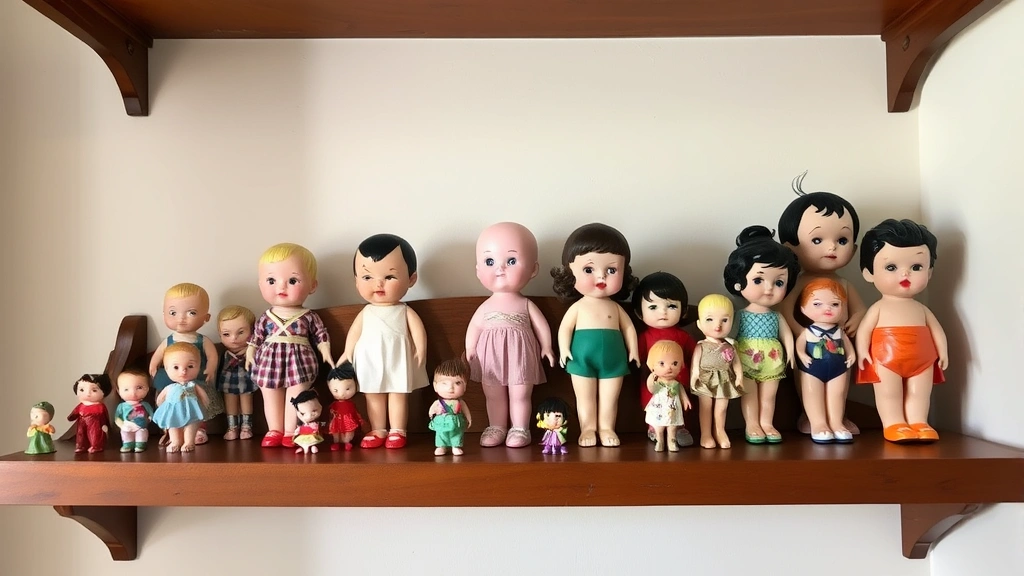
One glance at a Kewpie doll and you understand instantly why they captured imaginations so thoroughly. These dolls possess immediately recognizable features that distinguish them from virtually every other doll ever produced. The most striking characteristic is undoubtedly the oversized head, disproportionately large compared to the compact body—a design choice that emphasized the doll’s cherubic, almost alien charm.
The facial features were equally distinctive. Kewpies displayed a characteristic smug expression, with tiny pursed lips often curved into a knowing smile, small painted eyes that seemed to contain secrets, and an overall countenance suggesting impish confidence. Many vintage Kewpies featured composition bodies—a material made from sawdust, glue, and other binding agents that was popular during the early toy manufacturing era. Later versions incorporated different materials as production evolved and manufacturing techniques advanced.
The dolls typically ranged from just a few inches to about twelve inches tall, though variations existed. Smaller versions served as baby doll accessories or prizes, while larger models became cherished display pieces. The proportions of each Kewpie maintained remarkable consistency—the oversized head, stubby limbs, and diminutive torso created an instantly identifiable silhouette that collectors and enthusiasts can spot from across a room.
What’s particularly noteworthy about Kewpie design is how Rose O’Neill’s artistic sensibility translated into three-dimensional form without losing its essential character. The dolls didn’t feel mass-produced or generic; each one seemed to possess personality and intention. This was partly due to careful attention to facial painting and expression, where subtle variations in eye placement or lip curve could dramatically alter a doll’s apparent personality.
Construction methods evolved as production continued. Early Kewpies featured jointed composition bodies with moveable limbs, while some later versions incorporated celluloid or vinyl. The quality of manufacture varied depending on the producer and era, but the most desirable vintage Kewpies demonstrate the craftsmanship standards that German manufacturers maintained during the early twentieth century.
The Golden Era of Kewpie Production
The 1920s and 1930s represented the absolute zenith of Kewpie popularity and production. During these decades, millions of dolls were manufactured globally, with various companies holding licenses to produce official versions. The economic boom of the 1920s meant that families had disposable income to spend on toys, and Kewpies became status symbols of sorts—desirable items that demonstrated a family’s engagement with contemporary culture and their ability to afford popular playthings.
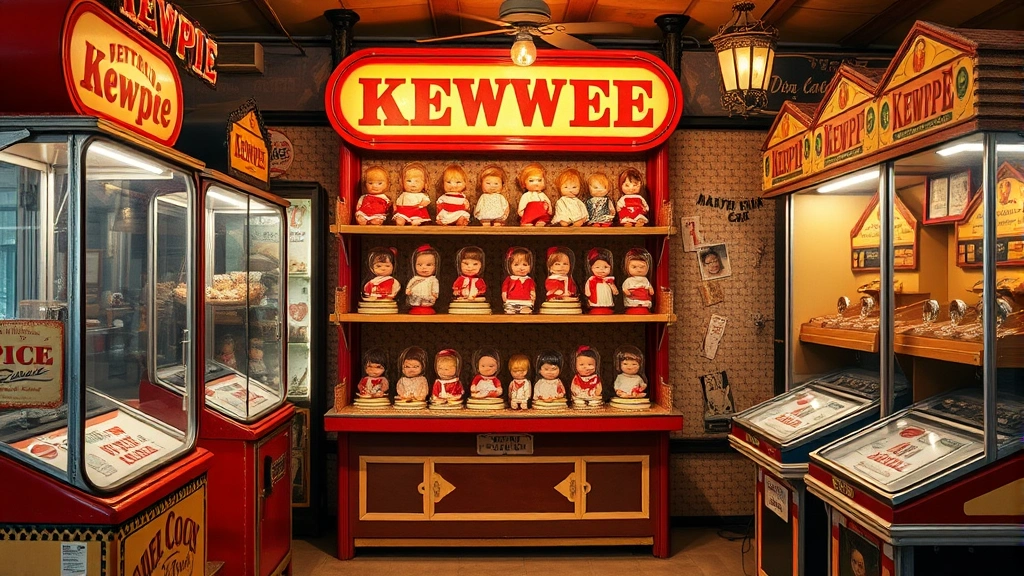
Carnival prizes became a particularly significant distribution channel for Kewpie dolls. Traveling carnivals and county fairs throughout America featured games where winners could claim Kewpie dolls as prizes. This strategy proved brilliantly effective for manufacturers—it placed dolls directly into the hands of children and adults who might never have encountered them in traditional retail settings, dramatically expanding their reach and cultural penetration.
The variety of Kewpie products during this golden era was staggering. Beyond standard dolls, manufacturers produced Kewpie bisque figurines, perfume bottles, salt and pepper shakers, jewelry, and countless other items. Licensing agreements allowed companies across numerous industries to incorporate Kewpie imagery into their products. This merchandising strategy predated Mickey Mouse by several years and established a template for character licensing that would dominate the entertainment and toy industries throughout the twentieth century.
Rose O’Neill herself became a celebrity during this period, recognized as the visionary behind the phenomenon. She maintained involvement in product development while also expanding her artistic career in other directions. O’Neill’s success as a businesswoman was relatively unusual for women during this era, making her an important figure in both art and commerce history.
Production continued at impressive levels throughout the 1930s, though the Great Depression did impact toy purchasing patterns. Despite economic hardship, Kewpies remained popular, perhaps because they represented affordable whimsy during difficult times. Their lower price point compared to other dolls made them accessible even to families with limited resources.
Cultural Impact and Popularity
Understanding the cultural impact of Kewpie dolls requires recognizing what they represented to early twentieth-century society. These weren’t merely toys—they embodied specific ideals about childhood, innocence, and the commercialization of cuteness. In an era before mass media as we understand it, Kewpies served as cultural ambassadors, carrying Rose O’Neill’s artistic vision into homes, playrooms, and imaginative spaces across America and beyond.
The dolls influenced toy design philosophy significantly. Manufacturers observed how Kewpies succeeded by emphasizing personality and distinctive design over realistic representation. This lesson shaped subsequent toy development, encouraging designers to prioritize character and charm over anatomical accuracy. The impact extended to doll design specifically, as competitors attempted to create their own iconic characters with equally memorable visual identities.
Kewpies also represented early American embrace of Japanese aesthetic influences. Some Kewpie variants incorporated Japanese design elements, reflecting the cultural exchange happening during the early twentieth century. This cross-cultural pollination demonstrated how global design trends influenced American popular culture, even during an era before instantaneous international communication.
The dolls became deeply embedded in social rituals and traditions. Giving a Kewpie doll as a gift carried specific meaning—it suggested playfulness, affection, and an understanding of contemporary culture. For young girls, receiving a Kewpie represented a connection to broader cultural conversations about femininity, play, and childhood. The dolls functioned as conversation pieces, status indicators, and genuine playthings simultaneously.
Celebrity and media connections enhanced Kewpie prestige. Movie stars and public figures were photographed with Kewpies, further elevating their cultural status. This early form of celebrity endorsement proved remarkably effective at sustaining interest across decades. When famous personalities associated themselves with products, it created cultural legitimacy that extended well beyond traditional advertising.
Collecting Kewpie Babies Today
The modern Kewpie collecting community remains surprisingly vibrant and passionate. Serious collectors pursue rare variants, seeking dolls with specific characteristics, manufacturing marks, or historical significance. The value of vintage Kewpies varies enormously depending on condition, size, material, and provenance. A pristine early German bisque Kewpie in its original clothing can command substantial prices, while composition examples or later reproductions sell for considerably less.
For parents interested in introducing children to vintage toys or baby alive doll alternatives with historical significance, reproduction Kewpies offer accessible entry points. Modern manufacturers produce new Kewpie dolls that capture the original aesthetic while meeting contemporary safety standards and manufacturing practices. These reproductions appeal to families seeking nostalgic connections without the fragility concerns associated with genuine antiques.
Condition assessment matters enormously in the collector’s market. Original clothing, intact paint, unmarred composition, and complete original features significantly impact value. Dolls that have been played with extensively, repainted, or modified carry considerably less collector value, though they may retain sentimental worth for families. Understanding what collectors prioritize helps anyone evaluating inherited or discovered Kewpies.
Auction sites and specialized antique dealers regularly feature Kewpie dolls, providing opportunities for collectors to acquire examples. Online communities dedicated to vintage dolls offer extensive resources about authentication, valuation, and collecting strategies. These communities prove invaluable for anyone seriously interested in understanding the market and building meaningful collections.
The investment potential of Kewpies deserves mention, though collectors should approach this aspect cautiously. While rare variants have appreciated in value, the broader market for vintage dolls fluctuates. Collecting Kewpies should primarily be motivated by genuine appreciation rather than speculation. The joy of owning these charming artifacts far exceeds any potential financial return.
Modern Relevance and Legacy
Why do Kewpie dolls continue to captivate people more than a century after their creation? Part of the answer lies in their aesthetic distinctiveness. In an era of mass-produced toys that often prioritize realism or licensed characters from media properties, Kewpies stand apart as genuinely original creations. They represent a moment when toy design prioritized artistic vision and personality over commercial formulas.
Contemporary parents increasingly seek toys and gifts that offer alternatives to modern consumer culture. Vintage Kewpies appeal to this sensibility—they represent simpler times, handcrafted quality, and artistic intention. Giving a baby doll dress or Kewpie reproduction to a child connects them to historical play traditions while encouraging imagination in ways that open-ended toys facilitate.
The Kewpie aesthetic has experienced genuine revival in contemporary design. Modern artists, illustrators, and designers reference Kewpie imagery, incorporating their distinctive visual language into contemporary work. This revival isn’t nostalgic mimicry—it represents genuine recognition that the design principles O’Neill established remain effective and appealing.
Museums and cultural institutions have begun recognizing Kewpies as significant artifacts worthy of preservation and study. The dolls appear in exhibitions examining toy design, American popular culture, and early twentieth-century commerce. This institutional validation ensures that future generations will understand Kewpies’ historical and cultural importance.
For families interested in cute baby aesthetics or seeking meaningful baby girl gifts with character and history, Kewpies offer genuinely compelling options. Whether as reproductions for play or authentic vintage pieces for collection, these dolls continue fulfilling their original purpose: bringing joy, whimsy, and imagination into people’s lives.
The legacy of Kewpie dolls extends beyond the toys themselves. Rose O’Neill’s success demonstrated that women could create, develop, and commercialize intellectual property effectively. Her business acumen and artistic vision established precedents that influenced how the entertainment and toy industries developed. Understanding Kewpies means understanding important chapters in American business, art, and cultural history.
Frequently Asked Questions
How much are vintage Kewpie dolls worth?
Value varies dramatically based on condition, size, material, and origin. Authentic German bisque Kewpies from the 1920s in excellent condition with original clothing can range from fifty dollars to several hundred dollars. Composition versions typically sell for twenty to one hundred dollars depending on condition. Rare variants or dolls with documented provenance command higher prices. Always consult multiple sources and recent sales data when evaluating specific dolls.
How can I tell if my Kewpie doll is authentic?
Authentic vintage Kewpies typically feature specific manufacturing marks, usually found on the back or bottom. German-made versions often bear marks from manufacturers like Kestner or other licensed producers. Examine materials carefully—early versions used bisque or composition, not plastic or vinyl. Research the specific doll’s characteristics, including paint quality, proportions, and clothing details. Consulting collector guides or online communities helps authenticate specific examples.
Are Kewpie dolls safe for children to play with?
Authentic vintage Kewpies contain materials and manufacturing methods that predate modern safety standards. Many feature fragile composition bodies, small detachable parts, and potentially toxic paint. The American Academy of Pediatrics recommends reserving vintage toys for supervised play or display. Modern reproduction Kewpies manufactured by contemporary companies meet current safety standards and prove more appropriate for unsupervised childhood play.
Where can I buy authentic Kewpie dolls?
Reputable sources include specialized antique dealers, auction houses, and established online marketplaces with buyer protection policies. Estate sales and antique shops often feature Kewpies, though prices and selection vary. Online communities dedicated to vintage dolls provide recommendations for trustworthy dealers. Be cautious of deals that seem unusually inexpensive—authentication is crucial before significant purchases. Collectors Weekly offers extensive resources and marketplace connections for serious collectors.
What makes Kewpies different from other vintage dolls?
Kewpies possess distinctive visual characteristics that set them apart: oversized heads, stubby limbs, characteristic smug expressions, and overall proportions that feel deliberately exaggerated rather than realistic. This design philosophy emphasized personality and whimsy over anatomical accuracy. Rose O’Neill’s artistic vision created something genuinely original that competitors couldn’t successfully replicate, establishing Kewpies as iconic rather than generic.
Can I restore or repair damaged Kewpie dolls?
Restoration should only be attempted by experienced professionals familiar with antique toy repair. Improper restoration significantly reduces collector value and can damage irreplaceable historical artifacts. If you own a valuable Kewpie requiring repair, consult specialists in doll restoration rather than attempting DIY fixes. For sentimental family dolls of lesser value, gentle cleaning and careful storage provide appropriate care without risking damage.
Why are Kewpies experiencing renewed interest?
Contemporary culture increasingly values vintage aesthetics, handcrafted quality, and artistic originality. Kewpies represent genuine alternatives to mass-produced modern toys, offering distinctive character and historical significance. Social media and online communities have made collecting more accessible and visible, introducing Kewpies to younger audiences. Additionally, the dolls’ charming aesthetic appeals to contemporary design sensibilities that appreciate whimsy and personality.