What Is Love’s Baby Soft? A Fragrance Overview for Modern Parents
If you’re a parent shopping for baby products, you’ve likely stumbled across Love’s Baby Soft at some point. This iconic fragrance has been a staple in nurseries and diaper bags for decades, but what exactly is it, and should it have a place in your baby care routine? We’re breaking down everything you need to know about this classic scent—from its ingredients to whether it’s actually safe for your little one.
Love’s Baby Soft isn’t just another baby product. It’s a nostalgic fragrance that many parents remember from their own childhoods, creating an emotional connection that goes beyond just smell. But nostalgia alone doesn’t make a product right for your baby. Understanding what’s actually in the bottle, how it compares to other baby care options, and whether dermatologists recommend it is essential before you add it to your nursery collection.
This guide will walk you through the history, composition, and practical considerations of Love’s Baby Soft so you can make an informed decision for your family.
The History and Legacy of Love’s Baby Soft
Love’s Baby Soft launched in 1973 and became an instant phenomenon. The fragrance was created by Dana, a perfume company known for accessible, affordable scents. What made Love’s Baby Soft revolutionary wasn’t just the scent itself—it was the marketing genius behind it. The brand positioned itself as the ultimate symbol of innocence, femininity, and tenderness, making it a cultural icon that extended far beyond the nursery.
The fragrance’s success wasn’t accidental. It tapped into a universal desire among parents to capture and preserve the sweetness of babyhood. The soft, powdery notes resonated with mothers and grandmothers who wanted their babies to smell as innocent as they looked. Over five decades later, Love’s Baby Soft remains one of the best-selling fragrances in the world, with a devoted following that spans generations.
What’s particularly interesting is how the fragrance has transcended its original purpose. While it was marketed as a product for babies, it became equally popular as a personal fragrance for women. This dual identity speaks to the universal appeal of its scent profile and the emotional connections people have to it.

Understanding the Fragrance Composition
Love’s Baby Soft is classified as an eau de cologne, which means it has a lower concentration of fragrance oils compared to eau de parfum or perfume. The exact formula is proprietary, but the signature scent profile includes soft florals, powdery notes, and light fruity undertones that create its distinctive gentle aroma.
The fragrance contains alcohol as a primary ingredient, which serves as a carrier for the aromatic compounds. It also includes various fragrance compounds and preservatives designed to maintain the scent’s integrity and shelf life. Unlike products like Baby Aquaphor, which focuses on skin protection and moisture, Love’s Baby Soft is purely about fragrance.
The powdery, sweet character comes from synthetic aromatic molecules that mimic the scent of talc, vanilla, and light florals. These aren’t necessarily harmful, but they are synthetic creations rather than natural extracts. This is an important distinction because some parents specifically seek out products with minimal synthetic fragrances for their babies.
One critical aspect of the composition is the presence of fragrance allergens. Love’s Baby Soft contains compounds that can trigger allergic reactions in sensitive individuals, which is why dermatologists recommend patch testing before applying any fragrance near a baby’s skin.
Safety Considerations for Baby Skin
The American Academy of Pediatrics and dermatological organizations generally recommend avoiding unnecessary fragrances on babies, particularly for newborns and infants with sensitive skin. Baby skin is significantly more delicate than adult skin, with a thinner outer layer and a higher pH that makes it more susceptible to irritation.
Love’s Baby Soft is not formulated specifically for application directly on a baby’s skin. The alcohol content, while relatively low compared to other fragrances, can still be drying and potentially irritating if applied directly to sensitive areas. Additionally, babies explore the world by putting things in their mouths, so any product applied to their clothing or skin could potentially be ingested in small amounts.
For babies with eczema, sensitive skin conditions, or a family history of allergies, fragrance products pose an even greater risk. The fragrance compounds can trigger inflammatory responses that exacerbate existing skin conditions. If you’re considering using Love’s Baby Soft in any capacity around your baby, consulting with your pediatrician first is a wise precaution.
That said, many families use Love’s Baby Soft safely by applying it to items that don’t come into direct contact with baby’s skin, such as blankets, stuffed animals, or the nursery itself. The key is understanding the distinction between using it as an environmental fragrance versus a personal care product.
How It Compares to Other Baby Products
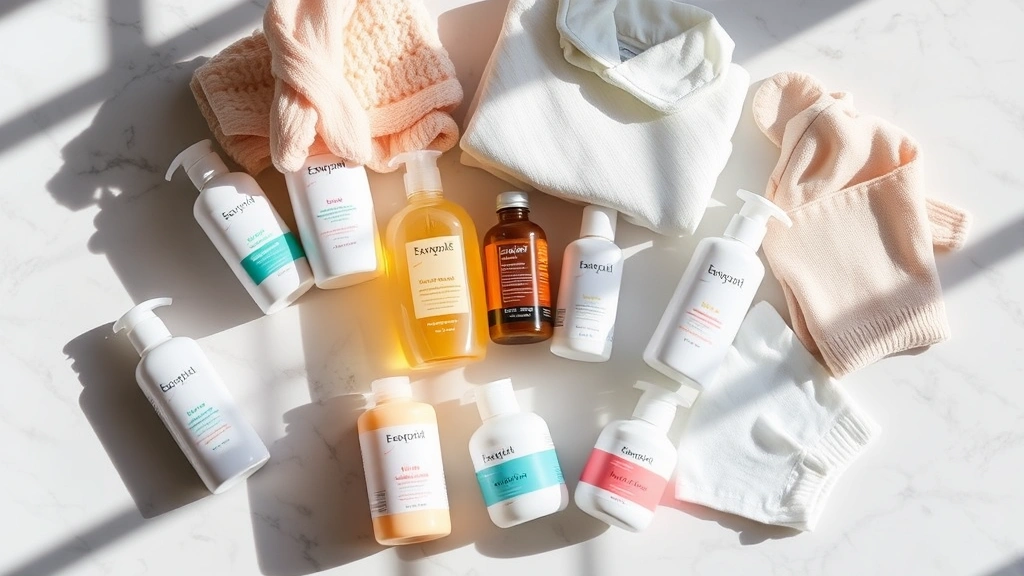
When evaluating Love’s Baby Soft alongside other baby care products, it’s essential to understand that it serves a different purpose than functional products like baby lotion or baby shampoo. These latter products are designed to cleanse and moisturize, whereas Love’s Baby Soft is purely aesthetic—it exists to create a pleasant scent.
Many modern baby care brands have moved away from heavy fragrances entirely, opting instead for unscented or lightly scented formulations with natural essential oils. Products specifically designed for sensitive baby skin often carry dermatologist recommendations and hypoallergenic certifications that Love’s Baby Soft doesn’t claim.
However, Love’s Baby Soft does have advantages in terms of affordability and accessibility. It’s widely available, inexpensive, and the fragrance is consistent and recognizable. For parents who want to incorporate fragrance into their baby’s environment without breaking the bank, it remains a popular choice.
If you’re looking for fragrance options that are specifically formulated with baby safety in mind, many brands now offer alternatives that use gentler ingredients. These products often feature natural scents derived from essential oils, though it’s worth noting that even natural oils can cause irritation in sensitive individuals.
Practical Uses and Application
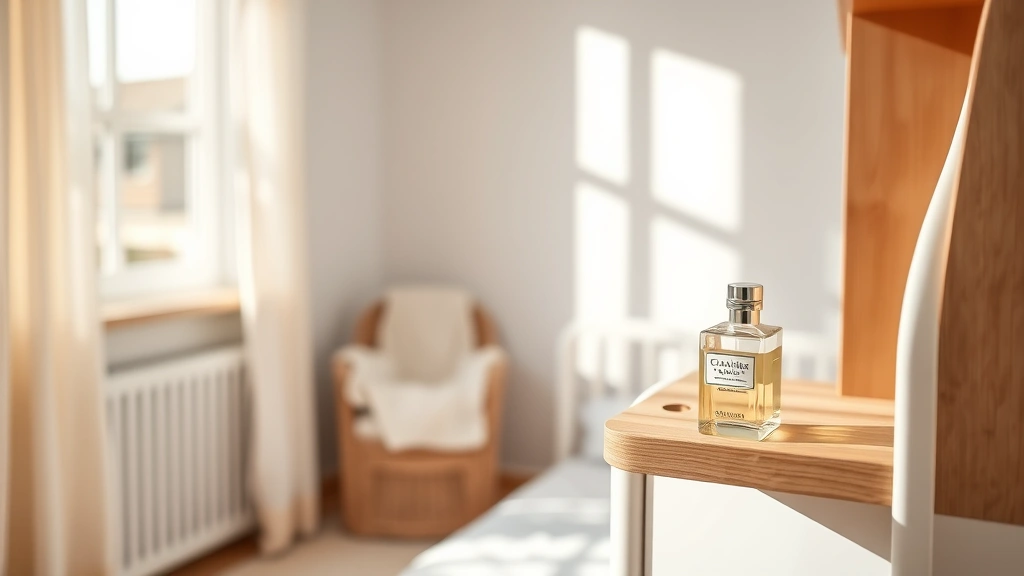
The safest way to use Love’s Baby Soft around your baby is as an environmental fragrance rather than as a personal care product. Many parents lightly spray it on baby blankets or use it in the nursery to create a pleasant-smelling space. This approach keeps the fragrance away from direct skin contact while still providing the scent you’re looking for.
Another common practice is spraying Love’s Baby Soft lightly on baby clothing—specifically on the outer layers that won’t come into direct contact with skin. Some parents apply it to the back of a stuffed animal or a crib sheet, creating a subtle scent that doesn’t overwhelm the space.
If you do decide to use Love’s Baby Soft in any capacity, moderation is key. A light mist goes a long way, and less is always more when it comes to fragrances around babies. The goal should be a subtle background scent, not something that’s noticeable from across the room.
For special occasions, some parents use Love’s Baby Soft as a finishing touch before a baby shower or family photos. In these limited-use scenarios, the risk of irritation is minimal, especially if the product is applied to clothing rather than directly to skin.
Gentle Alternatives Worth Considering
If you love the idea of gentle fragrance but want options specifically formulated for babies, several alternatives exist. Best baby shower gifts often include fragrance options like unscented or lightly scented products from brands that specialize in sensitive skin care.
Natural alternatives include essential oil diffusers with mild scents like chamomile or lavender, though it’s important to note that even natural oils should be used cautiously around babies. Many aromatherapy experts recommend keeping essential oil diffusers out of the nursery entirely for children under one year old.
Some parents opt for fragrance-free products altogether, believing that the natural scent of their baby is fragrance enough. This approach eliminates any risk of irritation while still maintaining optimal cleanliness and hygiene through gentle, unscented cleansing products.
Another option is baby clothing that’s manufactured with natural fibers and no chemical treatments. These garments often have a clean, neutral scent that doesn’t require additional fragrance.
For parents who specifically want that nostalgic Love’s Baby Soft experience but worry about safety, using it sparingly in the nursery environment—perhaps on a small cloth placed out of baby’s reach—allows you to enjoy the fragrance without direct contact with your child.
Frequently Asked Questions
Is Love’s Baby Soft safe for newborns?
Love’s Baby Soft is not specifically formulated for newborn skin and isn’t recommended for direct application. Newborns have extremely sensitive skin, and the fragrance compounds could cause irritation. If you want to use it, keep it away from direct contact with your newborn’s skin, and consult your pediatrician first.
Can I use Love’s Baby Soft on baby’s clothing?
You can lightly spray Love’s Baby Soft on outer layers of baby clothing, but avoid applying it to items that will come into direct contact with your baby’s skin. Wash clothing before your baby wears it if you’ve applied fragrance to it, and always use a very light hand.
Does Love’s Baby Soft contain natural ingredients?
No, Love’s Baby Soft is primarily composed of synthetic fragrance compounds and alcohol. It doesn’t contain natural essential oils or plant-based ingredients. If you prefer natural fragrances, you’ll want to explore other options.
What makes Love’s Baby Soft different from other fragrances?
Love’s Baby Soft is an eau de cologne with a lower fragrance concentration than most perfumes, making it lighter and less potent. Its distinctive powdery, sweet scent profile and affordable price point have made it iconic, but it’s not uniquely formulated for baby safety.
Can Love’s Baby Soft trigger allergies in babies?
Yes, the fragrance compounds in Love’s Baby Soft can trigger allergic reactions in sensitive babies. If your baby has eczema, known allergies, or sensitive skin, it’s best to avoid this product entirely or only use it in the nursery environment, far away from where your baby sleeps or plays.
What’s the best way to store Love’s Baby Soft?
Store Love’s Baby Soft in a cool, dry place away from direct sunlight. Keep the cap tightly sealed to prevent evaporation and maintain fragrance quality. Store it out of reach of children and pets.
Are there fragrance-free alternatives for babies?
Absolutely. Many baby care brands now offer fragrance-free or lightly scented options specifically formulated for sensitive skin. Look for products with dermatologist recommendations and hypoallergenic certifications if fragrance concerns are important to you.
Can I use Love’s Baby Soft in the nursery?
Yes, using Love’s Baby Soft as an environmental fragrance—such as a light spray on a cloth kept out of your baby’s reach—is generally considered safer than direct application. Ensure the nursery is well-ventilated and the scent isn’t overwhelming.