Why Are Bed Bugs Attracted to Humans? A Parent’s Guide to Understanding and Managing Infestations
If you’ve ever dealt with a bed bug infestation, you know how maddening it can be. These tiny vampires seem to have an uncanny ability to find you no matter where you sleep, and they’re particularly troubling when you’re trying to protect your children. The phrase “my baby daddy is a bed bug” might be humorous, but the reality of dealing with bed bugs in your home is anything but funny—especially when little ones are involved.
Understanding why bed bugs are so attracted to humans is the first step toward effective prevention and treatment. These pests aren’t a sign of poor hygiene or uncleanliness; they’re equal-opportunity invaders that can affect any family, regardless of social status or cleanliness habits. Whether you’re dealing with a full-blown infestation or just trying to prevent one, this guide will walk you through everything you need to know about bed bug attraction and how to protect your family.
Bed bugs have been around for thousands of years, and they’ve perfected the art of finding and feeding on humans. Their success as a species relies entirely on their ability to locate us and our families—and unfortunately, they’re exceptionally good at it.
What Attracts Bed Bugs to Humans
Bed bugs are attracted to humans for one primary reason: we’re their food source. Unlike many other household pests, bed bugs feed exclusively on blood, making humans (and to a lesser extent, other warm-blooded animals) their only viable meal. But what specifically draws them to us?
Carbon Dioxide and Body Heat
The primary attractant for bed bugs is carbon dioxide. Every time you breathe, you exhale CO2, and bed bugs can detect this gas from a surprising distance. They use specialized sensory organs to track the carbon dioxide plume emanating from your body, which essentially acts as a dinner bell. Combined with the warmth your body naturally radiates, bed bugs can zero in on your location with remarkable precision—even in complete darkness.
This is why bed bugs are so effective at finding people while they sleep. You’re stationary, you’re breathing steadily, and you’re releasing a consistent stream of carbon dioxide. From a bed bug’s perspective, you’re an all-you-can-eat buffet that stays in one place for hours.
Body Odors and Chemical Signals
Beyond CO2 and heat, bed bugs are attracted to specific chemical compounds in human sweat and skin secretions. Research has identified over 100 different volatile organic compounds that humans emit, and bed bugs can detect many of these. Some individuals naturally emit more of these attractant chemicals than others, which might explain why some people seem to get bitten more frequently than their partners or family members.
This individual variation in attractiveness to bed bugs is partly genetic and partly influenced by diet, hygiene products, and even stress levels. It’s not that you’re dirty if bed bugs target you—it’s simply that your particular chemical signature is especially appealing to them.
Pheromones and Communication
Once a bed bug finds a human host, it releases pheromones that communicate the location to other bed bugs. This is why infestations escalate so quickly. One bed bug’s successful feeding becomes an advertisement to dozens of others, creating a compounding problem that can spiral out of control within weeks if left untreated.

How Bed Bugs Find and Track You
Understanding the mechanics of how bed bugs locate and pursue humans can help you better protect your family. These insects have evolved sophisticated sensory systems specifically designed for finding hosts.
The Hunt Begins
Bed bugs typically hide in cracks, crevices, and fabric during the day, emerging primarily at night when you’re most vulnerable. They can sense your presence through multiple channels simultaneously. A bed bug might detect your CO2 emissions from several feet away, follow that chemical gradient closer, then use thermal imaging (through specialized heat-sensing organs) to pinpoint your exact location on the mattress.
Once a bed bug lands on you, it uses its specialized mouthpart called a proboscis to pierce the skin and locate a blood vessel. This entire process happens remarkably quickly—often in just a few minutes—which is why many people don’t wake up during an actual feeding.
Why They Return Again and Again
If you’re wondering why bed bugs seem to target the same person repeatedly, there’s a scientific explanation. Once a bed bug has successfully fed on you, it essentially “remembers” your location and chemical signature. It will return to the same spot night after night, making you their preferred feeding location. This is particularly concerning for parents, as children are often targeted repeatedly once bed bugs identify them as reliable hosts.
The good news is that understanding this behavior helps with treatment. By targeting hiding spots and using appropriate interventions, you can break this cycle and protect your family.
Environmental Factors That Aid Detection
Bed bugs are more active in warmer environments, which is why infestations often worsen during summer months or in well-heated homes during winter. They’re also more likely to emerge and hunt when they haven’t fed recently. A hungry bed bug is a motivated bed bug, actively searching for hosts rather than hiding passively.
Why Your Home Might Be a Target
Bed bugs don’t discriminate based on home cleanliness or family income level. However, certain conditions can make your home more attractive and hospitable to these pests.
Entry Points and Vulnerabilities
Bed bugs are expert hitchhikers. They can enter your home through luggage from travel, used furniture, clothing, or even on visitors’ belongings. Once inside, they establish themselves in bedroom furniture, particularly mattresses and box springs. If you’re dealing with infestations, understanding common entry points is crucial for prevention.
Parents who travel frequently or purchase used furniture should be especially vigilant. Inspect hotel rooms before settling in, and always check secondhand furniture thoroughly before bringing it into your home. When you learn about baby bed bugs, you’ll realize how quickly they can multiply, making early detection critical.
Harborage Sites and Hiding Spots
Bed bugs thrive in cluttered environments where they have abundant hiding places. While they can survive in clean homes too, clutter provides more opportunities for them to establish populations. Minimizing clutter, particularly in bedrooms, reduces the number of places bed bugs can hide and makes treatment more effective.
This doesn’t mean your home needs to be spartan, but being mindful of storage and keeping bedroom clutter to a minimum is a practical prevention strategy for families.
Humidity and Temperature Conditions
Bed bugs prefer warm, humid environments. Homes with consistent temperatures between 68-75°F are ideal for bed bug survival and reproduction. If your home maintains these conditions year-round (which most climate-controlled homes do), you’re inadvertently creating an optimal environment for bed bugs if they manage to gain entry.
While you can’t (and shouldn’t) keep your home uncomfortably cold to prevent bed bugs, being aware of this preference helps contextualize why infestations can become established so quickly in residential settings.
Protecting Your Family From Bed Bug Infestations
Prevention and early detection are your best defenses against bed bug infestations. Here are practical strategies to protect your family:
Travel Precautions
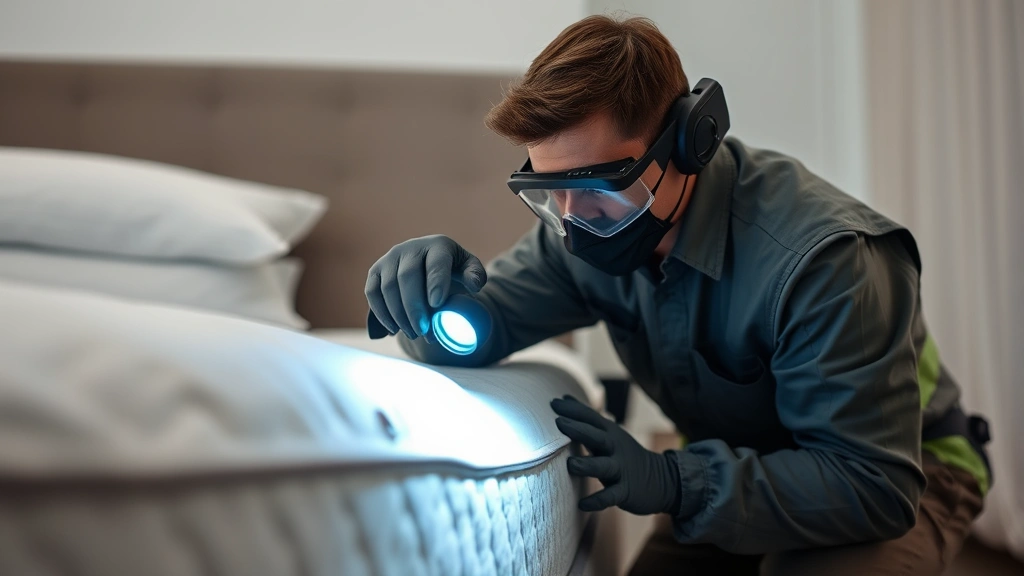
When traveling with children, inspect hotel rooms thoroughly before unpacking. Check mattress seams, headboards, and upholstered furniture for signs of bed bugs. Upon returning home, unpack directly into the washing machine and inspect luggage carefully before storing it. This simple routine can prevent bringing bed bugs into your home.
Furniture Inspection and Acquisition
If purchasing used furniture, inspect it meticulously or have it professionally inspected before bringing it into your home. Pay special attention to mattresses, box springs, and upholstered items where bed bugs commonly hide. When considering secondhand options, the cost savings aren’t worth the potential infestation risk to your family’s sleeping spaces.
Regular Monitoring
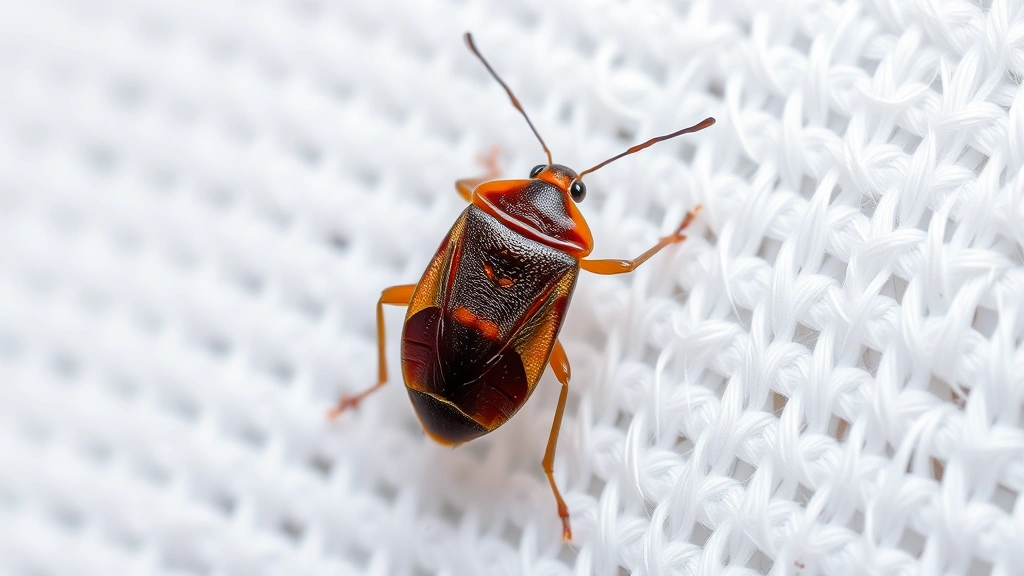
Inspect your family’s sleeping areas regularly. Look for small reddish-brown insects, dark fecal spots on bedding, or unexplained bite marks on your children’s skin. Early detection makes treatment significantly easier and less invasive. Many parents find that a monthly inspection routine provides peace of mind and catches problems early.
If you notice signs of baby roach activity or other pest problems simultaneously with potential bed bug concerns, this might indicate a broader infestation issue requiring professional assessment. Similarly, understanding the difference between various household pests—like distinguishing between bed bugs and baby cockroach infestations—helps you communicate effectively with pest control professionals.
Mattress and Bedding Protection
Use protective mattress encasements that trap bed bugs inside and prevent new ones from entering. These specialized covers are designed to be bed-bug-proof and should remain on mattresses for at least a year to ensure any trapped bugs die from starvation. This is a relatively inexpensive preventive measure that provides substantial protection.
Professional Pest Control
If you suspect an infestation, contact a licensed pest control professional immediately. DIY treatments are often ineffective and can sometimes spread bed bugs further throughout your home. Professional exterminators have access to effective treatments and the expertise to eliminate infestations completely. For families with young children, professional treatment is particularly important to ensure safe, effective pest management.
When considering broader parenting advice, managing household pest problems falls under the umbrella of maintaining a healthy, safe home environment for your children.
When Bed Bugs Become a Serious Problem
While bed bugs themselves don’t transmit diseases, infestations can create significant problems for families, particularly those with young children or immunocompromised individuals.
Physical and Psychological Impact
Repeated bed bug bites can cause allergic reactions, secondary skin infections from scratching, and significant sleep disruption. For children, the anxiety associated with bed bugs can affect sleep quality and emotional wellbeing. Some children develop anxiety about sleeping, fearing additional bites—a psychological impact that extends beyond the physical irritation.
When to Seek Professional Help
If you notice signs of infestation—particularly if family members are experiencing multiple bites or you’ve found evidence of bed bugs—contact a pest control professional immediately. The longer an infestation persists, the more difficult and expensive treatment becomes. Professional exterminators typically offer follow-up treatments to ensure complete elimination, which is crucial for peace of mind.
According to the CDC’s guidance on bed bugs, professional pest management is often the most effective approach for residential infestations. The American Academy of Pediatrics also recommends professional intervention for families with young children to ensure safe treatment protocols.
Treatment Considerations for Families
Modern pest control treatments are significantly safer than older pesticide approaches, but families with young children should discuss treatment options carefully with professionals. Heat treatment, which involves raising home temperatures to lethal levels for bed bugs, is often an excellent option for families concerned about chemical exposure. Other treatments use targeted applications that minimize exposure to living areas.
Understanding that bed bug problems aren’t a reflection on your parenting or housekeeping is important. These pests affect families across all socioeconomic backgrounds and living situations. Getting professional help quickly demonstrates your commitment to your family’s health and comfort.
Prevention After Treatment
After professional treatment, maintain vigilance with the preventive measures mentioned earlier. Inspecting furniture before bringing it into your home, checking luggage after travel, and monitoring sleeping areas regularly will help prevent future infestations. Learning to distinguish between baby termites and other household pests also helps you identify emerging problems early.
Frequently Asked Questions
Why do bed bugs seem to bite some family members more than others?
Individual variation in body chemistry, skin temperature, and CO2 output means bed bugs may prefer certain family members over others. Additionally, some people have stronger immune responses to bed bug saliva, making bites more noticeable. It’s not personal—it’s biology. Some people are simply more attractive to bed bugs based on their unique chemical signature.
Can bed bugs survive on pets instead of humans?
While bed bugs prefer human hosts, they can occasionally feed on pets. However, they’re specifically adapted to feed on humans and will seek human hosts when available. If you have pets, they shouldn’t be your primary concern regarding bed bug prevention, but pet bedding should be included in inspection and cleaning protocols during treatment.
Do bed bugs only live in mattresses?
No. While mattresses are common hiding spots, bed bugs can inhabit furniture, baseboards, picture frames, electrical outlets, and virtually any crevice near sleeping areas. This is why professional pest control treatment addresses the entire room rather than just the bed.
How quickly can a bed bug infestation develop?
A single fertilized female bed bug can establish a population of hundreds within weeks. Bed bugs reproduce rapidly under ideal conditions, which is why early detection and prompt professional treatment are so critical. What starts as occasional bites can become a serious infestation remarkably quickly.
Are there natural or homemade treatments that eliminate bed bugs?
Most homemade treatments are ineffective at eliminating bed bug infestations completely. While some natural substances may kill individual bugs on contact, they don’t address the hidden populations in walls, furniture, and other harborage sites. Professional treatments using proven methods are far more reliable and cost-effective in the long run.
Can bed bugs be brought home from schools or daycare?
Yes, bed bugs can occasionally be transported via clothing or backpacks from schools or daycare facilities, though this is relatively uncommon. If you’re concerned, inspect your child’s belongings and wash clothing promptly after school or daycare attendance. Most schools maintain rigorous cleaning protocols to prevent pest problems.
What should I tell my children about bed bugs?
Age-appropriate honesty helps children understand that bed bugs are a pest management issue, not something they caused or that reflects on personal cleanliness. Explain that bed bugs are attracted to all humans and that getting professional help is the normal response. This prevents shame or anxiety about the situation.
Will bed bugs go away on their own?
No. Bed bug infestations will not resolve without intervention. Without treatment, populations continue growing and spreading. The longer an infestation persists, the more extensive the treatment required and the higher the cost. Professional intervention is necessary for complete elimination.