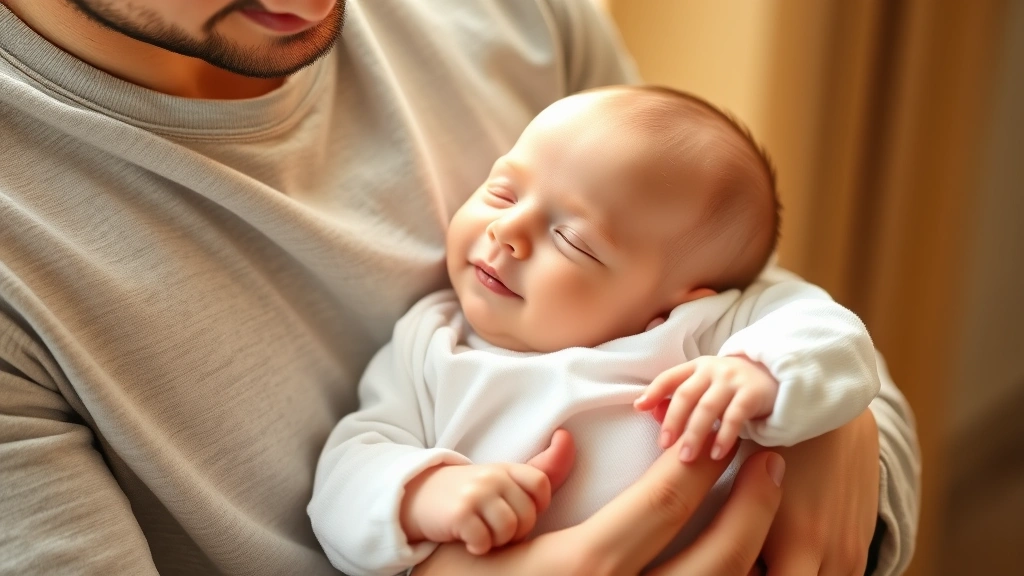
Choosing the Best Onesie for Your Baby: Expert Tips
Finding the perfect onesie for your baby is one of those seemingly simple decisions that actually requires thoughtful consideration. A quality onesie serves as a foundational piece in your baby’s wardrobe—it’s comfortable enough for all-day wear, practical for diaper changes, and can be dressed up or down depending on the occasion. Whether you’re a first-time parent navigating the overwhelming world of baby clothing or an experienced caregiver looking to refresh your collection, understanding what makes a great onesie can save you time, money, and frustration.
The right onesie should prioritize your baby’s comfort and safety while offering convenience for parents. With countless brands, styles, and materials available, knowing what to look for helps you make informed choices that benefit both your little one and your family’s lifestyle. This comprehensive guide walks you through everything you need to know about selecting onesies that will keep your baby happy and make your parenting journey smoother.
Table of Contents
- Understanding Fabric Choices
- Sizing and Fit Essentials
- Closure Types Explained
- Safety Features to Look For
- Seasonal Selection Guide
- Top Quality Brands
- Care and Maintenance Tips
- Frequently Asked Questions
Understanding Fabric Choices
The fabric you choose for your baby’s onesie directly impacts comfort, durability, and ease of care. Babies have sensitive skin that requires gentle, breathable materials that won’t cause irritation or overheating. According to the American Academy of Pediatrics, selecting appropriate clothing materials is essential for maintaining infant skin health and preventing temperature-related issues.
Cotton remains the gold standard for baby clothing. Organic cotton is particularly beneficial because it’s grown without synthetic pesticides or fertilizers, making it ideal for delicate newborn skin. Cotton is naturally breathable, allowing air circulation that prevents overheating—a critical factor in reducing sleep-related risks. When shopping for newborn baby girl clothes or general options, prioritize 100% cotton or cotton-blend onesies.
Bamboo fabric has gained popularity as an eco-friendly alternative. Bamboo is exceptionally soft, hypoallergenic, and naturally moisture-wicking, making it excellent for babies prone to sweating or sensitive skin conditions. The fabric drapes beautifully and maintains its shape through multiple washings.
Blended fabrics combining cotton with polyester or elastane offer practical advantages. These blends provide stretch for easier dressing and improved durability, though they may not breathe quite as well as pure cotton. Look for blends that contain at least 80% natural fibers.
Avoid synthetic materials like 100% polyester for everyday wear, as they trap heat and moisture against your baby’s skin. These materials are also more likely to cause diaper rash and other skin irritations. Save synthetic blends for special occasions or layering pieces.
The weight of the fabric matters too. Lightweight fabrics work best for warm months, while slightly heavier cotton knits provide comfort during cooler seasons. Quality onesies should feel soft immediately—don’t expect them to soften significantly after washing.
Sizing and Fit Essentials
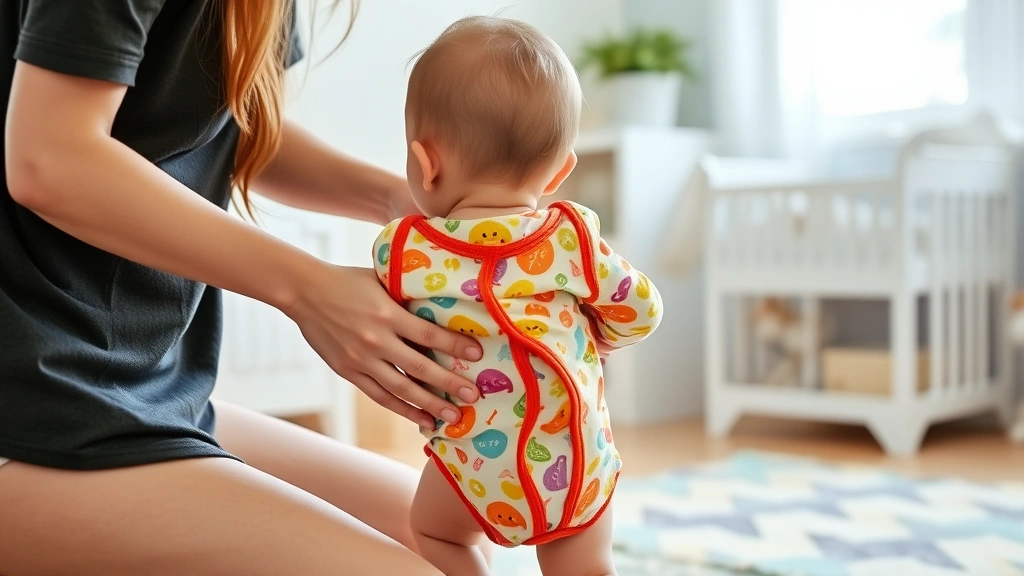
Proper sizing ensures your baby stays comfortable and allows room for growth without excess fabric that could pose safety hazards. Unlike adult clothing, baby sizing follows age and weight ranges rather than numerical sizes. Understanding these guidelines prevents common fit problems that can interfere with sleep and movement.
Newborn sizes (typically 0-3 months) are designed for babies weighing 5-12 pounds. These snug-fitting onesies prevent fabric from bunching around the neck or under arms. However, newborn sizing has a short lifespan—many babies outgrow it within 2-3 months. Consider this before investing heavily in newborn-specific pieces.
Infant sizes (3-6 months) accommodate rapid growth during this developmental period. Babies typically gain 1-2 pounds monthly, so properly fitted onesies at this stage should have about a finger’s width of space at the shoulders and minimal excess fabric at the legs. The neckline should be snug enough that you can’t fit more than one finger underneath.
Six to twelve month sizing represents another significant growth phase. By this age, babies are more active—rolling, crawling, and eventually pulling themselves up—so onesies need to accommodate increased movement without riding up. Leg openings should be snug but not restrictive, allowing for proper diaper fit and circulation.
When measuring your baby, take note of length from shoulder to crotch rather than overall height. Many parents make the mistake of sizing up too much to “get more wear” from an onesie. Oversized onesies create safety concerns: excess fabric around the neck poses strangulation risk, loose armholes can trap limbs, and long legs bunch under feet during sleep.
Check the manufacturer’s specific sizing charts, as brands vary considerably. A size 6 months from one brand might fit differently than another. Reading customer reviews often reveals whether items run large, small, or true to size. For your baby’s baby boy clothes selection, the same sizing principles apply across all genders.
Consider your baby’s growth rate when deciding between sizes. Slower-growing babies may comfortably wear sizes longer, while rapidly growing infants might skip sizes entirely. Adjusting your expectations based on your individual child prevents wasted purchases and ensures consistent comfort.
Closure Types Explained
The closure mechanism significantly impacts how quickly and easily you can change your baby’s diaper—something you’ll do 8-12 times daily with a newborn. Different closure types offer varying levels of convenience, durability, and safety considerations.
Snap closures are the most common onesie fastening method. Typically running down the front and between the legs, snaps allow for quick one-handed opening during diaper changes. Quality matters greatly here; look for sturdy plastic snaps that won’t break after repeated use. Metal snaps are durable but can be cold against baby’s skin and may cause irritation. Test snaps before purchasing when possible—they should click firmly without requiring excessive force.
Zipper closures offer speed and convenience, particularly appealing to parents managing multiple children or nighttime changes. Full-length zippers allow complete front opening without removing the onesie. However, ensure the zipper has a protective guard at the bottom to prevent pinching baby’s skin, and verify that zippers work smoothly. A stuck or broken zipper makes a onesie useless, so this is worth checking carefully.
Button closures are less common but provide a classic aesthetic. They’re generally slower to fasten and unfasten compared to snaps or zippers, making them less practical for frequent diaper changes. Small buttons also pose choking hazards if they detach, so inspect them regularly.
Envelope necklines feature overlapping fabric at the shoulder that allows you to pull the onesie down and off without unsnapping anything. This design is convenient for quick changes and reduces wear on closure mechanisms. However, the overlapping fabric can bunch under clothing and may feel uncomfortable for some babies.
Consider how many closures you need. Some onesies feature snaps only at the crotch for diaper changes, while others have full front snaps for easier dressing. Full-front options are worth the extra cost if you find yourself frequently changing your baby’s outfit due to spit-up or accidents.
Safety Features to Look For
Beyond basic comfort, certain safety features are non-negotiable when selecting onesies for your baby. The Consumer Product Safety Commission sets standards for baby clothing, but understanding these requirements helps you make informed choices.
Neckline security is paramount. The neckline should be snug enough that a baby cannot pull the onesie over their head or get it tangled around their neck. Test the fit by attempting to slip your fingers under the neckline; if you can fit more than one finger comfortably, the onesie is too loose. Oversized necklines create strangulation hazards, especially as babies become more mobile.
Armhole and leg opening tightness prevents babies from slipping through or getting limbs caught. Loose openings can cause circulation problems or allow babies to become twisted in fabric. The openings should allow for comfortable movement while maintaining a secure fit.
No decorative attachments should be present on onesies for babies under 12 months. Buttons, beads, sequins, or appliqués can detach and pose choking hazards. Save fancy decorated onesies for older babies who are past the mouthing stage, or choose pieces with securely embroidered designs instead.
Flame-resistant properties are required for sleepwear in most countries. If you’re using a onesie as sleepwear, verify it meets flame-resistance standards. Snug-fitting cotton onesies are naturally safer for sleep than loose pajamas, as they’re less likely to bunch around the face.
Seam quality affects both safety and longevity. Examine seams closely—they should be straight, even, and tightly stitched. Loose seams can unravel, potentially creating holes or loose threads that could wrap around tiny fingers or toes. Quality brands typically use reinforced seams at stress points like crotch and shoulder areas.
Care label clarity ensures you can properly maintain the onesie without damaging it or exposing your baby to harmful chemicals. Clear, legible care instructions indicate manufacturer attention to detail. Avoid onesies with vague or missing care information, as this often correlates with lower overall quality.
Seasonal Selection Guide
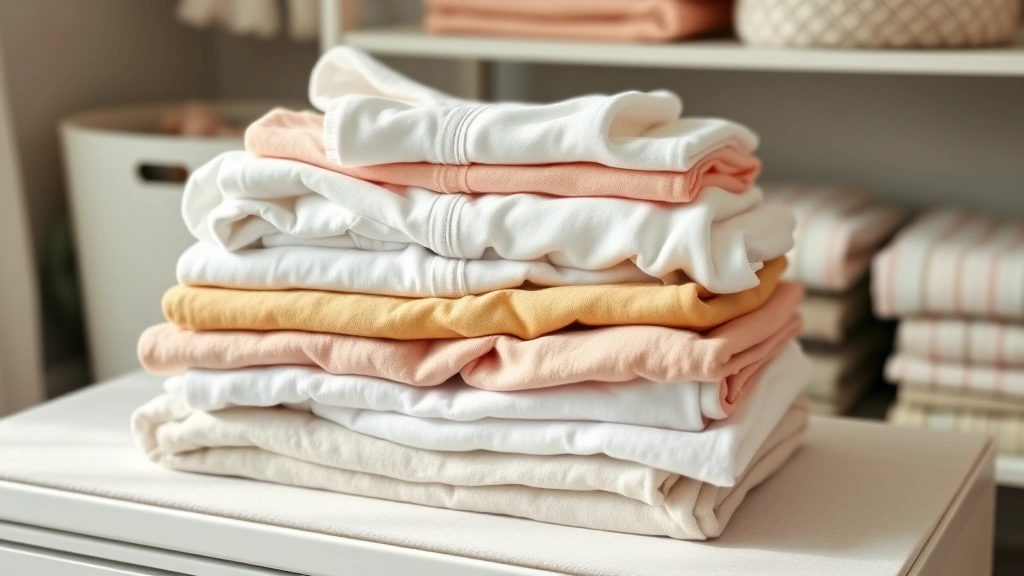
Babies can’t regulate their body temperature as efficiently as adults, making seasonal clothing choices crucial for comfort and safety. Rather than dressing babies in heavy layers, select onesies appropriate for each season and adjust with external layers as needed.
Summer onesies should prioritize breathability and moisture-wicking. Short-sleeved or sleeveless designs prevent overheating, while lightweight cotton fabrics allow air circulation. Look for onesies with minimal seams to reduce areas where heat and moisture accumulate. Lighter colors reflect sunlight better than dark colors, helping maintain a comfortable body temperature.
Winter onesies benefit from slightly heavier cotton knits that provide insulation without bulk. Long-sleeved options add warmth that can be layered with cardigans or sweaters as needed. However, avoid onesies so heavy that they cause overheating indoors. Layering is more effective and safer than single oversized pieces.
Transitional seasons (spring and fall) call for versatile onesies that work with or without additional layers. Long-sleeved lightweight cotton onesies offer flexibility, allowing you to remove outer layers as temperatures fluctuate throughout the day.
Remember that indoor and outdoor temperatures differ significantly. A onesie appropriate for outdoor winter air might be too warm indoors. When visiting climate-controlled environments, be prepared to remove layers to prevent overheating, which increases the risk of heat rash and sleep disruption.
Consider your climate when building your onesie collection. Tropical regions require more short-sleeved and sleeveless options, while colder climates benefit from a larger selection of long-sleeved pieces. This targeted approach means you’ll actually use everything you purchase rather than accumulating unworn items.
Top Quality Brands
Investing in quality onesies from reputable brands ensures better fabric, construction, and safety standards. While price doesn’t always guarantee quality, established brands typically have rigorous quality control and transparent sourcing practices.
Carter’s and OshKosh B’gosh are long-established American brands known for reliable construction and thoughtful design. Their onesies feature quality snaps, durable fabrics, and practical features like envelope necklines. These brands offer excellent value, especially when purchased during sales.
Gerber provides budget-friendly options without sacrificing basic quality. Their basic onesies are simple, well-made, and widely available. Gerber is particularly good for stocking up on essential plain onesies in multiple colors.
Hanna Andersson specializes in organic cotton and sustainable practices. Their onesies are pricier but exceptionally soft and long-lasting. Many parents find these onesies worth the investment because they hold up through multiple children and maintain their quality through countless washings.
Burt’s Bees Baby focuses on organic, natural materials and dyes. Their commitment to chemical-free production appeals to parents concerned about skin sensitivity and environmental impact. The onesies are soft, durable, and feel premium.
Bamboo Baby specializes in sustainable bamboo fabrics with minimalist, modern designs. If your baby has sensitive skin or you prefer eco-friendly options, these onesies deliver on both fronts. The bamboo fabric is exceptionally soft and breathable.
When exploring brands, check for third-party certifications like GOTS (Global Organic Textile Standard) or OEKO-TEX, which verify safety and environmental standards. Reading parent reviews on dedicated parenting sites reveals real-world experiences with durability and fit consistency.
Consider exploring our comprehensive parenting advice guide for additional insights on baby clothing and care practices. For specific guidance on building a complete wardrobe, check out our resources on newborn baby girl clothes and baby boy clothes for gender-specific recommendations.
Care and Maintenance Tips
Proper care extends onesie lifespan and maintains the softness and integrity that makes them comfortable for your baby. Following care instructions carefully prevents premature wear and fading.
Washing frequency depends on how often onesies are worn and whether they’ve been exposed to spit-up or other soiling. Lightly worn onesies can be washed every 2-3 wears, while heavily soiled ones should be washed immediately. Frequent washing isn’t necessary and actually accelerates wear; air-drying between wears helps reduce odor without washing.
Detergent selection significantly impacts both cleanliness and baby comfort. Use gentle, fragrance-free detergents specifically formulated for babies or sensitive skin. Avoid fabric softeners and dryer sheets, which can irritate sensitive skin and reduce fabric breathability. If your baby has known sensitivities, choose hypoallergenic detergents certified by dermatologists.
Water temperature should be warm rather than hot. Hot water can damage elastic, fade colors, and shrink some fabrics. Warm water effectively removes dirt and bacteria while being gentler on the onesies. Check care labels for specific temperature recommendations.
Drying methods matter for longevity. Air-drying is gentlest on fabrics and snaps, preventing the wear that dryer heat causes. If using a dryer, select a low heat setting and remove items promptly to minimize wrinkles and heat damage. Hanging onesies to dry preserves their shape better than laying flat.
Stain removal should happen promptly. Treat stains with cold water before washing—hot water sets protein-based stains from spit-up and formula. For stubborn stains, apply a small amount of gentle detergent directly to the stain and let it sit briefly before washing. Oxygen-based stain removers are safer for baby clothing than chlorine bleach.
Storage organization keeps onesies fresh and accessible. Store clean onesies in a cool, dry location away from direct sunlight, which can fade colors. Using dividers or separate drawers for different sizes helps you quickly find appropriately sized pieces as your baby grows. This organization prevents purchasing duplicates and ensures you rotate through your entire collection.
For additional parenting guidance on baby care and development, our guide to choosing a pediatrician provides insights on finding healthcare providers who can answer clothing and care questions specific to your baby’s needs.
Frequently Asked Questions
How many onesies does my baby need?
Most experts recommend having 7-10 onesies in each size. This quantity allows for regular washing while ensuring you always have clean options available. Newborns may need more due to frequent outfit changes from spit-up and diaper accidents, while older babies can manage with fewer. Consider your laundry frequency when determining your ideal number.
Can I use onesies as sleepwear?
Yes, snug-fitting cotton onesies are safe and appropriate for sleep. They’re actually preferred over loose pajamas because they’re less likely to bunch around your baby’s face. If using onesies as sleepwear, verify they meet flame-resistance standards. Avoid onesies with loose decorations or appliqués during sleep.
What’s the difference between onesies and bodysuits?
Onesies and bodysuits are essentially the same garment—a one-piece outfit with leg openings and crotch snaps. The terms are used interchangeably. Some brands distinguish between shorter-legged versions (onesies) and longer versions (bodysuits), but functionally they serve the same purpose.
How do I prevent onesies from shrinking?
Wash in warm rather than hot water and air-dry whenever possible. Check care labels for specific shrinkage information, as different fabrics behave differently. Quality brands typically use preshrunk fabrics, but following proper care instructions prevents any remaining shrinkage. Always hang or lay flat to dry rather than using high heat in the dryer.
Are expensive onesies worth the investment?
Premium onesies offer advantages like superior fabric quality, better durability, and more thoughtful design features. If you plan to pass clothing to younger siblings or reuse items, investing in quality brands makes financial sense. For single-child families or those on tight budgets, mid-range quality brands provide excellent value without the premium price.
What should I look for when buying secondhand onesies?
Inspect for signs of wear like pilling, faded snaps, or stretched necklines. Check that all snaps function properly and that seams are intact. Ensure the onesie has been thoroughly washed. Secondhand onesies are excellent for the early newborn and 0-3 month sizes that babies outgrow quickly, helping reduce costs during this rapid growth phase.
Can I use the same onesies for boys and girls?
Absolutely. Most basic onesies are unisex in design and function. Gender-specific options like those featuring particular colors or patterns are purely aesthetic choices. From a practical standpoint, baby boy clothes and baby girl clothes in onesie form work identically. Choose what appeals to your family and makes you happy.
How do I transition between sizes?
Babies typically wear sizes for 2-4 months before outgrowing them. When your baby approaches the upper weight range for a size, start mixing in the next size up to extend the life of your collection. Overlap sizing for a few weeks allows you to use up remaining onesies in the smaller size while adjusting to the larger fit.


