Are Baby Onesies Worth It? A Parent’s Honest Guide
Let’s be real: when you’re staring down the nursery aisle for the first time, baby onesies seem like an absolute no-brainer. They’re cute, they’re practical, and they’re everywhere. But before you fill your cart with every adorable design featuring animals doing improbable things, let’s have an actual conversation about whether onesies deserve the hype—or if you’re about to invest in something that’ll spend more time in the donation pile than on your baby.
The truth is, onesies are simultaneously one of the smartest and most overrated purchases in the baby gear world. They’re not inherently good or bad; they’re just tools, and like any tool, their value depends entirely on your specific situation. Some parents swear by them as a wardrobe staple, while others find them frustratingly limiting. We’re going to break down the real pros and cons so you can make an informed decision rather than just following what everyone else is doing.
Here’s what we’ll explore: the genuine benefits that make onesies practical, the legitimate drawbacks that often get glossed over, how to choose quality ones that actually last, and honest guidance on how many you actually need (spoiler: it’s probably fewer than you think).
What Exactly Are Baby Onesies?
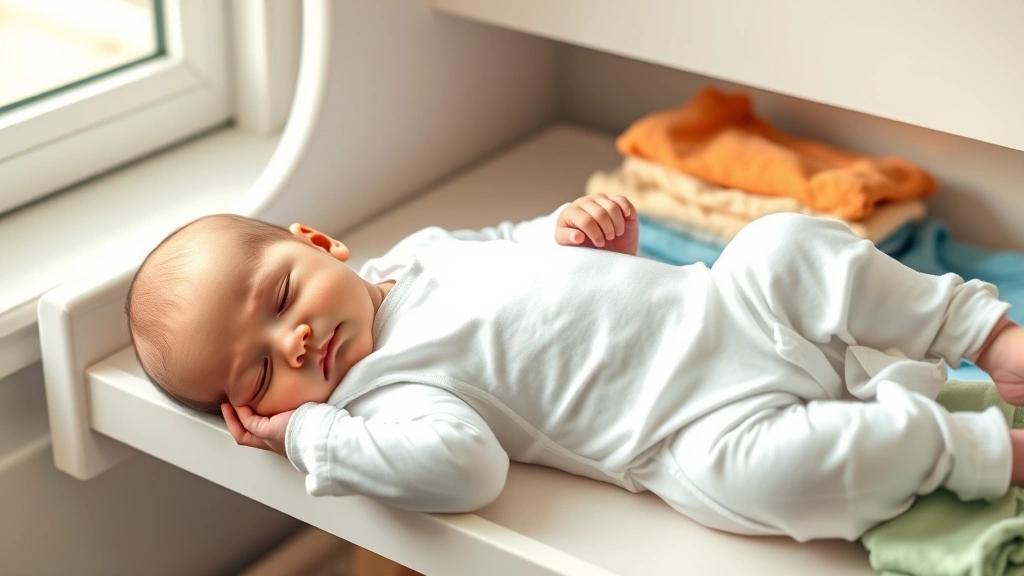
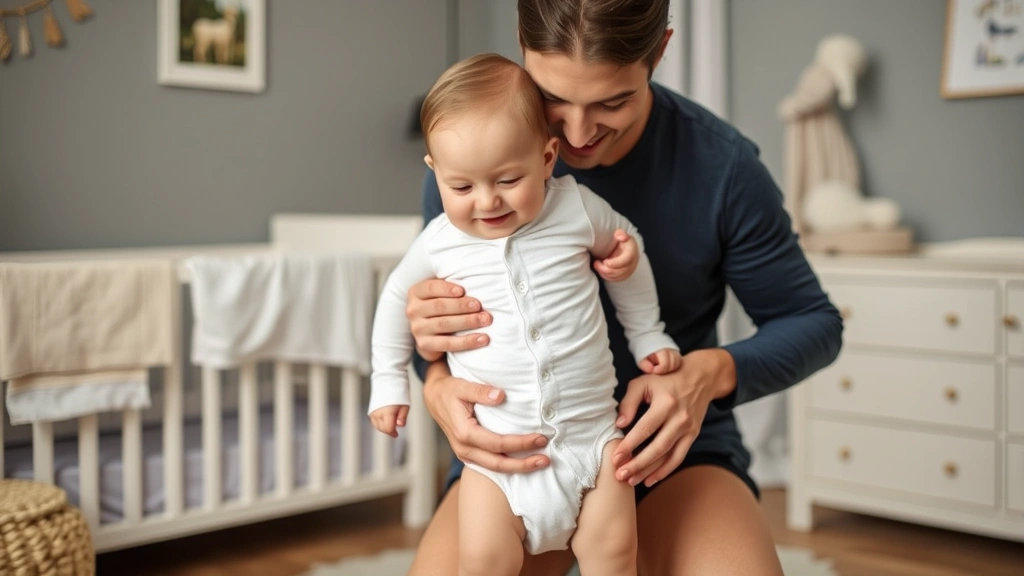
Before we dive into whether they’re worth your money, let’s clarify what we’re actually talking about. A onesie is a one-piece garment that covers your baby’s torso and has either snaps or buttons running down the front and between the legs. The snap/button design allows for quick diaper changes without undressing your entire baby, which is genuinely the whole appeal.
The term “onesie” technically refers to a specific brand (Gerber), but it’s become genericized like “kleenex” or “band-aid.” You’ll find them in every price range from discount stores to luxury baby boutiques, in materials ranging from basic cotton to organic blends, and in designs from simple solids to elaborate character prints.
What makes onesies different from regular baby shirts is that integrated bottom piece. It’s designed to stay tucked in (theoretically) and prevent that awkward gap of exposed baby belly that happens with separate tops and bottoms. This seemingly small feature actually drives most of the conversation around their practicality.
The Real Benefits of Baby Onesies
Let’s start with what actually works about onesies, because there’s a reason they’ve become standard issue in most nurseries:
- Diaper Changes Are Legitimately Easier: The snap design means you’re not pulling layers off your baby repeatedly throughout the day. With a newborn going through 8-12 diaper changes daily, this convenience adds up. You unsnap, change the diaper, snap back. Done. No removing entire outfits.
- Temperature Regulation Without Complexity: You can layer onesies under other clothes or use them alone depending on room temperature. A short-sleeve onesie under a light jacket works for many seasons. This flexibility means fewer specialized pieces you need to buy.
- They Prevent Outfit Gaps: That exposed baby belly isn’t just unflattering—it’s impractical. Babies lose heat through their core, and keeping the torso covered matters. Onesies solve this problem inherently.
- Cost-Effective Basics: Quality onesies cost between $5-$15 each, making them one of the more affordable baby clothing items. You can build a functional wardrobe without breaking the bank.
- Washing and Durability: Because they’re simple designs with fewer seams and moving parts than complex outfits, good onesies hold up well through multiple washings. They’re less likely to fall apart than elaborate pieces.
- Gender-Neutral Flexibility: Whether you’re shopping baby boy clothes, baby girl clothes, or prefer gender neutral baby clothes, onesies work across all preferences and can easily be passed between siblings.
Honest Drawbacks and Limitations
But onesies aren’t perfect, and pretending they are would be doing you a disservice. Here are the real frustrations parents encounter:
- The Blowout Situation: If you’ve never experienced a diaper blowout, consider yourself lucky. When it happens—and it will—a onesie essentially traps the mess against your baby’s body. You’re often dealing with outfit changes and laundry. Some parents actually prefer separates for easier containment and cleanup.
- Sizing Inconsistency Is Maddening: One brand’s 3-month size might fit like a 6-month in another brand. Onesies that are too small in the torso create uncomfortable pulling at the crotch snaps. Too large and they bunch awkwardly. Unlike a shirt you can just size up on, onesies require better sizing precision.
- The Snap Frustration Factor: Snaps break. Babies kick. You’re fumbling with snaps at 3 AM in the dark. Some parents find this incredibly annoying, especially when snaps are cheap and don’t align properly. Quality matters here, and cheap onesies often have poorly-aligned snaps.
- Limited Wearing Window: Babies grow fast. A onesie your baby wears at 2 months might not fit at 4 months. Unlike a shirt that can transition to different bottoms, an ill-fitting onesie becomes unwearable. This limits how long you actually get to use each one.
- Layering Can Get Bulky: While layering is theoretically great, in practice, bulky onesies under other clothes can create uncomfortable bunching, especially around the neck and shoulders. Your baby might actually be less comfortable.
- Diaper Rash Considerations: Some babies develop irritation from the constant fabric against their skin, especially around the diaper area. Separates might allow better airflow for sensitive babies.
Why Quality Actually Matters
This is where the “worth it” question becomes crucial. Not all onesies are created equal, and buying the cheapest option often means buying twice.
Look for these quality indicators:
- Fabric Weight and Composition: Quality onesies use 100% cotton or cotton-blend fabrics that feel substantial, not thin and flimsy. Run your thumb across the fabric—it should feel smooth and sturdy. Cheap onesies often use thin cotton that pills after a few washes.
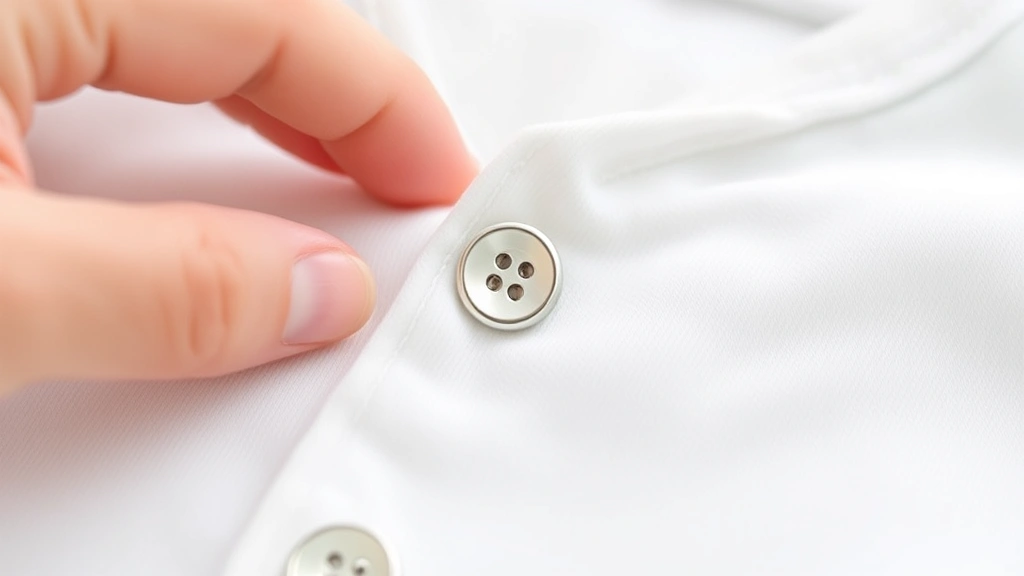
- Snap Quality: This sounds trivial until you’re replacing snaps or dealing with misaligned ones. Quality snaps should be metal (not plastic) and feel secure when snapped. Test them in the store if possible.
- Stitching: Examine the seams, especially around the armholes and leg openings. Quality stitching is even and tight. Loose or uneven stitching indicates the garment won’t hold up through multiple washings.
- Crotch Snap Alignment: This is surprisingly important. Poor alignment means uncomfortable pulling. Check that snaps line up properly when you close them.
- Elastic Quality: The leg and arm openings should have quality elastic that maintains its shape. Cheap elastic loses elasticity after a few washes, creating gaps and discomfort.
Investing in mid-range quality onesies ($8-$12 each) rather than rock-bottom cheap ones ($2-$3) actually saves money because they last longer and fit better. You’ll wear them more frequently and pass them on more successfully to other children.
How Many Onesies Do You Actually Need?
Here’s where many parents go overboard. The answer depends on your laundry schedule and your baby’s needs:
If you’re washing every 2-3 days: You need roughly 7-10 onesies. This accounts for daily changes plus a few in rotation while others are in the wash.
If you’re washing once a week: You need 14-21 onesies to ensure you have clean options throughout the week. This gets expensive and takes up significant closet space.
If you have access to multiple caregivers or daycares: You might want extras (12-15) to ensure there are always clean ones available at different locations.
The honest recommendation: Start with 10-12 quality onesies in newborn and 0-3 month sizes. See how your baby grows and how quickly they go through them. Many babies hit growth spurts and need size changes more frequently than you’d expect. Buying a huge stash upfront often results in onesies that don’t fit before they’re ever worn.
Consider that babies typically wear onesies primarily in the newborn and 0-3 month phase. As they grow older and more active, separates become more practical. You’re not necessarily using onesies for years—more like months. This timeframe should factor into your purchasing decisions.
Styling and Layering Strategies
To maximize the value you get from onesies, understand how to style them effectively:
Layering for Temperature: A short-sleeve onesie under a lightweight cardigan or jacket works from newborn through about 6-9 months. This combination is versatile across seasons without requiring specialized clothing.
Pairing with Bottoms: Long-sleeve onesies paired with pants or leggings create complete outfits without needing a separate shirt. This is actually more efficient than buying tons of separate pieces.
Sleep Considerations: Many families use onesies as the base layer for sleep, then add sleep sacks on top for warmth. This approach keeps babies safe (no loose blankets) while maintaining temperature control.
Going Out Outfits: A quality onesie in a neutral color under a simple sweater or dress creates a put-together look for outings. Onesies actually make it easier to look intentional with less effort.
The Undershirt Function: Don’t underestimate using onesies purely as undershirts under other outfits. A thin onesie under a dress or romper extends that piece’s usability and keeps your baby comfortable.
When Alternatives Make More Sense
Onesies aren’t the only option, and depending on your situation, alternatives might actually be smarter:
Two-Piece Separates: Pants or leggings with separate shirts offer more flexibility. Your baby outgrows different pieces at different rates—you might still fit into pants but need a larger shirt. Separates let you mix and match. They’re also easier to manage during blowouts.
Rompers and Jumpsuits: Similar to onesies but often with a more finished look, rompers can work for babies who are past the newborn stage and more mobile. They feel more like “real clothes” as babies approach toddlerhood.
Sleepers: Full-body sleepers with feet are fantastic for sleep but less practical for daytime wear since you need to remove them entirely for diaper changes. Many families use these exclusively for sleep.
Kimono-Style Tops: These wrap styles eliminate snap frustrations and sizing issues since they’re adjustable. They’re particularly great for sensitive babies or those prone to diaper rash since they don’t create pressure points.
The reality is that most families benefit from a combination approach. Maybe 8-10 quality onesies for the newborn phase, complemented by some separates as your baby grows and becomes more active. This hybrid approach gives you flexibility without requiring massive quantities of any one item.
When considering baby boy gifts or baby girl gifts for other people’s babies, keep in mind that onesies are classic for a reason, but best baby shower gifts often include practical basics that parents might not buy themselves—sometimes that means alternatives to onesies rather than more of the same.
Frequently Asked Questions
What’s the difference between a onesie and a bodysuit?
These terms are often used interchangeably, but technically a bodysuit is the broader category. A onesie is a specific type of bodysuit with snaps or buttons at the crotch. Some bodysuits have different closures or no closures at all. For practical purposes in everyday conversation, parents use these terms to mean the same thing.
Are organic cotton onesies worth the extra cost?
For babies with sensitive skin or eczema, organic cotton can make a real difference. It’s softer, less likely to irritate, and often has better durability. However, for most babies, quality conventional cotton onesies work perfectly fine. If your budget is limited, invest in quality fabric and construction before worrying about organic certification.
How do I prevent onesie stains?
Treat stains immediately before washing. For spit-up, a quick rinse and pre-soak work well. For poop blowouts, rinse thoroughly with cold water first (hot water sets protein-based stains). Many parents find that lighter colors show stains more, so white or pastels might require more stain treatment than darker colors. However, this is largely a personal preference—some parents don’t mind visible stains on baby clothes.
When should I stop using onesies?
Most babies transition away from onesies around 12-18 months when they become more mobile and need easier bathroom access for potty training preparation. Before that point, onesies remain practical. Some parents continue using them longer; it’s really about what works for your family.
Can I use newborn onesies on a larger newborn?
Newborn sizes are typically designed for babies 5-8 pounds. Larger newborns often fit better in 0-3 month sizes from day one. Rather than buying a stash of newborn sizes that might not fit, consider starting with 0-3 month sizing if you know your baby will be on the larger side. You can always get a few newborn sizes if needed.
Are character-printed onesies worth buying?
Character onesies are cute and make great photos, but they’re often pricier than plain onesies and go out of style quickly. From a practical standpoint, neutral colors and simple designs are more versatile. Consider character onesies as special occasion pieces rather than everyday staples. You’ll get more wear from basics.
What’s the best way to store onesies?
Fold them neatly and store in a drawer with dividers if possible. Keep them organized by size so you can easily transition as your baby grows. Many parents keep a “too small” box for passing to other families or future children. Storing them in a breathable container rather than plastic bags prevents mustiness.